REVIEW · MALLORCA
Mallorca: Campanet Caves Entry Ticket
Book on GetYourGuide →Operated by COVES DE CAMPANET · Bookable on GetYourGuide
Those crystals look like magic. Campanet Caves at the foot of the Serra de Tramuntana are a short, weatherproof way to see stalactites and stalagmites formed over ages of water action. I like that the route is self-guided, so you can pause when a formation really grabs you, and move on when you are ready.
Two things also make this ticket feel worth it. First, you get a structured circuit through three chambers in about 40 minutes, which keeps the visit focused instead of dragging. Second, some time slots can be surprisingly quiet, so the caves can feel more personal than you might expect from a popular island stop.
One drawback to factor in: this is not a full talk-along tour. If you want lots of on-the-spot explanation, or if you expect an audio guide, you may feel a bit under-served.
In This Review
- Key things I think you’ll care about
- Campanet Caves at the foot of the Serra de Tramuntana
- The 40-minute self-guided circuit (and what it really means)
- Entering the crystal zones: stalactites, stalagmites, and collapse chambers
- The geology and paleontology angle (why the explanations matter)
- Serra de Tramuntana UNESCO views: how the setting helps your visit
- Temperature and comfort: dress like you’re going to a cool room
- Simple rules that keep the experience pleasant
- Price and value: is $20 a fair deal?
- When to go and who should book
- FAQ
- FAQ
- How long is the Campanet Caves visit?
- Is the Campanet Caves tour guided?
- What is included with the ticket?
- Is an audio guide included?
- What temperature is the cave?
- What should I wear?
- Are baby strollers allowed inside?
- Can I bring food and drinks into the cave?
- Should you book Campanet Caves?
Key things I think you’ll care about
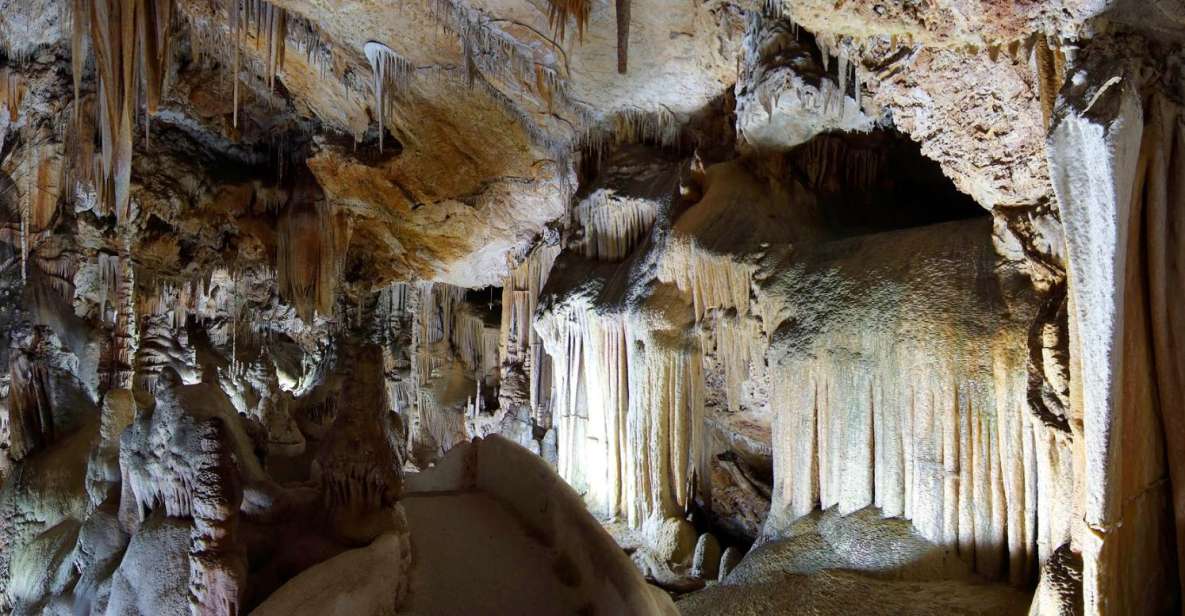
- 40-minute self-guided visit through three chambers
- Cool cave air at about 22°C year-round
- Stalactites, stalagmites, and collapse chambers with strong visual impact
- A focus on geology, plus how the cave connects to paleontology and biological findings
- UNESCO World Heritage surroundings at the base of the Serra de Tramuntana (2011)
- Simple rules that keep the experience clean: no food/drinks, no smoking, no drones
Campanet Caves at the foot of the Serra de Tramuntana
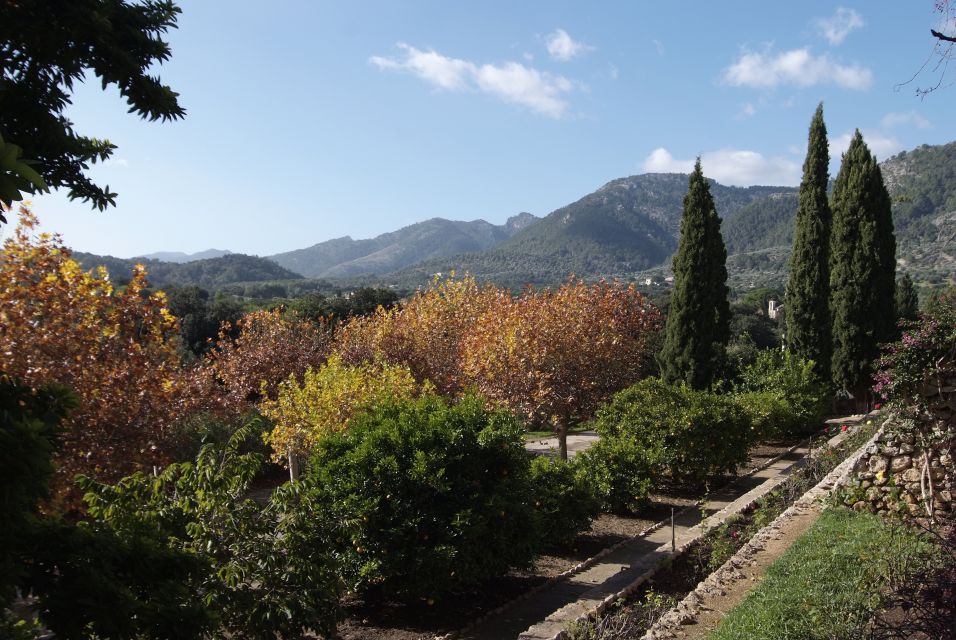
You start this outing in a very “Mallorca” kind of setting: the cave sits at the base of the Serra de Tramuntana, a mountain range that has UNESCO protection (since 2011). Even if you never spend time hiking, that context matters. You’re stepping into a cave system that belongs to the same big geological story shaping the island.
Once you arrive, you are not sent chasing one scenic viewpoint after another. Instead, you are lining up for the real show underground—crystalline formations and geology explanations delivered in a way that fits a short visit.
You can also read our reviews of more tours and experiences in Mallorca.


The 40-minute self-guided circuit (and what it really means)
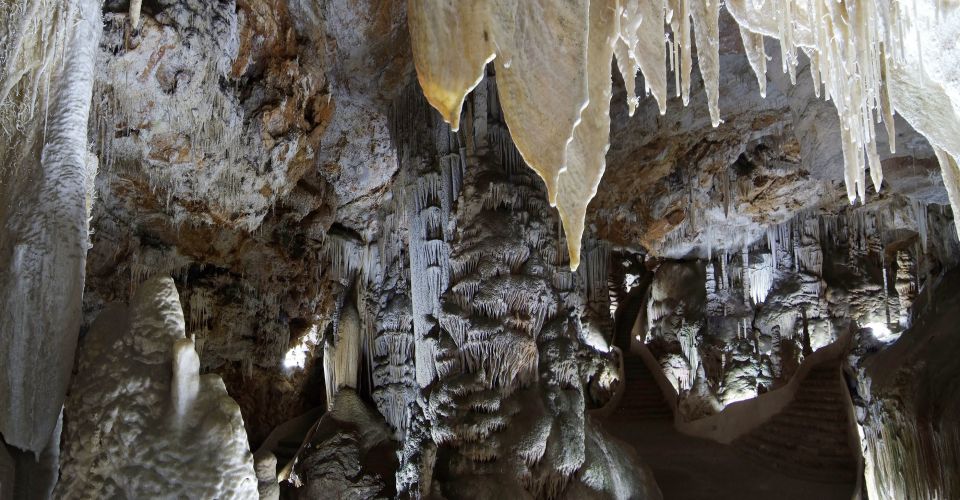
The ticket is built around one simple promise: a self-guided walk of about 40 minutes. You will go through three different chambers, and each one is designed to keep you moving while still giving you time to look closely. You do not need to decode a complex route, but you do want comfortable patience—this is a “slow your eyes” kind of attraction.
You’ll enter, then follow the walk on your own. There is a host or greeter on site in English, German, and Spanish, so you can get pointed in the right direction. After that, the experience is basically: look around, read what you can, and enjoy the changing shapes of the cave interior as you move chamber to chamber.
A small heads-up: the self-guided format is perfect for people who like quiet time. It can be less ideal if you want a lively guide narrating every detail, formation by formation.
Entering the crystal zones: stalactites, stalagmites, and collapse chambers
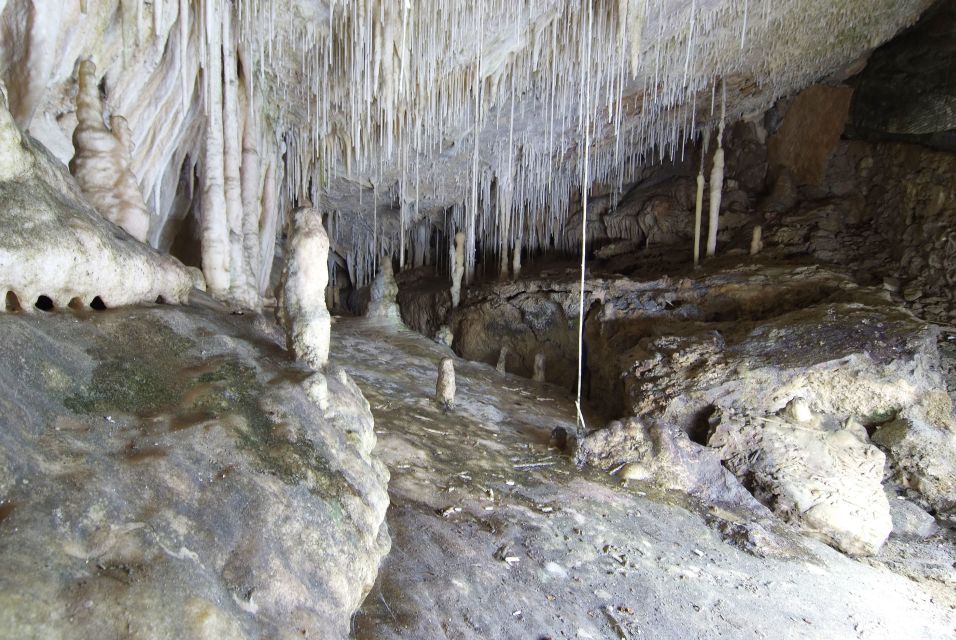
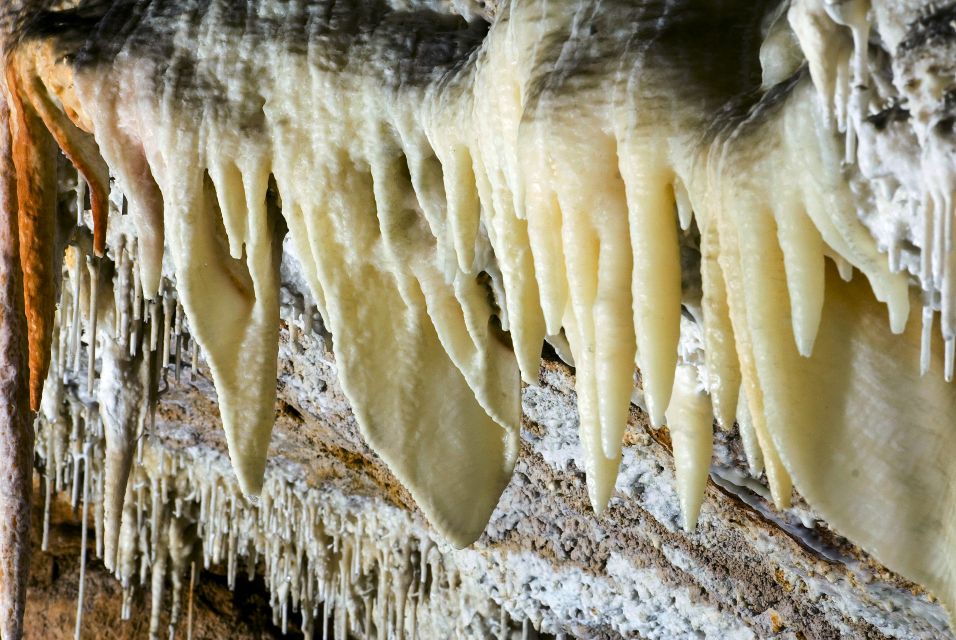
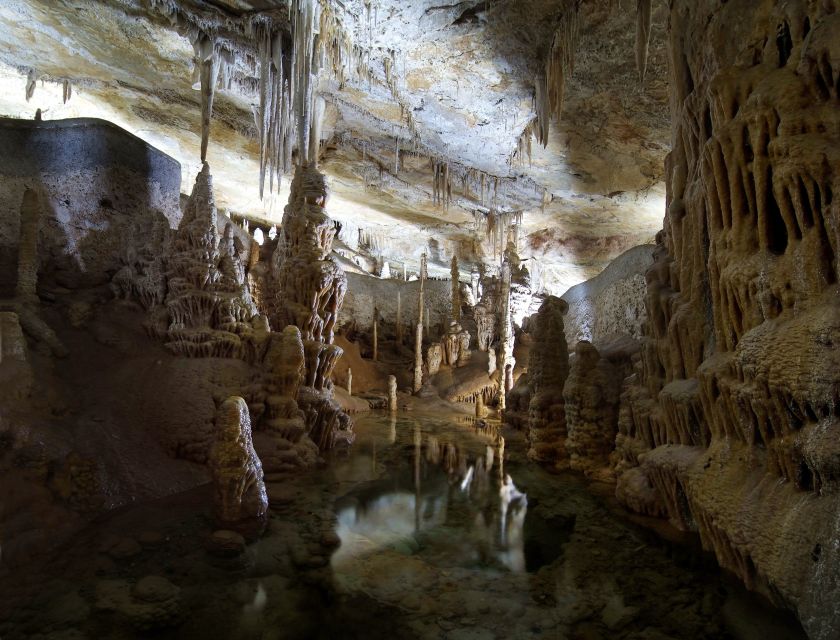
The headline here is the cave’s crystalline formations. You’ll see stalactites and stalagmites—classic cave features sculpted by water working over thousands of years. That “over thousands of years” part is not just trivia. It helps your brain slow down and treat every drip-formed shape like evidence, not decoration.
One of the standout visual moments is the presence of large collapse chambers. These open spaces give you a sense of scale. It is not just tight cave corridors where you crane your neck. The cave interior has a dense, natural crystalline look, and the bigger rooms make the textures more dramatic.
You’ll also notice how the cave’s “furnishing” changes as you progress. In one chamber you may be focused on hanging formations; in another, you’ll look at the growth patterns near the floor. That shift keeps the route feeling more like a mini-lesson in cave formation than a single long hallway of the same view.
The geology and paleontology angle (why the explanations matter)
Campanet Caves is not only about visuals. The visit includes information on the geology of the region and how the caves connect to paleontology. You can think of it as a bridge between what you see (crystals and water-made shapes) and what scientists care about (how caves preserve clues).
The cave also connects to biological findings. That part is easy to skip mentally if you are only chasing photos, so try to spend a minute or two reading the cave’s message while you are walking. Even short notes can change how you interpret what you’re seeing, because caves are rarely just “pretty rocks.” They can store evidence in ways that other places don’t.
If you are the type who likes science but does not want a full lecture, this is a good balance. You get enough context to feel informed without turning the trip into studying for an exam.
Serra de Tramuntana UNESCO views: how the setting helps your visit
Even though the main action is underground, the Serra de Tramuntana setting shapes the vibe. You’re visiting at the base of a protected mountain area, so it feels tied to the wider island landscape rather than an isolated “theme cave.”
This also makes the caves a smart choice if you’re touring Mallorca with a mix of interests. If you already plan to see traditional towns, markets, or a viewpoint or two, this fits as the geology-and-nature counterweight. It’s also a good match for days when the weather is not cooperating for longer outdoor plans.





Temperature and comfort: dress like you’re going to a cool room
The cave is about 22°C year-round. That’s comfortable for most people, but it’s still inside a cave environment, so you’ll want to dress with a little practical common sense.
The biggest must: comfortable, sturdy shoes. The walk is not described as a rugged hike, but caves can be uneven and slick in places. You don’t want to “make it work” in worn sandals. Bring shoes you can trust, especially if you’re visiting in warmer months when you might be tempted to travel light.
Also, plan on being mindful of rules. This isn’t the kind of attraction where you snack your way through. You can’t bring food and drinks, and smoking is not allowed. Chewing gum is also not allowed, along with littering (a given, but still part of the cave rules).
Simple rules that keep the experience pleasant
A cave is a fragile environment, and the rules here reflect that. You should know ahead of time that baby strollers are not allowed. If you are traveling with a stroller, you’ll need another plan—this is a walking-focused ticket.
Other “no’s” include drones and bikes, and the cave also bans food, drinks, and similar clutter. The good news: these restrictions usually mean you get a more focused, cleaner experience without random distractions.
One more practical detail: expect it to be a place where you walk and look. If you’re hoping for lots of interactive features, you might find it more “walk-through” than “hands-on museum.” Still, the formations do a lot of the heavy lifting.
Price and value: is $20 a fair deal?
At around $20 per person for entry and a 40-minute self-guided tour, the pricing feels like it sits in the mid-range for Mallorca attractions. Whether it’s a good value depends on what you want from the experience.
If you like:
- caves for the visuals,
- short visits that don’t eat your whole day,
- and a self-paced route where you can stare at crystals for a bit,
…then this price makes sense. The cave’s focus on stalactites, stalagmites, and major chambers gives you the kind of payoff you can actually feel within the time limit.
If you want:
- a lot of spoken explanation,
- an audio guide,
- or a super detailed narrative tour,
…then $20 can start to feel steep, because the experience is intentionally light on add-ons. In other words: you’re paying for entry plus the route, not for a guide-led performance.
When to go and who should book
You can book for a specific day, and the ticket notes that you should check starting times based on availability. That matters because cave visits can vary in how crowded they feel. Even with that unknown, the attraction’s short duration helps: it’s easier to avoid the busiest windows than with longer tours.
This is especially suited to:
- couples and solo travelers who like quiet walks underground,
- people who want a science-meets-visual stop without a full-day commitment,
- and anyone who needs a plan that works even when the island feels too hot or too rainy.
It may not be ideal if:
- you need family-friendly stroller access,
- or you want a guide to keep you engaged with constant commentary.
FAQ
FAQ
How long is the Campanet Caves visit?
The self-guided tour takes about 40 minutes.
Is the Campanet Caves tour guided?
It’s self-guided. You walk through the caves on your own for the set amount of time.
What is included with the ticket?
The ticket includes cave entry and the 40-minute self-guided tour.
Is an audio guide included?
No. An audio guide is not included.
What temperature is the cave?
The cave interior is about 22°C throughout the year.
What should I wear?
Wear comfortable, sturdy shoes.
Are baby strollers allowed inside?
No, baby strollers are not allowed.
Can I bring food and drinks into the cave?
No. Food and drinks are not allowed.
Should you book Campanet Caves?
I’d book if you want a short, focused cave visit with strong visual payoff—stalactites, stalagmites, and dramatic chambers—and you’re okay with a mostly self-paced format. I’d think twice if you’re the type who needs heavy narration and would feel disappointed without an audio guide, because this experience is built around you exploring on your own.
If you’re planning a Mallorca day that needs an indoor option, this one is efficient: you get a meaningful underground stop in under an hour, with the Serra de Tramuntana UNESCO setting adding context to what you’re seeing.