REVIEW · MADEIRA
Madeira: Whale Watching Excursion in a Traditional Vessel
Book on GetYourGuide →Operated by Lobosonda - Madeira whale watching · Bookable on GetYourGuide
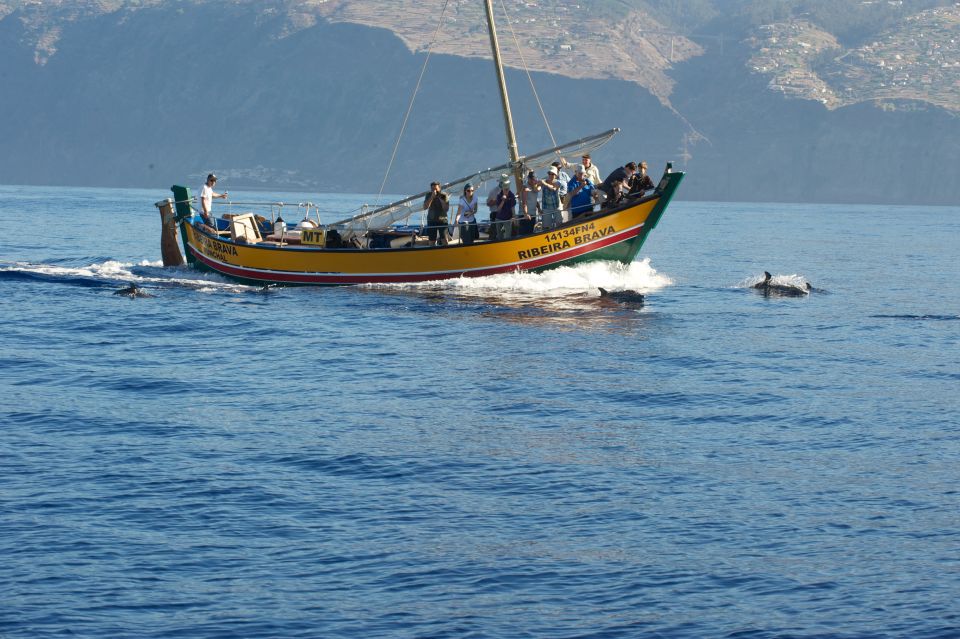
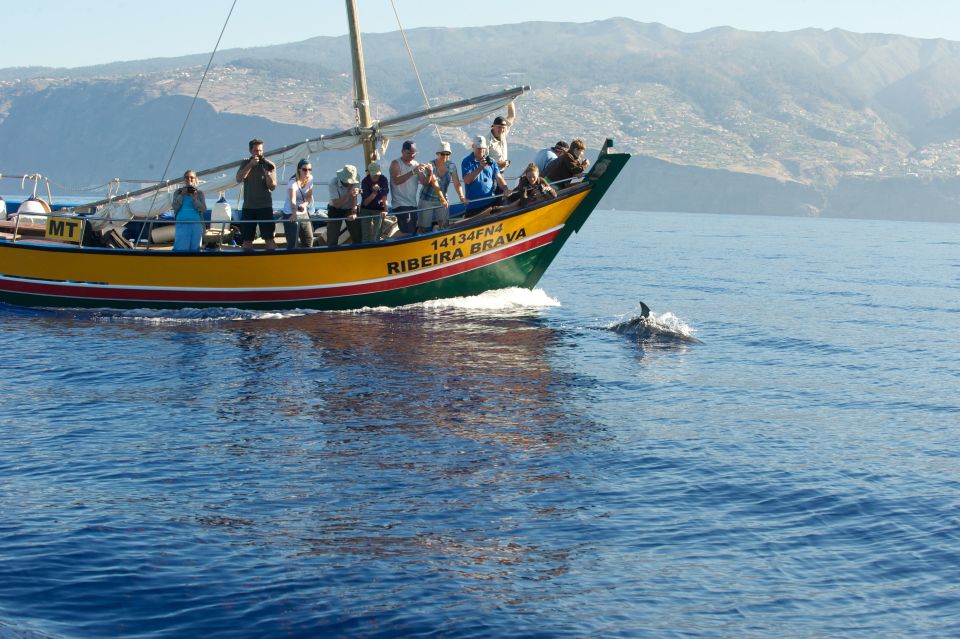
Whales off Madeira feel close. This excursion takes you out in a traditional wooden boat, the restored Ribeira Brava, in protected waters where you scan for dolphins, monk seals, and whale species. I love the way the boat itself sets the tone: it’s not some generic sightseeing vessel, and it feels built for Madeira’s seafaring vibe.
My second favorite part is the human factor: the guides bring real passion and on-the-spot skill. Names like Ana, Camilla, Carlos, and Paula show up in the feedback, and the common thread is clear—wildlife is treated with respectful viewing and the team keeps their approach calm. The one drawback to plan for is simple: spotting whales isn’t guaranteed, and rougher conditions can affect what you see or how the trip runs.
In This Review
- Key points before you go
- Ribeira Brava: why this boat makes the whole trip feel right
- From marina to protected waters: how the 2.5 hours plays out
- Wildlife spotting: dolphins, monk seals, and the hunt for whales
- The guide team: what expert leadership changes for you
- Madeira coastline from the water: scenery that earns its place
- Comfort, timing, and what to bring for a calm viewing day
- Price and value: what $53 buys you on Madeira
- When the whales don’t show: how to avoid disappointment
- Who should book this and who should choose something else
- Should you book Lobosonda’s Madeira whale watch?
- FAQ
- FAQ
- How long is the whale watching tour?
- Where do I meet the tour?
- How much does it cost?
- What is included in the price?
- What languages are the live guides available in?
- What animals might you see during the trip?
- How likely are you to see marine mammals?
- What is the cancellation policy?
- Can I reserve without paying right away?
Key points before you go
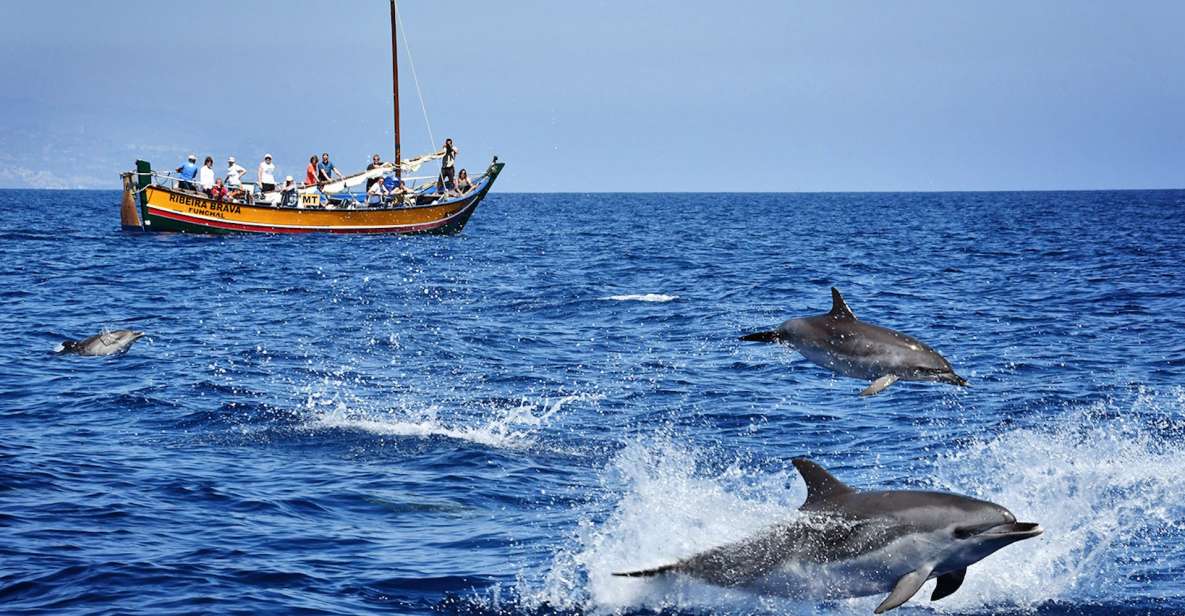
- Ribeira Brava is the star: a restored traditional wooden fishing boat, reportedly the only one of its kind in Madeira today
- Protected marine areas: you sail where wildlife behavior is more likely to show up
- Strong spotting odds: an 85.6% success rate for marine mammal sightings
- Expert guidance in English or German: live interpretation helps you read what you’re seeing
- Respect-first wildlife etiquette: keep distance, reduce stress, and let animals act naturally
- Views that aren’t just background: the Madeira coastline looks stunning from the water
Ribeira Brava: why this boat makes the whole trip feel right
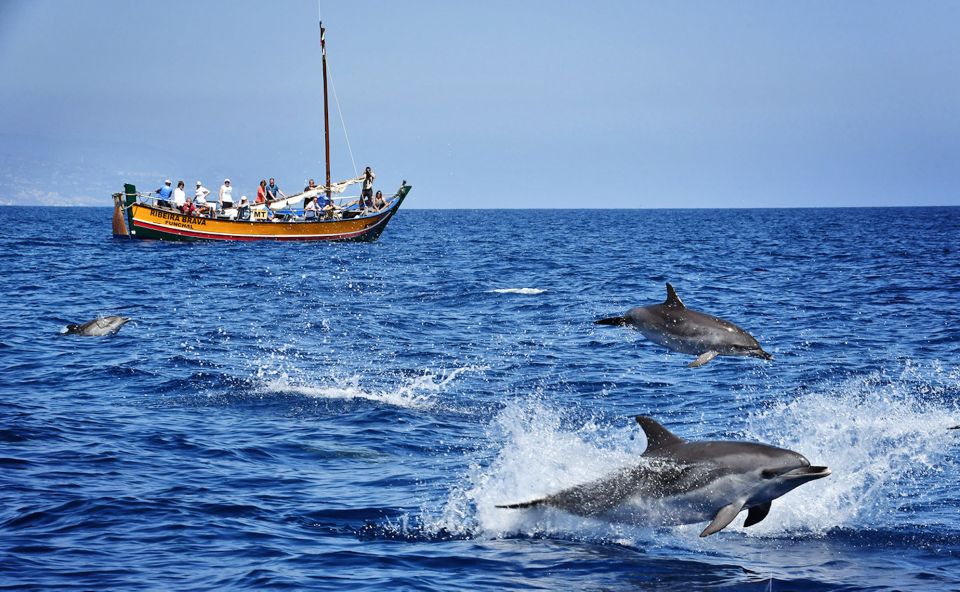
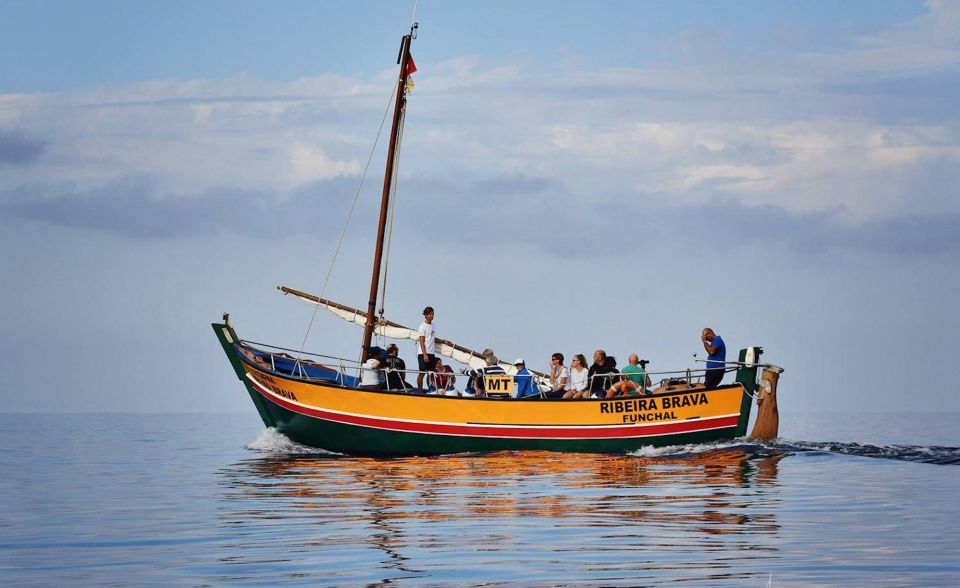
On Madeira, you can do whale watching from lots of angles. What makes this experience worth your time is that you’re not just booking a ticket—you’re stepping onto a traditional wooden fishing boat called the Ribeira Brava. The boat is described as restored down to the smallest detail, and multiple reviews bring up how comfortable and easy it is to move around during the outing. That matters more than you’d think. If the boat feels stable and usable, you’ll spend more time watching and less time bracing or squeezing for a view.
You also get a real sense of place. Madeira is an island built around the ocean, and this vessel looks like it belongs here. Even the meeting point hints at the vibe: you’re heading to the marina, in between the restaurants Aki Kalheta and Leme Marisqueira. It’s a practical, easy-to-find start that doesn’t waste your energy.
You can also read our reviews of more tours and experiences in Madeira.
From marina to protected waters: how the 2.5 hours plays out
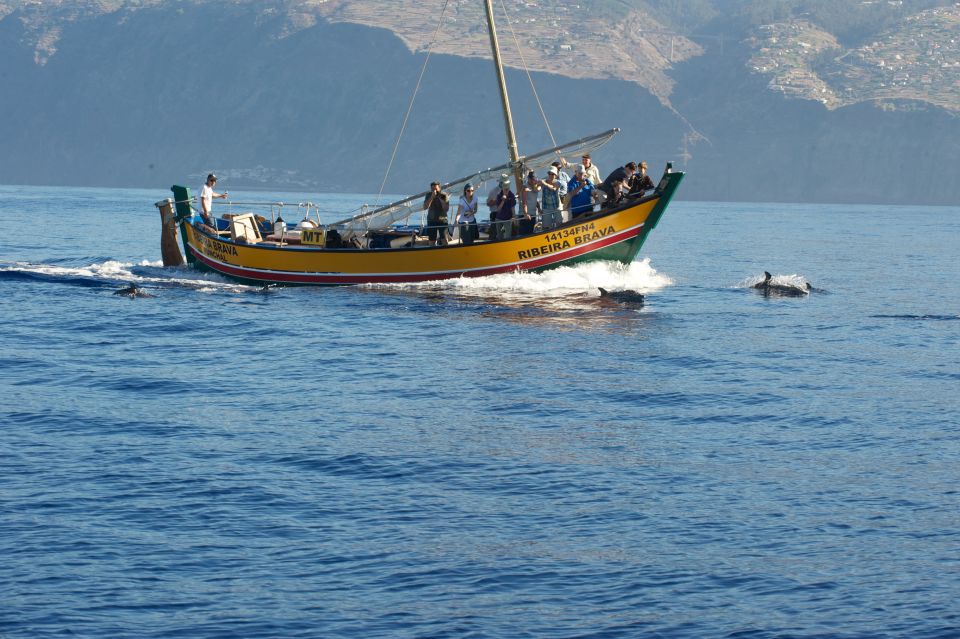
The tour runs about 2.5 hours, so it’s designed to be focused rather than drawn out. You start at the marina and head out with the guide team and captain. From there, you spend your time in the protected marine areas around Madeira, where the ecosystem supports regular sightings.
Here’s what that usually looks like in real life:
- You cruise out and start scanning for signs of marine life—surface activity, movement patterns, and bird behavior.
- When wildlife comes into range, the guide helps you understand what you’re seeing and where to look next.
- You keep your attention wide. In productive waters, sightings often come in clusters: dolphins first, then birds, then maybe the bigger surprise.
One thing I like about the schedule is that it matches your vacation reality. You get a proper marine experience without burning half a day. At the same time, you’re not in and out like a quick photo stop. You’re far enough out to feel like you left the shoreline behind, and long enough to build some momentum with spotting.
If conditions change, be flexible. One review notes the trip was shortened due to high waves. That’s a reminder that the ocean sets the rules. The good news: when conditions are calmer, the outing feels smooth and well paced.
Wildlife spotting: dolphins, monk seals, and the hunt for whales
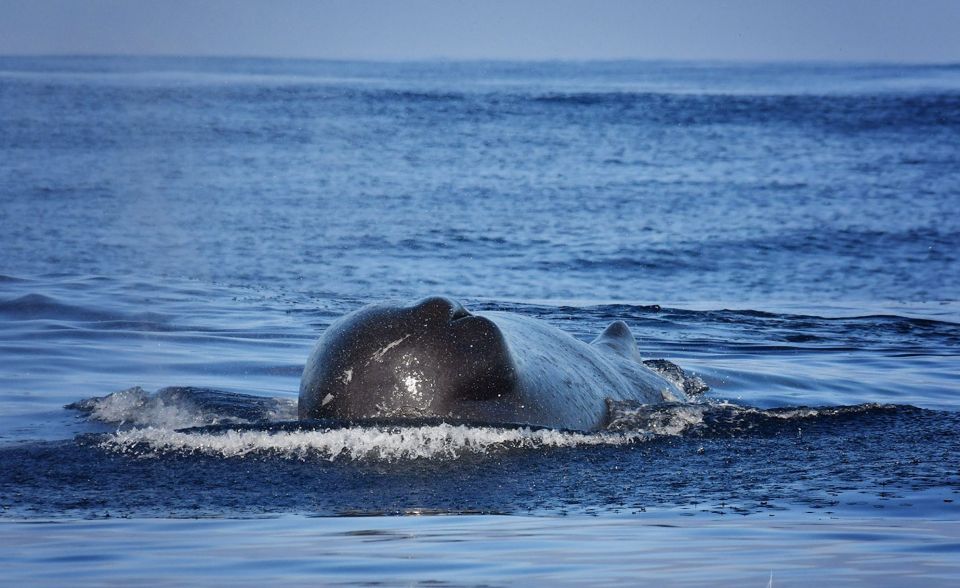
The headline is whale watching, but the smarter way to approach this trip is to think in terms of marine mammals + birds. The experience includes the chance to spot monk seals, different bird species, dolphins, and whale species in their natural habitat. In other words, you’re not paying only for one single outcome.
Here’s how that plays out when it goes well:
- Dolphins can appear early and often. Several reviews highlight close or respectful viewing and multiple dolphin species, including cases where dolphins approached the boat enough for clear observations from a short distance.
- Whales are the big variable. Some departures include whales and pilot whales; others don’t show whales at the surface even if they’re around. One review literally calls out the whales staying under water, while the trip still delivered on dolphins and general wildlife action.
- Monk seals and birds add texture. They aren’t always guaranteed, but the guides use what’s in front of you—bird activity and coastal shape—to help you narrow down where marine life might be moving.
A standout point is the 85.6% success rate for spotting marine mammal species. That doesn’t promise whales every time. What it does promise is that the team is operating in a way that leads to sightings of marine mammals for most departures. For you, that means a better odds-to-time ratio than many whale-watching options that feel like pure luck.
The guide team: what expert leadership changes for you
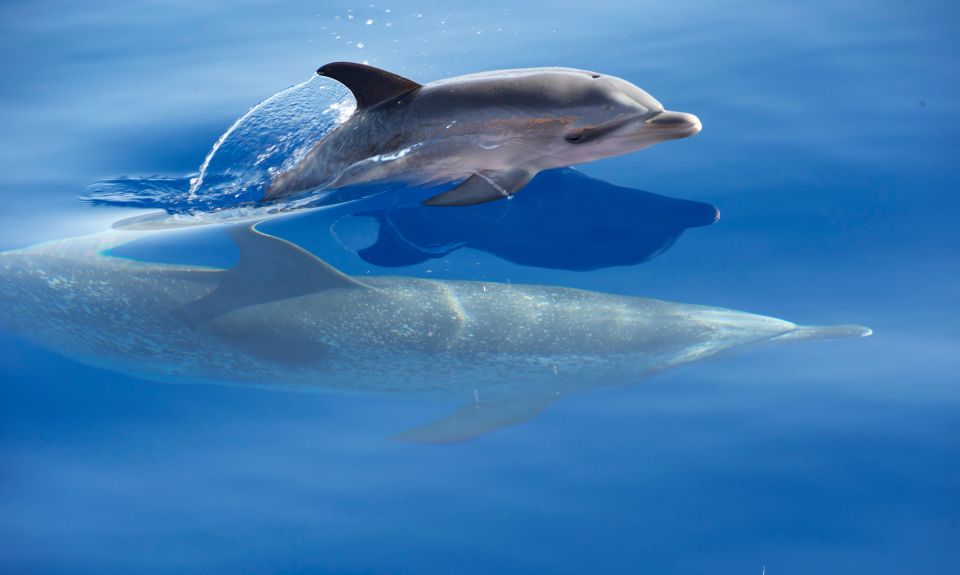
Wildlife spotting is part science, part patience. The difference between a frustrating trip and a great one often comes down to the guide’s ability to help you notice what you’d otherwise miss.
The reviews consistently describe guides as engaged and skilled, with specific names turning up again and again—Ana, Camilla, Carlos, and Paula. What matters for your planning is the style: guides don’t just point. They explain, set expectations, and help you interpret behavior. When dolphins show up, for example, you’re more likely to understand if they’re feeding, traveling, or simply curious.
Another practical detail from the feedback: there’s a strong emphasis on how animals are approached. One review specifically praises a company attitude that keeps distance and reduces stress. For you, that has two benefits:
- Better animal behavior means better odds of sightings continuing, not scattering.
- Better experience because you can watch longer without feeling like the trip is crowding the animals.
And yes, language matters. This tour offers a live guide in English and German, so you can actually follow the explanations instead of watching silently while everyone else seems to know what they’re looking at.
Madeira coastline from the water: scenery that earns its place
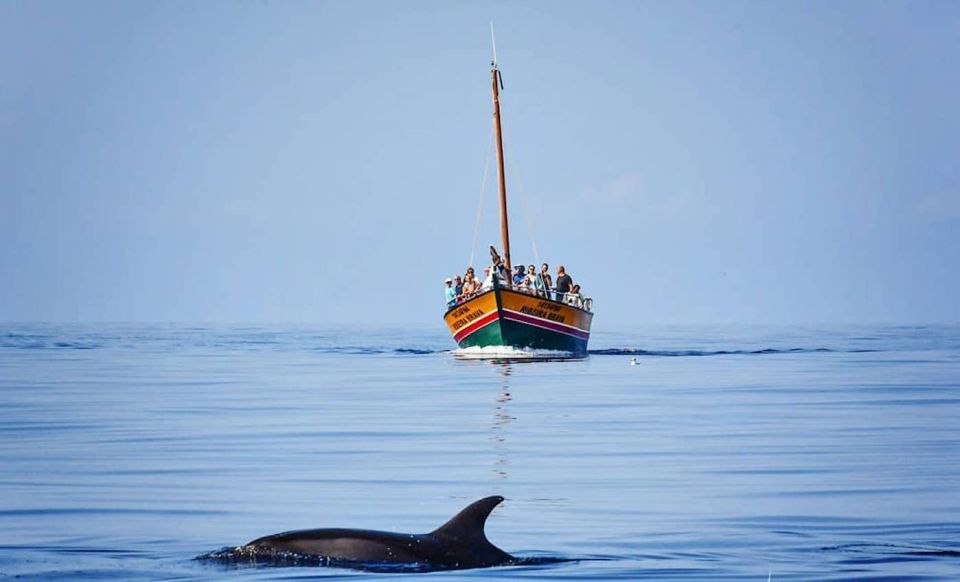
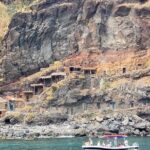
Even if you’re chasing wildlife, the coastline is part of the experience. Sailing out from the marina, you start to see Madeira from angles you don’t get from roads and viewpoints. Multiple reviews mention the beauty of the coast from the sea, which makes sense: cliffs, curves, and the feel of distance all show up differently once you’re afloat.
The practical upside of enjoying the scenery is simple: when whales are elusive, you still have a satisfying ride. And even on days when whale sightings don’t happen at the surface, you may get plenty of bird life, dolphin action, and overall ocean energy.
Also, the traditional boat adds a visual charm. People don’t just photograph wildlife; they photograph the boat against the coastline. That makes this outing feel more memorable than a generic trip.


Comfort, timing, and what to bring for a calm viewing day
This is a 2.5-hour outing, so you’re not dressing for an all-day expedition. Still, conditions at sea can shift quickly. One review mentions the captain guiding safely and calmly through the ocean, which is exactly what you want to hear for comfort and confidence.
Bring basics that help you stay comfortable through scanning time:
- A light jacket or wind layer, since wind is a thing on open water
- Sun protection, because spotting sessions can run right into bright daylight
- A phone/camera that’s easy to handle one-handed while you look out
- Shoes with decent grip for a stable stance on a boat
About swimming: one review references a sea stop with snorkels provided and time to swim alongside fish. But your exact departure may differ, and the duration you see on your booking is 2.5 hours, so don’t assume every tour includes time in the water. If swimming/snorkel time is offered, you’ll be told by the crew based on the day’s conditions.
Price and value: what $53 buys you on Madeira
At $53 per person for a 2.5-hour tour, you’re paying for three things at once:
- Access to the protected marine areas
- The boat experience (including the restored traditional vessel)
- Guide work that improves your odds of spotting marine life
The value story gets stronger when you factor in the 85.6% success rate for marine mammal sightings and the overall rating: 4.7 from 273 reviews. One review even calls out that it’s among the more expensive Madeira experiences, but still frames it as worthwhile compared to other options.
Here’s the balanced takeaway for you: if your goal is wildlife and you want a guide-based experience rather than pure luck, the pricing makes sense. If you’re only after a quick scenic cruise and you don’t care about wildlife spotting, then you might consider a cheaper boat option. But if you’re serious about seeing dolphins or whales, this is a solid way to spend a chunk of your Madeira time.
When the whales don’t show: how to avoid disappointment
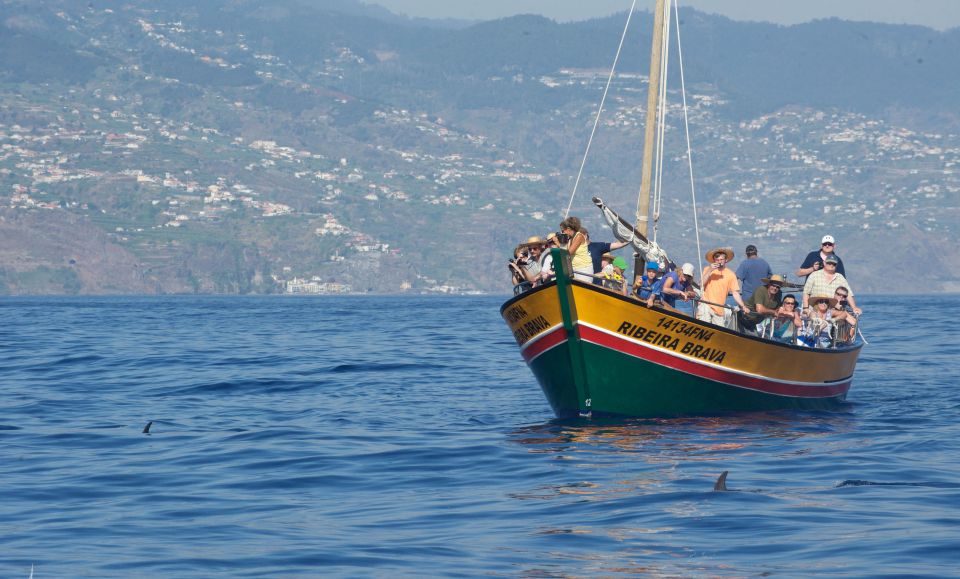
The most important expectation-setting point is this: whale watching is still wildlife viewing. Animals move. They surface and disappear on their own schedule. One review notes whales stayed under water, while dolphins and birds made the ride worthwhile. Another notes fewer sightings beyond resident dolphins.
So how do you protect your day?
- Treat dolphins as a win, not a consolation prize. They can be the star of the show.
- Ask the guide to tell you what signs they’re watching for during the scan. That helps you stay engaged even when sightings are slow.
- Keep your focus wide: surface activity and birds often point you toward where marine mammals might show up next.
If conditions are rough, the ocean can shorten the outing or change where you go. That’s not failure; it’s safety and reality. The best strategy is to go in ready for a wildlife-first experience rather than a guaranteed whale photo shoot.
Who should book this and who should choose something else
This excursion is a strong fit if you:
- Want a guided whale-watching experience with an ocean-respect approach
- Prefer a tour that lasts about 2.5 hours (manageable, not exhausting)
- Care about learning what you’re seeing, not just checking off a box
- Are traveling with mixed ages and want a straightforward marine activity
It might be less ideal if you’re:
- Uncomfortable with boats or wind (not because the trip is scary, but because it’s open water time)
- Only satisfied by a whale surface sighting and nothing else
- Visiting in a period where you can’t be flexible if waves affect routes or timing
Should you book Lobosonda’s Madeira whale watch?
Yes, if you want a traditional-vessel experience with real guide support and strong odds of marine mammal sightings. The combo of the restored Ribeira Brava, protected waters, and the 85.6% success rate makes it a smart bet for a limited time on the island.
Before you go, bring a flexible mindset. Plan to enjoy dolphins and birds even if whales are shy. And if you’re the type who loves explanations, this tour’s English or German live guiding is a big part of the value.
FAQ
FAQ
How long is the whale watching tour?
The duration is 2.5 hours.
Where do I meet the tour?
The meeting point is in the marina, between the restaurants Aki Kalheta and Leme Marisqueira.
How much does it cost?
It costs $53 per person.
What is included in the price?
The whale watching boat tour and a guide are included.
What languages are the live guides available in?
The live tour guide is available in English and German.
What animals might you see during the trip?
You may spot monk seals, different bird species, dolphins, and whale species in their natural habitat.
How likely are you to see marine mammals?
The experience lists an 85.6% success rate for spotting marine mammal species.
What is the cancellation policy?
You can cancel up to 24 hours in advance for a full refund.
Can I reserve without paying right away?
Yes. There is a reserve now & pay later option, described as pay nothing today.