REVIEW · TENERIFE
Los Gigantes: Dolphin and Whale Watching Cruise by Speedboat
Book on GetYourGuide →Operated by Flipper Uno · Bookable on GetYourGuide
Watching whales from a RIB feels personal. This Los Gigantes speedboat cruise pairs Teno-Rasca Whale Sanctuary searching with time right by the dramatic Los Gigantes and Masca cliffs, so you get both wildlife and big-coast views. Two things I really like: the small-boat format that helps you enjoy the animals up close, and the fact you also anchor for a swim in clear water. The main drawback to plan for is that wildlife depends on sea conditions, so on windier days you might see less (or nothing beyond what’s out there).
You board in Los Gigantes, then head fast out toward the whale-watching grounds. Guides and skippers such as Luca and Alejandro are often praised for finding pods quickly and keeping a respectful distance, including turning engines down near animals when conditions allow. Just be sure you’re on time: the meeting point is 30 minutes before departure, and arriving late means no refund or rescheduling.
In This Review
- Key things to know before you go
- Los Gigantes Speedboat: The thrill is the closeness
- Teno-Rasca Whale Sanctuary: how the wildlife search plays out
- Sliding along the cliffs: Masca and Los Gigantes from the water
- The 2-hour plan: fast pace, good pacing, and smart tradeoffs
- Swim stop in crystal bays: Masca, Barranco Seco, and Juan López
- Small group RIBs: why it’s better than big boats
- Guides on Tenerife: Luca, Alejandro, and the value of good spotting
- Price and value: is $33 worth it
- What to pack for a smooth, comfortable trip
- Logistics that can make or break your day
- Who should book this Los Gigantes cruise
- Should you book this speedboat whale cruise from Los Gigantes?
- FAQ
- How long is the Los Gigantes dolphin and whale watching cruise?
- Where does the tour start, and do I get hotel pickup?
- Are dolphins and whales guaranteed?
- Will there be time to swim?
- What time should I arrive at the meeting point?
- Are there any restrictions on what I can bring on board?
- Is the tour suitable for young children?
- What language is the host or guide speaking?
- What’s the cancellation policy?
Key things to know before you go
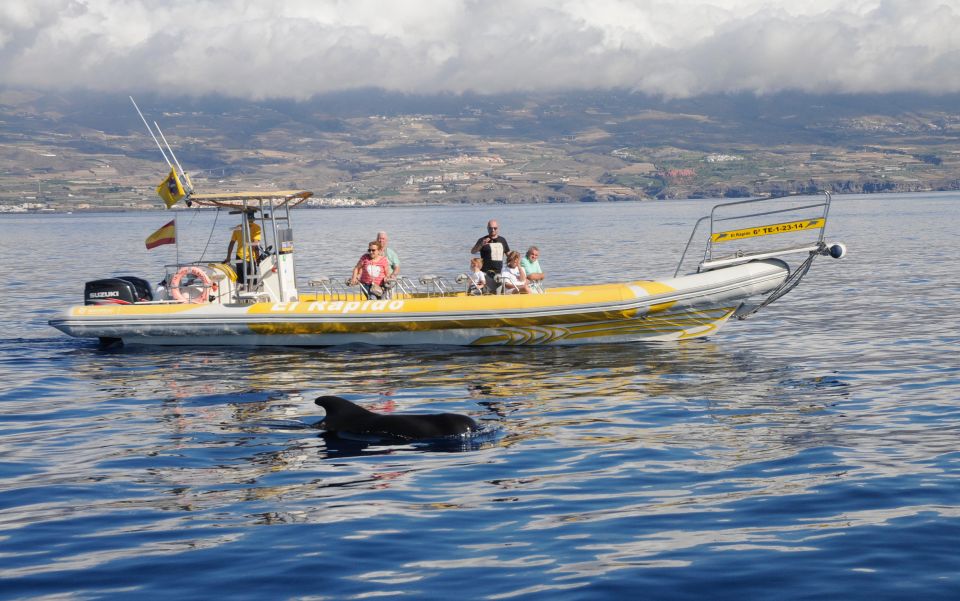
- Small RIB size for closer viewing: You’re not stuck behind rows of people on a big yacht.
- Teno-Rasca Whale Sanctuary search first: The main goal is whales and dolphins, with extra time for photos once you’re on the right patch.
- Los Gigantes and Masca cliffs up close: You sail right beside the tall coast, including views into the Masca area.
- A real swim stop in crystal-clear bays: Anchor in coves like Masca, Barranco Seco, or Juan López.
- Respectful boat handling helps wildlife: Many skippers reduce disturbance when they’re near animals.
- Sighting odds change with the sea: “Guaranteed” sightings are tied to conditions, not a promise on demand.
Los Gigantes Speedboat: The thrill is the closeness
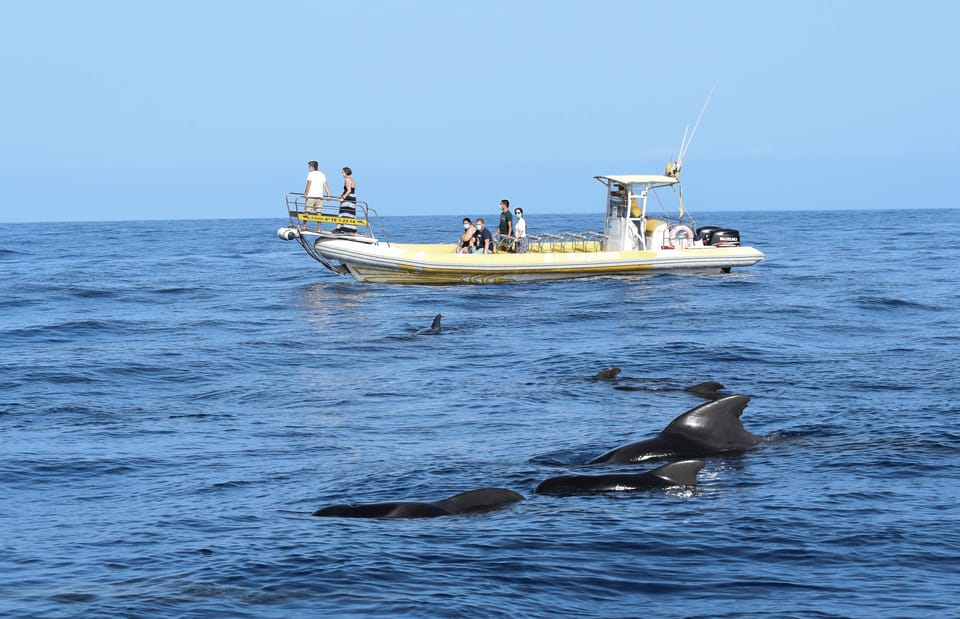
This is one of those Tenerife activities where the format matters. You’re cruising on a rigid inflatable speedboat, which means you get up and out quickly, then you can position the boat so you actually see the animals and keep them in view. That alone is a huge part of the value, because whale watching can be frustrating when the boat is too far out to really appreciate what’s happening.
The coast is the other big draw. As you move back and forth along the Los Gigantes area, you’re treated to the sheer scale of the cliffs, including the towering vertical walls near Masca and the surrounding stretch. People often remember this trip as much for the coast views as for the marine life.
The vibe tends to be upbeat and efficient. In multiple trips, guides like Luca and Alejandro are highlighted for humor and clear explanations, so the time isn’t just speeding from place to place. It’s still a 2-hour outing, so you should expect it to be focused, not a long, talk-heavy lecture.
You can also read our reviews of more tours and experiences in Tenerife.
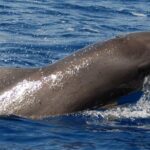
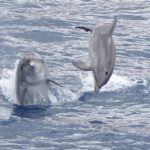
Teno-Rasca Whale Sanctuary: how the wildlife search plays out
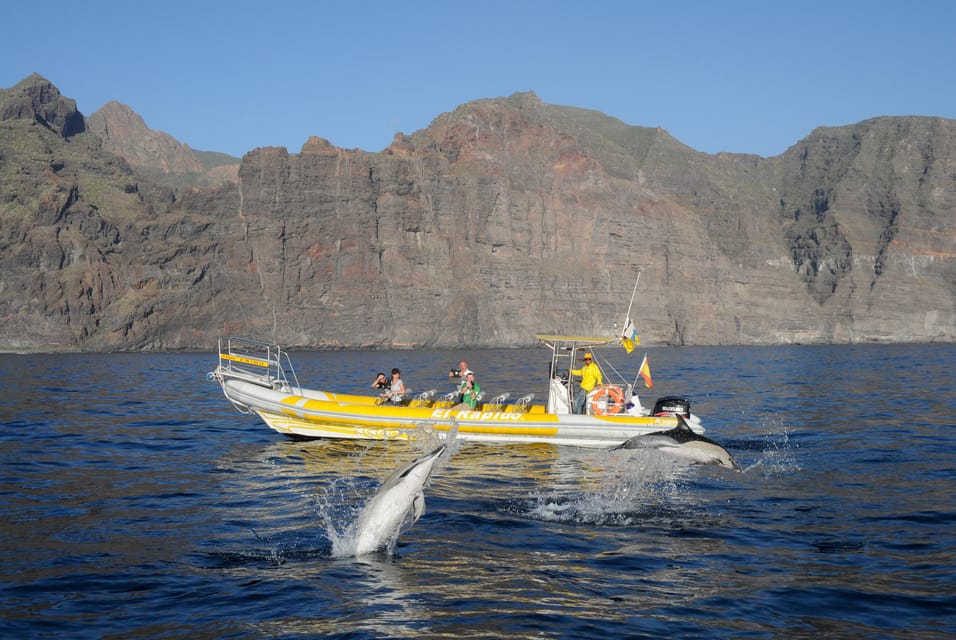
You head out from the Los Gigantes port toward the Teno-Rasca Whale Sanctuary, often described as the whale-watching hub of Europe. Practically, here’s what that means for your experience: they aim you at the best area first, then they adjust based on what they’re spotting.
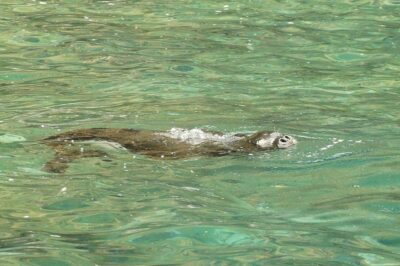
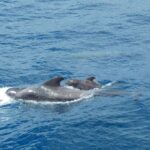
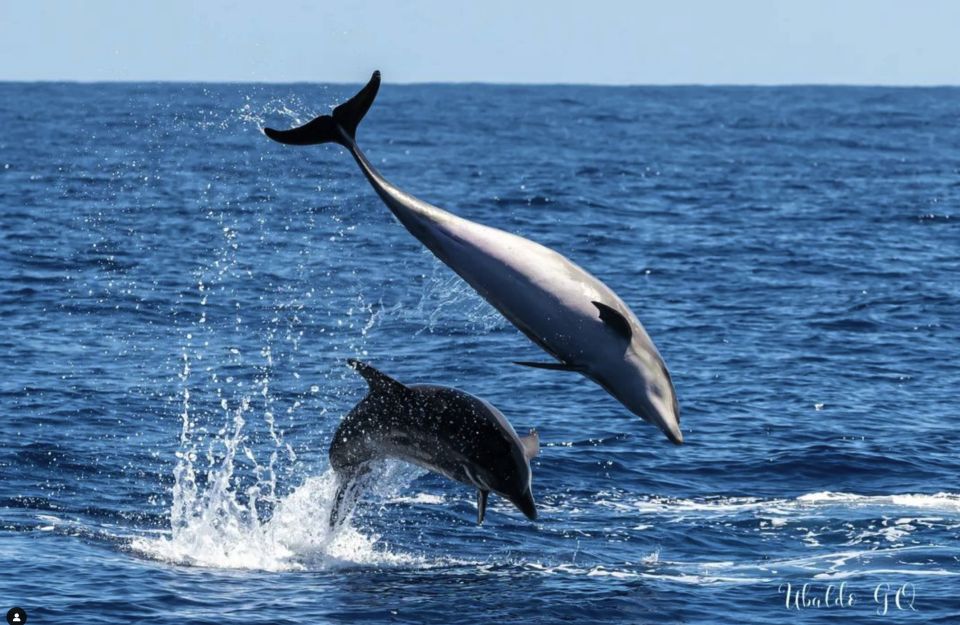
Most people go for dolphins and whales, and pilot whales come up a lot in the reported sightings. You might also see dolphins, turtles, flying fish, and even other ocean life depending on the day. The best part is that once the guide and skipper spot a pod, you usually get time to watch behavior and get photos, instead of a quick pass-by and off you go.
One important reality check: sightings are described as guaranteed depending on sea conditions. That wording matters. On windier or choppier days, the trip can still be great for scenery and the chance is there, but dolphin and whale sighting may be reduced. I treat this like weather-dependent wildlife watching everywhere else: the water decides how easy it is to see and keep a respectful distance.
Sliding along the cliffs: Masca and Los Gigantes from the water
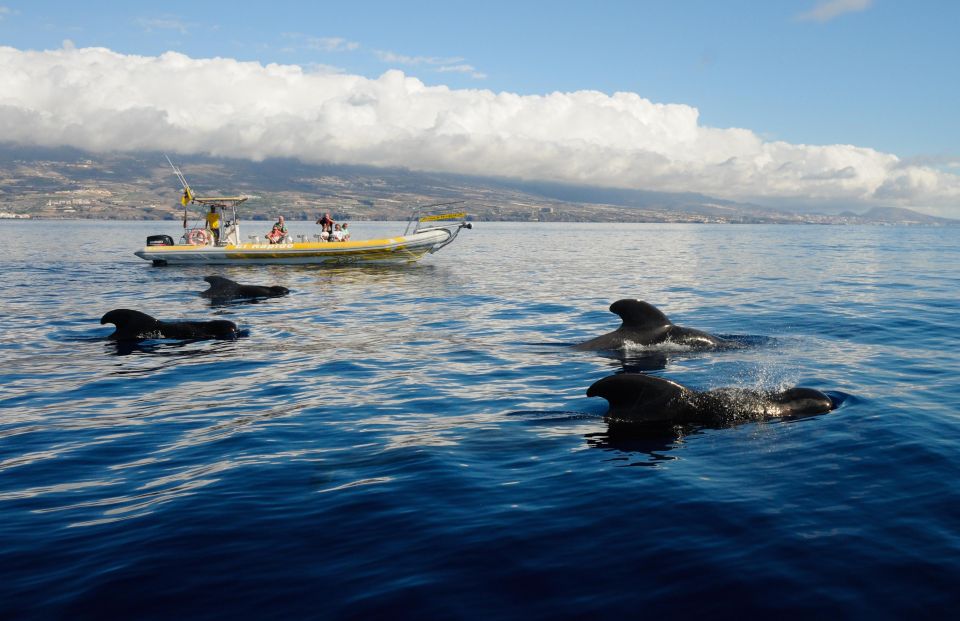
After the sanctuary search, the tour shifts to one of Tenerife’s most dramatic shorelines. You sail near the 600-meter cliffs of Los Gigantes and Masca, and the boat position can make the scale feel huge. This is not a distant viewpoint. You’re close enough to see the texture of the rock and how the coves cut into the coastline.
Masca’s setting adds to the drama. You get glimpses into the Masca valley area as the boat cruises along. Even if wildlife isn’t perfect that day, this coastal segment is still one of the best ways to experience Los Gigantes without hiring a private boat.
There’s a subtle benefit here too. Whale watching can be hit-or-miss. The cliffs are a dependable payoff. So you’re not betting your whole 2 hours on one outcome.
The 2-hour plan: fast pace, good pacing, and smart tradeoffs
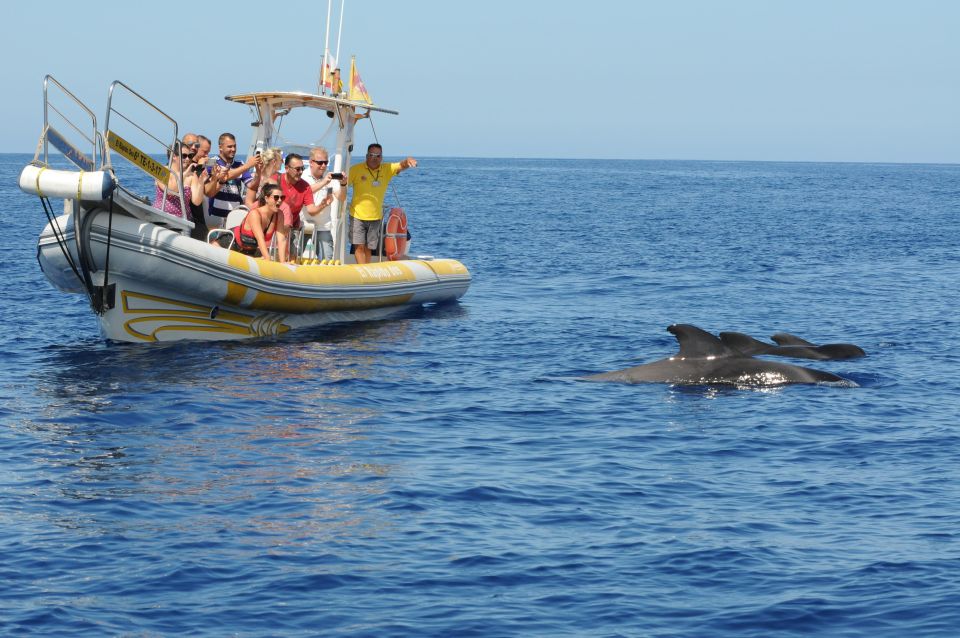
This cruise is 2 hours total, and the timing is set up for maximum time on the water without turning it into a half-day production. You’ll spend the early chunk heading out and searching for animals. Then you get the coast views, and finally a swim stop.
That structure is why the reviews sound similar: you’re not stuck commuting for ages. When it goes well, you can get a respectful viewing window with a pod and still have time for the anchored bay.
The tradeoff is sea time. If you get seasick easily, the fast boat and ocean chop can be a factor. Also, some outings may prioritize the animals for longer than you expect, which can reduce how much time you spend on the shore views or before/after the swim. The good news is that the whole thing is short enough that you’re not trapped for hours if your stomach doesn’t love the water.
Swim stop in crystal bays: Masca, Barranco Seco, and Juan López
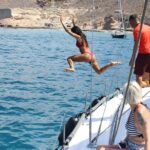
One of the reasons I’d pick this tour over a basic harbor cruise is the anchored swim. After sailing and searching, the boat drops anchor in a pristine bay, often mentioned around Masca, Barranco Seco, or Juan López. The water is described as clear and idyllic, and the stop gives you a chance to cool off and reset.
A good way to think about the swim: it’s not a long beach day. It’s a short, memorable water moment with dramatic cliffs around you. That’s especially fun after time watching wildlife because you’re changing pace: from watching from the waterline to actually being in it.
A few people also mention extra time like snorkeling or using their own mask. Since that’s not stated as standard in the core description, I’d treat it as a possible add-on rather than a guaranteed part of every trip. Bring your own gear only if you genuinely want it.
Practical tip: bring a towel and wear swim-friendly clothes or bring a swimsuit you don’t mind rinsing in saltwater.

Small group RIBs: why it’s better than big boats
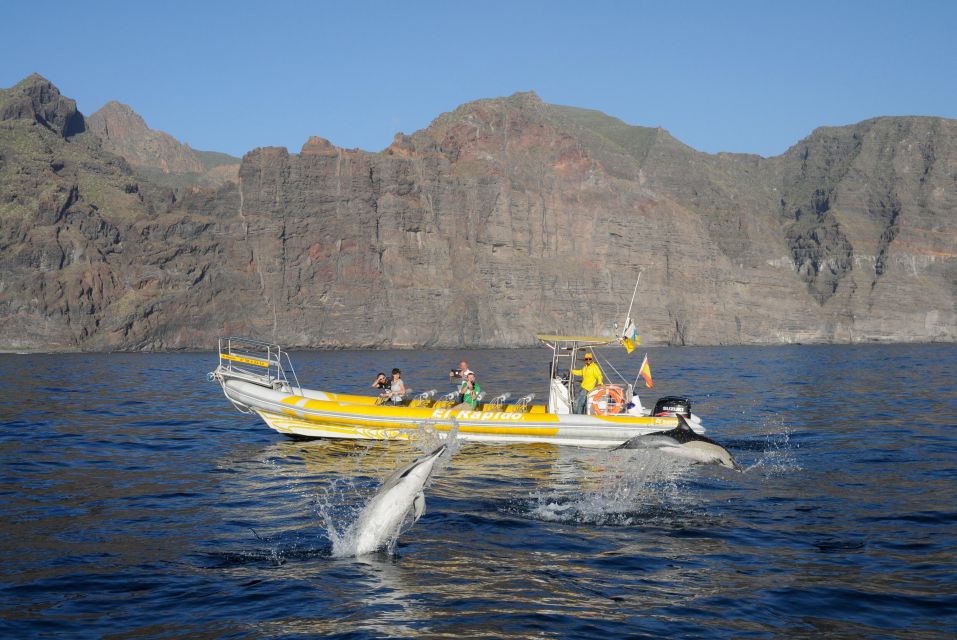
The small-boat feel shows up again and again. One reported advantage is that there are usually only around a dozen passengers, which changes everything about whale watching. With fewer people, you’re less blocked by other heads and cameras. You’re also more likely to get positioned so you can see behavior instead of just a distant spout.
Another detail that seems to matter: captains often handle the engine respectfully near animals. Multiple accounts mention engines being turned off or reduced when they’re close. That’s not just nice in theory. It helps keep the environment calmer, and it also makes for a better viewing experience.
You might still see other boats in the area (whale grounds attract multiple operators), but the small format typically gives you a more personal, less crowded feeling.
Guides on Tenerife: Luca, Alejandro, and the value of good spotting
This isn’t just about the boat. It’s about who’s at the helm and who’s scanning ahead. Guides like Luca and Alejandro are repeatedly praised for being funny and for knowing where to look. The most valuable skill is spotting pods quickly, then maintaining a respectful viewing distance while still giving you time to really look.
If you’re the type who wants a little context while you watch, pay attention to the commentary. People describe getting information about the cliffs and the whales, not just the usual “we’re looking for whales” line. That makes the experience feel more like a real outing than a ticket to sit on water.
Also, the human touches can matter on a short trip. Some captains are noted for things like providing fruit (for example, oranges). It’s not the main reason you book, but it adds warmth and makes the day feel thought-through.
Price and value: is $33 worth it
At about $33 per person for a 2-hour speedboat outing, the value mostly comes down to two things:
1) you’re paying for time where sightings are possible, and
2) you’re paying for a boat that can get you close and keep you comfortable.
If you compare this style of cruise to larger, higher-priced tours, the math often favors this one because you’re not just paying for distance and crowding. You’re paying for positioning. And with small groups, you’re more likely to actually enjoy the moment instead of fighting for a view.
The only reason I’d pause is if you’re traveling on a day with expected rough weather. Because dolphin and whale sightings depend on sea conditions, the real value is strongest on stable days when visibility and movement make it easier to find pods and hold them in sight.
What to pack for a smooth, comfortable trip
You’re on a speedboat, so think comfort first. Pack like you’re going to be on moving water in open sun and sea spray.
Bring:
- A light jacket or layer for cooler wind (some people felt chilly in December and February)
- Sunscreen and sunglasses
- Swimwear and a towel if you want the bay swim
- Any motion-sickness help you normally rely on, especially if you get sea sick
- A phone or camera that you can secure (sea mist is real)
Also note the activity rule: no glass objects on board. That’s one of those simple safety rules that’s easy to follow—just leave glass bottles and glass items at the hotel.
Pregnancy note: pregnant women are welcome, but it’s at their own risk. If that applies to you, talk to your doctor and be realistic about the speed and motion.
Logistics that can make or break your day
This tour does not include hotel pickup and drop-off. So you’ll be responsible for getting yourself to Los Gigantes port.
Arrive early. The rule is clear: you need to be at the meeting point 30 minutes before departure. Traffic and parking can be tough around the harbor, and if you’re late, there’s no refund or rescheduling.
This matters because the trip is only 2 hours. If you miss the start, you don’t get a “longer wait” situation. You simply lose the experience time.
One more practical angle: because it’s a speedboat, wind and waves affect comfort and sightings. If you’re choosing a day, pick one that looks calmer rather than the windiest hour of the week.
Who should book this Los Gigantes cruise
I think this is a great match for you if:
- you want dolphin and whale watching without spending half a day
- you prefer a smaller boat and better views over bigger crowds
- you care about both wildlife and the Los Gigantes/Masca cliff scenery
- you’re okay with some weather dependence, because the ocean decides
I’d also say it’s a smart choice for families, as long as kids are old enough. The tour isn’t suitable for children under 2.
If you get motion sick easily, you’ll need to plan carefully (or skip this and choose something calmer). The boat’s movement is part of the adventure, and not everyone loves it.
Should you book this speedboat whale cruise from Los Gigantes?
If you’re looking for a high-value, close-up way to watch whales and dolphins around Tenerife, I’d book it—especially on a day when the sea looks calmer. The combo is strong: Teno-Rasca searching, then Los Gigantes/Masca cliffs from the water, then a real swim in a clear bay.
I would hold off if you know you’re likely to be miserable in choppy water, or if you’re traveling on a day that’s consistently windy. In those cases, you might still enjoy the scenery, but the dolphin and whale odds can drop.
Bottom line: this is the kind of cruise that pays off when you want action on the water, a respectful wildlife approach, and a short, memorable Tenerife outing.
FAQ
How long is the Los Gigantes dolphin and whale watching cruise?
It lasts 2 hours.
Where does the tour start, and do I get hotel pickup?
The tour departs from Los Gigantes port. Hotel pickup and drop-off are not included, so you’ll need to get yourself there.
Are dolphins and whales guaranteed?
Sightings are described as guaranteed depending on the state of the sea, and the operator also notes they cannot guarantee dolphins and/or whales because conditions affect it.
Will there be time to swim?
Yes. The tour includes a stop in a bay to swim, with options such as Masca, Barranco Seco, or Juan López.
What time should I arrive at the meeting point?
You should arrive 30 minutes before the tour starts. If you arrive late, no refund or rescheduling is provided.
Are there any restrictions on what I can bring on board?
Yes. Glass objects are not allowed.
Is the tour suitable for young children?
It is not suitable for children under 2 years old.
What language is the host or guide speaking?
The host or greeter is Spanish.
What’s the cancellation policy?
You can cancel up to 24 hours in advance for a full refund.