REVIEW · TENERIFE
From Tenerife: La Gomera Day Trip with Guide
Book on GetYourGuide →Operated by La Excursion · Bookable on GetYourGuide
Mossy forests and whistled language in one long day. This La Gomera day trip from Tenerife is built around Garajonay National Park and a live lunch demo of Silbo Gomero, the island’s whistled communication style. I like the fact that you get big nature payoffs plus an actual cultural moment, all while you’re handled by a guide and bus. One drawback to plan for: it’s a long day with an early morning start, and the forest area can feel cold and windy.
I also like the pacing of the day: ferry time off your feet, guided viewpoints for photos, then a real walk in one of the most unusual forest ecosystems in the Canaries. If you’re the type who wants total freedom and lots of slow roaming, you may find parts of the schedule a bit structured.
In This Review
- Key highlights at a glance
- How La Gomera Fits Into a Tenerife Day (10 Hours, Early Pickup)
- From Tenerife to Los Cristianos: The Ferry Start That Actually Feels Easy
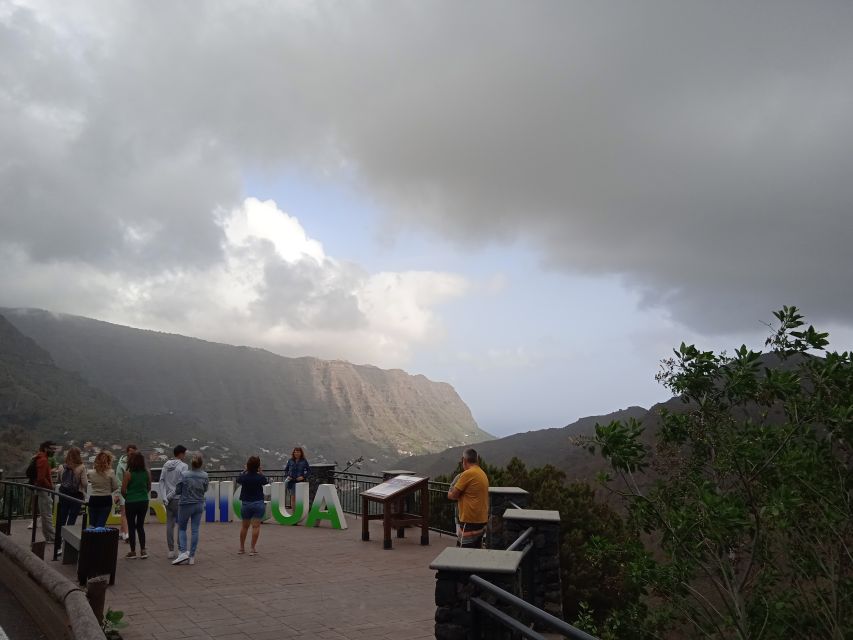
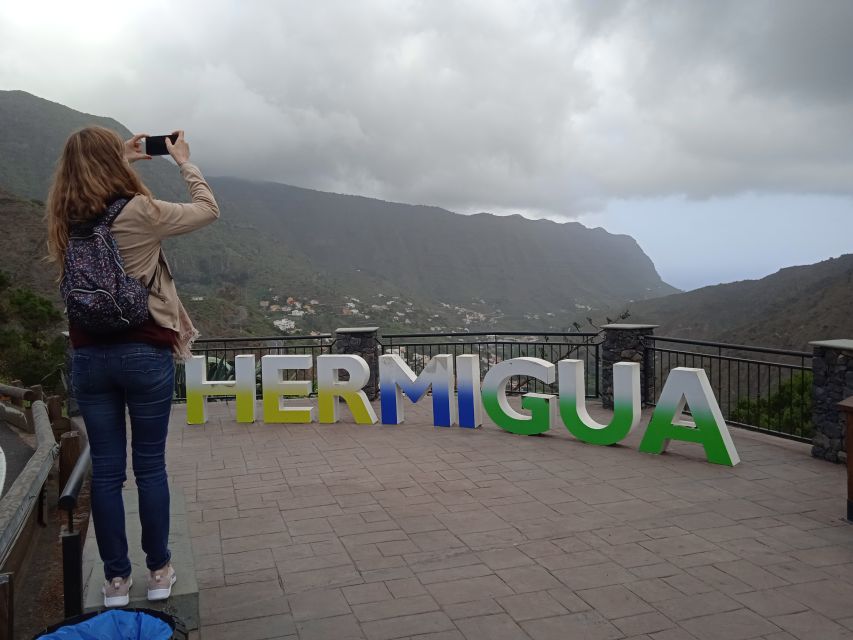
- Viewpoint Stops Around La Gomera: Volcanic Valleys and Photo Windows
- Garajonay National Park: Walking the Moss-Covered Laurel Forest
- Silbo Gomero at Lunch: The Whistled Language Moment
- Group Style and Timing: Viewpoints, Park Time, and Port Waiting
- Guides and Drivers: What Multilingual Support Really Changes
- Price and Value for $112: What You’re Paying For
- Should You Book This La Gomera Day Trip With La Excursion?
- FAQ
- How long is the La Gomera day trip from Tenerife?
- Where does the tour start on Tenerife?
- How long is the ferry ride to La Gomera?
- What’s included in the price?
- What languages are the guides available in?
- What do I need to bring?
- Does the tour run in bad weather?
- How early should I be for pickup?
Key highlights at a glance
- 50-minute ferry hop from Tenerife to La Gomera, with a relaxing start to the day
- Garajonay National Park walk through tall laurel trees, thick moss, and shaded canopies
- Silbo Gomero at lunch: a whistled language demonstration tied to La Gomera’s identity
- Multiple viewpoint stops for volcanic valleys and dramatic rock formations
- Multilingual guide experience across English, Spanish, German, French, Italian, and Russian
How La Gomera Fits Into a Tenerife Day (10 Hours, Early Pickup)
This tour runs for about 10 hours, so it’s not a casual half-day. You’ll be picked up before 8:00am from south Tenerife, with set times like Callao Salvaje at 7:00am, Playa Paraíso at 7:05am, and the Naviera Armas office at 8:00am. Plan to be ready early, because the guide won’t wait more than 3 minutes after the scheduled pickup.
The early start matters for two reasons. First, La Gomera sightseeing works best when you arrive with full energy. Second, the Garajonay area can be a cooler, windier pocket, so you’ll want to be dressed before you get stuck waiting around.
Also note the tour runs rain or shine. That’s good for planning, but it means you should treat your jacket as an all-weather item, not a nice-to-have. Pack a camera too, because the viewpoints and forest shadows make photos tricky in a good way.
You can also read our reviews of more tours and experiences in Tenerife.



From Tenerife to Los Cristianos: The Ferry Start That Actually Feels Easy
Your day begins on Tenerife with a pickup and transfer to the port at Los Cristianos. From there, you board the ferry for a quick 50-minute trip to La Gomera. This part is a real breather in the schedule—less driving, more sitting, and you start seeing the route take shape without effort.
Once you’re on La Gomera, the tour switches gears into guided road travel by air-conditioned coach. That matters because you’re going to bounce between viewpoints and then head toward Garajonay’s interior forest. The bus also reduces the “how do we get there?” stress if you’re not renting a car.
You’ll likely find the ferry segment adds a nice sense of transition. It’s not just transportation—it’s your first taste of the island’s island-time pace.
Viewpoint Stops Around La Gomera: Volcanic Valleys and Photo Windows
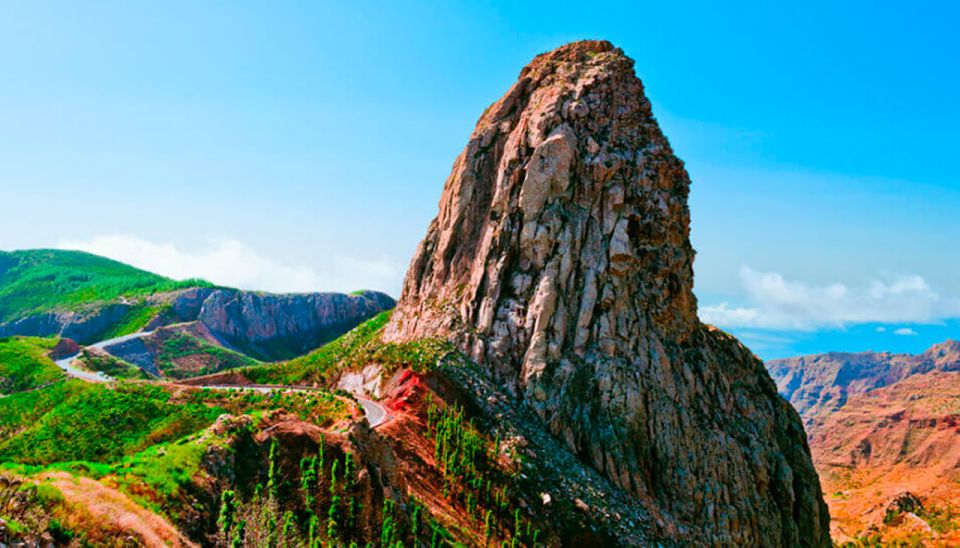
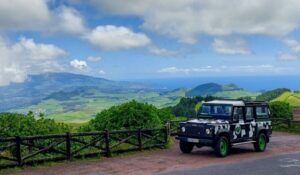
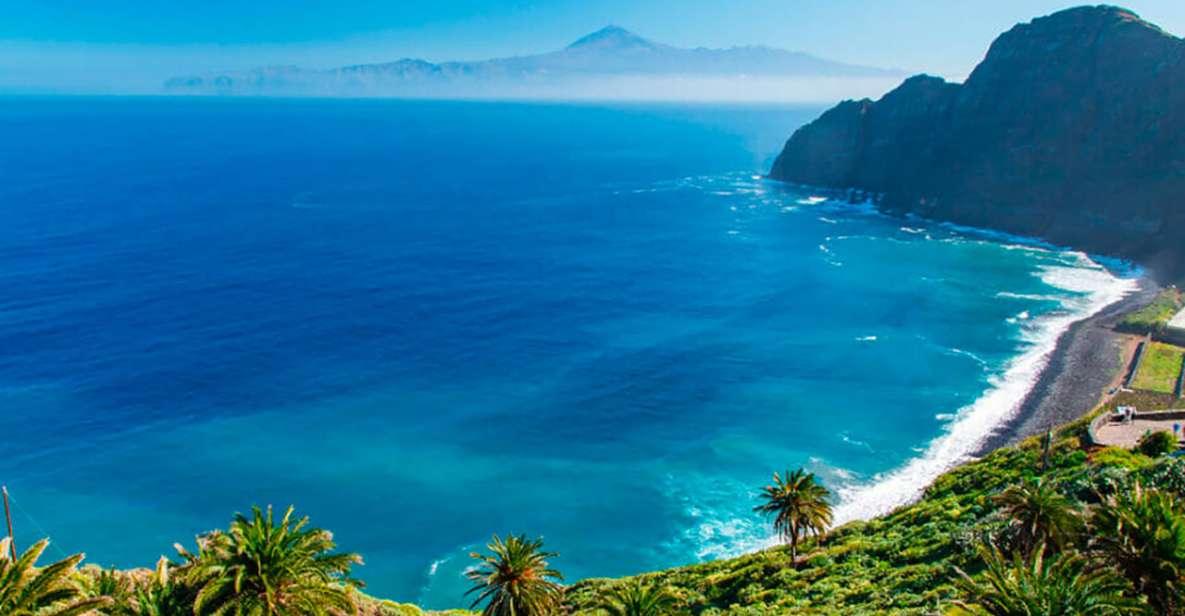
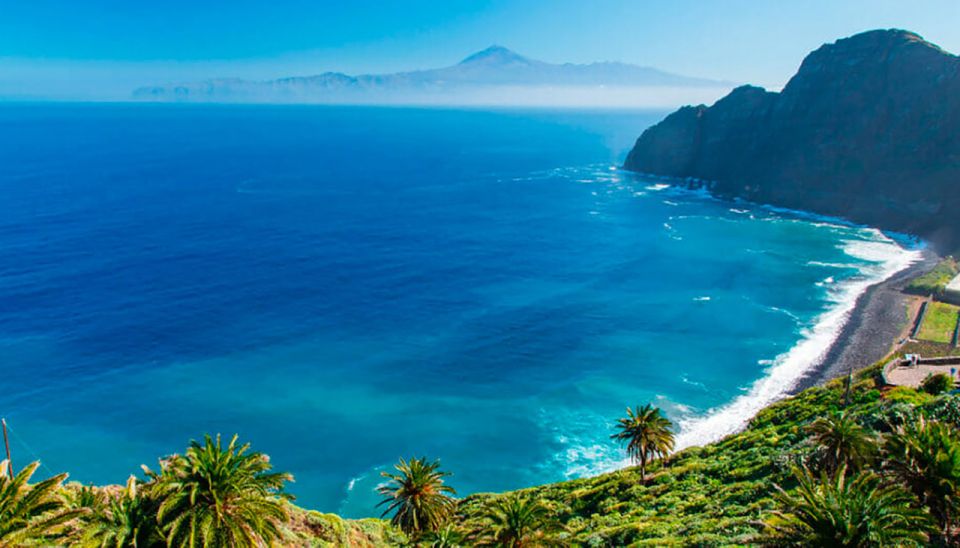
La Gomera is geologically young compared to parts of the Canaries, and the terrain shows it. You’ll travel through an intricate layout of valleys, ravines, and canyon-like cuts, plus basalt rock formations shaped into dramatic angles. That’s why the viewpoint stops are such an important part of the day: you get quick, high-reward chances to see how the island was carved.
Expect the guide to point out what you’re looking at as you roll past it. These stops are built for photos, but they’re also useful for understanding why Garajonay feels like a pocket of survival. The shaded forest doesn’t feel random once you see the surrounding volcanic terrain.
A practical note: some people prefer fewer short stops and more time in the national park. If that’s you, I’d focus on what the forest walk gives you and treat the viewpoints as bonus time rather than the main event.
Garajonay National Park: Walking the Moss-Covered Laurel Forest
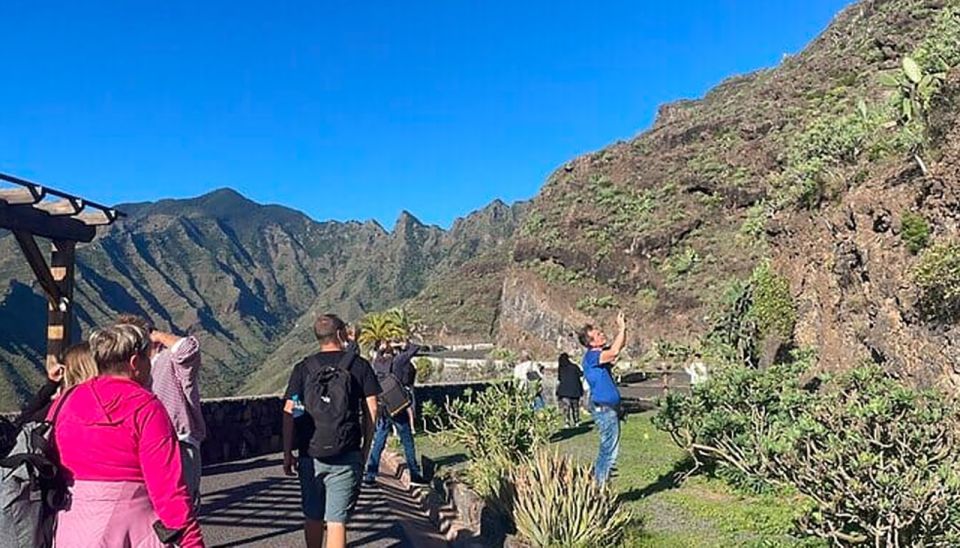
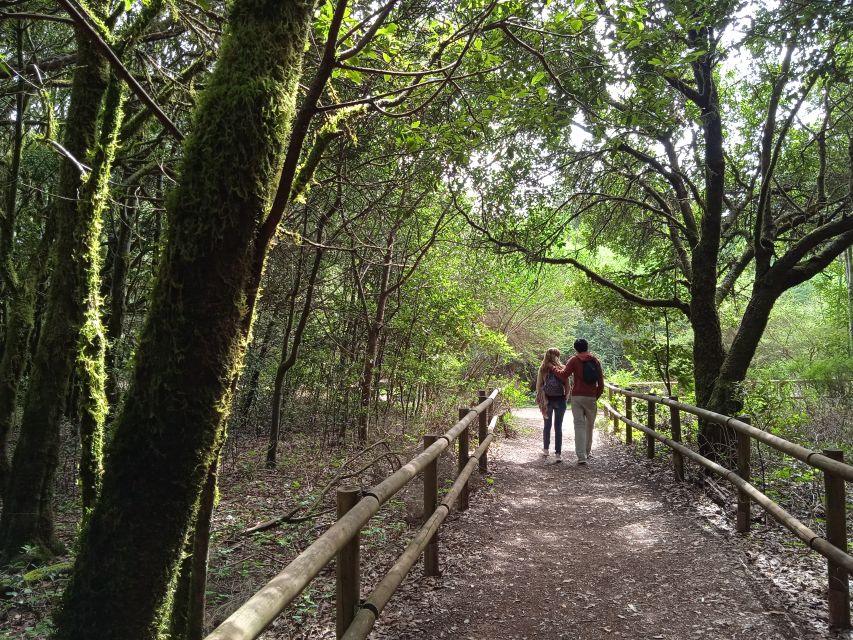
Garajonay National Park is the heart of the nature side of this tour. This is one of the oldest forest ecosystems in the world, built around a laurel and hardwood forest system that’s rare and limited to only a handful of places. The guided walk takes you into a shaded world where moss, ferns, and layered tree canopies create a dim, filtered light.
You’re walking among evergreen and hardwood trees up to around 30 meters tall, with thick moss on trunks and branches. The canopies are close enough to block much of the light, so the forest can feel cooler than you expect. That matches what you’ll want to do: plan for a jacket and expect wind.
What I like about this stop is that it’s not just “look from the path.” You’re guided through an ecosystem that needs explanation to really click. Once you understand the forest structure—tall trees, moss moisture, shaded understory—it stops being just pretty greenery and becomes a living system.
One consideration: the time you get in the forest can feel short if you were hoping for an extra-long wander. The tour’s schedule tries to fit multiple highlights into a single day, so you’ll want to arrive ready to walk and watch your timing.
Silbo Gomero at Lunch: The Whistled Language Moment
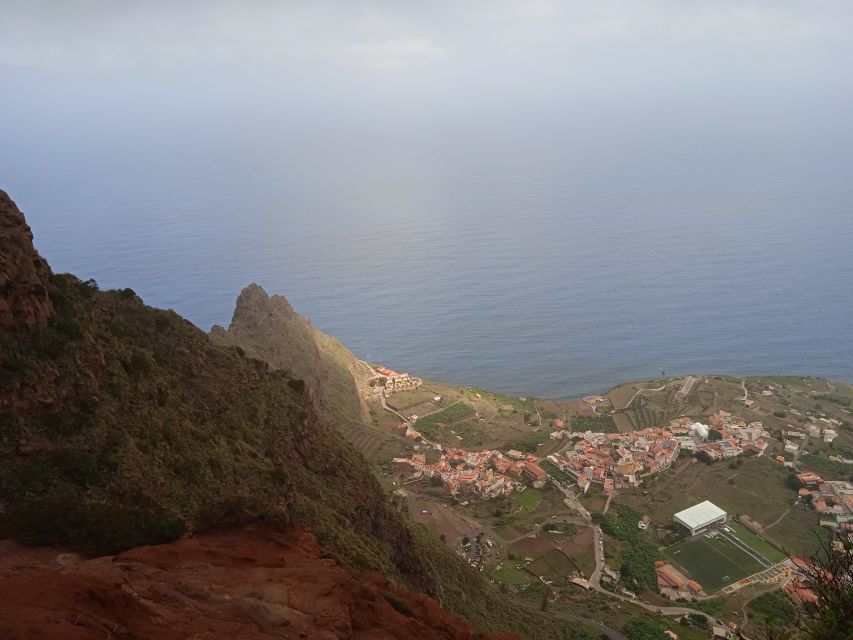
Lunch is included, and it comes with one of the most distinctive cultural experiences in the Canary Islands: a live demonstration of Silbo Gomero, La Gomera’s traditional whistled language. This language is unique to La Gomera and has been recognized as a UNESCO Masterpiece of the Oral and Intangible Heritage of Humanity, which is a polite way of saying it isn’t a tourist gimmick.
Why this moment works so well on a day trip is simple: you get context while you’re sitting down to eat. You’re not running across town and then trying to squeeze culture into the margins. The guide ties it to how island life works, and you hear the whistles as a form of communication rather than as a novelty sound.
Lunch itself is described as adequate to tasty by many participants, but it’s also not presented as a gourmet meal. Some people want more “local flavors” and less basic filler, like suggestions for more traditional options such as Almogrote or local fruit. The trade-off is that your meal includes a real show with meaning.
If you care about culture that’s specific to a place—not just general Spanish food—this Silbo Gomero demo is the kind of included extra that makes the whole day trip feel worth it.


Group Style and Timing: Viewpoints, Park Time, and Port Waiting
This is a structured tour: pickup, transfer, ferry, guided stops, lunch, and then the ride back. That structure is useful because you’re moving efficiently across a rugged island without needing to plan transport. It also explains why the schedule sometimes feels like a series of “windows” rather than a long, slow experience.
One theme that comes up is the balance between photo stops and time in the national park. Some people loved seeing lots of viewpoints and appreciated the chance to take pictures. Others felt they wanted less time at the port area before the ferry return and more time walking in the forest.
So here’s how to plan your mindset. If your goal is to see as much as possible—viewpoints plus the Garajonay interior plus Silbo Gomero—this format works well. If your priority is maximum time in the forest, you might feel the day is packed.
There’s also a weather reality to consider. The forest can be cold and windy, so if you time your layers wrong, you’ll notice every minute less. Bring your jacket and treat the park like the main attraction, not a quick stop.
Guides and Drivers: What Multilingual Support Really Changes
A big part of this tour’s quality is the on-board guide experience. The guide is offered in French, Russian, English, Spanish, German, and Italian, and the day is meant to be explained clearly in your language.
From the examples you’ll hear around the group, guides like Hector, Chantal, Tony, and Antonio stand out for staying patient, moving efficiently through instructions, and sharing lots of area knowledge without turning the day into a lecture. That matters because Garajonay and Silbo Gomero are hard to appreciate from vague signage alone.
The driving also plays a role here. La Gomera roads can be narrow and winding, and safe, skilled bus driving makes the day feel calmer. When the route and pacing are handled well, you spend more time watching the island instead of worrying about the ride.
And don’t overlook one logistical detail: the guide waiting rule. Be at the pickup point early enough that you’re not racing the clock. If you’re late, the tour won’t slow down for you.
Price and Value for $112: What You’re Paying For
At about $112 per person, this tour is priced for a full-day package: ferry, guide, coach transport, pickup/drop-off, and lunch—plus a Silbo Gomero demonstration, which is one of the island’s most specific cultural activities.
Here’s how I think about value on a trip like this. You’re not just paying to get to Garajonay. You’re paying for the system that makes Garajonay practical in a single day from Tenerife: ferry timing, guided interpretation, and coordinated stops on one rugged island.
Where the price can feel less perfect is lunch quality. It’s included, but it’s not positioned as a top-tier meal, and some participants wished for more local food variety. Still, the lunch moment is paired with Silbo Gomero, and that cultural component is the real reason lunch exists here.
If you want an efficient day with built-in interpretation, this is a strong value. If you already know you want to wander slowly on your own, you may prefer a different approach—because this one is designed to pack a lot into 10 hours.
Should You Book This La Gomera Day Trip With La Excursion?
Book it if your ideal day has three ingredients: Garajonay National Park, Silbo Gomero at lunch, and the convenience of not planning ferry + transport yourself. You’ll get a guided walk through mossy laurel forest, plus multiple viewpoint stops that explain the island’s volcanic shaping.
I’d also book it if you like a multilingual guide and want the day to run smoothly even with an early morning start. The guides and driver support seem to matter a lot here, and it shows in how the day flows.
Skip or reconsider if you know you dislike long mornings, cold forest conditions, or tight timing in the national park. The day is structured, so if you want long unbroken hours in the forest, you may feel the schedule is rushed.
If you do book, bring a jacket, show up on time for pickup, and treat the forest walk as the “main course.” The rest of the day—ferry, viewpoints, and Silbo—fits around it nicely.
FAQ
How long is the La Gomera day trip from Tenerife?
The tour duration is listed as 10 hours.
Where does the tour start on Tenerife?
Pickup starts from a meeting point in south Tenerife, and then the group transfers to the port of Los Cristianos.
How long is the ferry ride to La Gomera?
The ferry trip takes about 50 minutes.
What’s included in the price?
It includes pickup and drop-off, a guide, ferry, transportation, and lunch.
What languages are the guides available in?
The live guide is available in French, Russian, English, Spanish, German, and Italian.
What do I need to bring?
Bring your passport or ID card, a camera, and a jacket.
Does the tour run in bad weather?
Yes. The tour takes place rain or shine.
How early should I be for pickup?
Pickup is always before 8:00am, and you should be ready about 5 minutes before your scheduled pickup time. The guide waits no longer than 3 minutes.