REVIEW · TENERIFE
Costa Adeje | Cetacean sighting in Tenerife South
Book on Viator →Operated by Atlantic Eco Experience · Bookable on Viator
Whales sound different when you can actually hear them. This eco-friendly cruise mixes a small boat (max 10) with a hydrophone, so you’re not just watching marine life—you’re getting real signals and conservation context from the crew, often including biologist David and skipper Mirna/Captain Claudine.
What I love most is the non-invasive approach (including switching off the engines) and the up-close education that makes every sighting easier to understand. One drawback to plan for: it’s time on open water, and if you’re prone to seasickness, bring your plan for it before you go.
In This Review
- Key takeaways before you go
- A small-boat whale cruise that feels calm, not chaotic
- Setting off from Costa Adeje: where the tour starts and how long it lasts
- What you’re actually looking for out on Tenerife’s waters
- The hydrophone moment: hearing whalesong changes everything
- Why the engine-off approach matters (for both wildlife and your trip)
- The conservation talk is not just theory
- Your guide and skipper: David plus Mirna or Captain Claudine
- What happens during the 2.5 hours (a realistic flow)
- Price and value: what you get for $71.35
- Comfort tips for a Tenerife morning at sea
- Who should book this eco cetacean sighting tour
- Should you book Atlantic Eco Experience in Costa Adeje?
- FAQ
- Where is the meeting point for the Costa Adeje cetacean tour?
- How long is the eco whale watching tour?
- What is the group size?
- What language is the tour offered in?
- Do I get a mobile ticket?
- Is a hydrophone included during the tour?
- Do they turn off the boat engines?
- What marine animals might you see?
- What happens if the weather is poor?
- How does cancellation work?
Key takeaways before you go
- Max 10 passengers: easier viewing and more back-and-forth with your biologist guide.
- Hydrophone included: you may hear whalesong and communication, not just see a splash.
- Engines switched off during the sighting: quieter water for the animals and better listening for you.
- Respect-first wildlife policy: the boat approaches while keeping space and avoiding behavior changes.
- You might spot more than whales: sea turtles and seabirds are part of the search, too.
- Sun and comfort matter: you’re in open light for much of the outing, so protect yourself.
A small-boat whale cruise that feels calm, not chaotic
If you’ve done big-boat whale watching before, you know the vibe can turn into crowd management. This experience is built the other way: a compact group on a small vessel so you can actually watch instead of craning your neck around strangers.
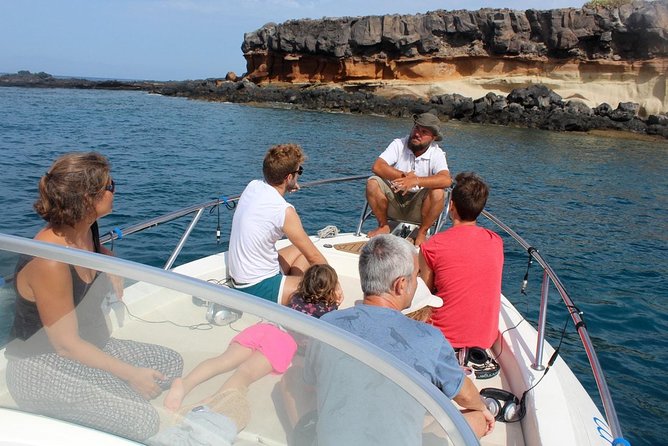
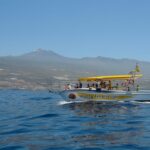
You’ll go out on the boat Papacho 2 with a maximum capacity of ten passengers. That number matters more than it sounds, because it gives the crew room to reposition carefully when animals appear, and it lets your guide answer questions without repeating the same answers every few minutes.
The other thing I like right away is that this isn’t sold as thrill-chasing. The whole goal is spotting cetaceans while keeping the animals’ natural rhythm intact.
You can also read our reviews of more tours and experiences in Tenerife.
Setting off from Costa Adeje: where the tour starts and how long it lasts
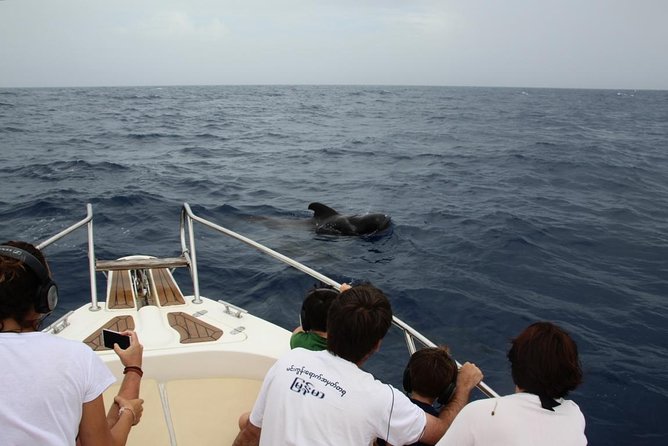
The meeting point is on Av. de Colón, 4, 38660 Costa Adeje (it’s back at the start when you return). The outing runs about 2 hours 30 minutes, and the pace is designed around time at sea rather than constant sprinting from one viewpoint to another.
You’ll get a mobile ticket, and confirmation comes within 48 hours of booking (as long as there’s availability). The tour runs in English, which makes it easier to follow the biology without needing a translation app.
One practical note: this area is busy in the morning, so give yourself a little buffer to find the exact pickup location and be ready at your scheduled time. A short delay can cut into the best part of the outing.
What you’re actually looking for out on Tenerife’s waters
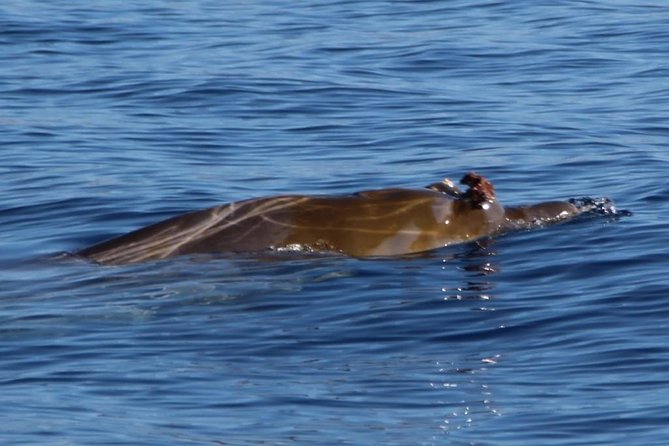
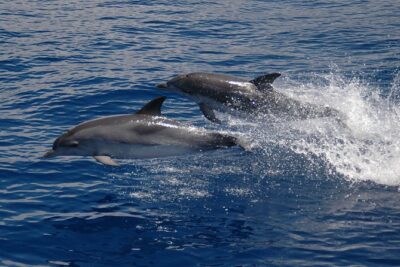
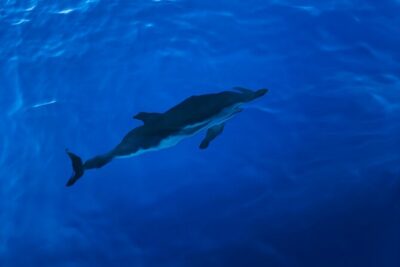
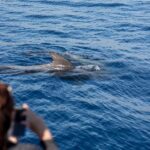
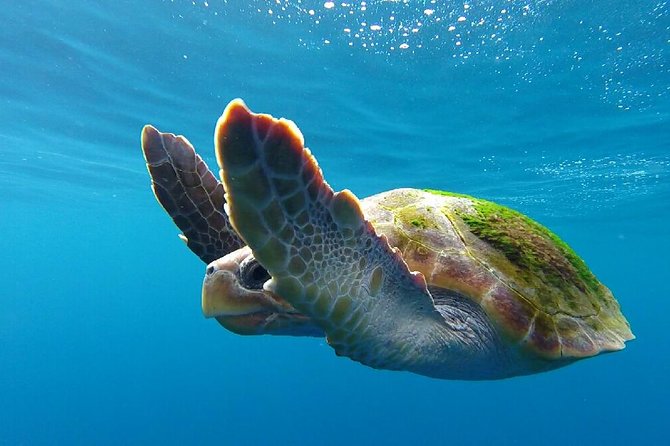
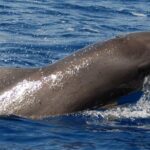
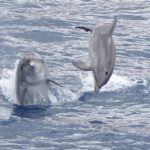
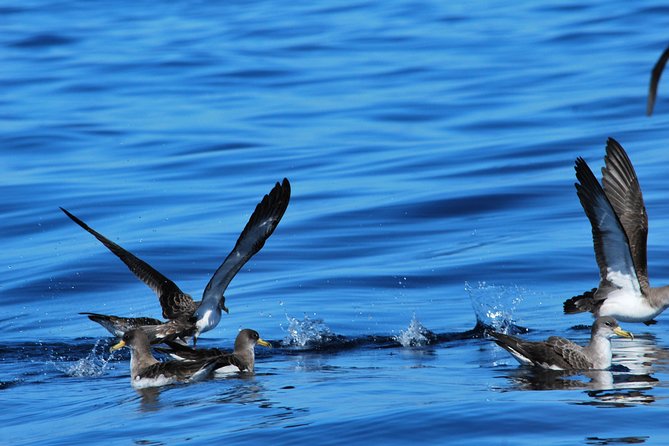
The tour focuses on cetaceans: whales, dolphins, and porpoises. You’ll also keep an eye out for sea turtles and seabirds, because the same marine conditions that bring cetaceans often bring other wildlife nearby.
In the most successful moments, you get to see multiple groups rather than just one passing fin. Some sessions include family groups—meaning you might see smaller members in the same pod or nearby pods—because the guide is matching sightings with known animal communities.
The key is that the crew doesn’t just announce a species name and move on. They explain the behavior you’re seeing and how the animals use the area for feeding, resting, and communication. That turns the trip from a checklist into a story you can track in real time.
The hydrophone moment: hearing whalesong changes everything
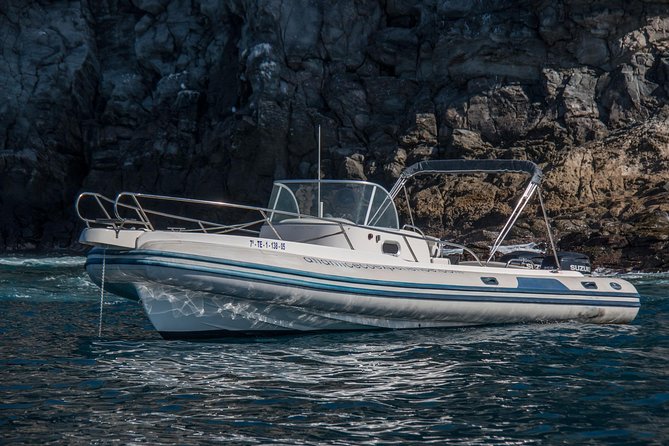
Watching a whale surface is one thing. Hearing the communication and hunting sounds through a hydrophone is something else entirely.
During the sighting, the boat completely switches off its engines. Then the hydrophone is launched so you can listen to sounds the animals use to communicate or to hunt. Even if you don’t know what you’re hearing at first, the guide frames it so it starts making sense.
This is also where the small-group setup helps. When fewer people are shouting and blocking each other’s view, the crew can manage the listening moment well—so you actually get quiet enough to focus.
Why the engine-off approach matters (for both wildlife and your trip)
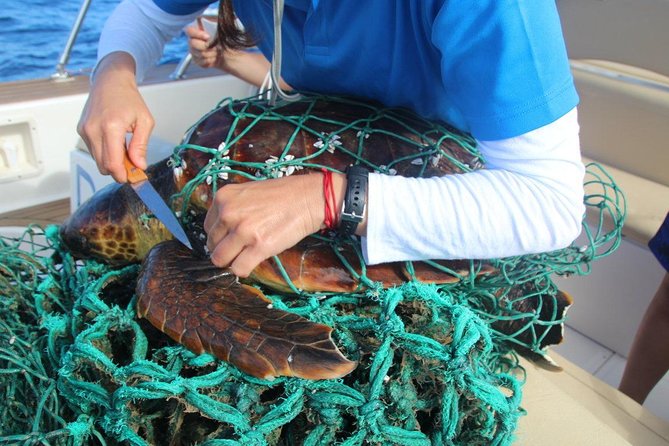
Quiet water isn’t just a feel-good detail. It’s part of responsible whale watching, and it improves your experience too.
Engines off means less disturbance for the animals during the time you’re trying to interpret their behavior. It also gives you a better shot at hearing what the hydrophone is picking up, because there’s less background noise from the boat.
There’s also a practical side: if you’re hoping for clear sightings right next to the route of the boat, the crew’s patience helps. In some outings, the boat coasts or holds in an area so the animals can come to the right distance without being chased.

The conservation talk is not just theory
The biologist on board covers the fauna you can find and the keys to conservation. That sounds broad until you realize you’ll be connecting it to what you’re seeing right now.
In plain terms, you learn how animals behave in this part of the ocean and why humans have to keep a respectful distance. You also learn what changes when boats crowd an area and when sound levels or engine activity overwhelm the animals.
One extra detail that shows up in some trips: guides may pause to collect plastic litter from the sea. It’s a reminder that conservation isn’t only about scientific facts—it’s also about small actions you can do in the field when conditions allow.
Your guide and skipper: David plus Mirna or Captain Claudine
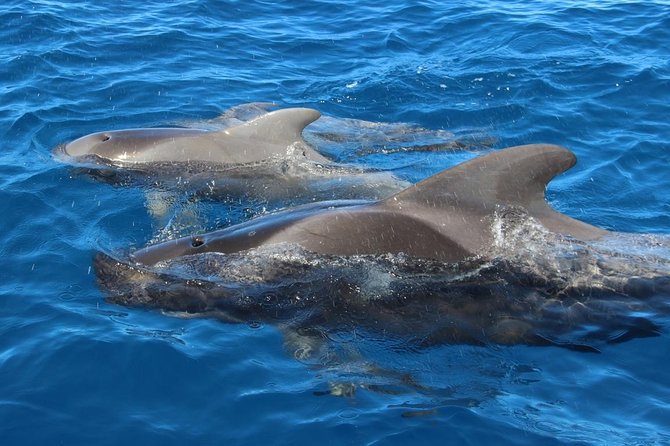
A big reason people rate this so highly is the team vibe. Biologist David is often mentioned for making marine biology understandable and fun, with a storytelling style that turns animal behavior into something you can picture.
Skippers like Mirna (also seen spelled as Myrna/Mirna in notes) are described as calm, attentive, and skilled at positioning the boat so the group gets great viewing without forcing the animals to deal with extra pressure. In some bookings, Captain Claudine is named as the captain, which tells you the experience can still stay consistent even with different crew combinations.
You may also get some cool “behind the scenes” tools: some guides use a photo catalogue to identify whale families from fin features, and they may share identification photos after the trip (sometimes via WhatsApp). If you like going home with more than just blurry phone shots, that’s a real plus.
What happens during the 2.5 hours (a realistic flow)
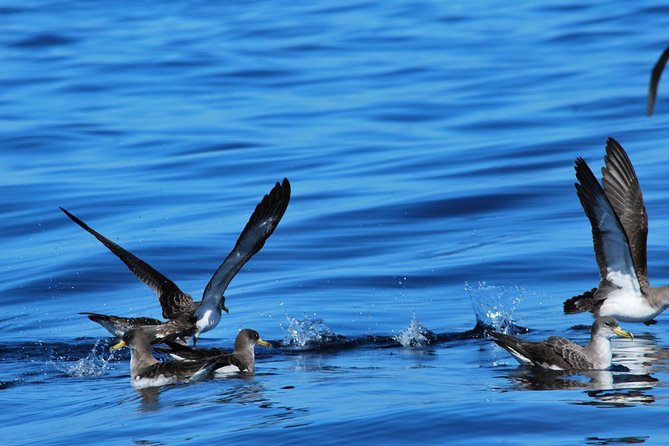
The trip is built around the search, the approach, and the listening/sighting window. You’ll leave on the agreed time, cruise the Tenerife coast looking for marine life, then slow down and reposition when cetaceans appear.
When you reach a sighting, the boat’s behavior shifts: engines off, hydrophone out, and the guide’s explanations become more specific. This is when you’ll focus on behavior—how animals surface, how groups move, and how communication might sound different from one moment to the next.
For most people, the most memorable parts are the quiet moments: floating near the action so the animals surface around you, not just through you. That’s also when the hydrophone listening feels most effective.
Price and value: what you get for $71.35
At $71.35 per person for about 2 hours 30 minutes, the price isn’t cheap, but it doesn’t feel inflated for what’s included.
You’re paying for:
- A small group size (max 10), which improves both viewing and interaction
- A marine biologist guide on board
- A hydrophone and the engine-off sighting method
- A conservation-focused approach rather than speed-chasing
If you compare it to big-boat whale watching (which can mean 100+ people and less control over noise and positioning), the value makes more sense. Here, your attention stays on the animals, not the crowd.
Also, the experience seems designed for repeat visits. If you want to come home with a stronger understanding of what you saw, this format does a better job than random spotting.
Comfort tips for a Tenerife morning at sea
Tenerife sun can be intense even when you’re out on the water. Plan on being in open light for a long stretch.
Bring:
- Sun protection (hat, sunglasses, sunscreen)
- Water (it can feel hot out at sea)
- Motion-sickness help if you’re sensitive
One guest note that’s worth taking seriously: if you usually get travel sickness, take your tablets beforehand. Even if the boat feels steady, waves and open water can still set off nausea for some people.
Also, there’s often a cold drink served toward the end, and some trips include access to a toilet below deck. It’s not a long excursion, but these little comforts make the time feel smoother.
Who should book this eco cetacean sighting tour
This tour fits best if you want:
- A quiet, respectful wildlife experience rather than speed and noise
- Real explanations from a marine biologist, not just species spotting
- A higher chance of good viewing thanks to a small group
- The chance to hear whalesong through a hydrophone
It’s a strong match for families too, including children who need active attention. The group size and guide style help keep the experience on track for all ages.
If you want a party atmosphere, loud music, or a big-photo-op circus, this is likely not the right vibe. The focus is biology, listening, and respect for animal space.
Should you book Atlantic Eco Experience in Costa Adeje?
I’d book it if you can handle open water and you want your whale watching to feel more like field science than a theme-park show.
The biggest reasons to choose it are practical:
- Small-group format makes the experience feel personal
- The hydrophone plus engine-off approach gives you a rare layer of understanding
- The crew’s conservation-first method helps the whole outing stay calm and controlled
If you know you get seasick easily, plan for that before you step on board. Otherwise, this is one of the better ways to spend a half day in Tenerife: you’ll come back with memories that aren’t only visual.
FAQ
Where is the meeting point for the Costa Adeje cetacean tour?
The tour starts at Av. de Colón, 4, 38660 Costa Adeje, Santa Cruz de Tenerife, Spain, and it ends back at the same meeting point.
How long is the eco whale watching tour?
It runs for approximately 2 hours 30 minutes.
What is the group size?
The boat operates with a maximum capacity of ten travelers.
What language is the tour offered in?
The experience is offered in English.
Do I get a mobile ticket?
Yes, the tour provides a mobile ticket.
Is a hydrophone included during the tour?
Yes. During the sighting, the crew launches a hydrophone so you can listen to the sounds animals use to communicate or hunt.
Do they turn off the boat engines?
Yes. During the sighting, the boat’s engines are switched off to avoid disturbing the animals.
What marine animals might you see?
You can keep an eye out for whales, dolphins, and porpoises, and the tour also looks for sea turtles and seabirds.
What happens if the weather is poor?
This experience requires good weather. If it’s canceled due to poor weather, you’ll be offered a different date or a full refund.
How does cancellation work?
You can cancel for free up to 24 hours in advance for a full refund. Changes made less than 24 hours before the experience start time aren’t accepted, and late cancellations are not refunded.