REVIEW · TENERIFE
Icod de los Vinos: Casa del Plátano Entry Ticket
Book on GetYourGuide →Operated by Casa del Plátano · Bookable on GetYourGuide
Bananas have a backstory, and this stop shows it in plain sight. Casa del Plátano pairs the old hacienda feel of Icod de los Vinos with a banana plantation walk that follows how fruit develops on the plants. I especially like that you get both the history and the on-the-ground growing process, and you even leave with a banana to eat. The only real drawback: it’s self-guided, so if you want live explanations (or French), you may be a little on your own.
This is a great use of time when you’re in Tenerife and want something hands-on that kids can actually understand. You move at your pace through explanation panels in English and Spanish, then you can browse the shop for Canarian banana products. With a 1-day ticket and last entry at 18H30, I’d plan it earlier rather than late.
In This Review
- Key things to know before you go
- Casa del Plátano: what you’re really visiting in Icod de los Vinos
- The $5 entry ticket: value when a banana is included
- Your self-guided flow: historic house, panels, and a plantation walk
- The plantation tour: what to look for on the plants
- Bananas in Tenerife: history meets cultivation
- Casa del Plátano architecture: why the building matters
- Varieties, souvenirs, and banana products in the shop
- Is it family-friendly? Yes, for a specific reason
- Timing tips: last entry at 18H30 and how to plan your day
- Should you book Casa del Plátano?
- FAQ
- What does the Casa del Plátano entry ticket include?
- How much does the entry ticket cost?
- Is the visit guided by a person, or self-guided?
- What languages are the explanations in?
- What time is the last entry?
- How long is the ticket valid?
- Are gourmet products included in the ticket price?
- Are there cancellation options?
Key things to know before you go
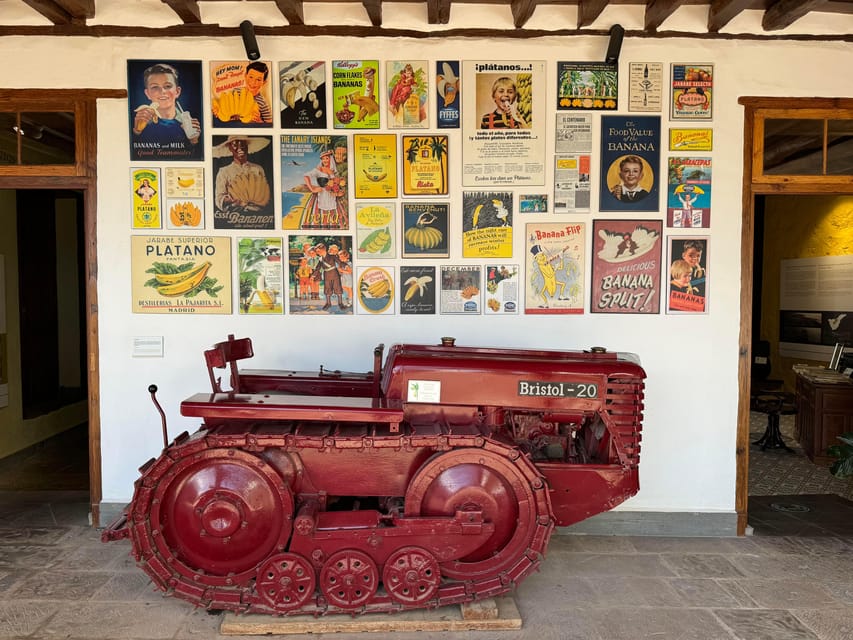
- Historic hacienda setting: You’re not just walking a plantation; you’re in an old house in Icod de los Vinos.
- Plant-by-plant learning: You’ll see bananas through growth stages and learn what makes them tick.
- Banana included: Your entry includes a Canarian banana (not just information).
- Multiple varieties: You can spot different banana types and compare characteristics.
- Family-friendly pace: It’s self-guided but structured enough that kids usually stay interested.
Casa del Plátano: what you’re really visiting in Icod de los Vinos
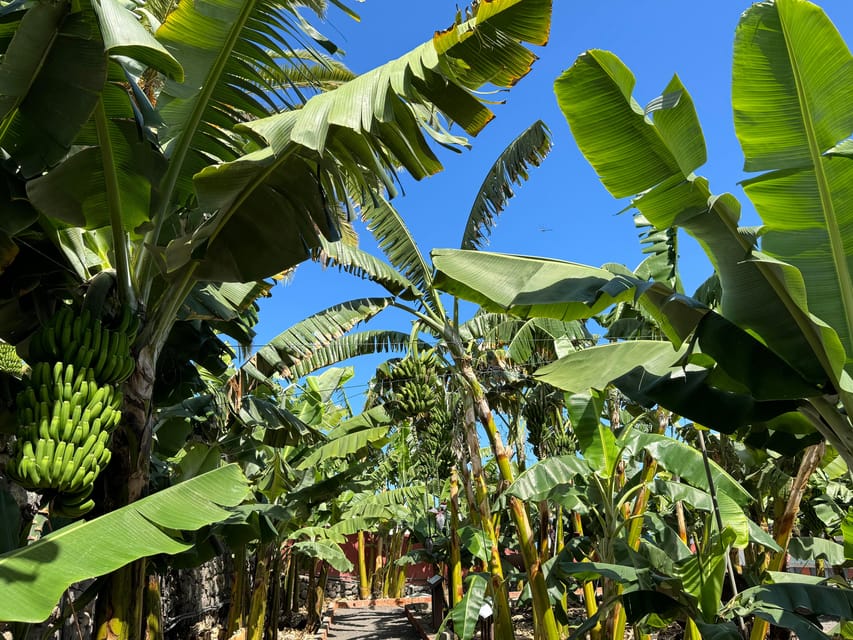
Casa del Plátano is one of those Tenerife stops that sounds simple until you’re there and realize how much meaning fits into one ticket. You’re in Icod de los Vinos, and the experience is built around an old hacienda-style house tied to the Canaries’ main crop: bananas.
The best part is the mix. You get the setting first—the architecture and the sense of place—then you move into how bananas actually grow. It’s not a poster museum. It’s a small tour experience with visible plants and readable information that explains what you’re seeing.
Also, this place has a strong track record. The experience is rated 4.7 with 213 reviews, and the repeated theme is that it covers what most people want: history plus cultivation, without wasting your time.
You can also read our reviews of more tours and experiences in Tenerife.



The $5 entry ticket: value when a banana is included
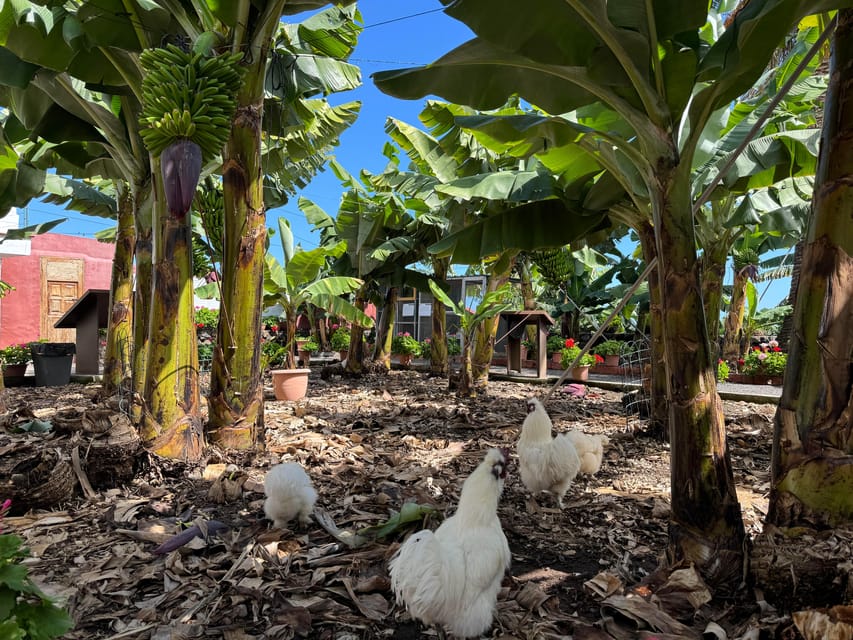
At about $5 per person, the headline value is straightforward: the ticket includes entry and a Canarian banana. For many sightseeing options in Tenerife, you pay for the information and then pay again for anything edible. Here, the ticket itself has a small food payoff.
You’re also buying a full 1-day validity window, which matters because this is a self-guided experience. You can fit it into your day without feeling like you need a strict schedule. If you’re traveling with family, that flexibility is a big deal.
One more value angle: it’s structured enough for adults, but it isn’t too technical. You’re learning about characteristics, history in Tenerife, and how cultivation works, without needing a degree in agriculture. The included banana gives you a built-in moment to taste what you learned about afterward.
Your self-guided flow: historic house, panels, and a plantation walk
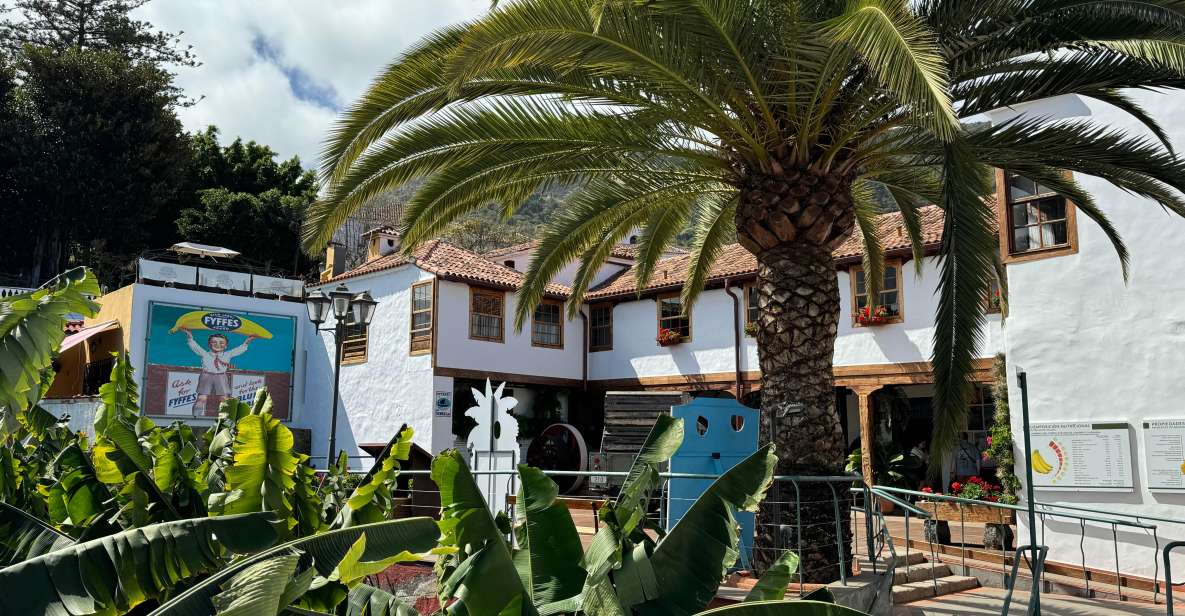
This is a self-guided visit. That means you won’t be following a group leader. Instead, you’ll wander through spaces with explanation panels in English and Spanish, taking in the information as you go.
Here’s the practical flow you should expect:
First, you start at Casa del Plátano, the old hacienda in Icod de los Vinos. You’ll spend time with the explanation areas and the building itself. This is where the story of bananas in Tenerife gets placed into context.
Next comes the part most people remember: the tour of an authentic banana plantation. The goal here isn’t just to see banana plants—it’s to understand how fruit forms and matures. One review specifically called it like a museum of banana cultivation, with reading that matches what you can see on site.
Then, you wrap up by looking at different banana varieties. After that, there’s the shop where you can buy local gourmet products made with Canarian bananas. Buying isn’t included, but you can browse and decide if you want to take a taste of the Canaries home.
Finally, you take your included banana. One review mentioned they were given one to eat, and it lines up with what’s included with your ticket.
The plantation tour: what to look for on the plants
If you’re the type of traveler who likes to understand how something works, this is where the experience earns its place. The plantation portion is designed around banana cultivation as a process, not a single snapshot of green leaves.
What you should pay attention to while you’re there:
- Growth stages on the plants. The experience is set up so you can read about how bananas develop and then look for that same stage in front of you.
- How bananas form. One review mentioned the process of formation and maturation—exactly the kind of practical agriculture info that sticks better when you can point at the plant.
- Small scale vs big imagination. Some people note that there are fewer plants than they might expect, which can make the visit feel more intimate than grand. If you’re hoping for a huge industrial plantation scene, manage expectations and treat it like a focused teaching plot.
This is also why the self-guided format works. You can linger at the panels that match what you’re seeing, then move on when the stage makes sense. If you rush, you’ll miss the connections. If you take your time, it becomes a real learning walk.
Bananas in Tenerife: history meets cultivation
You’re not just getting a biology lesson. The experience is also about the history of bananas in Tenerife and their role as the main crop of the Canary Islands.
The way this usually lands for visitors is simple: the history explains why banana growing mattered, and the plantation walk shows how the crop actually behaves. That combination makes it easier to remember details because the story and the sight line up.
This is a good match for adults who like cultural context and for kids who need visual hooks. The panels are in English and Spanish, so you can read the story as you go rather than relying on a live talk.
One small caveat: language coverage appears to be English and Spanish through the explanation panels. If you want French explanations, keep in mind that at least one review flagged that French wasn’t available. That doesn’t make the experience unusable, but it affects how comfortable you’ll feel reading on your own.



Casa del Plátano architecture: why the building matters
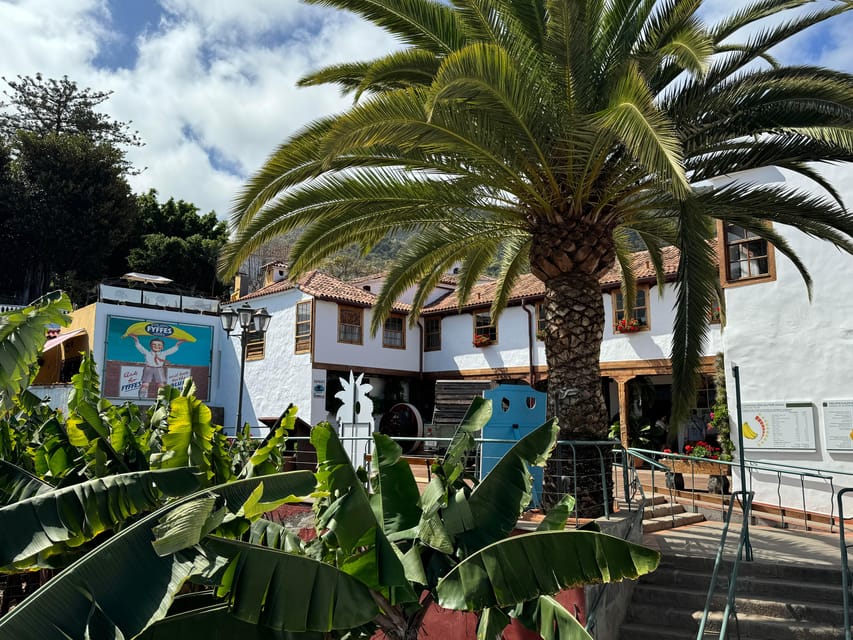
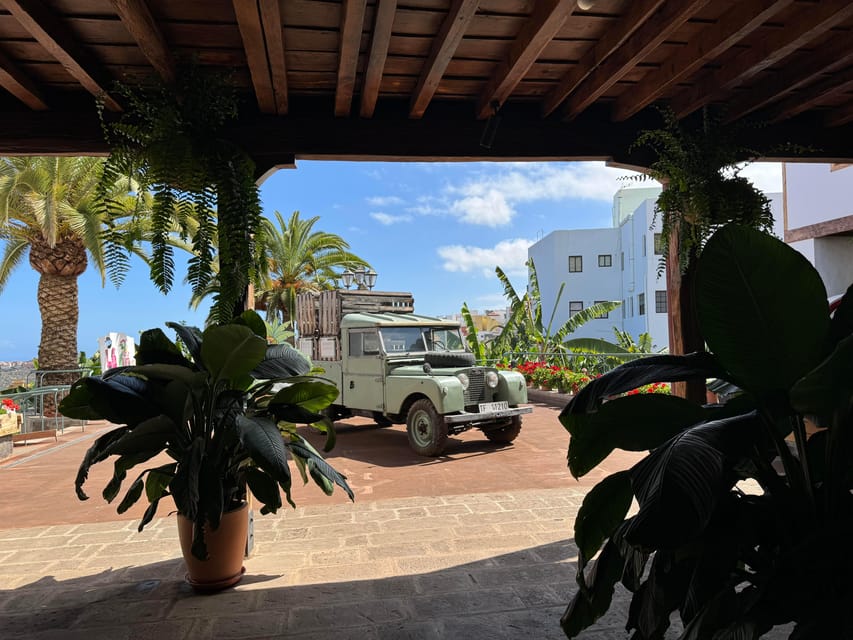
The house is part of the lesson. Casa del Plátano isn’t just a ticket desk and a path to plants. It’s an old hacienda in a famous village, and the architecture helps you understand banana growing as something tied to real work and real estates.
I like experiences where the setting does more than look pretty. Here, the historic house framing makes the banana story feel grounded. You aren’t imagining Tenerife’s banana past from a distance—you’re moving through the kind of structure that would have supported agricultural life.
It also helps that you can explore at your own pace. If you’re not in a museum mood, you can focus on the plantation portion. If you want context, you can spend more time reading and absorbing the building’s story.
Varieties, souvenirs, and banana products in the shop
After the plantation section and the variety viewing, you can visit the shop. The ticket doesn’t include purchases there, but you can buy local gourmet products made with Canarian bananas.
This is worth treating like a tasting and gift stop, not a requirement. Ask yourself two questions:
- Do you want a food memory from Tenerife?
- Are you the type who actually uses specialty products at home?
If yes, this is the moment to pick something small. If not, you can browse quickly and spend your time on the cultivation and learning parts, which are the main draw.
Is it family-friendly? Yes, for a specific reason
This visit works well with kids because it’s concrete. There’s a living crop to look at, and there are readable panels that explain what you’re seeing. You’re not sitting through a long lecture about agriculture. You’re walking among the plants, then learning what those stages mean.
Also, the included banana is a built-in reward. Kids tend to remember experiences that end with a taste. Adults like it too—because it connects the learning to something you can hold and eat.
If your family travels with mixed ages, this kind of self-guided stop is useful. You can slow down for questions and speed up when attention shifts.
Timing tips: last entry at 18H30 and how to plan your day
Your biggest timing constraint is the last entry at 18H30. Since this is self-guided, you don’t need to treat it like a clock-based tour. Still, you don’t want to arrive in a rush—especially if you like reading panels carefully.
A smart approach:
- Go earlier in your day if you want relaxed reading.
- Go later if you’re focused on the plantation walk and don’t need to linger with every panel.
If you’re squeezing in multiple things around Icod de los Vinos, treat Casa del Plátano as a flexible middle stop. It’s not just a quick photo stop, but it also doesn’t demand half your day the way bigger attractions can.
Should you book Casa del Plátano?
Book it if you want a short, low-cost Tenerife experience that mixes banana history with a real plantation visit. The included Canarian banana makes it feel tangible, not just instructional. It’s also a solid pick for families, since kids get visual, step-by-step learning and a snack payoff.
Skip it or rethink it if you’re expecting a massive production-style farm with lots of space and a huge number of plants. Some visitors describe the plantation as small, more like an educational plot than a giant operation. And because it’s self-guided with panels mainly in English and Spanish, you’ll want to be comfortable reading as you go.
If you like practical, hands-on learning experiences—this one fits.
FAQ
What does the Casa del Plátano entry ticket include?
The ticket includes entry to Casa del Plátano and a Canarian Banana.
How much does the entry ticket cost?
The price listed is about $5 per person.
Is the visit guided by a person, or self-guided?
It’s self-guided. You’ll follow the experience at your own pace using explanation panels.
What languages are the explanations in?
The explanation panels are available in English and Spanish.
What time is the last entry?
Last entry is at 18H30.
How long is the ticket valid?
The ticket is valid for 1 day.
Are gourmet products included in the ticket price?
No. Purchasing gourmet products in the shop is not included.
Are there cancellation options?
Yes. There is free cancellation up to 24 hours in advance for a full refund.