REVIEW · TENERIFE
From Tenerife: Day Trip to La Palma Volcanic Landscapes
Book on GetYourGuide →Operated by Get Holiday · Bookable on GetYourGuide
La Palma hits hard fast—volcano views and real Canarian food in one day. I especially love the Palmero lunch near Tazacorte beach and how guides like Rosie translate eruption impacts into something you can picture, not just facts. The main trade-off is the pace: an 11-hour day with a long ferry crossing and several viewpoints, so you’ll want to go in ready for a full itinerary.
Getting there and back is the backbone of this trip. You meet at the Fred Olsen desk in Los Cristianos, then the ferry takes about 2.5 hours each way, so you spend a decent chunk of your day on the water. Once you land on La Palma, the group shifts smoothly into bus time and short stops, with a live guide and an air-conditioned ride.
This is a smart fit if you want volcano education plus classic town wandering without needing a car. It also helps that the tour runs with live guiding in English, Spanish, German, and Dutch, depending on the day. If you hate long days or you need lots of free time, you might find the schedule a bit tight.
In This Review
- Quick hits: what makes this La Palma day trip worth it
- Ferry first, volcano second: why this 11-hour format works
- From Los Cristianos to La Palma: check-in and timing you should plan for
- Santa Cruz de La Palma: Columbus links and the Castle of Santa Catalina
- Mirador de la Concepción and the Caldereta crater stop
- Caldera de Taburiente National Park: where geology turns into scenery
- Cumbre Vieja and Tacande: seeing eruption impact in a controlled way
- Tazacorte and the youngest lava flows: lunch that feels like part of the lesson
- After lunch: lava cliffs and the Tajuya viewpoint for the 2021 volcano
- Guides and driving: what you’ll want to look for on the day
- Pace and comfort: what to pack mentally and physically
- Price and value: why $153 can make sense from Tenerife
- Who should book this La Palma volcanic trip?
- Should you book? My take
- FAQ
- How long is the La Palma day trip?
- Where do I meet the tour on Tenerife?
- What is included in the price?
- Do I need hotel pickup?
- What do I need to bring?
- Are pets allowed?
Quick hits: what makes this La Palma day trip worth it
- A close-up lunch by Tazacorte with local Palmero dishes right near the coast
- Real volcanic context, from Caldera de Taburiente to Cumbre Vieja’s impact areas
- Santa Cruz de La Palma highlights, including the Castle of Santa Catalina
- Stops with viewpoints like Mirador de la Concepción and Tajuya for eruption-era photos
- A ferry-to-bus plan that works even if you don’t drive on the islands
Ferry first, volcano second: why this 11-hour format works
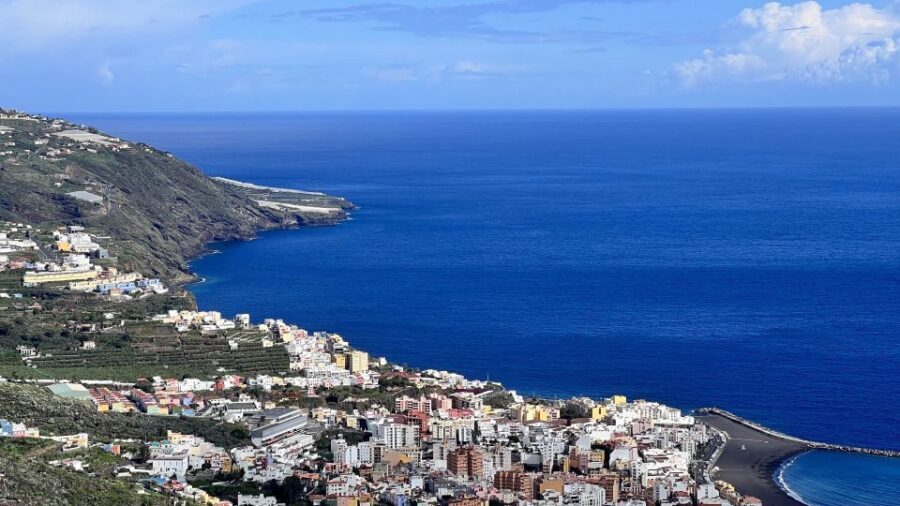
This isn’t a slow, wandering art-and-cafés kind of outing. It’s built like a field trip: ferry over, bus around, guided stops, lunch, more scenery, then back to the port before evening. That sounds intense, but it’s exactly what makes it good value from Tenerife. You’re getting two islands’ worth of “wow” without committing to a multi-day La Palma stay.
The payoff is that you get a clear storyline. You start with the capital’s landmarks, then you move into volcanic systems and land shaped by eruptions. By the time you reach the youngest lava zones and the newest volcanic activity, you understand what you’re seeing—and why it looks the way it does.
There’s also a practical bonus: the tour includes ferry, lunch, park entry authorization, a guide, and bus transportation. When you’re coming from Tenerife, that package structure matters. Otherwise, you’d be piecing together transport plus guiding plus entry and hoping the timing lines up.
You can also read our reviews of more tours and experiences in Tenerife.
From Los Cristianos to La Palma: check-in and timing you should plan for
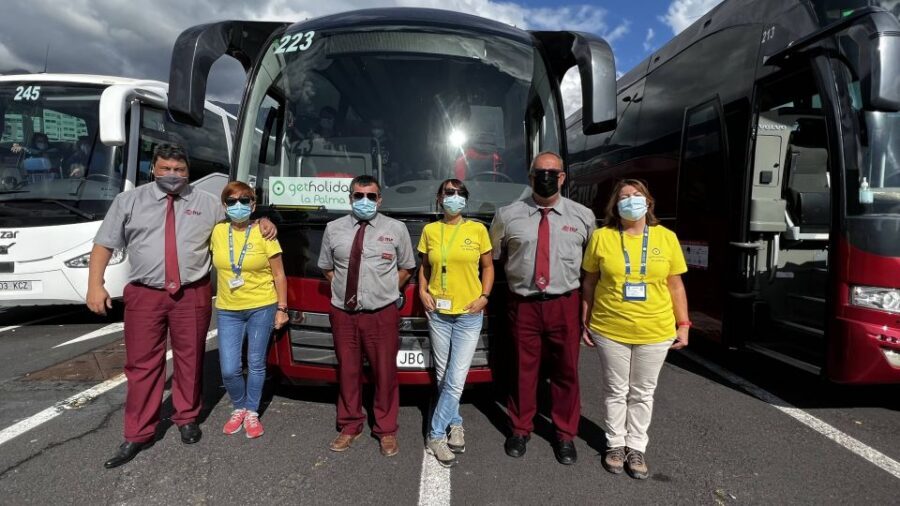
Your day begins at the Fred Olsen Express office in the Puerto de los Cristianos area (Zona embarque B, Los Cristianos, Santa Cruz de Tenerife). You exchange your voucher at the desk and look for a guide wearing a yellow polo.
Once you’re on the ferry, expect a crossing of about 2.5 hours each way. That timing shapes everything. If you’re the type who panics about schedules, build in extra buffer before meeting time, because ferry departure windows can be strict.
On the boat, you can simply relax and take in the Atlantic views. The tour is designed so you don’t have to start sprinting right away. Still, if you’re prone to seasickness, it’s worth planning for it (bring what works for you, since the details of onboard amenities aren’t listed here).
After arrival in Santa Cruz de La Palma, you’re met and guided through the route. From there, it’s bus time plus viewpoint breaks. The bus is described as comfortable and air-conditioned, which is a big quality-of-life detail on an island day where temperatures and sun can shift quickly.
Santa Cruz de La Palma: Columbus links and the Castle of Santa Catalina
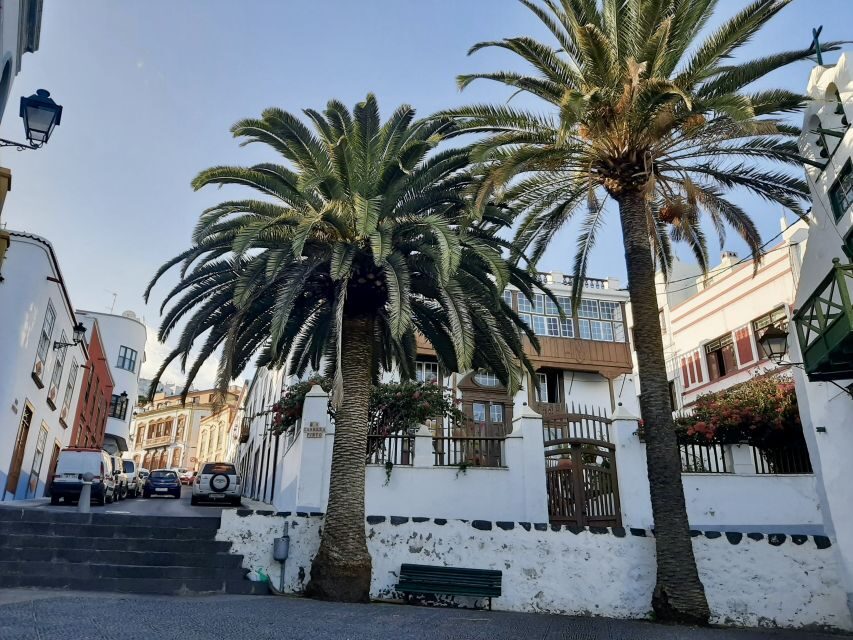
The first on-land phase focuses on the capital, Santa Cruz de La Palma. This is the part that helps the volcanic scenery feel grounded, not random.
You’ll see a reproduction of Christopher Columbus’ ship, the Santa María, at the Ship of the Virgin area. The point isn’t just a photo stop—it’s the reminder that La Palma sits on routes tied to the Age of Exploration, which helps you understand why the next landmarks matter.
Then you’ll visit the 17th-century Castle of Santa Catalina, an important outpost on the route to the Americas. Even if you’re not a museum person, a castle stop works well on this tour because it’s a quick anchor for the island’s role in maritime history and defense.
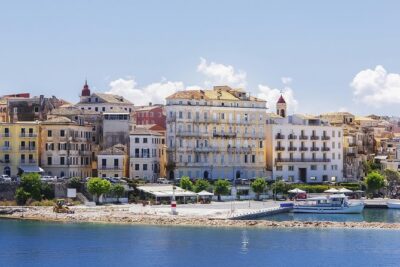
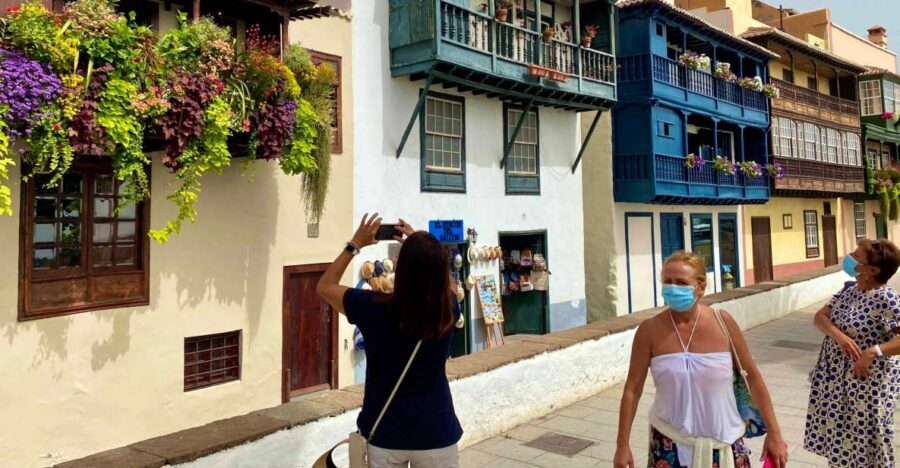
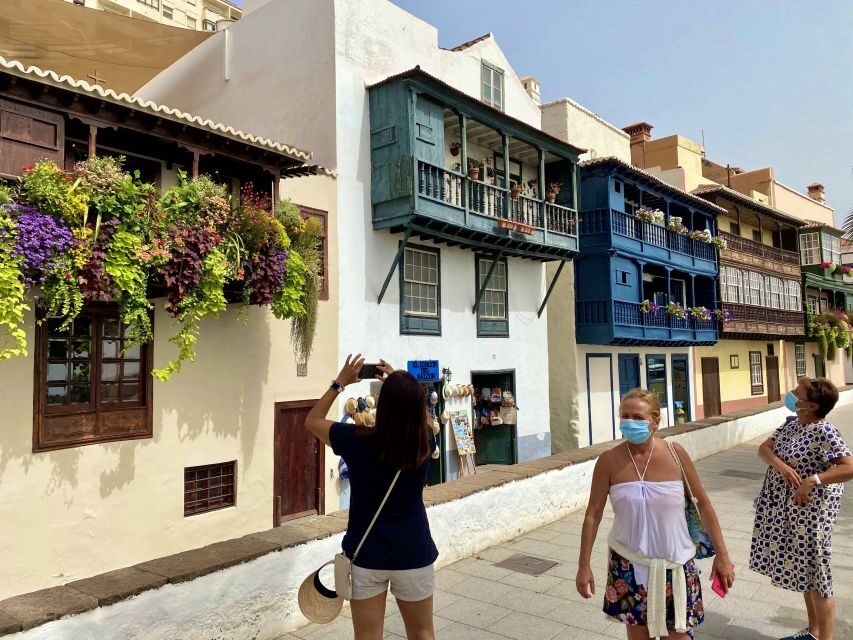
You’ll also pass traditional houses with Canary-style balconies. These details are the charm factor of the day: volcanic islands still have streets, homes, and a living town. It’s the contrast that makes later lava views hit harder. When you’ve seen the architecture, you’re better able to picture how people built and rebuilt as the land changed.
Mirador de la Concepción and the Caldereta crater stop
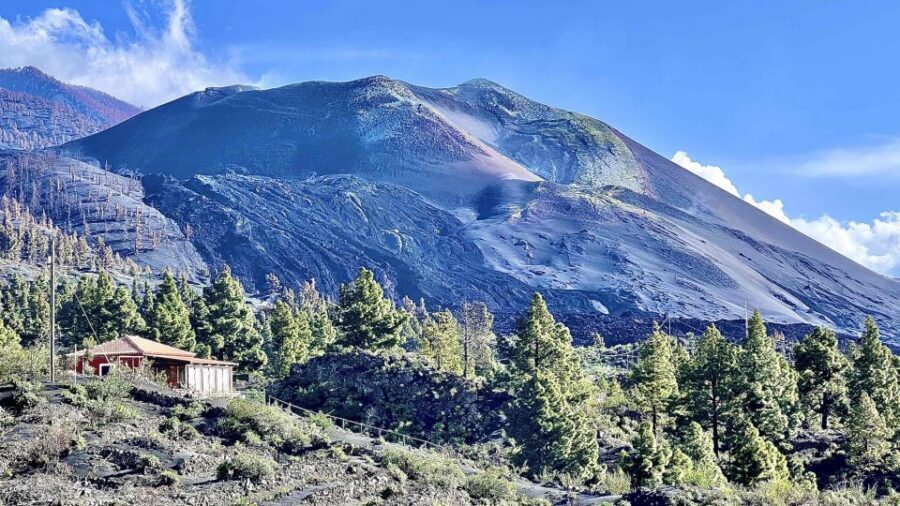
After town highlights, you head toward viewpoints that explain the island’s shape.
One key stop is Mirador de la Concepción, where you get broad views of the island and crater area. The tour then moves toward the highest part of the Caldereta volcano, giving you a vantage point that’s about understanding the terrain rather than just sightseeing.
This segment is valuable because it teaches “reading the island.” From far up, you can better connect what you saw in the city (gravity-defying cliffs, coastal edges, ridges) to why the island’s interiors look the way they do.
A practical note: viewpoint time often equals quick photos and short pauses. Wear shoes that work well for uneven ground, and don’t count on a long sit-down break.
Caldera de Taburiente National Park: where geology turns into scenery
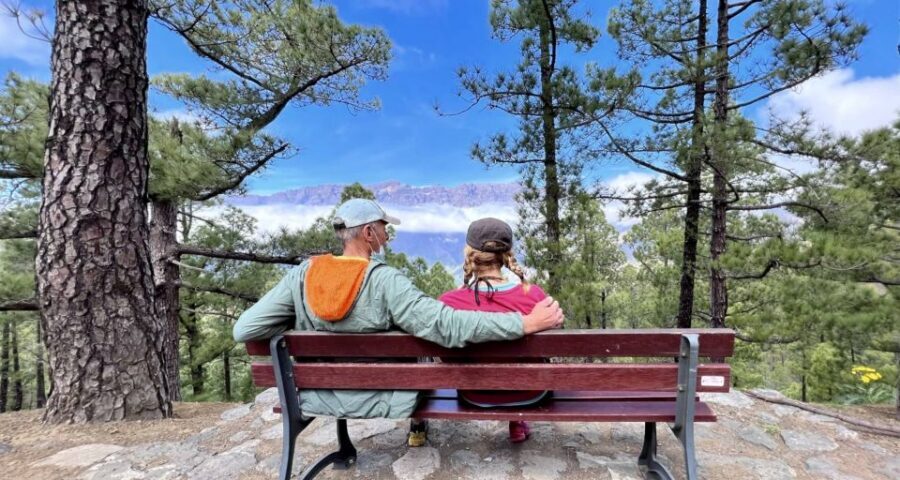
The itinerary includes a visit tied to La Caldera de Taburiente National Park, with entry authorization included. Caldera is basically a natural amphitheater, and that idea matters. It’s not flat nature—you’re in a landscape sculpted by volcanic forces and erosion.
What I like about placing this park visit in the middle of the day is the mental reset. After capital streets and viewpoints, the national park is where the geology feels more complete. You’re no longer “looking at spots.” You’re seeing how huge natural structure shapes everything around it.
Also, it helps you understand the vegetation changes the tour mentions on the drive toward a Time Tunnel area. When plants shift as you climb or change exposure, it’s a sign that the island’s climate and volcanic form vary quickly with elevation. Even without expert-level botany, you’ll get the idea.

Cumbre Vieja and Tacande: seeing eruption impact in a controlled way
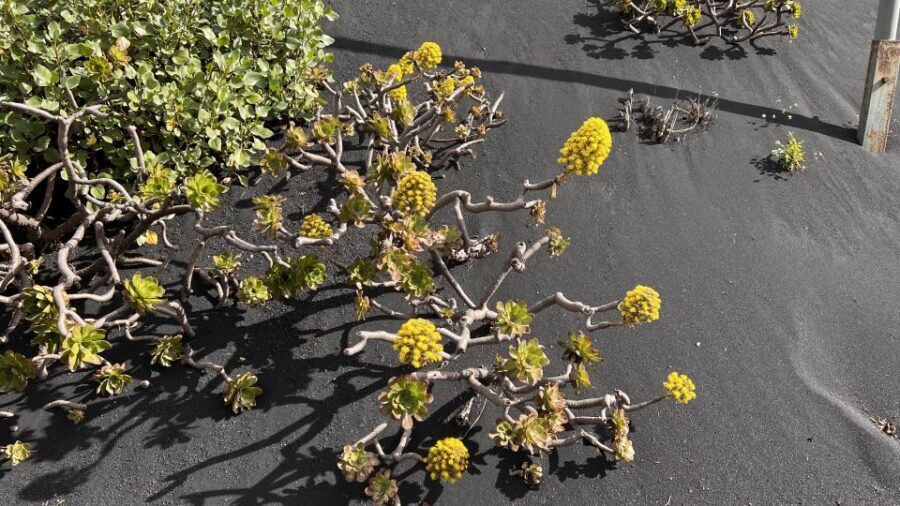
Then comes the part that explains why La Palma is famous (and why it’s treated with caution).
You’ll observe how the Cumbre Vieja volcano affected the local area and then head to the exclusion zone of the Tacande neighborhood for your first glimpse of the volcano. This isn’t staged entertainment. It’s a structured way to view the results of past events and understand the scale.
If you’re sensitive to the idea of disasters, this segment can feel intense. That’s normal. The tour’s value is that you’re not just looking at destruction—you’re being guided through context so the visuals make sense. When a guide connects what you see to what people lived through, it stops being shock content and becomes real geography.
Tazacorte and the youngest lava flows: lunch that feels like part of the lesson
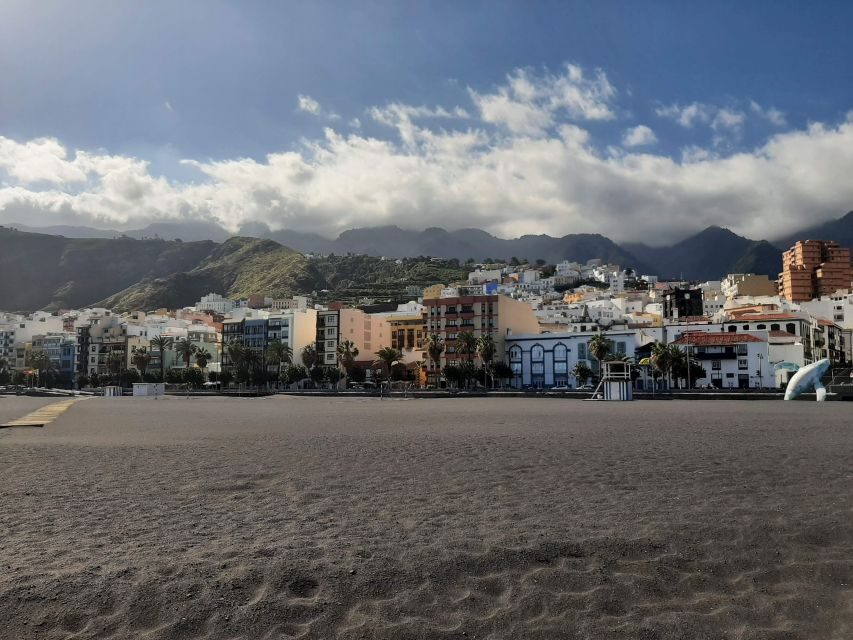
The tour’s most satisfying pairing is lunch plus geology.
You’ll head to Tazacorte, where you can see the youngest lava flows in Spain, plus lava-formed coastal cliffs later in the day. This is the kind of stop where you can almost feel the timeline in the rock color and edges, because younger lava tends to look sharper and more distinct than older surfaces.
Lunch is described as an authentic Palmero meal 10 meters from the stunning Tazacorte beach. That distance detail is meaningful. It means you’re not trapped in a far-from-the-action restaurant. You eat with the sea right there, which keeps the day from turning into nonstop bus-and-bite.
The lunch itself includes salad, bread, fish, potatoes, and cheese. It’s straightforward, local, and exactly the kind of meal that doesn’t distract from what you came for. You’ll get fuel, you’ll get a break, and you’ll still be close to the coastal setting.
After lunch: lava cliffs and the Tajuya viewpoint for the 2021 volcano
Post-lunch, the tour continues with a visit to lava-formed coastal cliffs. This helps tie the day together. You’ve seen the island’s volcanic story from viewpoints and zones inland; now you’re watching it at the edge where rock meets ocean.
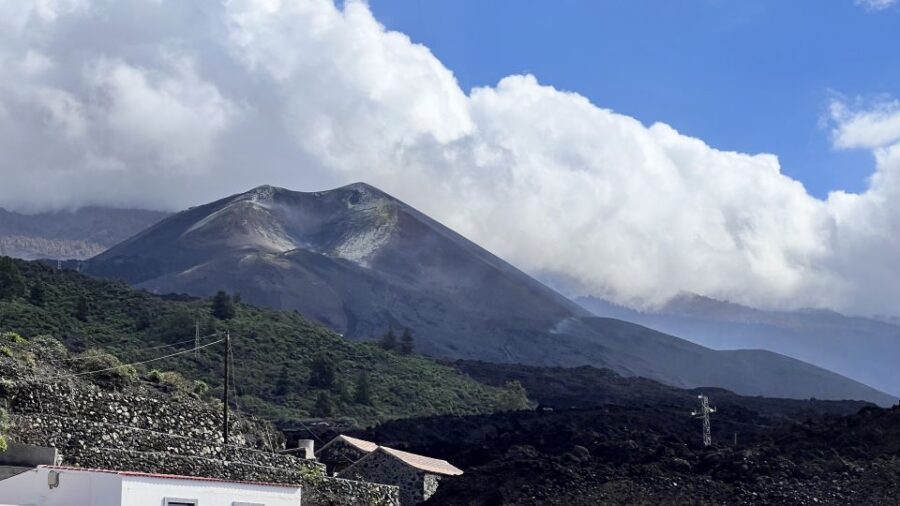
The final big photo moment is the Tajuya viewpoint, where you can witness the newest volcano in the Canary Islands formed in 2021. The tour specifically notes smoke curling from this newest volcano. That kind of visual indicator is why this end section matters: it’s not just learning about past events; it’s seeing active volcanic activity.
A reality check: volcanic smoke and visibility depend on weather. Your best move is to dress for shifting conditions and accept that your view might change as the afternoon progresses. Still, the viewpoint is the right place to wrap up the day because it puts the story’s latest chapter in front of you.
Guides and driving: what you’ll want to look for on the day
A big part of enjoying a packed day like this is how the guide handles questions and pace.
In real outings, guides such as Rosie and Carmen have been mentioned as knowledgeable and attentive, and they’ve focused on volcanic eruption impacts, island culture, and answering questions. You’ll also see different driving styles depending on the bus driver, but safety and careful driving are clearly part of the standard here—names like Domingo and Angel have come up as drivers who handled the route smoothly.
When you board, pay attention to the yellow polo guide lead. If you’re not sure where to stand or when to move, ask early. One strong detail from the tour experience is that the team can handle emergencies better than you’d expect—there was an example of someone arriving late and still getting helped to catch the ferry on time.
That kind of practical care makes a big difference on island days, where delays happen.
Pace and comfort: what to pack mentally and physically
This is an 11-hour day trip. That means you should pack for a “marathon, not a stroll” mindset.
Practical considerations:
- You’re doing ferry time plus bus time plus several viewpoint stops, with lunch in the middle.
- Wear comfortable shoes for quick transitions around viewpoints and coastal areas.
- Bring your passport or ID card, since that’s explicitly required.
- Pets aren’t allowed on this tour.
- Expect that you’ll be outdoors for parts of the day, so plan for sun and changing cloud.
Also, skip the idea of squeezing in extra plans the same day. The ferry return is part of the schedule, and once you’re back on Tenerife, you’ll be glad you didn’t overbook.
Price and value: why $153 can make sense from Tenerife
At about $153 per person, you’re paying for a lot of logistics:
- Round-trip ferry from Tenerife to La Palma (with about 2.5 hours each way)
- Guide for a full-day narrative
- Bus transportation once you’re on the island
- Lunch at a local Palmero spot near Tazacorte beach
- National park entry authorization
If you’re traveling without a rental car, that bundled structure is often what makes the difference. The cost looks reasonable because the two biggest time-and-money items—transport between islands and day-long guiding—are already included.
The only way this price feels off is if you only want one or two stops. This tour works best when you like variety and want a structured route that covers capital sights, national park views, and volcano aftermath.
Who should book this La Palma volcanic trip?
This day trip is a great choice for:
- First-timers to La Palma who want a guided plan without hiring a private driver
- People who want both town charm and volcano education
- Anyone staying in Tenerife who doesn’t want to commit to multiple nights on La Palma
It may feel less ideal if:
- You dislike long days or don’t want ferry time (about 2.5 hours each way)
- You want lots of free time for slow wandering and shopping
- You’re sensitive to seeing eruption impact zones, even with a guided explanation
Should you book? My take
I think this is a smart booking if you want one day that actually teaches you how La Palma’s volcanic activity reshaped the island. The mix of Santa Cruz de La Palma landmarks, Caldera de Taburiente, eruption impact areas, and the newest volcano viewpoint creates a story arc that’s hard to replicate on your own without serious planning.
If you’re willing to handle a full schedule, you’ll come away with the feeling that you saw the island in chapters—not just random scenic stops. For a Tenerife-based trip, it’s one of those rare tours that matches time to payoff.
FAQ
How long is the La Palma day trip?
The duration is 11 hours.
Where do I meet the tour on Tenerife?
Meet at the Fred Olsen desk to exchange your voucher at the Fred Olsen Express office in Puerto de los Cristianos (Puerto de los Cristianos Zona embarque B, 38650 Los Cristianos, Santa Cruz de Tenerife). The guide will wear a yellow polo.
What is included in the price?
It includes ferry, lunch, a guide, bus transportation, and national park entry authorization.
Do I need hotel pickup?
No. Hotel pickup and drop-off service is not included.
What do I need to bring?
Bring your passport or ID card.
Are pets allowed?
No, pets are not allowed.