REVIEW · MENORCA
GUIDED TOUR + TASTE IN A MUSHROOM FARM
Book on GetYourGuide →Operated by Bolets de Menorca - Sa Cuina de Sa Sinia · Bookable on GetYourGuide
You step into an indoor forest and learn mushrooms. This 2-hour guided experience at Bolets de Menorca (Sa Cuina de Sa Sinia) mixes mycology basics with a full facilities tour and an end-of-tour mushroom tasting that changes how you think about fungi. I love how the guide keeps it clear and visual, using videos and images before you ever walk through the growing rooms. I also love the payoff: you don’t just hear about mushrooms, you taste them in original, island-style preparations.
One thing to consider: it’s 100% indoor, so if you’re craving an outdoor foraging hike, this won’t scratch that itch.
In This Review
- Quick highlights you’ll care about
- Menorca’s mushroom farm feels like an indoor adventure
- Getting oriented: mycology basics before you walk
- Inside the facilities: lab, production areas, and the indoor forest
- The workshop stop: where science meets food
- What you actually taste: one product with unusual elaborations
- Price and value: is $23 for 2 hours really fair?
- Who this is perfect for (and who might not love it)
- Practical tips so your visit goes smoothly
- Should you book this mushroom farm tour?
- FAQ
- How long is the guided tour and tasting?
- What is included in the price?
- Is the tour indoors?
- What languages are the live tours in?
- Is wheelchair access available?
- Can I cancel for a refund?
Quick highlights you’ll care about
- Menorca’s only mushroom farm experience: You get to see how a year-round process actually works.
- Mycology 101 first: You start with explanations using videos and images, so the facility walk makes sense.
- The indoor forest segment: The tour includes an indoor forest area as part of the route.
- From lab to workshop: You see the chain from laboratory and production areas to the elaboration workshop.
- A guided tasting with island pairings: You taste one product made through unusual elaborations, plus included drinks.
Menorca’s mushroom farm feels like an indoor adventure
Menorca has a reputation for being a place where mushrooms deserve attention. This tour takes that idea seriously. You’re not visiting a small display room. You’re walking through an active operation where fungi are cultivated throughout the year, then turned into food.
What makes it interesting for you is the structure. The experience starts with mycology context, so when you see growing spaces and production steps, you understand what you’re looking at. Then the tour ends with a tasting that connects the science to something you can actually enjoy. It’s a smart flow: learn first, then eat.
Also, this isn’t just some casual hobby stop. The company behind it, Bolets de Menorca (Sa Cuina de Sa Sinia), is catalogued by SEGITTUR as one of the best agricultural experiences at national level. That matters, because it usually signals a well-organized way of presenting farm processes, not just opening the doors and hoping for the best. With a 5-star rating across 43 reviews, the odds are good the guide delivery and tasting are solid.
You can also read our reviews of more tours and experiences in Menorca.

Getting oriented: mycology basics before you walk
The tour is designed so you don’t need any background. Before you see production areas, you get a guided introduction to mycology. The guide uses videos and images to explain what takes place in nature and how mushroom cultivation fits into that bigger picture.
Here’s why that helps you. Without this primer, mushroom farming can feel like a tour of rooms and equipment with no story. With the intro, you start learning the logic behind what you’ll see next. You get the idea that fungi are living systems with specific needs, and cultivation is about controlling conditions enough to get consistent growth.
From the reviews, one pattern shows up clearly: guests liked that explanations are broken down into steps and presented in a way that feels easy to follow. That’s especially valuable if you’re traveling with someone who isn’t into science. You can still enjoy the walk because the basics are covered upfront, not left to guesswork.
Inside the facilities: lab, production areas, and the indoor forest
After the mycology intro, the tour moves into the working part of the operation. This is where you should pay close attention, because the route covers the full chain rather than stopping at one stage.
You’ll follow the process through three main zones:
- the laboratory,
- the production areas,
- and an amazing indoor forest segment.
The laboratory stop is important even if you’re not a technical person. It tells you where cultivation starts and why the early stages matter. You’re basically learning the behind-the-scenes logic: fungi don’t grow randomly, and the workflow is organized to keep things healthy and controlled.
Then you move through production areas, where the focus shifts from theory to practical execution. This is where your earlier mycology primer pays off. You’ll recognize that the rooms and steps are part of an overall process, not just separate tricks.
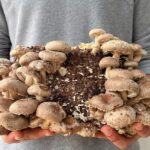
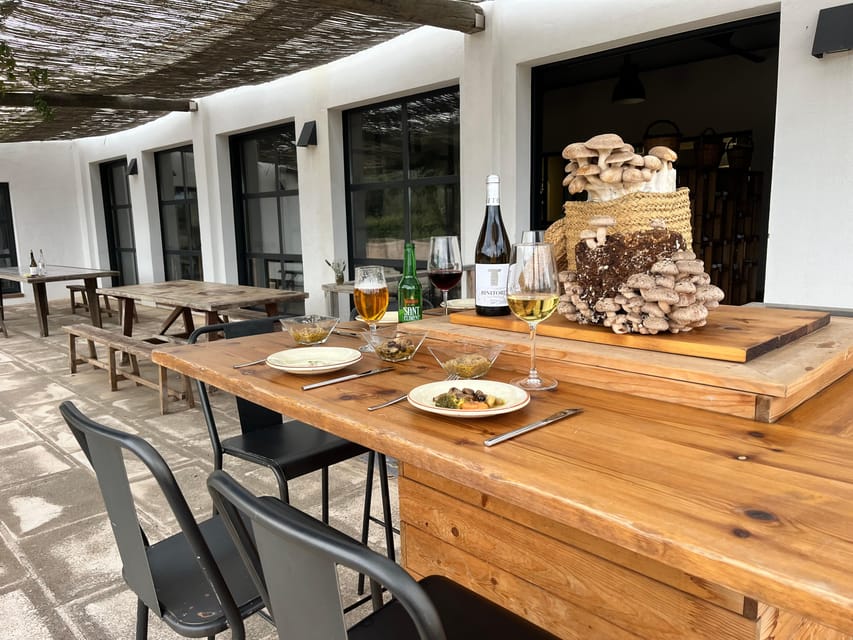
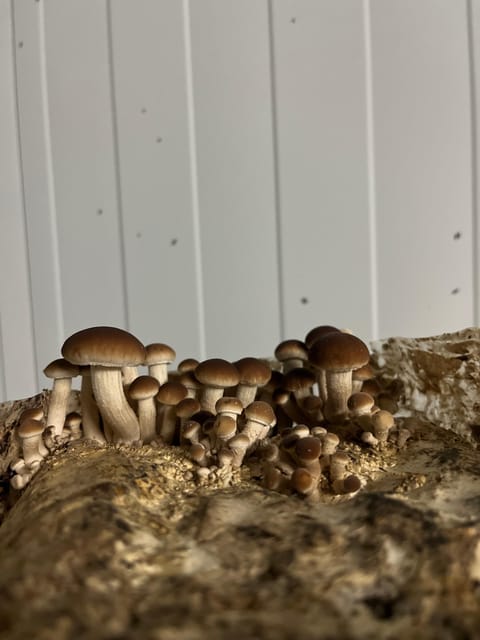
And then comes the indoor forest. Even though it’s still part of a working farm, it changes the mood. Instead of feeling like an industrial tour, the route has a more atmospheric quality. You can see how they create conditions that let mushrooms grow indoors, which is the key idea behind the whole experience. Reviews mention this indoor-forest part as a highlight, and it’s easy to see why: it turns the farm into something memorable, not only informative.
The workshop stop: where science meets food
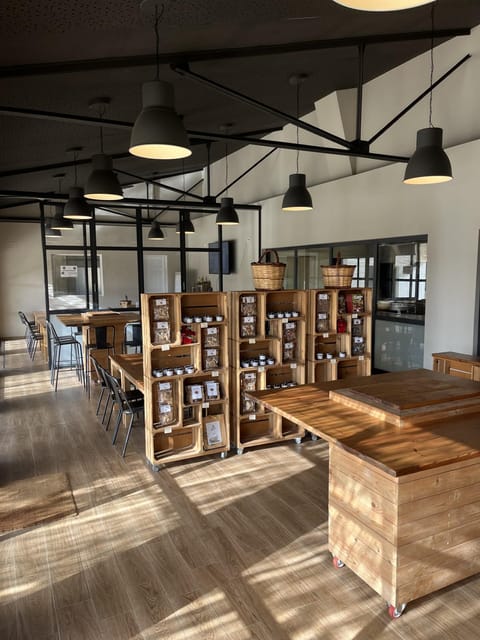
The tour doesn’t end when the mushrooms finish growing. You also go to the workshop, where you learn the processes of elaboration—how raw mushrooms get transformed into products.
This part is valuable because it helps you connect cultivation to cuisine. Many people love the idea of mushrooms, but they don’t realize how much work goes into turning them into consistent, flavorful food. The workshop segment explains that chain in a straightforward way, so you don’t feel like you’re watching random kitchen activity. It feels like the final step in the same story you started learning at the beginning.
If you’re the type who likes knowing where flavors come from, you’ll appreciate the clarity here. One of the most enthusiastic review comments highlights that the tour is especially informative if you want to grow your own mushrooms. Even if you don’t plan to grow anything at home, that style of explanation shows that the team is teaching real process, not just selling a product.
What you actually taste: one product with unusual elaborations
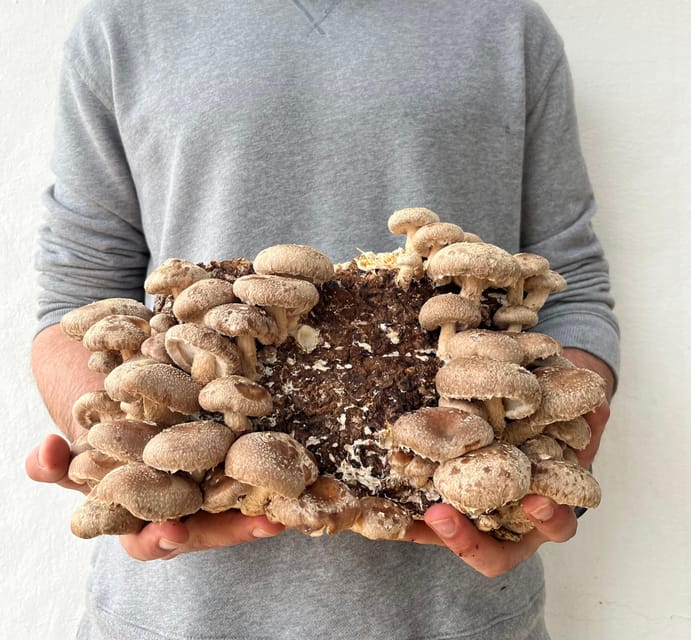
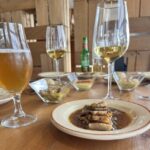
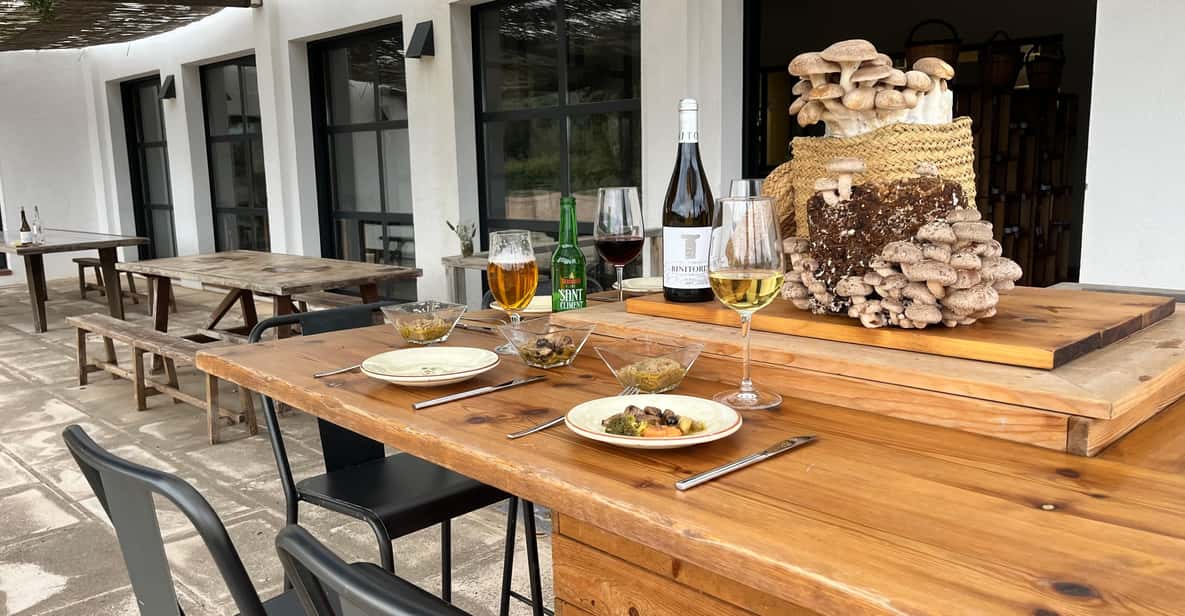
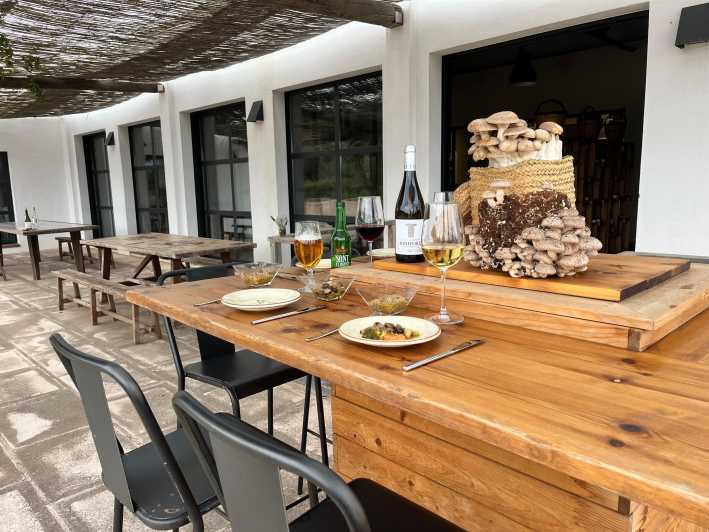
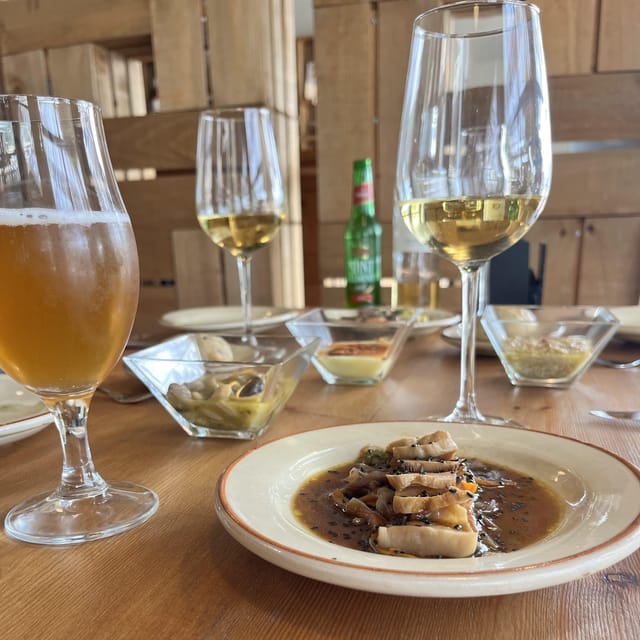
The end of the tour is the tasting. You’ll sample one product, prepared through original and unusual elaborations, and paired with other island products. That pairing detail matters. Mushrooms often taste earthy or savory by themselves, so the way they’re combined can make the biggest difference.
From guest feedback, the tasting can include things like mushroom and shrimp burgers. If you like bold flavor combos, this is a good sign. The burger example tells me the tasting isn’t trying to convince you mushrooms are good by serving them plainly. They’re aiming to show you mushrooms as the star in creative food formats.
You’ll also get included drinks: water, local soft drinks, local beer, and wine. That means you’re not paying extra just to make the tasting comfortable. It’s one of the practical ways the experience adds value: you’re encouraged to relax and focus on the flavors, not manage budget mid-taste.
A useful way to approach the tasting: try to notice textures and intensity, not just taste. Since you’ve just seen cultivation, you’ll likely pick up on how the product’s quality and preparation affect how the mushrooms come through.


Price and value: is $23 for 2 hours really fair?
At about $23 per person for a 2-hour guided tour with tasting, this can be a great value—especially on an island where experiences often end up pricier.
Here’s what you’re getting for the money:
- a mycology explanation (not just a quick chat),
- a guided tour of the facilities from lab to production to an indoor forest,
- a tasting of one product,
- and included beverages (water, local soft drinks, local beer, and wine).
The value becomes even clearer if you compare the experience to a typical museum-style presentation. This isn’t only viewing. It’s a working farm visit with explanations that tie each step together, plus food at the end. Food adds cost in real life, so the included tasting and drinks are part of why the price feels reasonable.
And since the experience is described as being catalogued as one of the best agricultural experiences at national level, you can reasonably expect an organized flow and a team that knows how to host.
If you’re on a tight schedule, the 2-hour duration is also manageable. You’re not losing half a day. It’s long enough for a real walk-through and a meaningful tasting, but short enough to fit into a port day or a relaxed afternoon.
Who this is perfect for (and who might not love it)
I’d point this tour at three groups of travelers.
1) Food curious people. If you like tastings that teach you something while still being fun, this hits the mark. The tasting is specifically framed as surprising, and the mushroom-and-shrimp burger example shows they’re serious about flavor.
2) Curious beginners in nature/science. The mycology intro with videos and images makes it friendly even if you don’t know the first mushroom name.
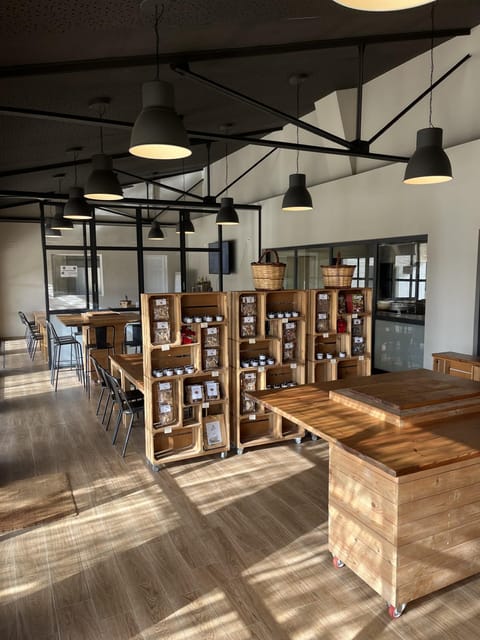
3) People who love practical farm stories. The route includes lab, production, indoor forest, and workshop. That whole chain matters if you want to understand how food is made, not just where it comes from.
The main “not for you” situation is also simple: it’s indoor-only. If your travel style is built around outdoor nature walks, foraging, or big scenery, you might find this feels more like an agricultural workshop tour than a countryside adventure.
Also, if you dislike tasting anything you weren’t planning to eat, choose carefully. You’re tasting one product, and it’s part of the core experience.
Practical tips so your visit goes smoothly
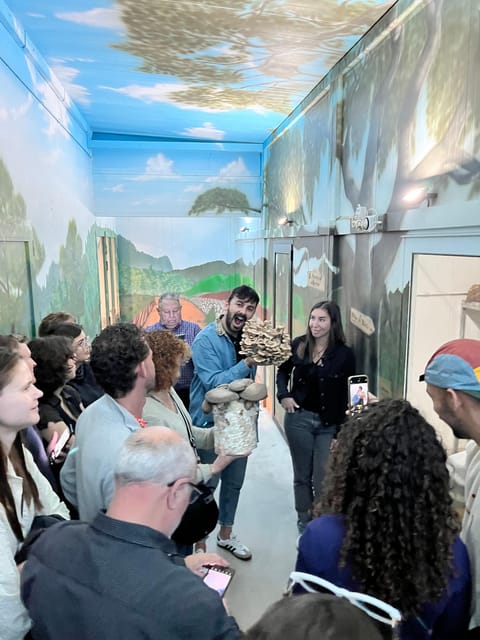
A few details can help you get the most out of the 2 hours.
- Bring questions. The structure is built for explanations, and the guide’s enthusiasm comes through in how guests describe the experience. If you want to understand the year-round cultivation rhythm, ask about how the process changes throughout the year.
- Use the intro to set context. Don’t rush that first mycology segment. It’s what turns the rest of the tour from confusing rooms into an understandable system.
- Plan for a full stop-to-stop route. You’ll go lab → production → indoor forest → workshop → tasting. This is not a wander at your own pace situation.
- Think about the tasting as part of the lesson. After the workshop, the product you taste is the final translation of everything you just learned.
- Come with your appetite ready. With included beverages and a food tasting, you’ll want to be ready to enjoy the end of the visit, not just sample a bite and rush off.
Also, the tour guide is available in Spanish and English, and the tour is wheelchair accessible. Since it’s indoors, weather won’t derail your plan.
Should you book this mushroom farm tour?
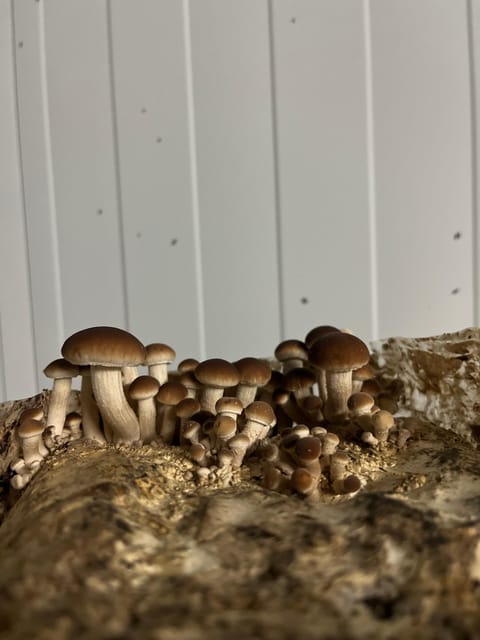
I’d book it if you want a fun, guided way to learn about mushrooms without needing prior knowledge, and you like experiences that end with real food. The combination of mycology basics, a full facility walkthrough (including the indoor forest), and an included tasting makes the $23 price feel like a fair deal.
Skip it only if you’re specifically chasing outdoor hiking, foraging, or scenery-heavy nature time. This one is about cultivation and cuisine, all indoors.
If you’re the type who likes seeing how food is made and then tasting the result, Bolets de Menorca (Sa Cuina de Sa Sinia) is exactly the kind of stop you’ll remember.
FAQ
How long is the guided tour and tasting?
The experience lasts 2 hours.
What is included in the price?
The tour includes the mycological explanation, a guided tour of the facilities, tasting of one product, and beverages such as water, local soft drinks, local beer, and wine.
Is the tour indoors?
Yes, it is 100% indoor.
What languages are the live tours in?
The live guide offers the tour in Spanish and English.
Is wheelchair access available?
Yes, the activity is wheelchair accessible.
Can I cancel for a refund?
Yes. You can cancel up to 24 hours in advance for a full refund.