REVIEW · MADEIRA
Funchal: Scuba Diving Experience for Beginners
Book on GetYourGuide →Operated by Madeira Divepoint - Xpoint Madeira · Bookable on GetYourGuide
Your first time underwater should feel safe. This beginner setup in Funchal is structured, calm, and close to the action, starting at Madeira Divepoint and finishing with a sea session on a nearby reef.
What I like most is the step-by-step training: you get familiar with the gear and basic skills in a pool before you head out. Second, the sea portion is built for first-timers, with guided time exploring colorful Atlantic fish and coral-like reef structures at shallow depths.
One thing to consider: you may wish for a longer time in the sea, since the overall experience is short (about 2–3 hours), and a few people noted the schedule can feel a bit compressed.
In This Review
- Key Things I’d Bet You’ll Notice
- Meeting at Madeira Divepoint Inside Pestana Carlton
- The Safety Briefing: Where Confidence Starts
- Pool Skills: Breathing, Floating, and Gear Familiarity
- Your Sea Session on Funchal’s Shallow Reef
- Atlantic Marine Life You Can Actually Spot
- Gear and Comfort: Modern Equipment, Clear Handling
- Price and Value: Is $53 Worth It?
- Timing Reality: 2–3 Hours Means You’ll Move Efficiently
- Who This Is For (and Who Should Skip It)
- No Flying After Your Sea Session
- Should You Book Madeira Divepoint’s First-Scuba Try?
Key Things I’d Bet You’ll Notice
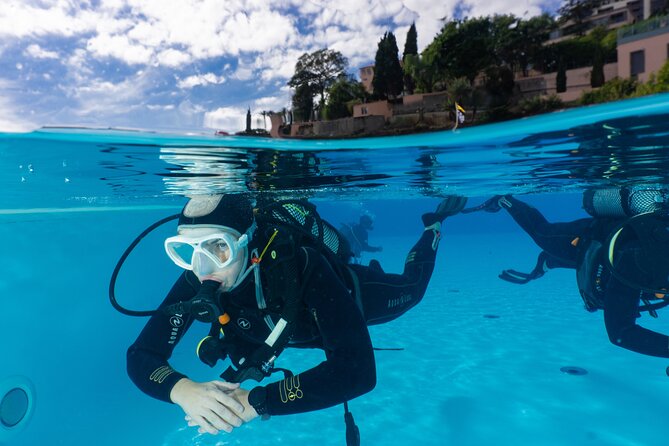
- Pool practice first so you learn breathing and buoyancy before anything open-water happens
- Small group size (up to 6) which makes it easier for instructors to spot problems fast
- PADI-style instruction and safety focus with a structured briefing before you enter the water
- Madeira Divepoint’s private reef access which keeps the whole experience efficient
- Hands-on coaching for nervous first-timers, with instructors staying very close during the sea session
- Sea option age rule (10+) vs pool option (8+), so pick the right version for your group
Meeting at Madeira Divepoint Inside Pestana Carlton
You start at Madeira Divepoint inside the Pestana Carlton hotel in Funchal. The meeting point is easy to miss if you skim, so plan to arrive a little early and follow signs inside the hotel.
The key detail: use two elevators down to sea level to reach the center. That layout matters because it cuts down on chaotic logistics when you’re hauling gear and trying to focus on breathing and buoyancy.
You can also read our reviews of more tours and experiences in Madeira.

The Safety Briefing: Where Confidence Starts
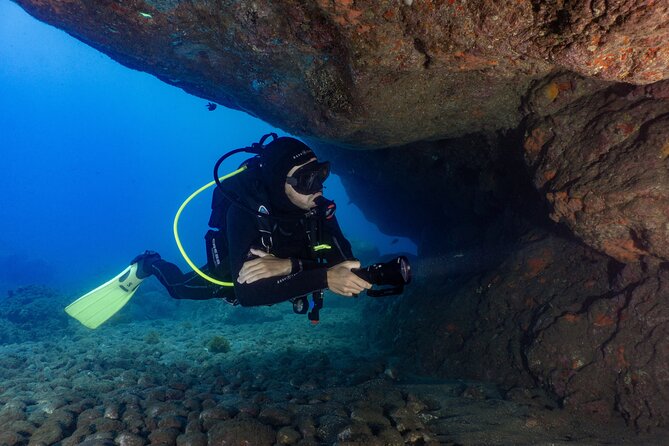
Before you touch any equipment in the water, you get a safety briefing that runs about 45 minutes. This is not just paperwork talk. You’re taught how the gear works, what to watch for underwater, and how to follow the instructor’s cues.
I like this style because it answers the biggest beginner fear: what happens if something feels off. The better they explain it, the less your brain has to improvise while you’re wearing a regulator and trying to float.
If English, German, Portuguese, or Spanish helps you relax, you’re in luck. The team is multilingual, and multiple guide names show up in participant reports, including people like Jorge, Rosa, Vivien (and Vivianne), George, Tao, Miguel, Sarah, Ricardo, and Wilfred.
Pool Skills: Breathing, Floating, and Gear Familiarity
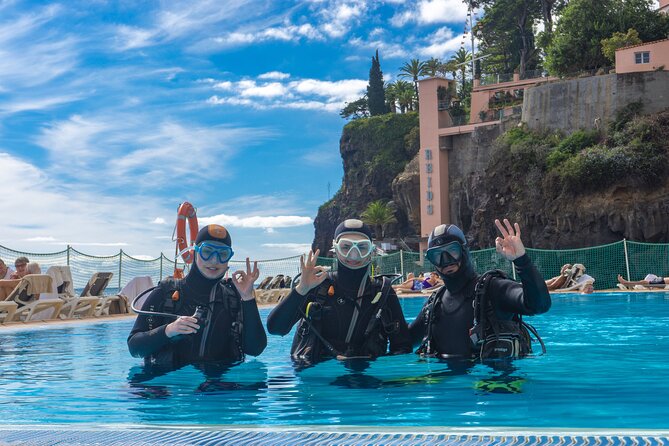
After the class portion, you practice in a pool to learn how to manage the basics. Think of this as the “make it boring” phase. You’ll rehearse breathing through scuba gear, get used to how your body floats, and learn what to do with your hands and eyes so you don’t panic.
People consistently highlight that the instruction is patient, with clear steps and time to ask questions. If you’re anxious, this pool portion is where your fear typically shrinks—because you’ve done the first hard thing already, in controlled conditions.
Bring swimwear and a towel, and keep it simple. You don’t want to waste time fussing with clothes right before you start coordinating breathing and body position.
Your Sea Session on Funchal’s Shallow Reef
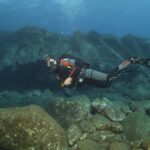
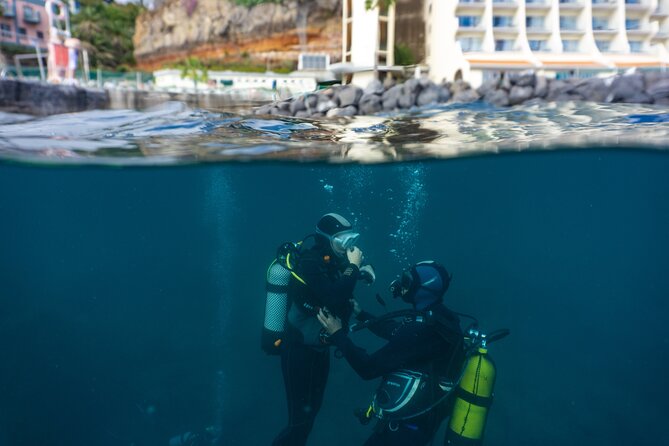
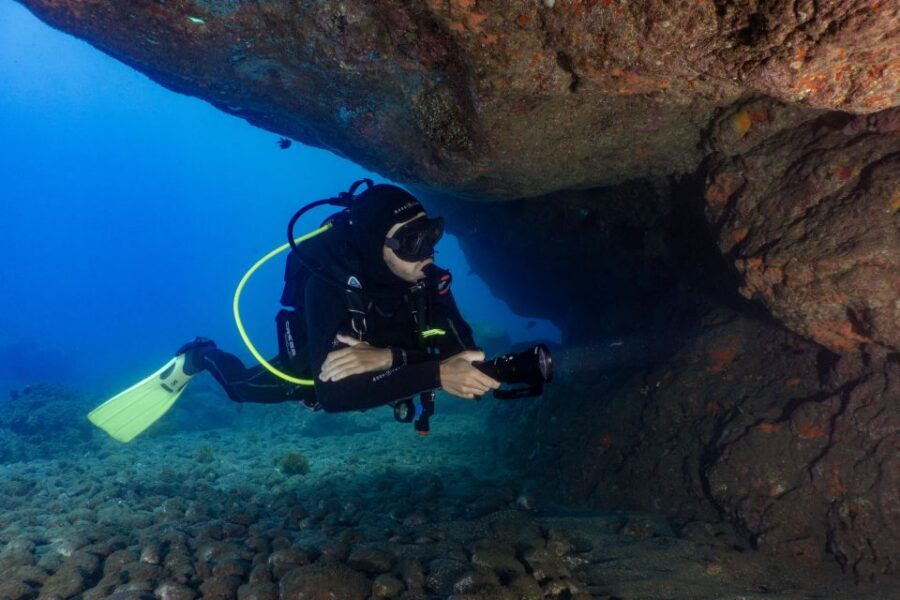
Once you’re ready, the group heads to the reef area for the real payoff. The sea portion is guided and designed for beginners, so you’re not left to figure things out alone.
Expect shallow, confidence-building conditions. Reported depths vary by group and conditions, with some first-timers noting around 5–6 meters, while others describe going deeper (around 9 meters). The takeaway for you is practical: the operator adjusts to your comfort and the plan for that day.
This is also where the “private reef” access matters. You spend less time traveling and more time doing the thing you came for: checking out Atlantic marine life up close.
One more big point: the team’s proximity. Several participants describe instructors staying close and reassuring them through the process—hand-holding support when needed, and constant checking that you’re okay.
Atlantic Marine Life You Can Actually Spot
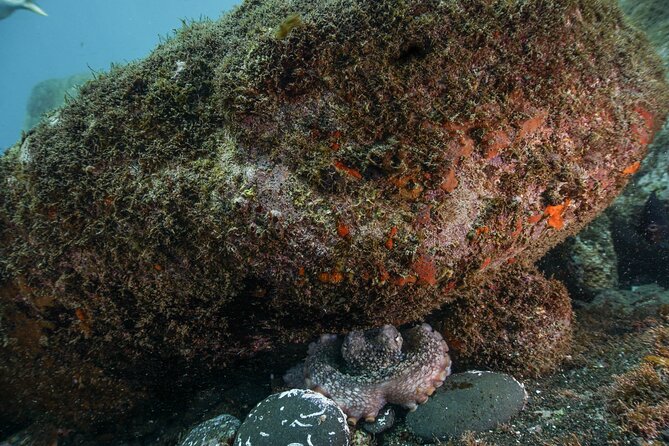
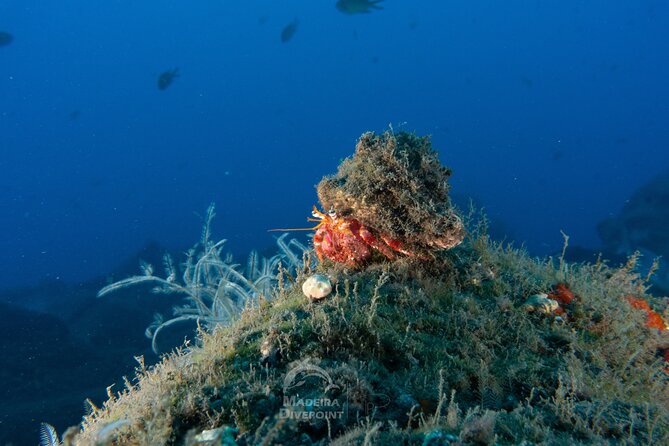
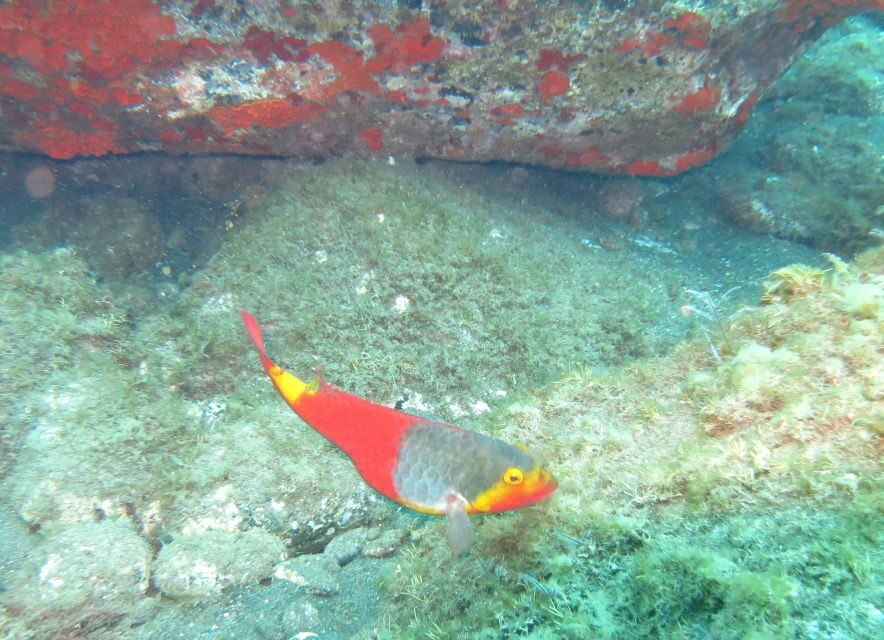
You’ll be underwater long enough to notice details, not just survive the first minutes. Many first-timers focus on the same highlights: lots of colorful fish, interesting reef life, and occasional encounters that feel like a small miracle.
Based on participant experiences, you might see:
- Octopus and other intriguing reef animals
- Sea stars and sea urchins (sometimes with the chance to touch them, if the instructor guides it)
- Rays when conditions line up
- A strong variety of fish right from the beginning
Coral-like structures are part of the scenery too. Even if you’re not a reef expert, you’ll feel the difference between “random water” and a lived-in ecosystem.
If you bring a camera like a GoPro, there are examples of instructors helping with underwater footage and photos. Nothing is guaranteed, but it shows the crew is comfortable working with beginner-friendly equipment setups.





Gear and Comfort: Modern Equipment, Clear Handling
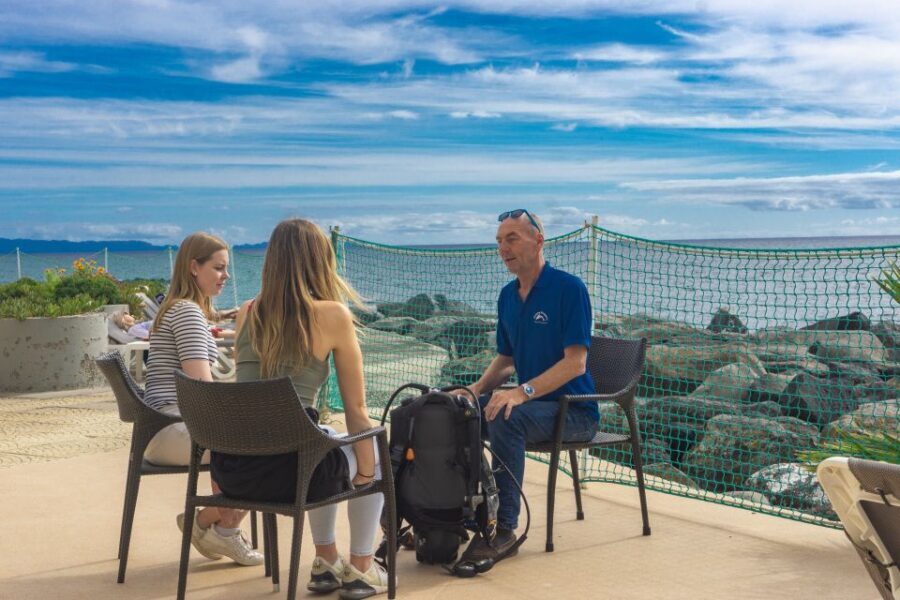
Included in the price is your scuba gear plus an insurance component. You don’t need to rent extra stuff separately, and you won’t waste time hunting for the right mask or fitting something wrong.
Equipment quality shows up in feedback often, with mentions of gear being clean and modern. That matters because a better-fitting mask and a smoothly working regulator reduce fatigue fast.
The other big comfort factor is how instruction is delivered. Beginners consistently describe instructors as calm, friendly, and focused on safety. People also note language support on-site, which helps if you’re still learning diving vocabulary.
Price and Value: Is $53 Worth It?
At $53 per person for a 2–3 hour experience, you’re buying more than a short underwater outing. You’re buying:
- professional-led training (PADI instructor)
- pool practice time
- guided sea time on a reef
- insurance and included gear
In practical terms, this is good value if you’re trying scuba for the first time in a low-stress setting. A DIY attempt or renting gear without instruction would cost less on paper, but it’s usually far more stressful in the water.
Also, the experience is built around small groups (up to 6). That reduces the time you spend waiting and increases the chance an instructor catches a problem early.
If you want flexibility, you can typically reserve and pay later, and cancellation is available up to 24 hours in advance for a full refund. You’ll still want to check current options when you book.
Timing Reality: 2–3 Hours Means You’ll Move Efficiently
The experience runs 2–3 hours, depending on the starting time and conditions. A few participants noticed that the listed duration can differ slightly from what happens on the day, and some wished for more time in the sea.
Here’s how I’d plan around that, like a friend who hates travel disappointment: if underwater time is the main goal, consider booking the option that includes more sea time, or be ready to continue with an additional session after your first taste.
Also remember: the operator builds the schedule so you’re not rushed through basics. Still, you should show up ready to swim and listen, not ready to browse your phone for 30 minutes.
Who This Is For (and Who Should Skip It)
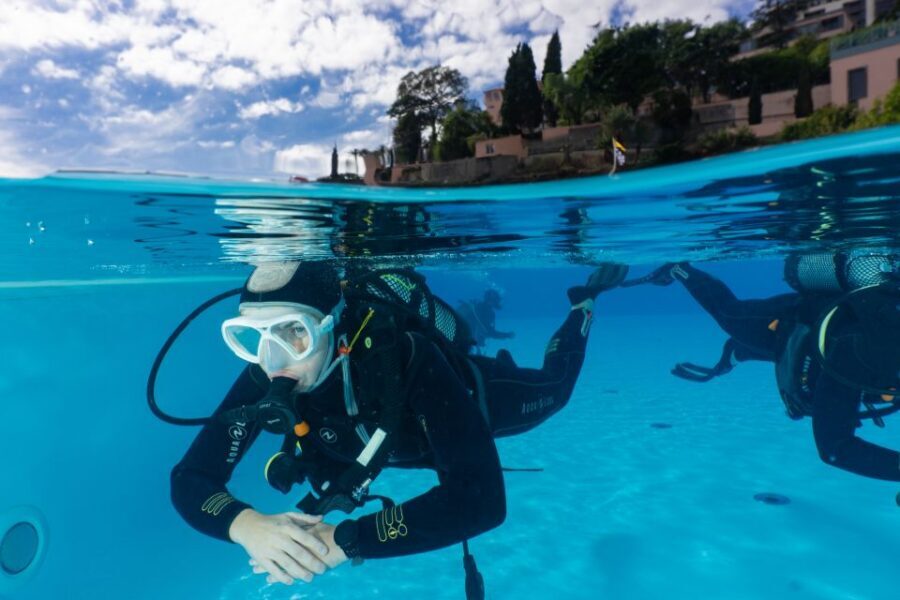
This is designed for true beginners, including people who can feel nervous about being underwater. The pool practice and the instructor attention are exactly why anxious first-timers often come away feeling safe.
It’s not suitable for:
- pregnant women
- people with pre-existing medical conditions
- children under 8
There’s also an age split by option. The pool version is for 8+, while the sea session is for 10+. Choose the option that matches your group’s ages so nobody gets turned away at the last step.
If you don’t swim well, you’re not automatically disqualified. There are accounts of participants who weren’t relaxed in the water at first, and the crew handled it by staying close and guiding them through.
No Flying After Your Sea Session
One rule you should take seriously: no flying for 12 hours after your sea session. That’s the kind of instruction you follow exactly, even if you’re tempted to “risk it.” It’s there for safety reasons.
If your flight is earlier than that, adjust plans. Even a small schedule tweak can keep the whole trip calmer.
Should You Book Madeira Divepoint’s First-Scuba Try?
If you want a first underwater experience in Funchal that prioritizes safety, structure, and real coaching, I think it’s a strong pick. The pool-to-reef progression is exactly what beginners need, and the small group size helps instructors stay on top of everyone.
Book it if:
- you want your first attempt guided by a PADI instructor
- you’d benefit from pool practice before open water
- you want to see Atlantic marine life close to shore without a complicated travel day
Think twice (or adjust expectations) if:
- you’re specifically chasing lots of time in the sea, since the full experience is short
- you have any medical concerns or are in a category listed as not suitable
If you’re on the fence, this is the kind of activity where good instruction matters more than fancy extras. Get the basics right here, then you’ll know whether you want to do more.