REVIEW · TENERIFE
From South Tenerife: Mount Teide Hiking Day Trip & Cable Car
Book on GetYourGuide →Operated by Teneriffa-Kreaktiv · Bookable on GetYourGuide
Teide feels bigger than the photos. I like that this tour pairs a skip-the-line cable car with the included summit permit so you spend more time on the mountain and less time on admin. One thing to plan for: if wind or technical issues shut the cable car, your route may change and the summit might not happen the same way.
This is one of those Tenerife days that starts early and ends with that quiet, wow-I’m-here feeling. I also like the small group size (2–10), which makes timing and photo stops feel more human. The main drawback is simply altitude and wind: even a short 170 m on foot can feel intense if you push the pace.
If you’re coming from Los Cristianos, Las Américas, or Costa Adeje, pickup saves real time. Just pack for cold and wind at 3,500 m, not for beach weather at sea level.
In This Review
- Key things that make this Teide tour worth it
- Cable Car to Teide: what the 2350–3550 m shortcut really means
- Pickup in South Tenerife: why the van timing helps
- Teide National Park stop: photos, Roques de García, and breathing space
- The 170 m summit hike: short distance, real altitude
- Permits and weather: the crater access plan you’re paying for
- Group size, guide style, and why names keep popping up
- How hard is it, really? A simple fit check
- What to bring for Teide altitude and wind
- Price and value: is $169 fair for Teide?
- Should you book this Mount Teide day trip?
- FAQ
- How long is the tour?
- Does the tour include the Teide summit permit?
- What happens if the cable car cannot operate due to weather?
- Where does pickup happen for this tour?
- How difficult is the hike?
- What should I bring?
Key things that make this Teide tour worth it
- Cable car skip-the-line both ways: fewer queues at the busiest moment.
- Official guide + small group (2–10): more control over pace and regrouping.
- Permit handling for summit access: you’re covered for crater access instead of hunting paperwork.
- Short but real summit hiking (170 m): no long grind—still plenty of effort.
- Clear plan for bad weather: you get an alternative route or options if the cable car can’t run.
Cable Car to Teide: what the 2350–3550 m shortcut really means
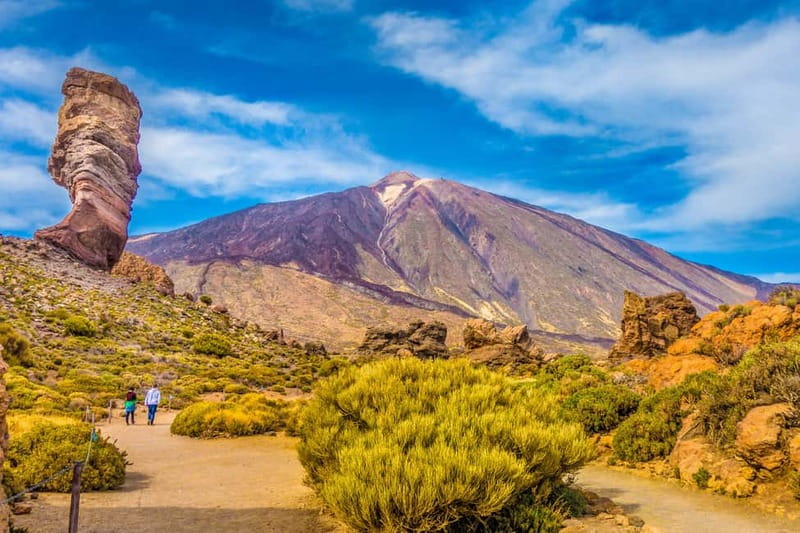
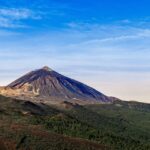
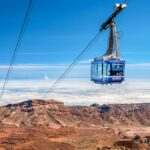
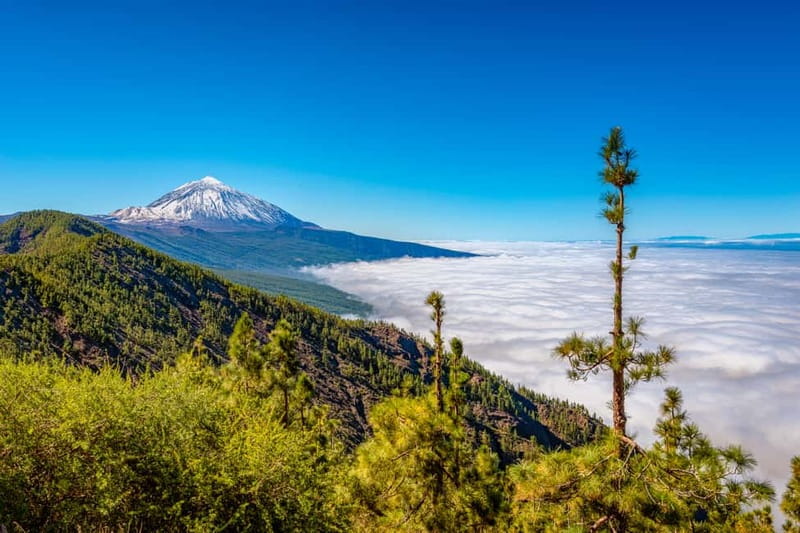
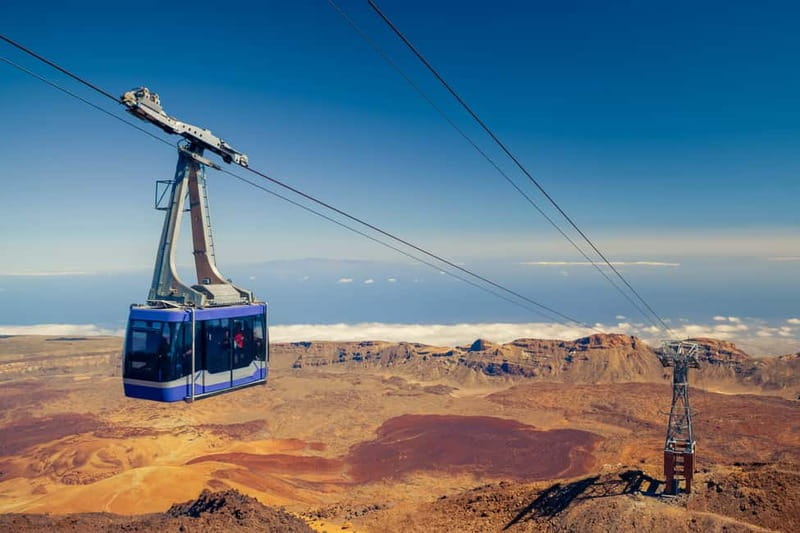
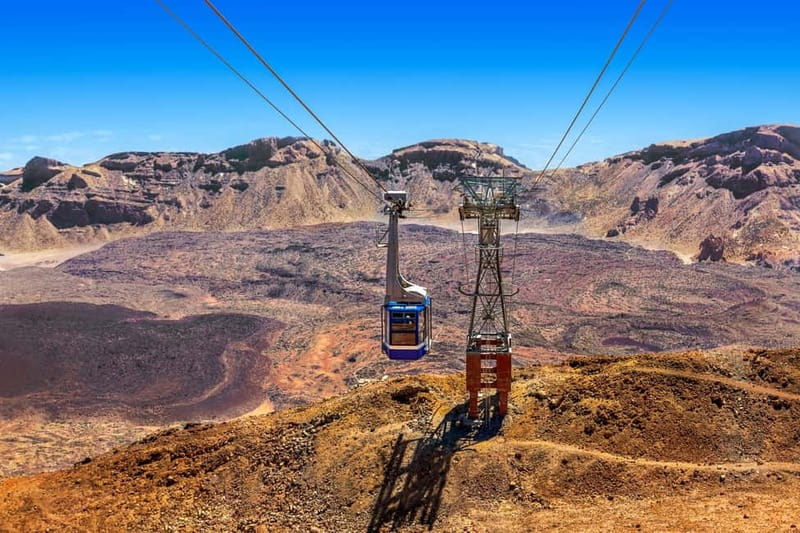
Mount Teide is the highest mountain in Spain, and the big trick here is that you don’t walk the whole elevation from sea-level Tenerife. You ride the cable car up from about 2,350 m to 3,550 m, which changes the day from a long uphill slog into a short, focused summit push.
That matters because Teide altitude affects breathing quickly. Even if the hike itself is only around 170 m on foot (and roughly 1 hour), you’ll still feel it. This setup is ideal if you want the achievement of reaching the summit without turning it into an all-day endurance event.
I also appreciate that the summit access is part of the package. You’re not just touring views from a distance. The tour includes the required permit for reaching the summit/crater area, and that removes a common headache. The permit is free, but availability is limited, so having a provider arrange it after booking is a practical advantage.
Finally, the cable car approach gives you a more scenic rhythm. You’re not tired from a long climb when you reach the top—you can actually take photos, look around, and enjoy the volcanic formations before heading back down.
You can also read our reviews of more tours and experiences in Tenerife.

Pickup in South Tenerife: why the van timing helps
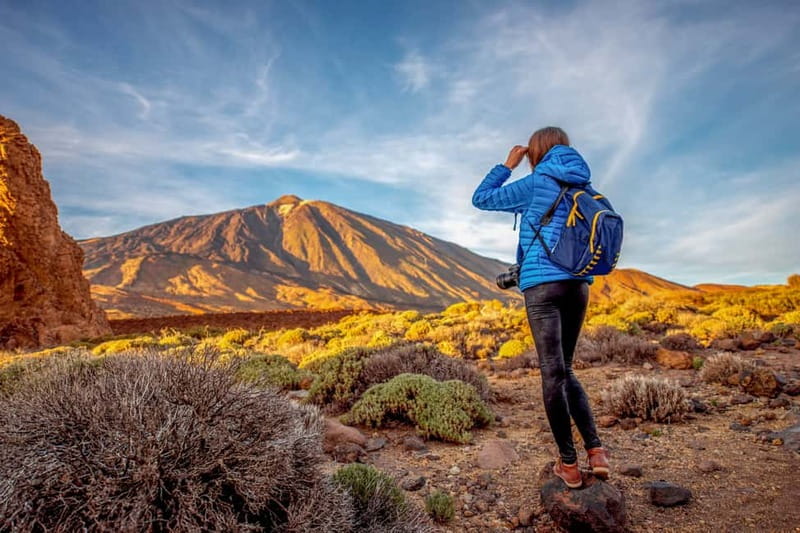
This tour is built around south-of-Tenerife convenience. Pickup is offered at hotel areas in Los Cristianos, Las Américas, and Costa Adeje, or at nearby points, plus there are other pickup options listed along TF-481 / 167 and Avenida Santiago Puig / Av. Juan Carlos I.
The van ride to Teide National Park is about 70 minutes. That doesn’t sound like much, but in Tenerife terms it helps you avoid wasting daylight and reduces the hassle of sorting buses or rental cars. Also, leaving from the south usually gets you into the park while things are still manageable.
Because it’s a small group, your guide can keep the pace smooth. You’ll be in a 2–10 person group with an official mountain guide (and the tour runs in Spanish, English, and German). That combination makes a difference on a mountain day, where people have different comfort levels with wind, steps, and regrouping.
And yes, you’ll likely appreciate a calm start: Teide is popular, and the cable car area gets busy.
Teide National Park stop: photos, Roques de García, and breathing space
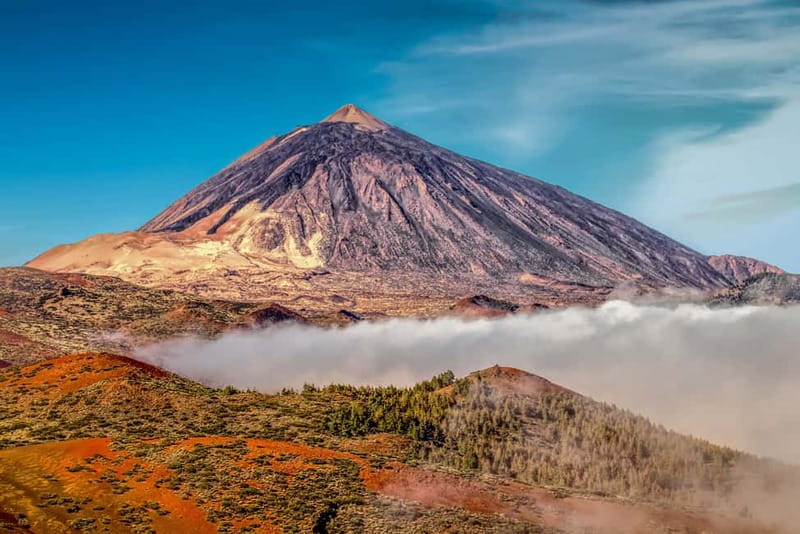
Once you arrive, you get time inside Teide National Park before the main summit walking. The itinerary gives you around 2 hours for this part, split between a photo stop, a visit, and some walking.
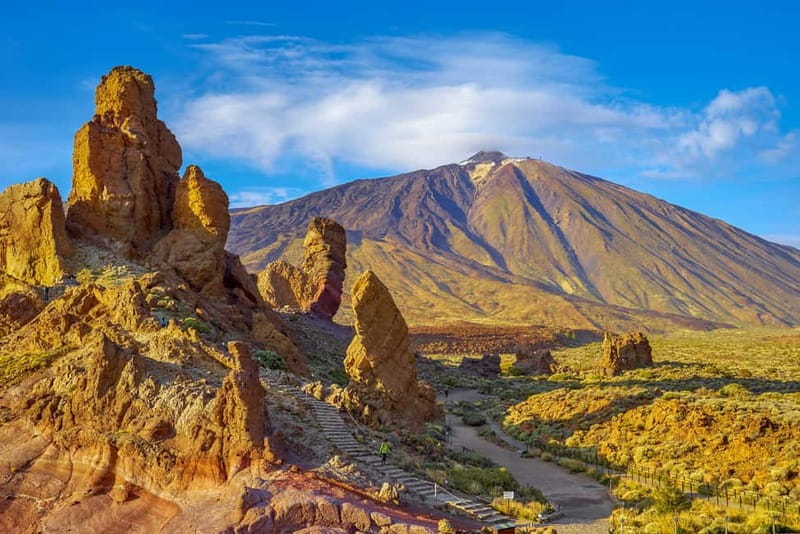
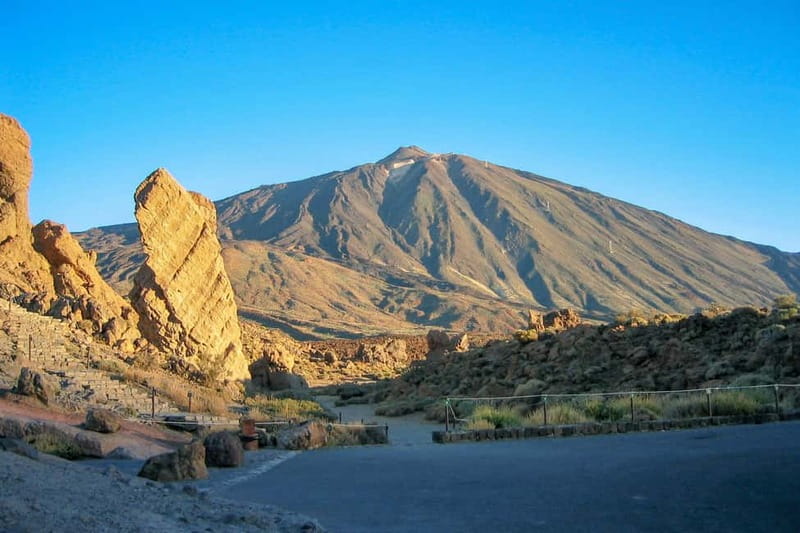
A highlight is the photo stop at Roques de García. These rock formations are exactly the kind of Teide scenery that makes the whole volcano feel real, not just tall. It’s also a good place to reset your legs after the drive and to get a first look at how sharp and rocky the terrain will feel up top.
Then you’ll get some guided time in the national park area. That is helpful because Teide isn’t just a mountain—it’s a whole volcanic system. Your guide will point out what you’re looking at and how the geology shapes the views.
There’s also a practical side to this stop: you’re spending time near your ascent window while your body gets used to the altitude. Even if you feel fine at the start, you’ll often feel the real shift once you’re nearer 3,500 m.
One more small but important thing: you descend back by cable car, but the day still includes waiting and timing. This stop gives you structure so the day doesn’t feel like a rushed sprint between transportation points.
The 170 m summit hike: short distance, real altitude
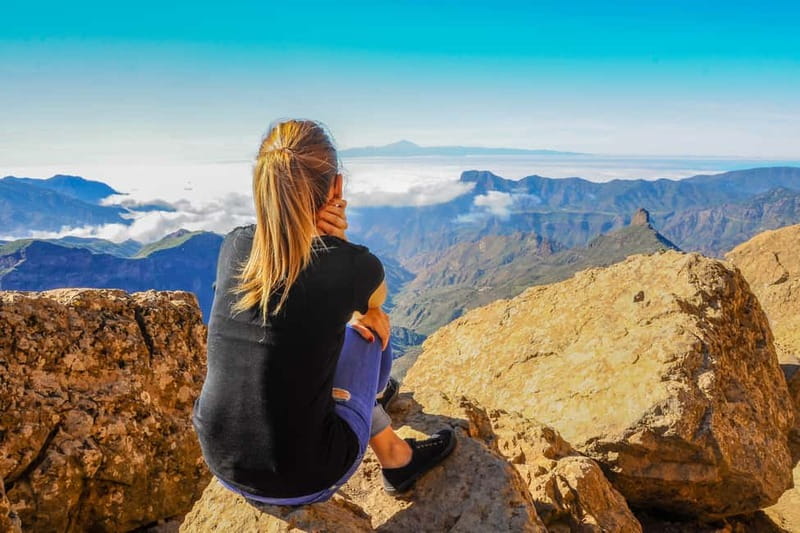
Here’s the truth about the last part: 170 meters of ascent and descent on foot sounds tiny, but altitude makes it feel bigger. The tour states the hike duration is about 1 hour, with moderate physical fitness, and technique described as easy to moderate.
What you’ll likely feel is not technical climbing, but steady effort—especially on rocky ground and if the wind picks up. Several guides in this style emphasize pacing because rushing is when people start to overdo it.
Your goal is simple: take it slow enough that you can keep breathing. That is the difference between a short hike that feels manageable and a short hike that feels stubborn.
Also note: the final 170 m is where you experience the true mountaineering feeling. You’re not just walking for exercise—you’re walking into a volcanic crater zone, where the views become the point. If skies are clear, the panoramic payoff is huge: you can see Tenerife across the island and toward neighboring islands.
A key detail: you’ll get a rest on the summit area. That time matters. It’s not just about reaching the top—it’s about standing there long enough to notice the scale and take photos before you head back down.
Permits and weather: the crater access plan you’re paying for
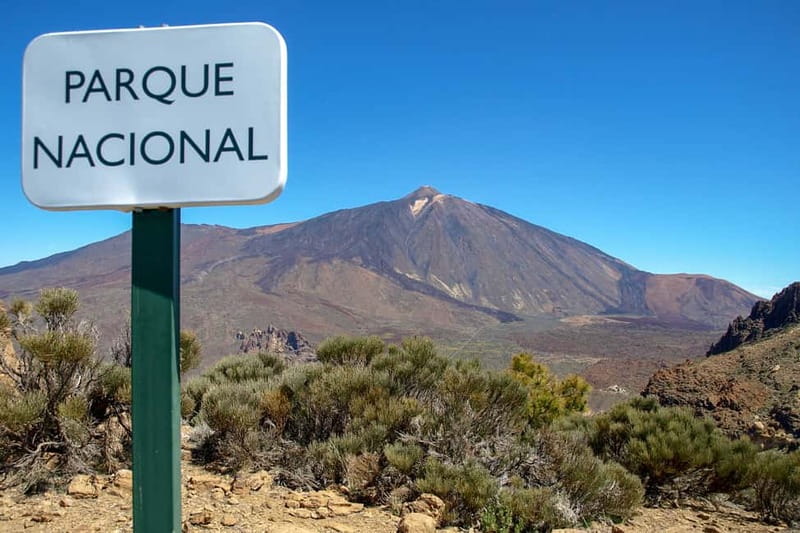
This tour includes the summit permit, but it works differently than a typical ticket. The permit is requested by the local provider after booking, and because availability is limited, you might be contacted if the permit can’t be secured. If that happens, you’ll be offered an alternative.
I like that this is handled for you. The permit is free, but the process and timing can be stressful if you’re trying to do it yourself last minute. Here, the provider’s job is to line it up so you can focus on the mountain day.
Then there’s the bigger wildcard: the cable car. The tour notes that if the cable car is unavailable due to adverse weather conditions or technical issues, an alternative route will be arranged in the national park. You can also use the cable car ticket at another time within 1 year, or you can get a partial refund of €27 per person for the cable car ticket portion.
That’s not a guarantee of a summit every time. But it is a clear, fair plan when the mountain doesn’t cooperate. And Tenerife is often windy higher up, so it’s worth respecting the mountain’s mood.
One more real-world detail that can help you expect what’s next: the cable car itself can have operational limits and cleaning between groups. On days when everything is running smoothly, that can help explain why the line doesn’t move instantly.
Group size, guide style, and why names keep popping up
The small group size (2–10) is a big deal on Teide. In a large group, you lose time to waiting and photo chaos. In this format, your guide can keep a steady rhythm and check that everyone is okay with altitude.
You may also notice the same guide names coming up in accounts of this tour—Steffi or Steff are frequent. Even when you can’t predict who will lead your day, the style shows up consistently: clear pacing advice, steady regrouping, and lots of practical context about what you’re seeing.
That guide attention matters most on the ascent. The hike is short, but the summit area can be windy and exposed. A guide who adjusts pace and keeps everyone together can turn a challenging moment into a confidence-building one.
Also, because languages are covered (Spanish, English, German), you’re not stuck with vague directions. On a mountain day, that makes a difference for safety and for enjoying the experience.
How hard is it, really? A simple fit check
The tour is described as not suitable for pregnant women and not suitable for people with heart problems. Beyond that, it’s rated moderate fitness, with hiking described as easy to moderate technique.
So who should consider it?
- You want the summit experience but don’t want a full day of stair-like endurance.
- You can handle a short, steep push while taking breaks.
- You’re okay with cold wind and rocky footing at elevation.
Who might struggle?
- People who get breathless fast at altitude.
- Anyone who insists on speeding up to match the group.
- People who don’t plan for temperature shift and wind.
One practical tip: if you’re on the edge physically, tell your guide early. The day is timed, but the goal is that everyone reaches the summit area safely if conditions allow.
What to bring for Teide altitude and wind
Teide weather can feel like a different planet from the beach. Bring what the tour asks for, even if you think you’ll be fine.
You should pack:
- Passport or ID card
- Warm clothing
- Windbreaker
- Snacks
- Hiking shoes
- Sunscreen
- Water
- A daypack
Hiking boots can also be hired locally, which is useful if you’re arriving without proper footwear.
One more reality check: Teide sun is strong even when it feels cool. Sunscreen isn’t optional. And wind can be sharp enough that a hat or extra layer often feels worth it, even if the guide doesn’t mention it directly.
Price and value: is $169 fair for Teide?
At $169 per person, this isn’t a budget tour. But it’s also not just a cable car ticket with a walking stick.
Here’s what your money is buying:
- Pick-up and drop-off in the south (Los Cristianos / Las Américas / Costa Adeje areas)
- Skip-the-line cable car tickets up and down
- An official mountain guide for the hiking time
- Permits for summit access (handled by the provider after booking)
- Accident insurance
- A small group experience instead of a crowd-control situation
If you tried to DIY, you’d still need the cable car ticket(s) and you’d have to handle permits and timing. Those pieces add up fast. Plus, the guide helps you navigate the day at altitude, which is where “value” becomes real: you get less guesswork and fewer wasted minutes.
Is it perfect value for everyone? No. If you’re traveling with very small time windows, or you just want an easy scenic walk without altitude effort, you might prefer a less intense option. But if your goal is Teide summit access with a guided plan, the structure here is exactly what you’re paying for.
Should you book this Mount Teide day trip?
I think this tour is a good booking if you meet two conditions: you’re comfortable with altitude effort for a short, steep push, and you want summit access handled with an actual plan.
Book it if:
- You want the summit experience without walking the entire ascent.
- You’d rather rely on a guide for permits, timing, and pacing than manage it yourself.
- You like small groups and want photos without feeling herded.
Skip or reconsider if:
- Wind and cable car uncertainty would ruin your day emotionally. (The tour has an alternative route plan, but it still depends on conditions.)
- You fall into the health categories listed (pregnancy, heart problems).
- You don’t want cold and wind at high elevation.
If you book, do yourself a favor: pack like it’s winter up top, take the hike slow, and trust the guide’s pacing. Teide rewards patience.
FAQ
How long is the tour?
The total duration is listed as 6 hours (starting times vary based on availability).
Does the tour include the Teide summit permit?
Yes. The tour price includes the permits for the Teide summit, and the permit availability is limited. The provider requests it after booking.
What happens if the cable car cannot operate due to weather?
If the cable car is unavailable due to adverse weather or technical issues, an alternative route in the national park will be organized. You can also use the cable car ticket at another time within 1 year or get a partial refund of €27 per person for the ticket portion.
Where does pickup happen for this tour?
Pickup is included at hotels or nearby points in the south of Tenerife (Los Cristianos, Las Américas, Costa Adeje). There are also pickup meeting points listed along TF-481 / 167 and Avenida Santiago Puig / Av. Juan Carlos I, 32. Meeting point at the cable car station in the National Park is also an option.
How difficult is the hike?
The hike is described as moderate fitness, with easy to moderate technique. You climb and descend 170 meters on foot, with a hike duration of about 1 hour.
What should I bring?
Bring passport or ID, warm clothing, a windbreaker, snacks, hiking shoes, sunscreen, water, and a daypack.