REVIEW · TERCEIRA
From Angra to Heroísmo step by step
Book on Viator →Operated by Ricardo · Bookable on Viator
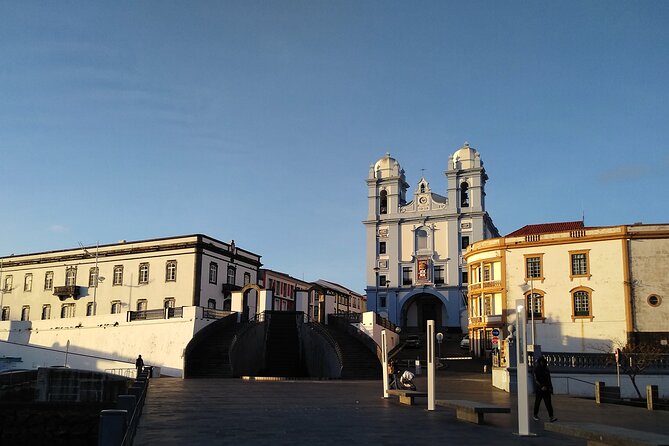
Angra makes more sense on foot. What I love is the viewpoint overview at the top of the city, then the easy rhythm of working downhill through old streets. I also love the lineup of key monuments you pass and visit, including the Church of Mercy, Cathedral, Palace of the General Captains, and Town Hall. The main drawback to plan for is that you’ll be on cobbled streets with ups and downs, and the group format can mean commentary volume and timing aren’t perfect for every person.
This is a small-group tour (up to 10 people) in English, starting at 9:30 am at Rua do Pisăo 114, right by the heart of the action. You get an easy mobile ticket, and you’ll finish back at the meeting point in the old center. One practical thing: monument entry tickets are not included, so if you want inside access, you may need to budget extra.
In This Review
- Why This Walking Tour Works in Angra do Heroísmo
- Meeting Point, Start Time, and the Route’s Pace
- From D. Pedro IV to the Old Square: Your Step-by-Step Progression
- Church of Mercy, Cathedral, Palace of the General Captains, Town Hall
- Church of Mercy
- Cathedral
- Palace of the General Captains
- Town Hall
- What Makes Ricardo’s Guiding Style So Effective
- Timing and Breaks: How the 3 Hours Really Feel
- Price and Value: What You Get for $42.01
- Small-Group Comfort for Questions and Photos
- Who This Tour Suits Best
- Should You Book This Tour
- FAQ
- How long is the walking tour?
- What time does the tour start and where do I meet?
- Is the tour offered in English?
- How much does the tour cost?
- What’s included in the price?
- How many people are in the group?
- What if the weather is poor or I need to cancel?
Why This Walking Tour Works in Angra do Heroísmo
If you only have a morning in Angra do Heroísmo, this is one of the most efficient ways to get your bearings. You start with a high viewpoint near the monument to D. Pedro IV, where the city layout snaps into focus. Then you walk down through the historic center, so the stories you hear also match what you see in front of you.
I like that the tour is structured like a guided “city map.” You’re not just told dates and names. You’re shown how the urban plan feels—how streets rise and fall, how the town center concentrates important buildings, and how the different landmark areas connect.
Meeting Point, Start Time, and the Route’s Pace
The tour starts at 9:30 am at Rua do Pisăo 114 (9700-152 Angra do Heroísmo). It ends back at the same meeting point, which is handy when you want a simple next step afterward—coffee, a late lunch, or a slow wander of your own.
The walk is about 3 hours and designed to be manageable for “most travelers,” but it’s still real walking. Expect cobbled streets and some up-and-down sections. That matters because Angra’s charm lives partly in uneven ground, not smooth sidewalks.
Group size stays small, with a maximum of 10 travelers. In practice, that usually means the guide can answer questions and keep the mood conversational. Still, the format depends on your group’s pace, and on a few occasions visitors have flagged that the guide’s voice can be on the quiet side and timing can start before everyone has fully caught up.
You can also read our reviews of more tours and experiences in Terceira.
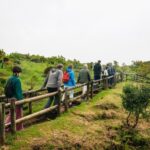


From D. Pedro IV to the Old Square: Your Step-by-Step Progression
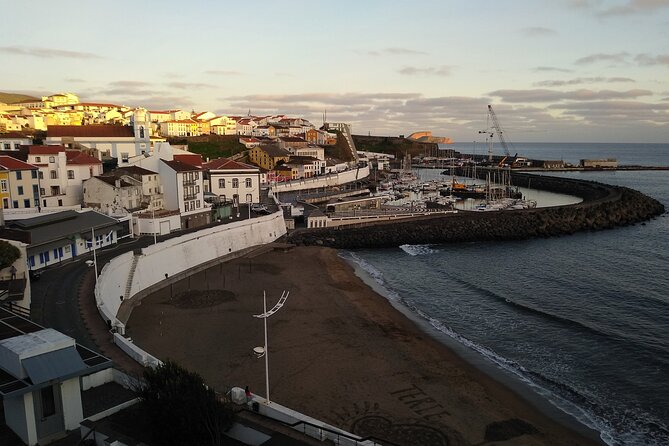
This tour’s logic is simple: start with the city’s “big picture,” then move toward the old center.
You begin near the monument to D. Pedro IV, which sets the stage for what Angra looks like from above. The guide uses that elevated position to give context—how the town sits, where the important zones are, and how the center unfolds as you descend. It’s the kind of start that helps you understand the rest of the walk faster, because you’re not guessing where everything is.
As you move down, you’ll be navigating several cobbled streets. This is where the tour turns practical. You see the facades and civic spaces that make Angra feel like a real working town, not just a sightseeing stop.
The walk then finishes in the old square, where the city’s core energy comes together. You’ll have multiple recognizable anchor points fresh in your mind, which makes it easier to continue exploring without feeling lost.
Church of Mercy, Cathedral, Palace of the General Captains, Town Hall
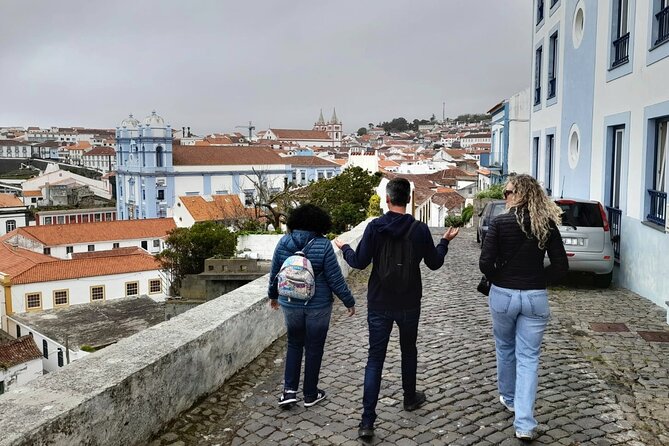
One of the strongest parts of this experience is the monument mix. You don’t just pass one big church and call it a day. You connect religious, civic, and leadership spaces in a way that makes sense on foot.
Church of Mercy
The Church of Mercy stop gives you a sense of the town’s religious foundations and community life. Even if you don’t go inside, this is the kind of building that helps you read the street. You start to notice details that suggest how the town functioned—places where people gathered, worshiped, and supported neighbors.
Cathedral
Next comes the cathedral, which is usually where scale and symbolism become obvious. This is a good moment to slow down and look upward, because cathedrals tend to reward that habit. The guide’s job here is to connect what you see to why it matters in the story of the city.




Palace of the General Captains
Then you reach the Palace of the General Captains. This stop shifts you from faith and daily community to the political and administrative side of Angra. You get a clearer idea of how authority showed up in architecture and public prominence.
If you like history that feels attached to real streets, this is a satisfying transition. It’s easier to remember the town’s eras when you’re walking between the buildings themselves.
Town Hall
Finally, the town hall ties the day together with civic identity. This is where you feel the “public space” side of Angra—where decisions and local life meet. Ending near the old square reinforces that civic-center idea.
What Makes Ricardo’s Guiding Style So Effective
The guide for this tour is Ricardo, and his approach is built around clear storytelling and a friendly pace of Q&A. From what you can expect on the ground, he typically starts with a strong orientation overview from the top. Then he works downhill in a way that keeps you engaged with both history and the practical feel of the city.
I also like how the tour doesn’t feel like a lecture that bulldozes the group. In past experiences, Ricardo has been accommodating about walking speed, and he’s willing to pause so people can regroup. That kind of flexibility matters more on a cobbled-street route than it sounds.
Still, I’ll flag one consideration. A few people have reported difficulty hearing or following along, especially when commentary wasn’t projected to the full group. If you know you have hearing challenges, pick a position where you can see and hear the guide clearly.
Timing and Breaks: How the 3 Hours Really Feel
On paper, you’re in for about 3 hours. In real life, the tour’s timing can shift because you’re outdoors and walking through a compact historic center where practical stops happen.
The best-case scenario feels smooth: you keep moving, see the landmarks, and enjoy a steady flow of context. On other occasions, the tour included extra stops for bathroom needs and a short café break. That can be a positive thing if you’re tired, but it can also stretch the day if you planned tight connections.
Here’s how to handle that as a smart visitor:
- Plan to keep your next activity flexible for after the tour.
- Wear comfortable shoes with grip, since cobblestones can slow you down.
- If you need a slower pace, communicate early and ask for adjustments.
A walking tour shouldn’t feel like an endurance test. The good news is that Ricardo’s style is geared toward people, not a stopwatch.
Price and Value: What You Get for $42.01
At $42.01 per person, this tour is priced like a straightforward walking experience, not a full-day sightseeing package. The value comes from the concentration of major stops in a short time and the fact that all fees and taxes are included.
What’s not included is where you should pay attention. Tickets to monuments are not included, and private transportation is not included either. That means you may pay extra if you want entry to specific sites during the walk.
You should also treat this as a guide-led orientation session more than a “museum day.” The tour helps you understand what you’re looking at, but any inside ticket costs depend on the monument access you choose to pursue.
For timing, this is often booked well in advance—an average of about 20 days. If you’re traveling in busy periods, don’t wait until the last minute.
Small-Group Comfort for Questions and Photos
With a maximum of 10 travelers, you’re more likely to get real conversation instead of shouting over a crowd. I like that this tour feels built for understanding, not just checking boxes. You can ask about what you’re seeing—architecture, how the city developed, why particular civic and religious buildings matter.
It’s also a friendlier setting for photos. A group that size doesn’t swallow your time at each corner. You can pause, frame shots, and then move on.
And yes, service animals are allowed. If you travel with one, this is a straightforward option to consider.
Who This Tour Suits Best
This is a great fit if you want a guided morning that mixes city orientation with landmark focus. It’s especially good for:
- First-time visitors who want to understand the town layout fast
- Travelers who like historic streets and civic buildings
- People who want a manageable walk instead of long bus transfers
It may be less ideal if you have limited mobility or if cobblestones and walking up and down will be difficult. The tour is designed for most travelers, but the terrain is still real, and the small-group pace can’t be perfectly individualized for everyone.
Should You Book This Tour
If you’re trying to choose between a random self-guided stroll and a guided route, I’d pick the guided option here. You’ll see the city’s big visual anchors early, and then the guide helps you connect those anchors to the story of Angra’s streets and institutions. That’s the real value of doing this with Ricardo.
Book it if you want:
- A clear introduction to Angra do Heroísmo
- A monument-focused walk from D. Pedro IV to the old square
- Small-group attention with a friendly, human pace
Skip it (or plan carefully) if you strongly need low-impact walking, loud-guide projection, or guaranteed exact minute-by-minute timing. Bring sensible shoes, keep your next plan flexible, and you’ll get a lot out of your morning.
FAQ
How long is the walking tour?
It runs for approximately 3 hours.
What time does the tour start and where do I meet?
It starts at 9:30 am at Rua do Pisăo 114, 9700-152 Angra do Heroísmo, Portugal.
Is the tour offered in English?
Yes, the tour is offered in English.
How much does the tour cost?
The price is $42.01 per person.
What’s included in the price?
The tour includes all fees and taxes. Tickets to monuments and private transportation are not included.
How many people are in the group?
The tour has a maximum of 10 travelers.
What if the weather is poor or I need to cancel?
This experience requires good weather. If it’s canceled due to poor weather, you’ll be offered a different date or a full refund. You can also cancel for a full refund if you cancel at least 24 hours before the start time.