Flour, sunlight, and real Sicilian cooking. This fresh local pasta lesson happens in Teresa’s garden in Arenella, close to Ortigia, with a teacher who keeps it practical and family-style. You’ll make, shape, and cook with local ingredients, then sit down to eat what you make.
I especially like that you’ll learn four forms of fresh pasta using traditional methods and local, seasonal flours. I also like the way Teresa builds the meal with sauces in different directions: meat, fish, or vegetarian, and she can adapt to your needs.
One thing to plan for: the flours contain gluten, so this isn’t the right fit if you need gluten-free.
In This Review
- Key things to know before you go
- A garden classroom in Arenella, just a short hop from Ortigia
- The 2.5-hour flow: what you’ll actually do
- Making four kinds of fresh pasta the traditional way
- Sauces: meat, fish, vegetarian, and how to think like a Sicilian cook
- The meal: wine, coffee, and a kitchen-to-table feel
- Parking, meeting point, and getting there from Ortigia without stress
- Price and value: why $132.53 can make sense here
- Who this suits best (and who might rethink it)
- Should you book this garden pasta lesson?
- FAQ
- What do I learn and cook in the class?
- Is transportation included?
- What’s included in the price?
- How many people are in the group?
- Is the class suitable for children?
- Do the ingredients contain gluten?
Key things to know before you go
- Small group size (max 8): you’ll get real attention while you’re working the dough.
- Four pasta shapes in one lesson: you’re not just watching, you’re making.
- Sauces for different diets: meat, fish, and vegetarian options are part of the plan.
- Included drinks and meal basics: local wine, mineral water, and coffee are on the menu.
- Garden setting near Ortigia: a calm afternoon break, not a rushed food tour stop.
- English instruction: the class is offered in English, with clear guidance step-by-step.
A garden classroom in Arenella, just a short hop from Ortigia
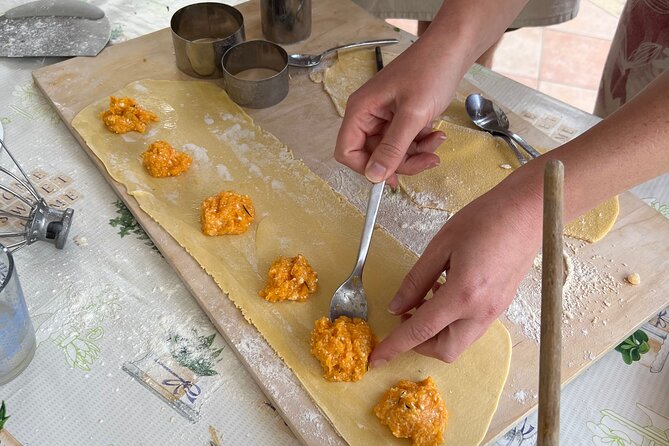
This is the kind of cooking class that feels like you’re invited into a real Sicilian home routine, not herded through a checklist. The setting is Teresa’s house and garden in Arenella, with plenty of space to work with flour, herbs, and sauce ingredients without feeling cramped.
A big part of the appeal is the location. Arenella sits along the coast and you’re about 15 minutes from Ortigia by car (and Ortigia is also walkable for some people—around 20 minutes if you’re up for it). That means you can pair this with a day in Ortigia’s old streets, then come back for a slower, hands-on afternoon.
Practical note: the meeting point is Via Isole delle Molucche, 8t, 96100 Arenella SR, and the class ends back there. So you’re not stuck hunting for your next move in the dark after cooking.
You can also read our reviews of more tours and experiences in Sicily.
The 2.5-hour flow: what you’ll actually do
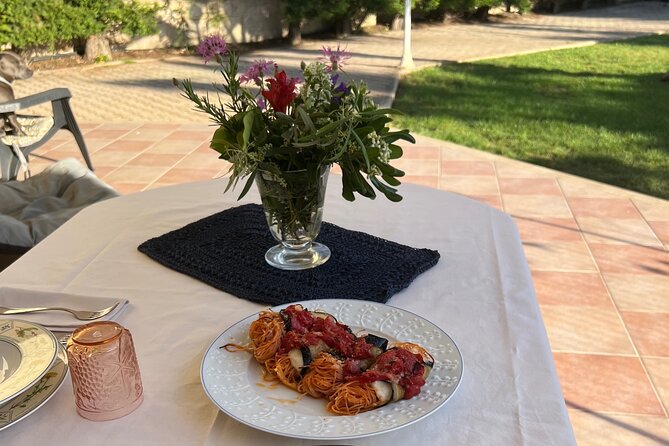
The lesson runs about 2 hours 30 minutes, and the format is very hands-on. You’ll be involved in every step, from working dough to handling sauces and finishing the food you’ll eat.
Here’s the rhythm that matters for your planning:
- You start with dough basics and learn how the ingredients behave in a Sicilian kitchen.
- Then you shape fresh pasta into four local forms using traditional methods.
- You build sauces alongside the pasta work, including meat, fish, or vegetarian options.
- You eat what you make, with wine and coffee included.
Teresa also notes that she can adapt recipes to your needs, so if your group has specific preferences, it’s worth mentioning them when you book. The class is also limited to a maximum of 8 travelers, which helps keep the pace manageable for people who’ve never made pasta before.
And if you’re bringing kids: children must be at least 8 years old. It’s a good age for dough work, but you’ll still want to keep an eye on fingers and flour mess.
Making four kinds of fresh pasta the traditional way
The headline is four forms of fresh pasta, and that’s a strong reason to book. Many cooking classes teach one pasta shape well. This one tries to give you a fuller toolkit—different textures, different shapes, and different ways sauces cling to the finished product.
You’ll work with local and seasonal flours and ingredients, which changes the flavor more than people expect. Flour is not just a neutral base here; it affects chew, thickness, and how pasta holds its shape.
You’ll also learn by doing, not just by watching. That means:
- You’ll handle dough consistency rather than relying on a machine.
- You’ll practice shaping techniques you can repeat later at home.
- You’ll see how pasta preparation changes when you’re making multiple types in the same session.
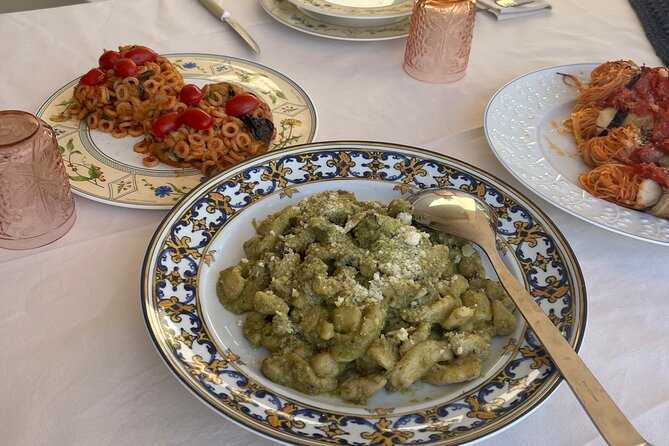
From what Teresa has shared in past lessons, menus often include pasta items like cavatelli and Sicilian-style forms prepared to be served with hearty sauces. Exact combinations can vary, but the core promise stays the same: you’ll leave with more than one pasta idea.
Sauces: meat, fish, vegetarian, and how to think like a Sicilian cook
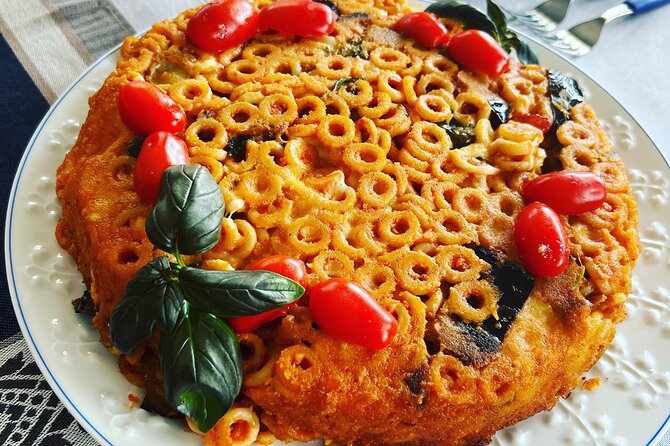
In Sicily, pasta is often a whole system: dough plus sauce plus the right kind of match. That’s why I like that this class doesn’t treat sauce as an afterthought.
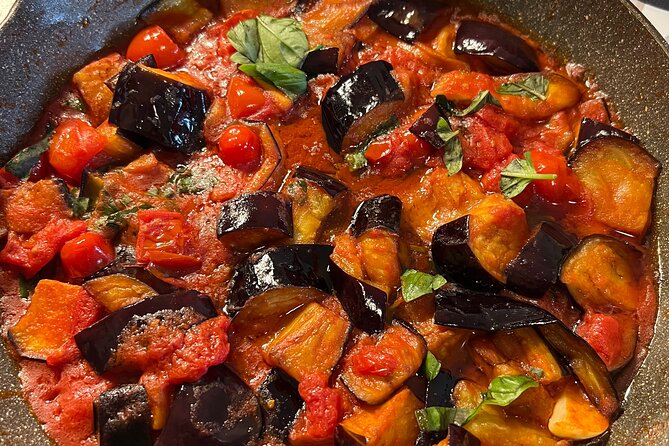
You’ll prepare sauces in three directions—meat, fish, and vegetarian. Teresa uses local, seasonal ingredients and can steer recipes based on your needs. In real terms, this means you’re learning how to choose flavors that work together rather than memorizing one sauce recipe.
Some examples of sauce approaches you might encounter in this kind of lesson include:
- Fish-based options built around local seafood and seasonal tomatoes.
- Meat sauces that feel slow-cooked even when you’re working within a class timeline.
- Vegetarian Sicilian flavors built around vegetables and simple, focused ingredients.
Even better, as a gift you receive a list of local sauces for pasta or bruschetta. That’s the kind of takeaway that helps after you’re back home—when you’re staring at a pantry and want to recreate a Sicilian-style meal without starting from zero.
The meal: wine, coffee, and a kitchen-to-table feel
This is not a tiny snack-and-leave class. Food is part of the experience you paid for, and it’s built into the time.
Included with your lesson:
- Local wine
- Mineral water
- Coffee
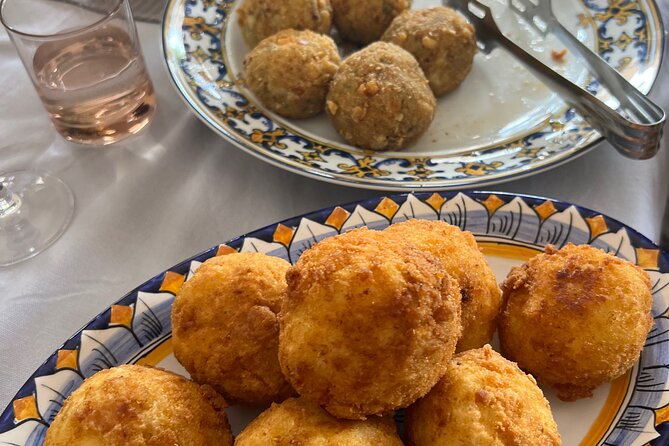
You’ll generally eat what you cook during the class, which is the best part of hands-on lessons: your effort turns into a meal while your instincts are still fresh. It also helps you understand what you got right—how the texture should feel, and how the sauce tastes when it’s actually paired with that pasta shape.
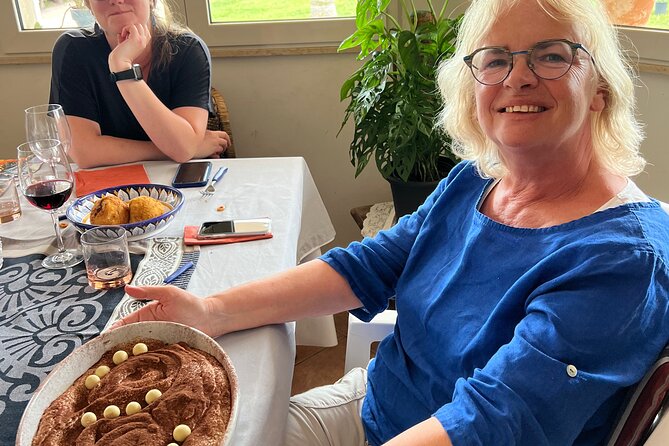
From Teresa’s style, I’d also expect the meal to be generous. Past menus mentioned items like pizza and desserts such as tiramisu, but the safest takeaway for your booking is the core: four pasta shapes plus sauce work, followed by eating together.

Parking, meeting point, and getting there from Ortigia without stress
Logistics matter with cooking classes, because you don’t want to arrive frazzled. Here, you’ve got a practical advantage: guarded parking is included. You can park along the street or inside the Villa driveway.
If you want transport instead of driving, private transportation is available for €20 per person, paid in cash on the spot. That can be a relief if you’re basing yourself in Ortigia and don’t want to deal with parking or timing.
Your meeting point is in Arenella (Via Isole delle Molucche, 8t), and the activity returns there at the end. For planning: build in a buffer so you’re not rushing your arrival right as the lesson starts—working with dough needs calm more than perfect timekeeping.
Price and value: why $132.53 can make sense here
At $132.53 per person for about 2 hours 30 minutes, the value depends on what’s included and how much you actively do. In this case, you’re paying for:
- A hands-on practical cooking course
- Local ingredients and flour work
- Preparation of four fresh pasta forms
- Sauce work across meat, fish, and vegetarian options
- Local wine, water, and coffee
- Small-group instruction (max 8)
- Guarded parking
That combination is the key. You’re not just tasting; you’re learning technique, and you’re leaving with a pasta-and-sauce skill set plus a sauce list. For a short Sicilian stop, that can be a better use of time than chasing multiple food stops that don’t teach you anything you can repeat.
Two extra things to note:
- There’s a last-minute option with a special price for a public class shared with other guests. If you’re flexible, this can reduce cost.
- An Ortigia Point of Sale Tour is listed as an extra €50 in cash per person, including a gift cookbook. If you’re already doing Ortigia sights on your own, you may not need that add-on.
Who this suits best (and who might rethink it)
This class fits best if you want a real food skill, not a passive demo. You’ll enjoy it if you like:
- Cooking with your hands
- Learning how Sicilian sauces are built
- Small-group attention in English
- A relaxed setting near Ortigia
It’s also a strong family choice if your kids are at least 8 and ready to participate.
You might rethink it if:
- Gluten is a hard requirement for you, since the flours contain gluten.
- You want a more sightseeing-heavy format instead of food-first instruction.
- You’re relying entirely on transport and haven’t planned for the €20 per person cash option.
One more useful tip: Teresa has two recently renovated accommodations in Ortigia. If you’re staying in the area, it can be worth asking about that when you book or message, especially if you want to streamline your schedule.
Should you book this garden pasta lesson?
Yes—if your goal is to take home a Sicilian cooking pattern you can repeat. The biggest selling points are the mix of four fresh pasta shapes, hands-on work throughout, and sauce learning that includes meat, fish, and vegetarian directions. Add in the small group size, included wine and coffee, and the guarded parking, and it’s a strong value for a short stay.
Book it with confidence if you’re planning a day around Ortigia and want something memorable that goes beyond eating. Just make sure you’re okay with gluten and that your schedule can handle a focused 2.5-hour window.
FAQ
What do I learn and cook in the class?
You’ll prepare four forms of fresh local pasta using traditional methods, and you’ll also prepare sauces including meat, fish, and vegetarian options. The teacher can adapt recipes to your needs.
Is transportation included?
No. Private transport costs €20 per person and is paid in cash on the spot. The class meets at Via Isole delle Molucche, 8t, 96100 Arenella SR.
What’s included in the price?
Included are guarded parking, local wine, mineral water, coffee, and a practical cooking course where you participate in each step. The class is offered in English.
How many people are in the group?
The experience has a maximum of 8 travelers, which helps keep instruction hands-on.
Is the class suitable for children?
Children must be at least 8 years old to attend.
Do the ingredients contain gluten?
Yes. The flours used in the class contain gluten.