REVIEW · CRETE
Experience Scuba Diving in Heraklion Crete
Book on Viator →Operated by Horizon Diving · Bookable on Viator
First-time scuba needs calm coaching. This Heraklion experience puts you at Mononafitis beach with a small group (max 8) and patient, very hands-on instructors who guide you from a short theory lesson to shallow practice before going deeper at a pace you control. I like how it’s built for real beginners, with time to ask questions and learn the gear and equalization techniques.
One thing to think about: you’ll complete a medical questionnaire and liability paperwork, and if you have issues that make breathing unsafe for recreational scuba, you may not be able to participate. Weather matters too, since the activity requires good conditions.
In This Review
- Key things you’ll notice right away
- Heraklion’s Mononafitis beach setup: easy logistics, beginner-friendly water
- The 4.5-hour flow: from paperwork to breathing skills
- Training that targets first-timer panic: safety that feels human
- Gear, instructors, and the “hands on” approach that matters
- What you can realistically see under the surface
- How photos and GoPro recording add value (or not)
- Price and what you actually get for $119.47
- Who this is best for (and who should consider alternatives)
- Practical tips for your 9:00 am start in Gournes
- Should you book this Heraklion scuba experience?
- FAQ
- What time does the experience start?
- How long does it take?
- Do I need to know how to swim?
- What languages are the instructions available in?
- Is there a medical questionnaire?
- What if the weather is poor or I need to cancel?
Key things you’ll notice right away
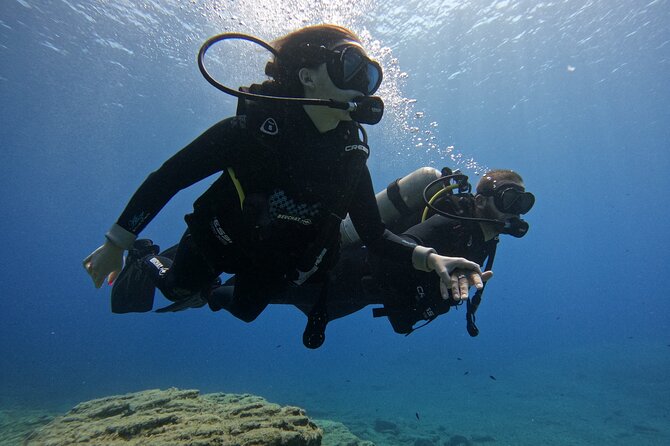
- Small group size (up to 8) keeps the coaching personal
- A mini theory lesson in EN, FR, or GER covers gear, equalization, and safety basics
- Shallow-water practice first helps your confidence before you go deeper
- Support with pressure equalization is a big focus for new divers
- Marine life sightings include fish schools plus creatures like octopus and sea urchin
- GoPro recording and photos are available to purchase after the session
Heraklion’s Mononafitis beach setup: easy logistics, beginner-friendly water
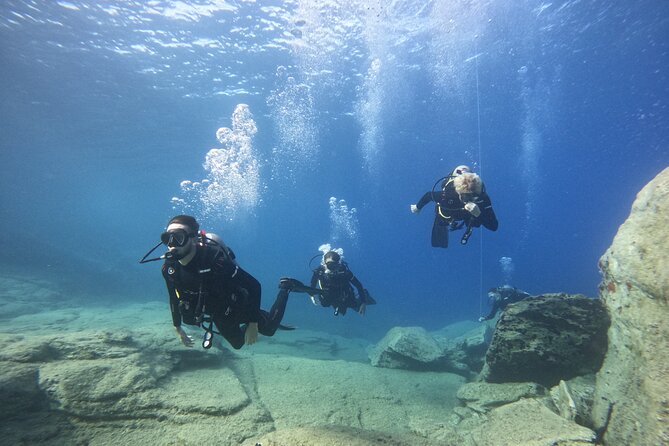
Your morning starts with a 9:00 am start and pickup arranged from near your hotel or property. Look for a car or mini bus with the Horizon sign outside your place, and then you’re driven to the water for the session. The meeting point is back at the Horizon base address in Gournes, so you’re not signing up for a complicated day-long journey across Crete.
Mononafitis beach is the kind of spot you want for a first underwater experience. It’s where the team runs early skills work and gets you comfortable entering the water from the beach. One review specifically described a calm lagoon-like area that suited non-divers well, with limited depth during the training stage—exactly the kind of environment that makes nerves settle fast.
You can also read our reviews of more tours and experiences in Crete.

The 4.5-hour flow: from paperwork to breathing skills
Even though the booking shows about 5 hours, the actual experience is around 4.5 hours. That time is used well, not wasted on long waits or awkward transitions. You’ll handle the basics first: a participant statement with a liability release form and a medical questionnaire.
Then comes the hands-on part. Expect a short briefing covering what to do before and during the session, including how to use the equipment and what signals to look for. After that, you’ll kit up with instructor support and start in the shallows to practice the skills that matter most—especially breathing and equalization pressure in your ears.
Finally, you’ll move out to the open water at a depth matched to your confidence. The instructors control the pace, and they adjust the experience so you’re not left feeling rushed or out of your depth—literally and figuratively.
Training that targets first-timer panic: safety that feels human
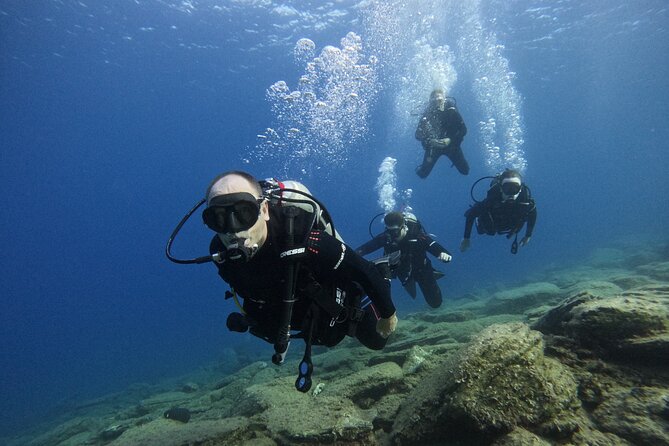
If you’re even slightly nervous about the physical side of scuba, this is the style of instruction you hope for. The team emphasizes safety in a way that’s clear and reassuring, not scary or vague. In multiple accounts, instructors were described as extremely reassuring, slow enough to build confidence, and attentive enough to help immediately when someone struggled.
A big example is equalization. You’ll learn the technique in the mini theory lesson, then practice it together in shallow water. If pressure equalization is tricky for you, you should feel encouraged here—one group account noted an instructor stepping in to help a diver who was having trouble, while another instructor handled the other participants and guided underwater positioning/sightlines.
You’ll also learn what to do if something doesn’t go as expected. That includes equipment failure procedures and clear instruction on how to respond during the session. It’s the kind of training that makes you feel like you have a plan, not just a checklist.
Gear, instructors, and the “hands on” approach that matters
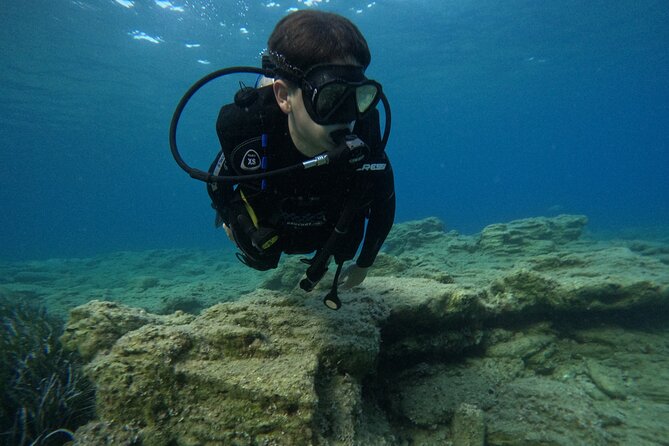
For me, the best beginner experiences are the ones where the gear doesn’t become a mystery. Here, instructors take time to explain how the equipment works, then help you get comfortable with it before you go deeper. One account highlighted how instructors handled the buoyancy vest/BC setup so participants could focus on learning the breathing rhythm and movements without extra stress.
You’ll also benefit from a small-team structure. The maximum group size is 8, and the instruction team often includes a main instructor plus an assistant. In practice, that means you’re not watching someone else figure it out while you wait your turn.
Guide names you may hear include Yiannis/Yannis and Ioannis, plus other instructor pairs such as Chris and Sarah in one account. Even when the exact team shifts, the teaching style stays consistent: patient, step-by-step, and tuned to your comfort level.
What you can realistically see under the surface
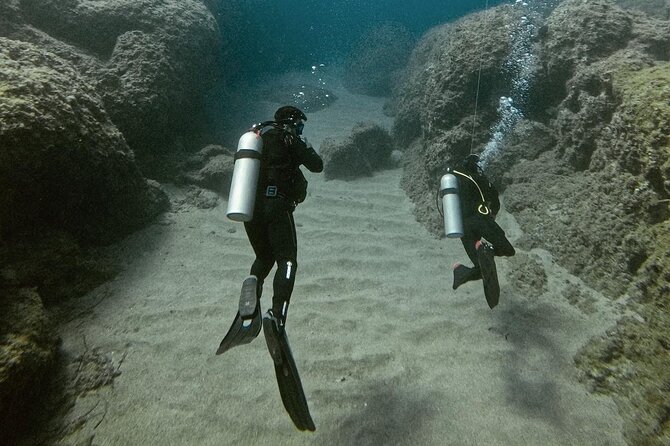
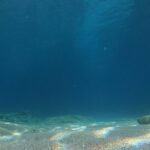
The underwater part is where people get the grin they came for. The water off Crete is clear enough to make the experience feel vivid and easy to enjoy.
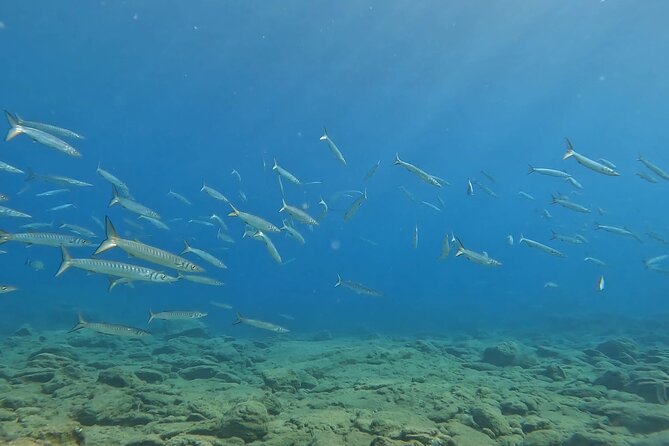
Expect fish life and schools of small fish as you settle into the session. Multiple accounts described a lot of fish activity right after the initial training work. You might also spot standout creatures mentioned in real experiences, like a black, spiky sea urchin, and even an octopus about the size of a softball in one story. Barracudas came up in another account too—nothing you can guarantee, but it’s a good sign that the area supports more than just tiny specks.
One question people bring up is sharks. I can’t promise what you’ll see, but one account specifically noted they were told there had never been sharks in the area. Still, the real win here is that you’ll understand what you’re doing and feel safe enough to notice what’s around you.



How photos and GoPro recording add value (or not)
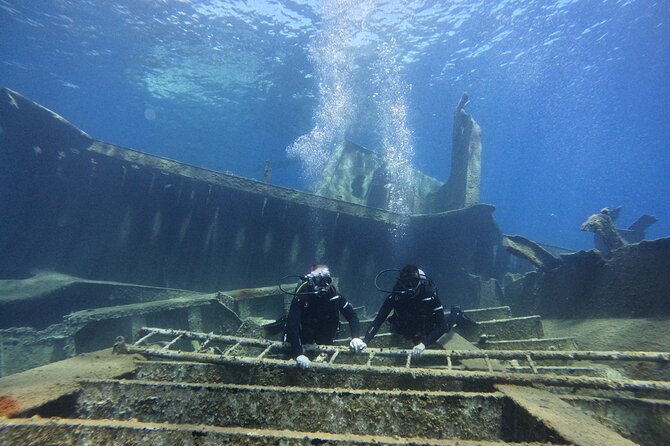
If you want proof besides “I felt amazing,” ask about the photo/video options. Several accounts mentioned that segments were recorded using a GoPro, with pictures taken throughout. Buying the photos and videos afterward can be a good way to capture the day, especially since underwater conditions can make it hard to remember exact details once you’re out of the water.
Even if you’re not photo-focused, the recording can still be useful as a memory tool. Just keep in mind that you’ll likely be offered the media after the experience, so budget a little extra if you know you’ll want it.
Price and what you actually get for $119.47
At $119.47 per person, you’re paying for a true beginner-focused program: pickup, small-group instruction, gear, the mini theory lesson, shallow-water practice, and the structured in-water coaching. For Crete, that’s a fair value when you consider the attention you get and the fact that they build in safety training and pacing instead of just getting you into the water and hoping for the best.
Also, some accounts noted extras like water and snacks, which helps the day feel less like a rushed “activity run” and more like a complete experience. Even if those items vary, the core inclusions—equipment and instruction—are what keep the cost from feeling like a gamble.
Who this is best for (and who should consider alternatives)
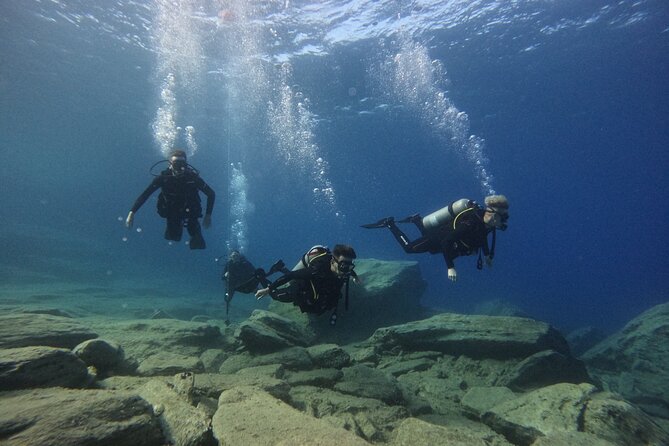
This is a strong fit if you’re:
- trying scuba for the first time
- a bit nervous and want patient support
- traveling with a partner or small group
- okay with learning basic safety and breathing skills
It also helps that swimming isn’t required, and the depth can be adapted to your comfort. Minimum age is 8 years old, which makes it possible for families—though you’ll still need to meet the medical requirements.
Skip (or choose another activity) if you know you have breathing-related issues or any medical concerns that could make recreational scuba unsafe. The questionnaire is there for a reason, and the team won’t ignore it. If you’re on the fence, consider checking with your doctor before your trip so you’re not dealing with disappointment on the day.
Practical tips for your 9:00 am start in Gournes
Plan for a calm start. The session begins at 9:00 am, and pickup is arranged outside your lodging. You’ll likely spend time moving between base and beach, so wear something you can change in and keep your essentials together.
Bring patience for the learning curve. Equalization can take a few minutes to feel natural, and buoyancy control gets easier once you’re in the rhythm. The instructors will guide you, but your job is to slow down and do the breathing/skill practice they teach.
If you’re worried about fitting gear, know that the team checks needs like wetsuit size in advance in at least some cases. So if you’re asked for sizing or details, answer quickly so you get a better fit.
Should you book this Heraklion scuba experience?
If your main goal is a safe, beginner-friendly first underwater session with calm instruction and real attention to your comfort, I think it’s a great booking. The small group size (max 8), the structured shallow training, and the focus on equalization make it feel less intimidating than many “try scuba” setups.
I’d only hesitate if you’re unsure about medical suitability, or if your schedule can’t handle a possible weather-driven date change. If you’re flexible and ready to learn, this is the kind of activity that can turn into a lifelong hobby—especially since the team explains how certification works if you want to continue later.
FAQ
What time does the experience start?
It starts at 9:00 am. The activity ends back at the meeting point in the Gournes area.
How long does it take?
The experience lasts about 4.5 hours (the overall booking duration is listed at about 5 hours).
Do I need to know how to swim?
No. Knowledge of swimming is not required, and the depth is adapted to your confidence level.
What languages are the instructions available in?
The mini theory lesson is offered in English (EN), French (FR), and German (GER).
Is there a medical questionnaire?
Yes. You’ll fill out a participant statement that includes a liability release form and a medical questionnaire. Its purpose is to find out whether you should be examined by a doctor before recreational scuba participation.
What if the weather is poor or I need to cancel?
The experience requires good weather. If it’s canceled due to poor weather, you’ll be offered a different date or a full refund. You can cancel for a full refund up to 24 hours before the start time. If you cancel less than 24 hours before, the amount paid isn’t refunded.