REVIEW · SICILY
Etna Hard Tour
Book on Viator →Operated by Etna Quad Excursion · Bookable on Viator
Etna calls, and this tour answers with engines. The Etna Hard Tour is built for people who want to ride close to the volcano, not just park and stare. You’ll cover 20% road and 80% off-road as you work your way up from the foothills to around 2,000 meters.
What I like most is the mix of terrain and the way the route keeps moving—lava flow cave, lava flows, the Bove Valley, then higher ground with views over Etna’s active zones. The other big win is the guide’s on-the-ground explanation of what you’re seeing and how the ground behaves under your quad. One thing to consider: this is physical and dusty-road serious, so if you’re expecting an easy stroll, you’ll feel the difference fast.
Safety talk and terrain rules are part of the package. In one experience described by a previous rider, the operator was very strict about seating and child safety, and that changed the vibe for that group. If you want maximum freedom and minimal instruction, this probably won’t feel like a fit.
In This Review
- Key Highlights You’ll Care About
- Where the Etna Hard Tour Starts (Pedara Base, Not the Big Scenic Roads)
- Getting Quad-Ready: The Briefing That Sets the Tone
- Stop 1: Mount Etna—Lava Flow Cave and Lava Flows Up Close
- The Bove Valley Segment: When the Ride Becomes the Sight
- Climbing Toward 2,000 Meters: What Changes at Higher Elevations
- Silvestri Craters, Side Craters, and the 2001 Flow
- Descending Back to 850 Meters: Dirt Roads, Timing, and Comfort
- Price and Value: Is $324.06 Worth an Etna Quad Group?
- The Real Deal: What Makes This Tour Feel Like an Etna Adventure
- Who Should Book This (and Who Might Be Happier Elsewhere)
- Quick FAQ
- FAQ
- How long is the Etna Hard Tour?
- Where does the tour start and end?
- What is the group size limit?
- Is there off-road riding?
- What language is the tour offered in?
- What altitude does the tour reach?
- What places on Etna will you visit?
- What’s included in the price?
- Is it good for people with limited physical fitness?
- Can I cancel for free?
- Should You Book the Etna Hard Tour?
Key Highlights You’ll Care About
- Real off-road time on Etna instead of a quick roadside viewpoint stop
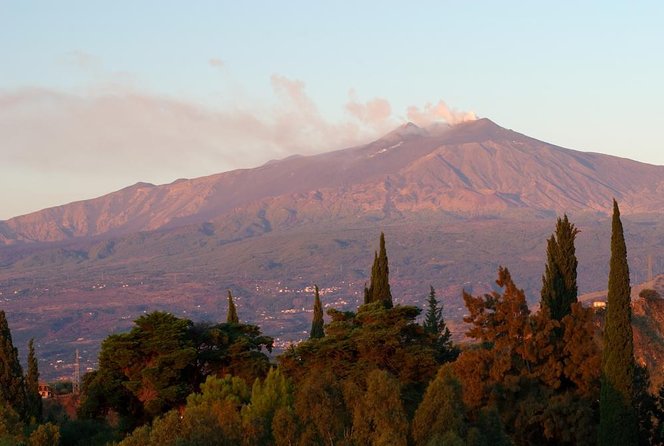
- High altitude reaches ~2,000 meters plus crater stops tied to active areas
- Lava flow cave and lava flow visit gives you a hands-on sense of volcanic terrain
- Bove Valley routing adds variety beyond the obvious summit roads
- Small group size (max 10) makes it easier to hear the guide and follow directions
- Admission ticket included/free means fewer “extra costs” surprises
Where the Etna Hard Tour Starts (Pedara Base, Not the Big Scenic Roads)
This quad excursion runs out of Pedara, with the meeting point at Via Martiri di Cefalonia, 95030 Pedara CT, Italy. Starting here matters because you’re not just shoehorning the day into a shuttle loop—you’re getting set up in the Etna foothills, then working upward step by step.
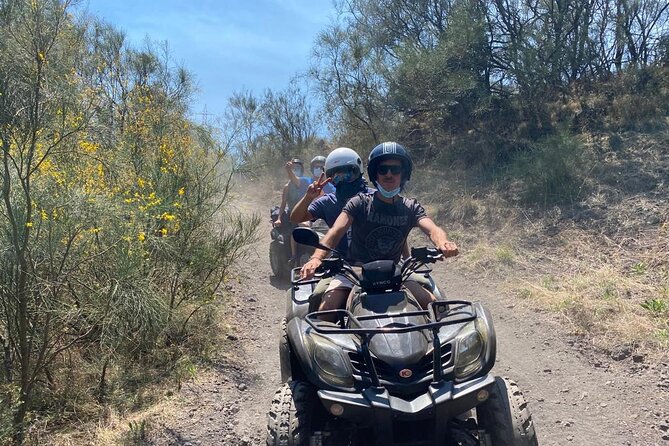
Expect to gear up for a practical outdoor day. You’ll meet a quad driver/nature guide who covers how the quad works and what you need to do for safety before you move. That early orientation isn’t just formality. On a route that’s mostly off-road, a few correct habits make the difference between “fun adventure” and “white-knuckle frustration.”
Also note the tour is offered in English and uses a mobile ticket, so it’s easier to manage than paper-only logistics. It’s near public transportation too, which helps if you’re not driving in Sicily.
You can also read our reviews of more tours and experiences in Sicily.

Getting Quad-Ready: The Briefing That Sets the Tone
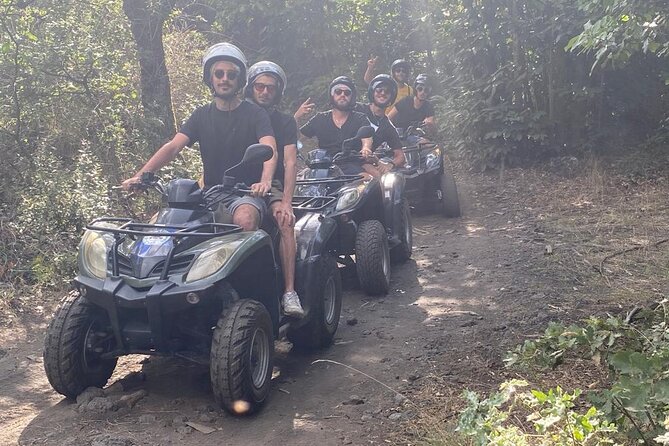
The first phase is the orientation. You’ll meet your guide/driver at the start, learn the correct use of the quad, and get guidance on how the group will travel. This is one of the most important parts of the tour because off-road riding has rules that aren’t obvious until you’re on rough ground.
Based on the feedback you can learn from, the operators take safety seriously. In one described case, the operator corrected a seating choice involving a child. The point wasn’t attitude—it was that safety rules (and local requirements) were non-negotiable. If you travel with kids or you’re bringing anyone who might need extra consideration, go in knowing that the team’s job is to keep riders secure and legally compliant.
This tour is also not for the “I’ll just sit back and relax” crowd. The tour notes strong physical fitness. That doesn’t mean you need to be a mountain athlete, but it does mean you should be comfortable with bumps, uneven terrain, and the effort that comes with active riding.
Stop 1: Mount Etna—Lava Flow Cave and Lava Flows Up Close
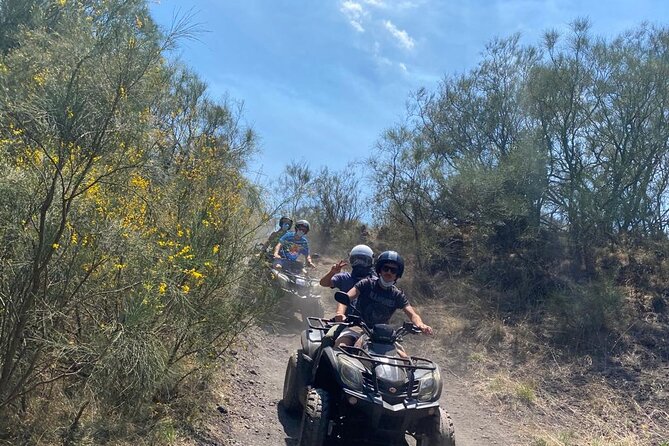
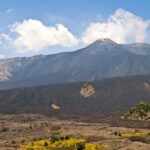
Once you ride out, the first big wow-factor comes early: you visit a lava flow cave and then lava flow terrain. This is where Etna stops being “a mountain” and becomes a real, physical place.
A lava flow cave is special because it compresses the story of the eruption into something you can see and walk around. Even without technical geology talk, you’ll notice the way volcanic material formed and where the ground feels solid versus hollow. It’s the kind of stop that makes you understand why this area is treated carefully—this isn’t just scenery, it’s a living hazard shaped into land.
Then you move onto lava flow surfaces. The experience is not about looking for a pretty postcard angle. It’s about seeing how the terrain changes textures and shapes, and how that affects driving. Off-road riding makes that connection immediate: the ground isn’t theoretical; it’s what your quad grips or slips on.
If you’re the type who wants “maximum volcano time,” this is also a good sign. The tour’s structure isn’t built entirely around viewpoints. It includes terrain-based stops that keep you engaged.
The Bove Valley Segment: When the Ride Becomes the Sight
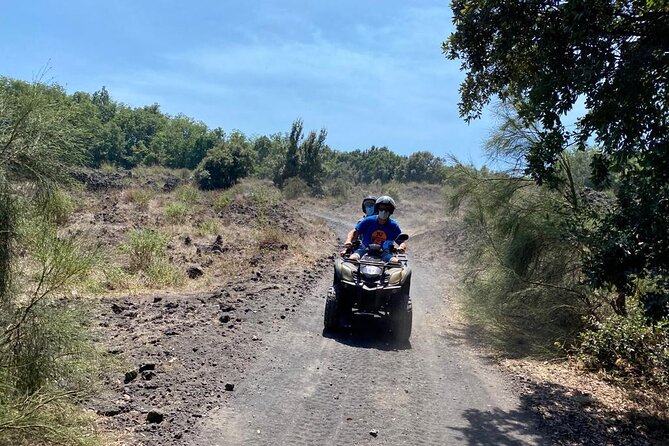
After the initial volcanic stops, you head into the Bove Valley. This part feels different because it shifts from “specific volcanic features” to “bigger systems.” Valley terrain tends to change sightlines and wind patterns, so you’ll feel like you’re in a different zone than where you started.
Bove Valley is a name you’ll hear around Etna, and here it works as a routing anchor. The tour isn’t just going up in a straight line. It’s using terrain paths that create variety—road stretches, then dirt, then rougher sections again.
For your day-planning brain, this matters: if you’re doing Etna on a schedule, you’ll want to know whether the tour spends time cruising versus truly riding. With 80% off-road, this isn’t the kind of day where you’ll get bored in the middle. You’re actively traveling, and that keeps energy up for the later altitude.
Climbing Toward 2,000 Meters: What Changes at Higher Elevations
Then the tour starts building toward altitude. You’ll continue the climb until you reach about 2,000 meters, which is where the experience turns into a “big Etna” day.
High elevation on Etna can mean cooler air, more wind, and different ground behavior. Even if you don’t feel dramatic changes, you’ll likely notice that the experience gets sharper: the terrain looks more exposed, and your ability to see distances improves.
This is also a good point to think about clothing. You’ll be moving, but you might still need layers. The tour is described as “hard,” and part of that “hard” can simply mean changing conditions—warm at the start, cooler later, especially if the day runs long.


Silvestri Craters, Side Craters, and the 2001 Flow
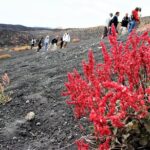
At around 2,000 meters, you’ll visit silvestri craters, plus side craters and the 2001 flow. This section is the core “why Etna” moment for most people.
Craters are memorable because they’re not just a shape; they’re a story of where material erupted and how the ground re-formed. Silvestri craters and nearby crater areas give you a more layered sense of volcanic activity than a single observation point.
Then there’s the 2001 flow. A lava flow from a known eruption year is a powerful anchor because it makes the land feel less like ancient history and more like “this happened, and it changed everything.” You’ll be at enough altitude that you can sense how the eruption carved pathways and left rough surfaces behind.
A practical tip: even when you’re not a “photo person,” spend a few minutes just standing still here. When you’re riding a quad for hours, you can forget how big the view is. A short pause helps you actually absorb what you climbed for.
Descending Back to 850 Meters: Dirt Roads, Timing, and Comfort
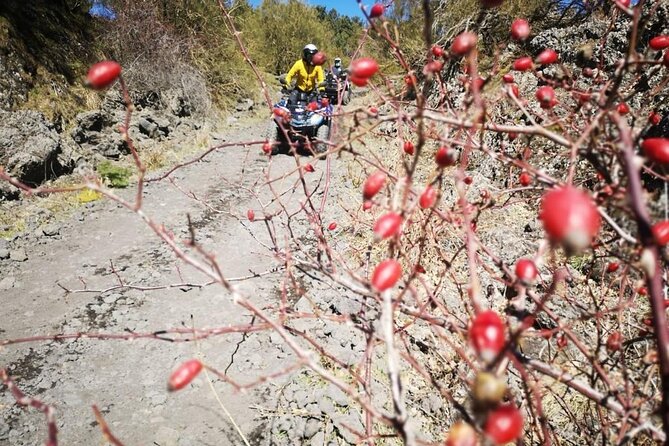
After the crater and flow visits, you descend back toward the starting area between the road and the last dirt stretch at about 850 meters altitude. This matters because the descent is often where people feel the day’s length.
Going down off-road can be physically and mentally tiring. Your body works to stabilize through bumps, and your attention stays on terrain. It’s not the same as a smooth road return.
Also, at least one earlier rider noted the ride back happening in the dark. That’s not stated as a guarantee for every day, but it’s a real-world caution: if you book for later in the day, expect that daylight may be limited depending on season. Bring a warm layer and keep your eyes flexible for changing light.
The payoff is that you finish back at the same meeting point. That simplicity helps—no complicated transfers needed after you’ve already done the active part.
Price and Value: Is $324.06 Worth an Etna Quad Group?
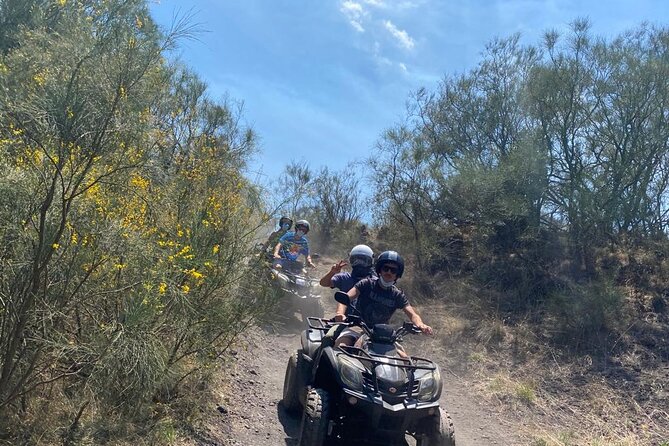
The price is listed as $324.06 per group (up to 2), running about 4 hours. That framing changes how you should judge value.
First, this isn’t a bus tour where many people share one vehicle. You’re riding quads on a mostly off-road route with a guide actively managing safety and terrain. That’s time on equipment, fuel (fuel surcharge is included), and an operations team that’s keeping a small group moving.
Second, the tour includes an admission ticket free as part of the experience. When you compare Etna tours, those “extra” fees can quietly stack up elsewhere. Here, you don’t have to hunt for one more line item.
Third, small group size matters. With a maximum of 10 travelers, the guide has more control of spacing and instruction. That’s not just comfort—it can change your actual safety and enjoyment level on rough ground.
Where the value can drop is expectations. If you come hoping for a casual adventure with lots of downtime and very minimal correction, you might feel you paid “too much for not enough fun.” One criticism mentioned the experience felt more controlled than expected, and the rider felt the route wasn’t delivering enough pure volcanic seeing time. The lesson for you: choose this tour if you want active riding plus crater stops, and understand that safety rules will be enforced.
The Real Deal: What Makes This Tour Feel Like an Etna Adventure
The best part of the Etna Hard Tour is that it gives you closeness. You’re not just passing by volcanic features—you’re visiting them as part of a ride, which makes the experience physical and memorable.
The other strongly praised element is the guide’s knowledge about the terrain. On Etna, the “terrain” isn’t just dirt and rocks. It affects how the quad moves, how the route feels, and how safe it is. A guide who can explain what you’re crossing helps you feel more confident, not less.
Off-road riding also changes how you see Etna. When the ground is uneven and the route forces your attention, your senses sharpen. You notice wind, textures, and how the valley opens up. That’s one reason people call it a real Etna experience.
The balanced takeaway: you’ll enjoy this most if you’re okay with instruction, okay with physical effort, and okay with that “nature guide plus hard terrain” style.
Who Should Book This (and Who Might Be Happier Elsewhere)
This is best for people who:
- want a quad-based Etna day, not a slow sightseeing circuit
- are comfortable with bumps and uneven surfaces (strong physical fitness is recommended)
- like learning while moving, not standing still for long periods
- prefer smaller groups (max 10)
It might be less ideal if:
- you’re looking for a low-effort, minimal-instruction outing
- you want strictly relaxed timing with no safety rule enforcement
- you’re traveling with anyone whose needs might conflict with vehicle safety requirements
If your priority is simply being on the volcano while staying comfortable, you could look at more road-forward options. But if your priority is the “hard” part—lava, craters, and dirt roads—this fits the brief.
Quick FAQ
FAQ
How long is the Etna Hard Tour?
It lasts about 4 hours.
Where does the tour start and end?
It starts at Via Martiri di Cefalonia, 95030 Pedara CT, Italy and ends back at the same meeting point.
What is the group size limit?
The maximum group size is 10 travelers.
Is there off-road riding?
Yes. The route is described as 20% on road and 80% off road.
What language is the tour offered in?
The tour is offered in English.
What altitude does the tour reach?
You’ll visit areas around 2,000 meters, then descend back to about 850 meters.
What places on Etna will you visit?
You’ll visit a lava flow cave, lava flows, the Bove Valley, and at higher altitude silvestri craters, side craters, and the 2001 flow.
What’s included in the price?
Fuel surcharge is included, and the admission ticket is free. You’ll also receive a mobile ticket.
Is it good for people with limited physical fitness?
The tour notes that travelers should have a strong physical fitness level.
Can I cancel for free?
You can cancel up to 24 hours in advance for a full refund.
Should You Book the Etna Hard Tour?
Book it if you want a practical, active Etna day: quads, lava terrain, and crater stops with a guide who’s focused on how the ground works. The value is strongest when you match the “hard tour” expectations—physical effort, off-road time, and safety rules.
Skip it (or choose something gentler) if your ideal Etna visit is mostly comfortable sightseeing with minimal instruction. Also, if you’re sensitive to timing around daylight, plan for possible cooler return conditions and bring layers.
If your travel style is: ride, learn, and get close to volcanic terrain, this is the kind of Etna tour that actually delivers.