REVIEW · CRETE
Cretan Delights – Wine, Olive Oil & Cooking Workshop from Chania
Book on Viator →Operated by GS TOURS CHANIA LTD · Bookable on Viator
Cretan culture tastes better than it sounds. This full-day ride from Chania mixes olive oil, wine tasting, and Cretan cooking so you get the food, the people, and the stories in one smooth loop. I like that the day is paced with real production stops, not just photo stops.
The hands-on cooking class at Melidoni is a big highlight, and you’ll leave with techniques you can actually use at home. One thing to plan around: wine tasting isn’t allowed for children under 18, so if you’re traveling with teens or younger kids, they’ll need an alternate focus for part of the day.
In This Review
- Key highlights worth getting excited about
- A 6-hour Crete day that feels like real life
- Apokoronas culture first: museum, handicrafts, and Emprosneros
- Winery Dourakis: tasting Vidiano, Vilana, Malvasia, and Kotsifali
- Tsivaras olive mill: where the oil smell does half the talking
- Melidoni cooking class: hands-on skills, then a family house visit
- Lunch on Crete: what you’ll likely eat and why it hits
- The guides and small-group feel: clear info, jokes included
- Value check: $474.33 and what you’re really paying for
- Who should book Cretan Delights from Chania
- Should you book? My take
- FAQ
- What time does the tour start?
- How long is the Cretan Delights tour?
- Does the tour include pickup from your hotel?
- Is wine tasting included, and is it allowed for children?
- What happens at the winery stop?
- What do you do at the olive oil stop?
- What’s included in the price?
- Can the tour be canceled for a refund?
Key highlights worth getting excited about
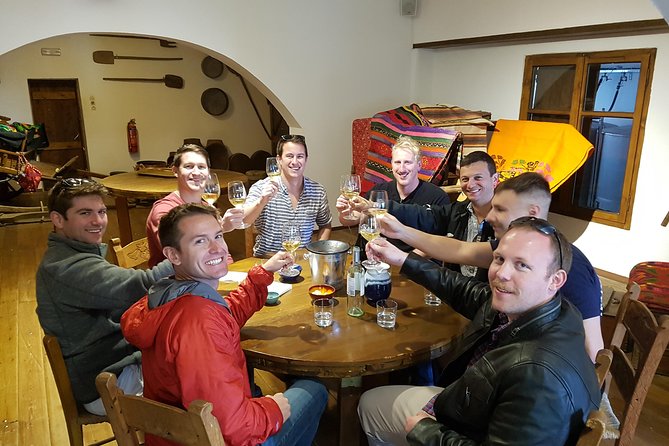
- Wine tasting with local grapes at Winery Dourakis, including Vidiano, Vilana, Malvasia, and Kotsifali
- Olive mill experience at Tsivaras where the oil-making aromas are part of the show
- Hands-on cooking class at Melidoni plus time in a family house with themed rooms
- Historic Emprosneros monuments, including Alidakis Tower, for context beyond the food
- Small group limit of 15 with a guide team that explains clearly and keeps things light
A 6-hour Crete day that feels like real life
This is one of those tours where the schedule makes sense. You start in the morning (it kicks off at 9:00 am) and spend the day moving through Apokoronas like you’re spending time with locals: a museum and historic sights for context, then hands-on food stops, then lunch, then back toward Chania.
The core idea is simple: Crete’s identity shows up in what people make—olive oil, wine, cheese, rusks—and in how families pass those skills along. You taste and you cook, but you also see why those foods matter in the everyday rhythm of the island.
The practical side is strong too. You get air-conditioned transport (a minivan/minibus), bottled water, and a guide team that includes an English-speaking local driver/guide plus a wine specialist. For a day that’s otherwise all driving, that structure helps you relax and enjoy.
You can also read our reviews of more tours and experiences in Crete.
Apokoronas culture first: museum, handicrafts, and Emprosneros
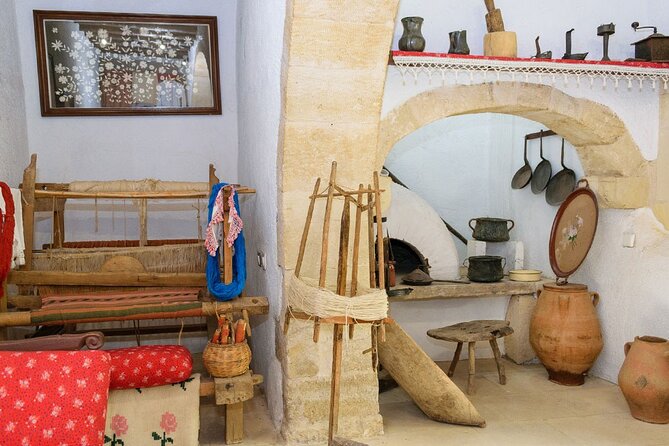
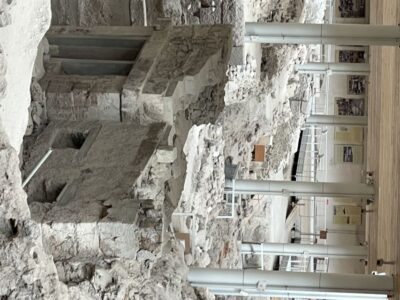
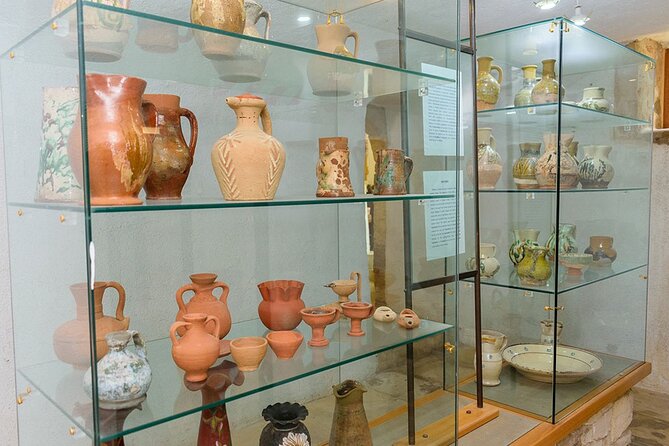
Before you head deep into food production, you get the cultural frame. Part of the day is spent at the Apokoronas Museum, where you learn about Cretan life, traditions, and handicrafts. It’s the kind of stop that makes the tastings afterward click. Olive oil and wine aren’t just products on a shelf here; they’re tied to work, seasons, and local skill.
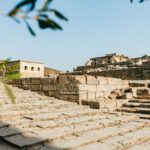
You also get time around Emprosneros and Alidakis Tower. That historic angle matters because it reminds you this region isn’t only about agriculture—it has old-world structure, too.
One practical note: this portion of the day can involve some walking. Wear comfortable shoes. Crete is usually friendly for feet, but you’ll get more out of the sights if you’re not dealing with sore legs by the time cooking starts.
Winery Dourakis: tasting Vidiano, Vilana, Malvasia, and Kotsifali
Wine tasting is the first big flavor moment, and Winery Dourakis sets the tone. You’ll taste multiple Cretan varieties, including Vidiano, Vilana, Malvasia, and Kotsifali. That’s a smart lineup if you want to understand Cretan wine beyond one generic taste.
What I like about this stop is the variety. Each grape carries a different character, and tasting several in one session helps you spot the differences faster. You also get the fun of comparing how Cretan wine tastes when it’s connected to local agriculture instead of imported expectations.
Expect the tasting to be paced and guided. The tour includes a wine specialist, which usually means you won’t be left standing around with a paper cup and random questions.
If you’re a wine fan, this is where you’ll notice the most value: you’re paying for a structured, guided tasting rather than a casual visit. If wine isn’t your top priority, you can still enjoy it, but the olive oil and cooking are likely to be the emotional payoff for you.
Tsivaras olive mill: where the oil smell does half the talking
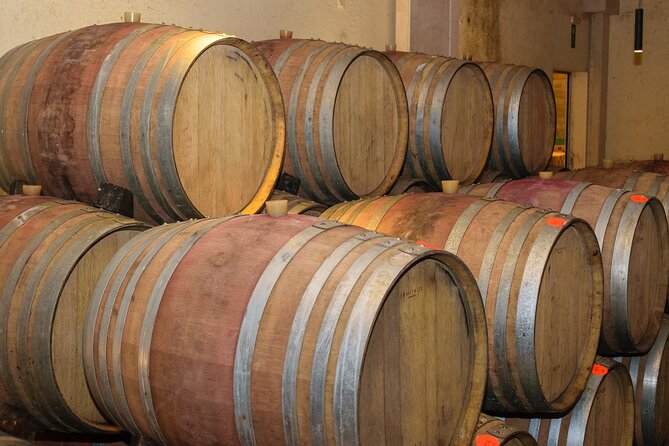
Next comes Tsivaras, and this is one of those stops where your senses get a workout. You begin at a local olive mill, and the air is filled with the scent of olive oil production.
You’ll see the age-old process of crafting olive oil and then get a tasting that focuses on the nuances of the olives themselves. That’s important. A lot of tastings at home never make it past labels. Here, the idea is to connect flavor to process—how the oil is made influences what you perceive in the glass.
This is also a great stop if you love food details but don’t want a “classroom” vibe. The guide can explain the story, but you’re grounded in what’s physically happening in front of you: production, aroma, and tasting.
Timing-wise, it’s about one hour, so it’s long enough to be meaningful but not so long that you lose the thread. By the time you move on, your brain is already “in food mode,” which makes the next stop more rewarding.
Melidoni cooking class: hands-on skills, then a family house visit
This is the day’s centerpiece. Melidoni takes about four hours, and it’s built around a 100% hands-on cooking class where you prepare authentic Greek and Cretan recipes with step-by-step guidance.
This matters because you’re not just tasting—you’re learning. You’ll pick up techniques and flavor logic that you can recreate later. Even if you’re not a confident cook, a hands-on format usually helps. You can follow along, taste as you go, and ask questions without worrying about talking too much.
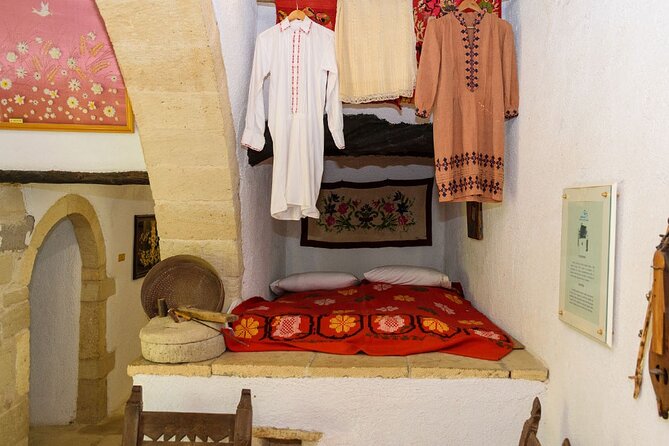
After cooking, you also explore a family house with themed rooms. It’s a neat extra cultural layer because you see how heritage shows up in homes, not just in museum displays.
Practical tip: cooking classes get messy in a friendly way. You’ll likely want sleeves you don’t mind a little stain risk. And since the tour already includes lunch later, don’t go too heavy on snacks before you arrive at Melidoni.


Lunch on Crete: what you’ll likely eat and why it hits
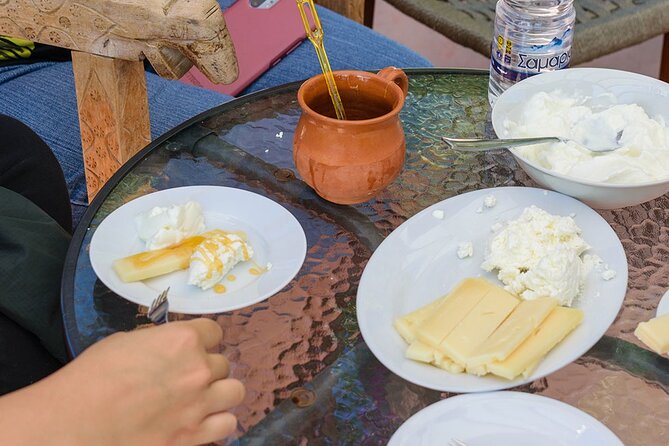
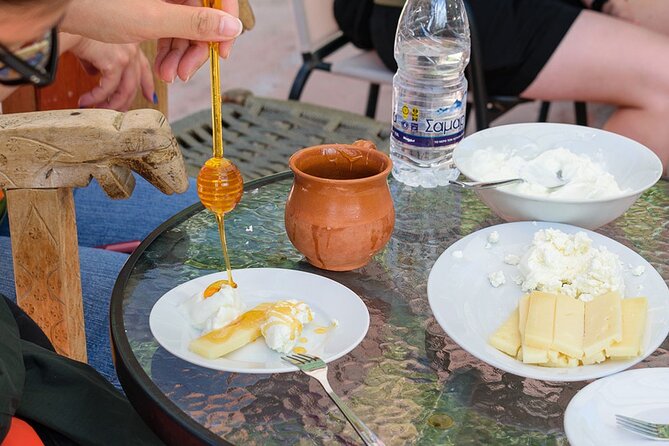
Lunch is included and it’s traditional Cretan cuisine. The tour also builds around tasting bites earlier in the day—things like rusks, raki, and cheeses are part of the overall sampling described for this experience.
That combination works well because lunch doesn’t feel like a random pause. It feels like the center of gravity after you’ve already tasted what the region produces. You end up eating with more context: the oil you smelled, the wine you tasted, and the flavors you helped cook.
Also, bottled water is provided, which is a small detail but it helps on a full day. If you’re someone who tends to forget water until you’re already thirsty, you’ll appreciate that.
The guides and small-group feel: clear info, jokes included
A major reason people rate this so highly is the tour tone. The day is led by a local team, and names like Dimitri and Andreas come up with praise for clear explanations and a good sense of humor.
You don’t just get facts. You get explanations that stick, plus light humor that keeps the long day from feeling heavy. That’s a big deal when your schedule includes multiple stops and tastings. A small group helps too.
The tour is limited to 15 people, so you’re not fighting for attention. And it’s described as private in the sense that only your group participates—so even if you’re traveling solo or as a couple, you shouldn’t feel like you’re disappearing into a large crowd.
If you like walking away with specific takeaways—like what each grape brings or why Cretan food tastes the way it does—this format is built for you.
Value check: $474.33 and what you’re really paying for
At $474.33 per person, this isn’t a budget excursion. But it can still look like good value because the day bundles a lot:
- Transport from Chania in an air-conditioned vehicle
- A guided wine tasting (including winery entry)
- Olive mill experience with tasting
- A long cooking session (the big time and skill investment)
- Traditional lunch
- Bottled water
Two more details push the value up. First, you’re not paying separately for every component. Second, the schedule is designed so you spend time in production and cooking—things you can’t recreate as easily on your own without planning.
Where the price might feel high is if you’re only there for a quick snack-and-photo day. This tour expects you to participate: taste, learn, cook, and ask questions.
Who usually finds the sweet spot? Food lovers, wine-curious travelers, and people who want to bring something home—either recipes or at least a deeper understanding of what they’re eating.
Who should book Cretan Delights from Chania
This is a strong fit if:
- You want a day that combines culture plus food, not one or the other
- You enjoy structured tastings with explanation, not just free sampling
- You like small groups and a more personal pace
- You’re interested in both wine and olive oil, plus actual cooking
It might be less ideal if:
- You’re traveling with kids under 18 who want to do the wine tasting (wine isn’t allowed for them)
- You prefer very slow, minimal walking days
- You don’t eat or drink much and would rather spend the day touring sights at your own speed
For families, the cooking and lunch portion can still be fun, but plan around the wine-tasting age rule.
Should you book? My take
If you’re choosing between a generic wine day and a cooking class that’s only about the kitchen, this one is better because it links both worlds. You get olive oil production, a guided multi-grape tasting, and then a long hands-on cooking segment that gives you real skills.
I’d book it when you want one ticket to solve multiple parts of your Crete checklist: learn the culture, taste the region, and go home with food knowledge you can use.
If you’re mostly price-sensitive, then you might feel the cost. But if you value guided tastings, included lunch, and a serious cooking session, the $474.33 starts to look like you’re paying for time, access, and instruction—not just food samples.
FAQ
What time does the tour start?
The tour starts at 9:00 am.
How long is the Cretan Delights tour?
It runs for about 6 hours.
Does the tour include pickup from your hotel?
Pickup is offered.
Is wine tasting included, and is it allowed for children?
Wine tasting is included. Wine tasting is not allowed for children under 18; water or fresh orange juice is offered instead.
What happens at the winery stop?
At Winery Dourakis, you’ll taste Cretan wine varieties including Vidiano, Vilana, Malvasia, and Kotsifali. Admission is included.
What do you do at the olive oil stop?
You visit a local olive mill at Tsivaras, learn about the olive oil process, and do a tasting. Admission is free.
What’s included in the price?
Included are the English-speaking guide and wine specialist, wine and food tasting, traditional Cretan lunch, air-conditioned transport, and bottled water per person.
Can the tour be canceled for a refund?
Yes. Free cancellation is available up to 24 hours before the experience starts for a full refund. If you cancel less than 24 hours before, the amount paid is not refunded.