REVIEW · PAPEETE
Moorea Street Food Tour
Book on Viator →Operated by Tahiti Food Tours · Bookable on Viator
Street food on Moorea beats another beach day. This half-day Moorea street food tour pairs 6–8 tastings with a local guide like Heimata, so you understand why French, Chinese, and Polynesian flavors show up where they do, and you cruise the north side with almost no walking. I especially like the small-group size (max 8) and the way the guide turns food into stories about island life. One consideration: there is no real vegetarian or vegan option, so you’ll want to plan around that and ask about allergies early.
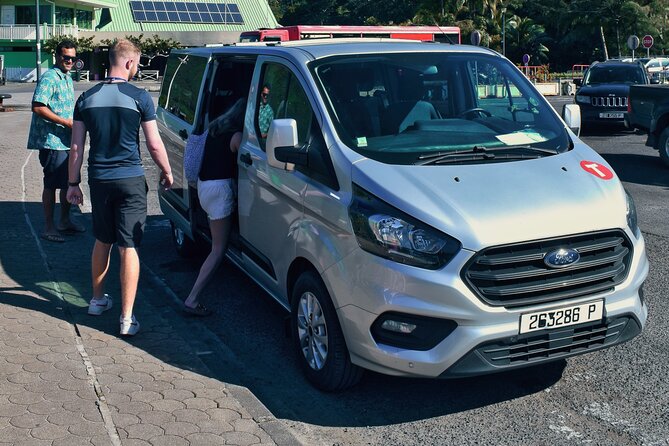
Pickup runs 8:00–8:30 from select resorts (and port areas) before the tour starts around 9:15, usually in an air-conditioned 4×4 or minivan. Tastings come with bottled water, but coffee, soda/pop, and alcoholic beverages are listed as not included, even though the description references some alcohol; if you want beer or wine, budget extra and remember the 18+ drinking age rule applies.
Guides run in English and French, and many groups are led by Heimata (Moorea-born chef) or Mareva. Expect conversation that ranges from ingredients to local politics, ecology, and French culture—because on this tour, every bite has a reason.
In This Review
- Key highlights worth your attention
- Why This Moorea Street Food Tour Feels Like More Than Food
- Pickup, Timing, and the North-Side Drive You’ll Appreciate
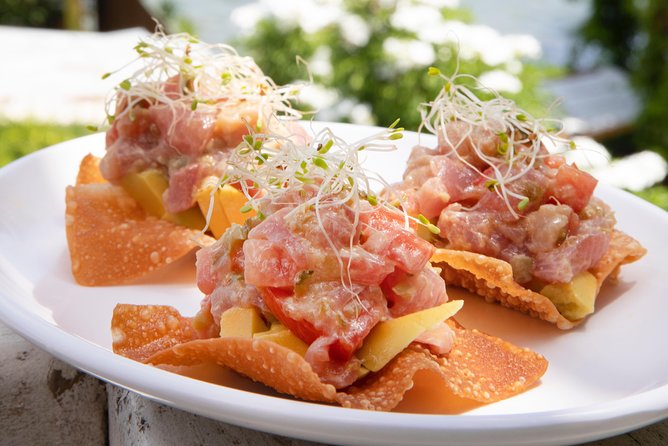
- What You’ll Actually Eat: Fruits, Pies, Bread, and Fish
- Poisson Crue and the Reason the Flavors Make Sense
- The Guides: Heimata, Mareva, and How Conversation Changes the Tour
- Drinks, Alcohol, and How to Avoid a Dry Surprise
- What to Wear and How Active This Tour Really Is
- Shopping Time and Bringing Home a Few Favorites
- Value: Is $73 Worth It on Moorea?
- Who Should Book This Tour (and Who Should Rethink It)
- Should You Book This Moorea Street Food Tour?
- FAQ
- How long is the Moorea Street Food Tour?
- How many food tastings are included?
- Is hotel pickup included?
- Where does the tour focus on the island?
- Are vegetarian or vegan options available?
- Is alcohol included?
- Is there a lot of walking?
- What languages are the guides?
Key highlights worth your attention
- Max 8 people means you actually talk with the guide, not just hear a script.
- 6–8 food tastings plus bottled water keeps things satisfying without turning into a full meal.
- Mostly driving, very little walking makes it a good choice even when you’re tired from beach time.
- North-side Moorea route lets you see more of the island than just resort roads.
- Heimata and Mareva bring chef-level food talk, plus big-picture stories about where flavors came from.
- No guaranteed vegan/vegetarian option—so it’s best for meat-and-fish eaters.
Why This Moorea Street Food Tour Feels Like More Than Food
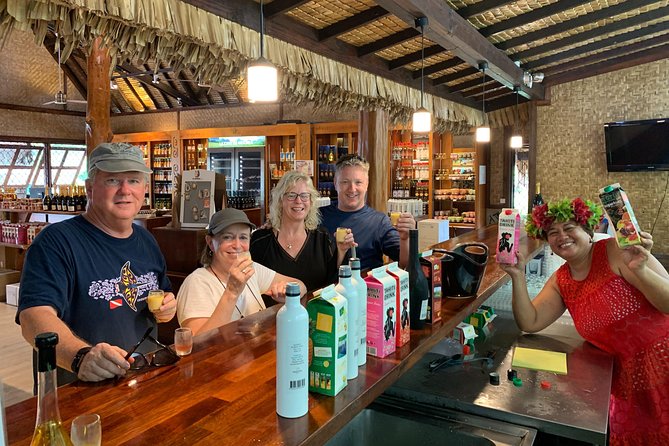
If you’re in Moorea for a few days, it’s easy to eat well while still only seeing the same few roads. This tour is built to fix that: you trade one stretch of resort dining for a guided food route that also acts like quick island sightseeing. You get stops at local snack places and small joints, and the guide explains what you’re eating and why it belongs in French Polynesia.
One of the best parts is that the food reflects the island’s mix of influences. You’ll taste combinations that don’t feel random—French-style pastry ideas show up alongside Chinese-influenced items and classic Polynesian ingredients. Instead of just saying something is tasty, your guide ties flavors to history and everyday life, from what people eat seasonally to how ingredients travel.
The second thing I like: the tone stays friendly and personal. With a group capped at eight, you can ask questions and steer the conversation toward what you care about—food, culture, or even how island ecology affects what’s on a menu. One downside worth noting upfront: if you eat vegetarian/vegan, you may find your options limited, because the tour’s notes say there’s no true vegetarian or vegan menu and accommodations aren’t guaranteed.
You can also read our reviews of more tours and experiences in Papeete.

Pickup, Timing, and the North-Side Drive You’ll Appreciate
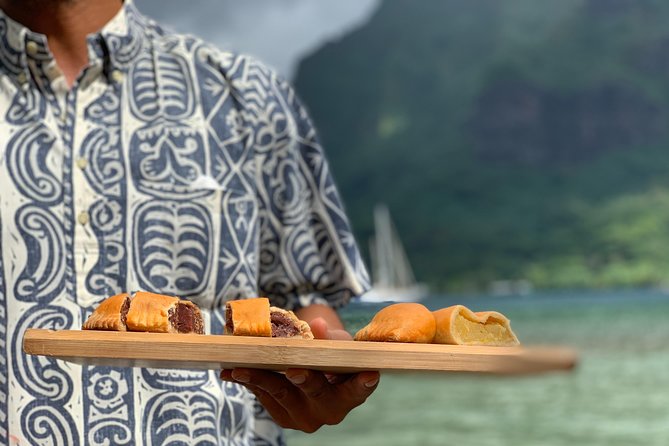
This is a half-day tour in practical clothing and practical timing. Pickup typically starts between 8:00 and 8:30 am from select resorts and nearby accommodations in the area, and then the first tasting stop happens around 9:15 am. Plan on being out for about 4 to 5 hours from start to finish.
Most of the tour is done by car—think air-conditioned minivan or a 4×4 safari-style route, or sometimes a truck depending on the day. That matters because Moorea can feel big when you’re on foot. Here, you spend your energy on eating and looking out the windows, not on long walks or steep terrain.
You also cover the island’s north side, with multiple stops along the way. Even when the day is rainy, one group said the tour still felt like a smart fit (since you’re not relying on constant outdoor sightseeing). Still, the operator notes the experience requires good weather, so if conditions are poor, it can be rescheduled or refunded—don’t plan on it as your only outdoor activity.
If you’re arriving by cruise, port pickup and drop-off are included, but you’ll need to provide your ship name and key times when booking. That’s a good sign: the tour is meant to work for real schedules, not vague ones.
What You’ll Actually Eat: Fruits, Pies, Bread, and Fish
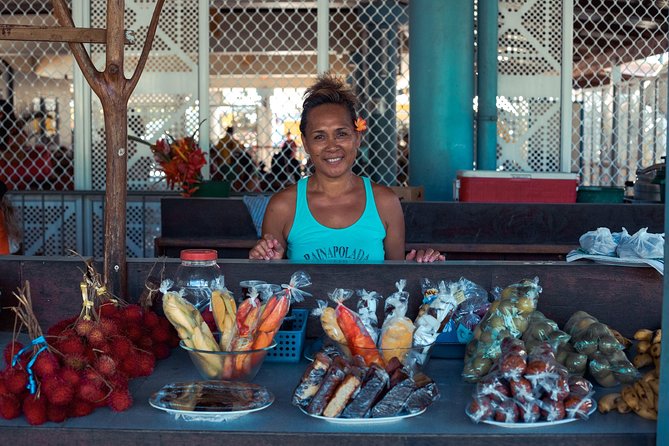
This tour is built around 6–8 tastings, and you should come hungry. Your guide takes you to local favorites—vendors, snack stands, cafes, and small businesses—so you get variety without needing to do research.
You can expect a mix of snacks and island specialties, including items like:
- local seasonal fruits
- cause-croute snack foods
- breads
- fruit pies and meat pies
- mape nut
- ma’a tinito
- fish dishes such as poisson crue
A few specific foods stood out in people’s experiences, too. One review highlighted fresh pineapple, roasted chestnuts (mopé), and cold coconut cubes. That’s a good clue about what “street food” means here: not just fried snacks, but also simple, ingredient-forward bites where fruit and coconut take center stage.
One practical note: the tour includes bottled water, but coffee/tea and soda/pop are listed as not included. So if you like a morning caffeine hit, plan to get it before pickup or bring your own strategy. Also, alcoholic beverages are treated differently in the details (see the drinks section below), so don’t count on beer or wine being included.
Poisson Crue and the Reason the Flavors Make Sense
Poisson crue is one of those dishes that sounds intimidating until you understand it. On this tour, fish like poisson crue isn’t just a novelty—it’s part of a wider story about how people use fresh ingredients and seasonality.
What I like about this style of tour is that it teaches you how to read the island through food. Your guide doesn’t just point at a plate and move on. They explain how flavors arrived—French and Chinese influences are specifically mentioned as part of what shapes what you’ll find in Moorea today. Then they connect those influences to local ingredients, so you start seeing the logic behind the menu.
Expect stops where the tasting is small but intentional, like a bite-sized crash course. You’ll likely get some sweet moments too, not only savory. One review even mentioned desserts and highlighted the fact that the tour makes it easier to repeat your favorite flavors later in the day, because you learn what to ask for and where to find it.
The Guides: Heimata, Mareva, and How Conversation Changes the Tour
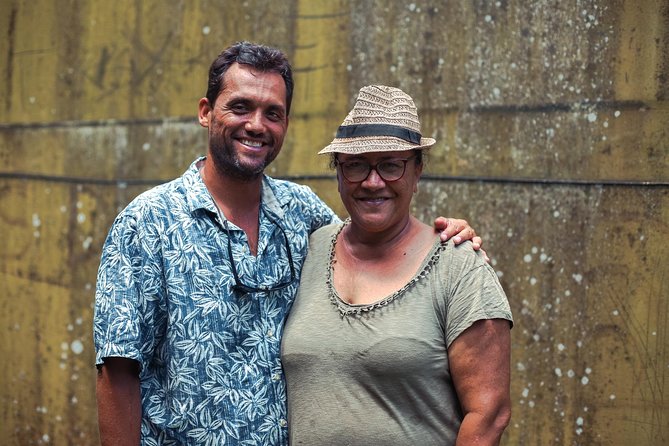
This is one of those tours where the guide becomes the real highlight. Many groups are guided by Heimata, a Moorea-born chef. Others have been with Mareva. In both cases, the pattern shows up: the guide connects food to daily life and broader culture.
A few things that came through clearly in people’s accounts:
- The guide explains where ingredients fit in island life, not just what they taste like.
- Conversation can branch into French culture, local politics, and ecology.
- The tour includes a relaxed, friendly vibe where you end up talking to the group and not just following a checklist.
One review said the guide answered questions broadly and helped people feel comfortable, especially important if you’re nervous about eating new things. Another mentioned the guide’s love for the island—and that shows up in the details, like recommending places tied to childhood favorites.
So if you care about more than calories, this tour is built for you. You’ll walk away with a mental map of what to eat next on Moorea—plus why it’s there.


Drinks, Alcohol, and How to Avoid a Dry Surprise
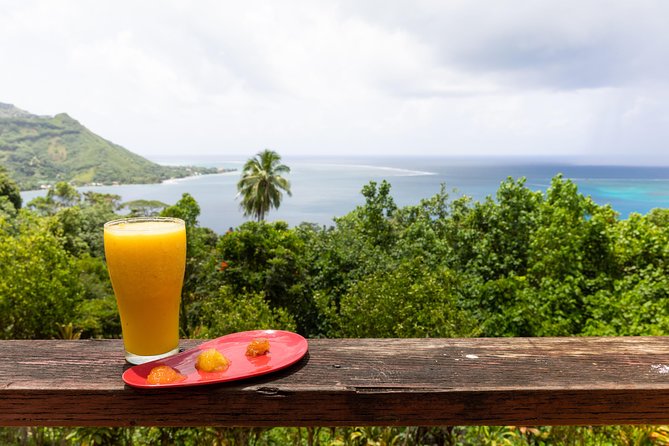
Here’s the honest part: the tour’s description mentions some alcoholic drinks, but the included/excluded details also state alcoholic beverages are not included. The data also sets a minimum drinking age of 18.
So treat alcohol as something that may appear during the experience, but not as a guaranteed included part. If you want beer, wine, or hard alcohol, it’s smart to bring extra money just in case.
What you can count on: bottled water is included. What you can’t: coffee/tea and soda/pop. If you’re the type who needs a drink with every tasting, plan ahead by eating enough early and bringing your own water between stops if you tend to get thirsty.
One review also noted that beverage options were limited and suggested bringing something to drink. Even if your day includes tastings with alcohol or non-alcohol options, that’s a reasonable mindset.
What to Wear and How Active This Tour Really Is
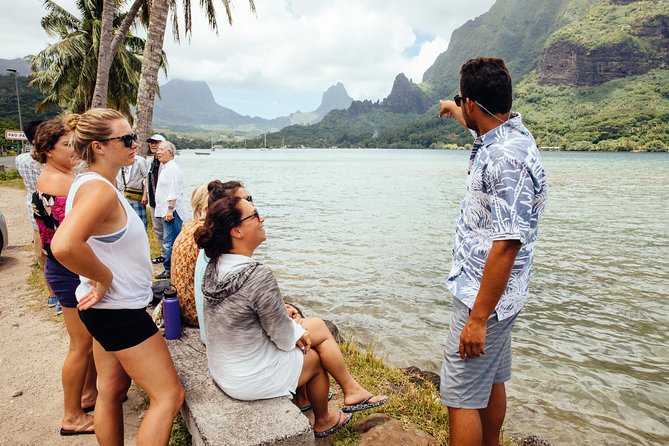
This is not a hike. The tour notes say you’ll be driving the majority, with very little walking. In other words, you don’t need your best walking shoes—though comfortable shoes help if you’re stepping into snack stalls and small shops.
For clothing, go casual and vacation-ready. Slippers (flip-flops) or casual shoes are fine. The tour also runs most of the time on roads and quick stops, so you’re not carrying gear or doing long distances.
If the weather turns, you may still be able to go, as one group reported their tour worked well even with rain. Still, the operator indicates the experience requires good weather, so expect flexibility if conditions are truly bad.
Shopping Time and Bringing Home a Few Favorites
This tour isn’t only about eating and leaving. Some stops can include time at local spots where you might buy extra food. One account mentioned that you can buy extra items at certain snack shops and store them in a cooler.
Also, an unexpected highlight for one group was getting shopping time downtown. If that matters to you, it’s a good sign that the day is not tightly locked into only tastings and transport.
This is also where the guide earns their keep. Once you try a dish and understand what it is, you’ll know what you want to repeat later—whether that’s a fruit snack, a pastry-style item, or something fish-based.
Value: Is $73 Worth It on Moorea?
At $73, you’re paying for more than food bites. You’re buying:
- 6–8 tastings (included in the price)
- bottled water
- an air-conditioned vehicle
- pickup and drop-off from selected hotels and port areas
- a local driver/guide
For Moorea, that can be strong value if you’re the type who would otherwise spend time driving around looking for places to eat. Instead, you’re paying for route planning, local context, and tastings you might not find on your own.
The best part for value-minded travelers is that you can use the tour as your “taste map” for the rest of your stay. Multiple people suggested booking early so you can return to places you liked. Even if you don’t revisit the exact same snack shop, you’ll learn what to order and where to look.
Who Should Book This Tour (and Who Should Rethink It)
This is a great fit if you:
- want a food-and-culture experience that’s easy to fit into a half-day
- like small groups and active Q&A with the guide
- eat a mix of fruits, breads, pies, and fish dishes
- prefer a plan instead of guessing where to eat on your own
You might reconsider if:
- you’re strict vegetarian or vegan (the tour says options aren’t available and accommodations aren’t guaranteed)
- you need gluten-free food (it’s specifically noted as not recommended)
- your plan depends on included coffee/tea or soda/pop (those aren’t included)
For families, one detail stands out: children under 12 are allowed only on private tours. So if you’re traveling with younger kids, you’ll need to look at private scheduling rather than the standard small-group format.
Should You Book This Moorea Street Food Tour?
Book it if you want the quickest path to tasting Moorea beyond resort dining, and you’ll enjoy learning why the food tastes the way it does. The small group size, the north-side route, and the chance to talk with a Moorea chef like Heimata make it feel like a guided day with real local context, not a random checklist of snacks.
Skip or adjust expectations if your diet is heavily restricted. The tour is designed around what local snack places can serve, and the notes say vegetarian and vegan options aren’t reliably available. Also, if you’re expecting alcohol to be included, read the fine print mindset: alcohol is complicated here, so bring money just in case.
If you’re hungry, curious, and okay with a practical, mostly-driving morning, this is one of the smartest ways to spend a day in Moorea.
FAQ
How long is the Moorea Street Food Tour?
The tour runs about 4–5 hours from start to finish.
How many food tastings are included?
You can expect 6–8 food tastings included in the price.
Is hotel pickup included?
Yes, pickup and drop-off are included for selected hotels, and port pickup/drop-off is also included.
Where does the tour focus on the island?
The tour goes through the north side of Moorea and includes stops at sites along the way.
Are vegetarian or vegan options available?
The tour notes say a vegetarian or vegan option is not available, and they can’t guarantee accommodations, so it’s best to ask about your needs when booking.
Is alcohol included?
The details say alcoholic beverages are not included, even though the description mentions some alcohol drinks. The minimum drinking age is 18, so treat alcohol as something that may cost extra.
Is there a lot of walking?
No. The tour is mostly driving, with very little walking.
What languages are the guides?
The tour may be operated by a multilingual guide, with English and French noted.