A Greek feast starts before the first knife hits the board. At Corfood Bites by Christos, you cook a full meal in a small group, using fresh produce from the hosts’ garden. I love the hands-on kitchen time and the way Christos and Marie keep everyone busy and laughing. The only real drawback to know up front is that the class needs at least two participants, so solo plans can mean a reschedule.
You’ll spend about 4.5 to 6 hours (listed as 6 hours approx.) moving through stations, learning names of local dishes, and leaving with techniques you can actually repeat at home. The payoff is a lot of food, often with wine, and a meal that feels like Corfu family hospitality instead of a performance.
In This Review
- Key Things That Make This Class Fun (and Practical)
- Where Corfood Bites Fits in Corfu Life
- The First Hour: Coffee Chat, Skill-Based Roles, and Getting Oriented Fast
- Harvesting and Prepping: What You’ll Actually Do Before Cooking
- The Starters: Dips, Fritters, and Corfiot Comfort Food
- Bouyourdi
- Kolokithokeftedes, Marathokefedes, Taramokeftedes, Ntomatokeftedes
- Dip Variety: Tzatziki, Melitzanosalata, Tirokafteri, Taramosalata
- Bourdetto
- Spetsofai
- Soutzoukakia
- Imam
- The Main Courses: Sofrito and Gemista
- Sofrito
- Gemista
- The Dessert Segment: Greek Sweets You Can Name and Repeat
- The Feast Moment: Wine, Conversation, and Eating What You Built
- Group Size, Language, and How Christos Keeps It Moving
- Price and Value: Why $132.75 Often Feels Like a Bargain
- Practical Considerations Before You Go
- Who Should Book Corfood Bites (and Who Might Want a Different Style)
- Should You Book This Cooking Class in Corfu?
- FAQ
- How long is the Corfood Bites cooking class?
- Is the class taught in English?
- How big is the group?
- Do you cook with ingredients from the garden?
- What dishes are included?
- Can this class run for just one person?
- What happens if weather is poor or the class is canceled?
Key Things That Make This Class Fun (and Practical)
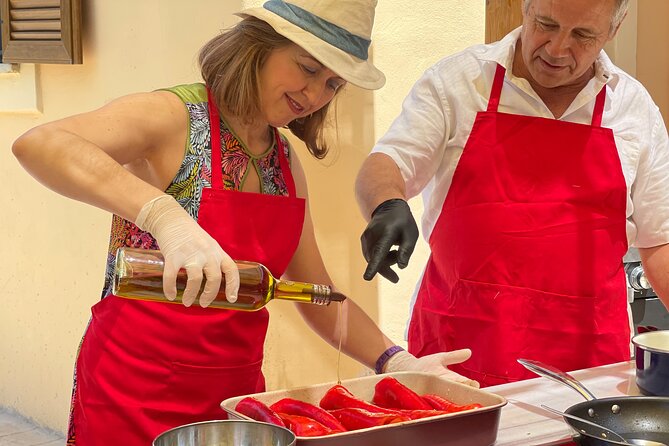
- Garden-to-table prep: You may harvest what’s ripe from the on-site garden before cooking.
- Small group, active roles: Max 9 people, with hands-on tasks matched to your cooking comfort.
- A real Greek multi-course feast: Starters, salad, mains, and dessert, with a big sit-down meal at the end.
- Clear teaching in English or French: Offered in both languages, with guidance all through the process.
- Corfiot classics you can name and remake: Expect dishes like Sofrito, Gemista, and multiple dips and fritters.
Where Corfood Bites Fits in Corfu Life
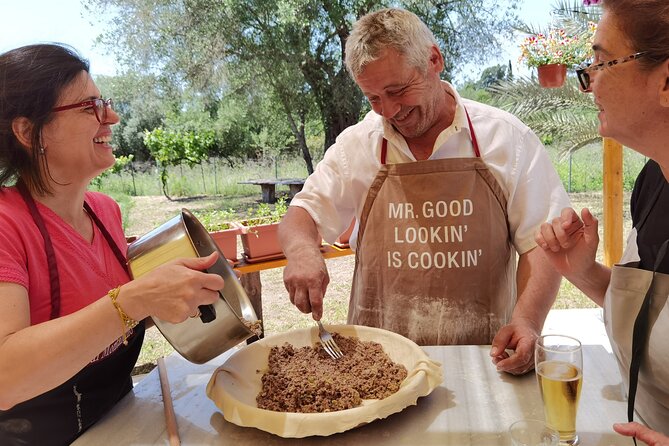
If you want Corfu beyond beaches and buses, this cooking class gives you a different kind of travel memory: food you made, plus stories you’ll remember later. It’s hosted in the home setting of Christos and Marie, with an outdoor setup that feels relaxed and social.
This isn’t a quick demo where you sit back and watch. You’ll chop, mix, shape, and cook alongside the group. That matters because you don’t just learn recipes. You learn workflow: what to prep first, what can wait, and how Greek dishes come together at home speed.
Also, you’re not stuck in a big crowd. With a maximum of 9 participants, Christos can move person to person and adjust tasks when someone needs a little extra guidance.
You can also read our reviews of more tours and experiences in Corfu.



The First Hour: Coffee Chat, Skill-Based Roles, and Getting Oriented Fast
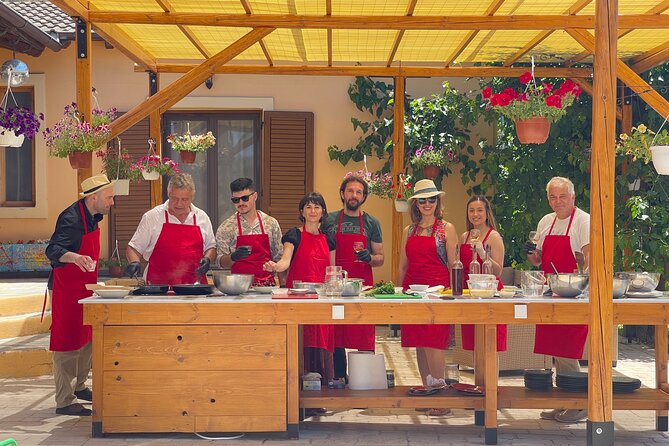
Your day starts with a brief conversation and role assignments based on cooking skills. That’s a smart touch. If you’re confident in the kitchen, you’ll likely get more direct prep and timing responsibility. If you’re newer, you’ll still be busy, but with tasks that fit your pace.
Then comes the garden step. If produce is ripe, you’ll pick fresh vegetables from the on-site garden. Even if you don’t consider yourself a “fresh food” person, it changes the whole mood. The ingredients feel like they have a story before you even cook them.
One more thing: you’ll be taught dish names and what to look for. That sounds small, but it’s useful. Corfu menus can be confusing, and learning terms like Bouyourdi, Gemista, Sofrito, and the various kefte-style fritters helps you navigate food choices later.
Harvesting and Prepping: What You’ll Actually Do Before Cooking
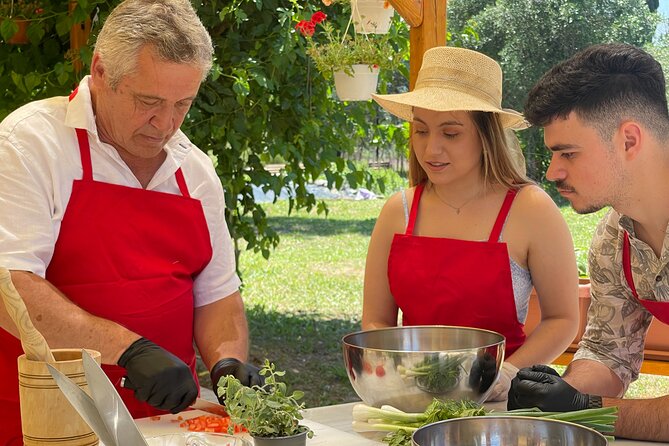
Depending on what’s ready, you’ll harvest vegetables for the meal. The class is designed around flexibility, so the menu and ingredients can shift with what’s in season and ripe.
Once you’re back at the kitchen stations, you’ll start cooking. The rhythm tends to follow a sequence:
- prep and mix components for starters and dips,
- cook items that need more attention,
- manage desserts so they set or chill at the right time,
- then move to the larger dishes.
From the way the day is described, you should picture a home-style kitchen flow, not a strict restaurant line. There’s always someone showing you what to do next, and you’ll get reassigned tasks so no one gets stuck waiting around.
If you like structure, you’ll still get it. Christos is there to guide and supervise so you know what you’re aiming for. If you like a relaxed pace, you’ll get that too—this isn’t rushed.
The Starters: Dips, Fritters, and Corfiot Comfort Food
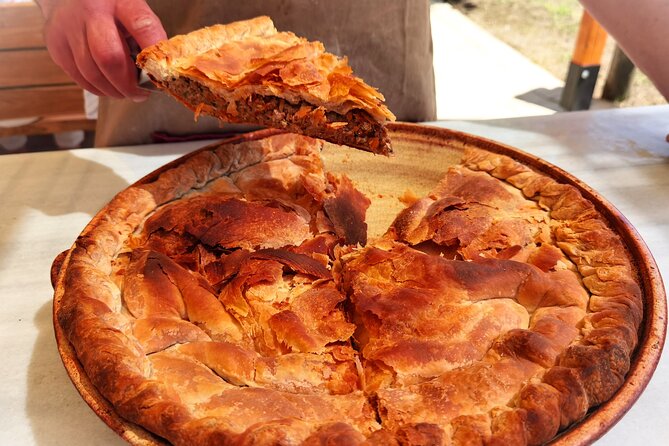
Starters are where this class really feels like Corfu. You’ll work through a mix of baked items, fried or shaped fritters, and a set of dips that can turn into the meal’s “I can’t stop eating this” section.
Here are dishes you may make, based on the menu examples:
Bouyourdi
A baked starter with feta and kasseri cheese, tomatoes, and hot peppers. It’s spicy-leaning, so if you’re heat-sensitive, tell Christos early. You’ll still be able to take part without feeling overwhelmed.






Kolokithokeftedes, Marathokefedes, Taramokeftedes, Ntomatokeftedes
These are variations of patties or fritters using zucchini, fennel, fish eggs, or tomato. The key value here isn’t just the recipe. You’ll learn the texture goal—how to shape and cook so they stay crisp or tender where they should.
Dip Variety: Tzatziki, Melitzanosalata, Tirokafteri, Taramosalata
You’ll likely make more than one dip: tzatziki, eggplant dip (melitzanosalata), whipped or peppery cheese dip (tirokafteri), and a fish-roe dip (taramosalata). Even if you don’t cook these at home often, it’s a great way to understand Greek flavor logic: cooling yogurt, smoky eggplant, heat, salt, and richness.
Bourdetto
A Corfiot fish dish cooked with hot chilli powder sauce. If you’ve only had fish in plain styles, this teaches you how Corfu sauce can punch up flavor quickly.
Spetsofai
Greek sausages (loukaniko) with peppers and onion in a red sauce with wine. This one teaches you the balance of sweet from vegetables plus savory meat plus wine-driven depth.
Soutzoukakia
Meatballs in red tomato sauce with cumin as the dominant taste. It’s a classic comfort flavor profile that many people recognize from Greek cooking, but the method details help you replicate it later.
Imam
Baked eggplants stuffed with caramelized onions, garlic, and crushed tomatoes. Eggplant can be hit or miss for some people, but learning how it’s handled here often changes the way you cook it at home.
The Main Courses: Sofrito and Gemista
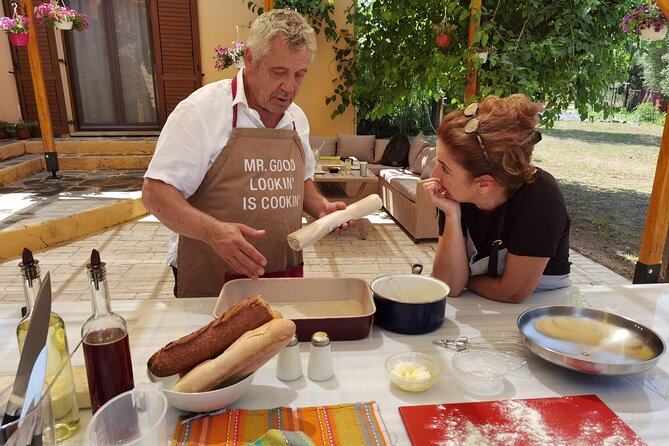
Once starters are underway and you’re feeling comfortable at the stations, the class moves into the heavier-hitting mains.
Sofrito
A Corfiot plate of beef meat slices in a garlic and vinegar white sauce. The vinegar is what makes it feel bright instead of heavy. You’ll learn how the sauce flavors develop and why Corfiot sofrito tastes the way it does.
Gemista
Peppers and tomatoes stuffed with rice, baked in the oven. This teaches you filling ratios and timing: you want enough structure so the vegetables stay cooked but not mushy, and the rice finishes in the oven rather than going dry.
Even if you don’t end up making every dish at home, learning two different main styles—one sauce-based meat dish and one stuffed vegetable bake—gives you a strong toolkit.
The Dessert Segment: Greek Sweets You Can Name and Repeat

Dessert shows up as a real part of the class, not a token. You may make a mix such as:
- baklava,
- halva,
- galaktoboureko,
- orange pie.
Dessert value is huge for a class like this. It rounds out the meal so you understand the whole arc of a Greek table: savory starters, hearty mains, then a sweet finish.
Also, desserts often need time. That’s part of why your class can run 4.5 to 6 hours. You’re not just cooking once. You’re managing multiple dishes so they’re ready together for the feast.
The Feast Moment: Wine, Conversation, and Eating What You Built
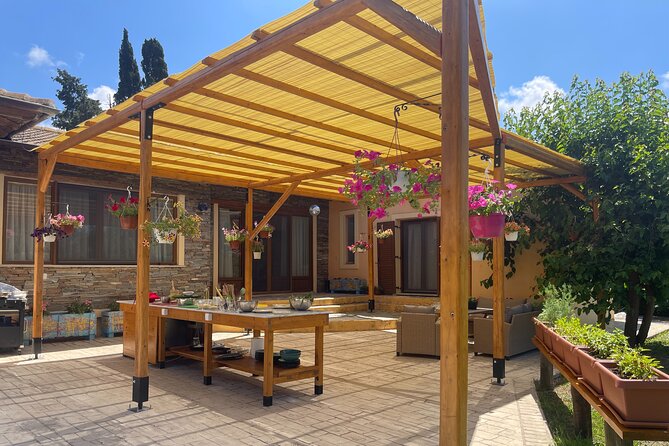
When the cooking finishes, it’s time to gather around the table and eat. This is one of the best parts of the experience because you stop thinking like a “student” and start eating like a host’s family.
Expect a big amount of food. Multiple dishes come out, and you’ll likely be surprised by how filling it is. Many people plan lunch as the meal and then realize dinner becomes optional.
Wine is part of the experience, described as excellent. You may also hear about Greek spirits in the mix depending on the group and timing. Either way, the meal is social: people talk, recipes come up, and you learn the small cultural details that never fit on a recipe card.
Group Size, Language, and How Christos Keeps It Moving
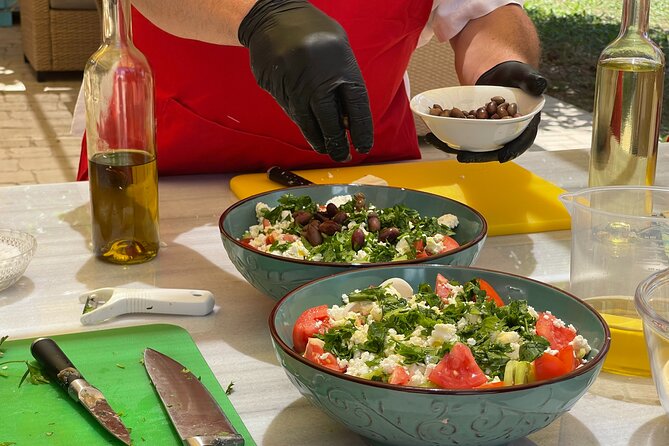
This class has a maximum of 9 travelers, which keeps the pace human. It also means you’re more likely to get direct feedback when you’re chopping or mixing. You’re not lost in a line of strangers.
Language is covered. The class is offered in English and French, so you can pick what matches you best. In practice, this matters because instructions for cooking are easiest when you fully understand small cues like texture, heat levels, and timing.
Christos is also described as good at finding an access point for everyone. That’s travel gold. Different personalities need different kinds of guidance—some people want step-by-step precision, others want the why behind the dish. The class structure gives him room to adjust.
Price and Value: Why $132.75 Often Feels Like a Bargain
At $132.75 per person, you might think, okay, it’s a cooking class—what’s the value? Here’s what you’re paying for, in real terms:
- A full multi-course meal (starters, salad, mains, dessert), not just one recipe.
- Hands-on cooking time where you actively prepare dishes.
- Fresh produce from an on-site garden, if there’s something ripe to harvest.
- Small-group attention from Christos throughout the day.
- Wine during the feast, plus a home-style setting that feels personal.
If you compare this to the cost of eating out in Corfu and adding the price of drinks, plus the fact you also leave with techniques you can reproduce, the class often pencils out surprisingly well. You’re not buying a ticket to watch cooking. You’re buying a ticket to eat like you cooked, because you did.
Practical Considerations Before You Go
A few things to plan for, so the day stays smooth:
- Timing: It’s listed as about 6 hours, and the class can run between 4.5 and 6 hours depending on menu complexity and group size. Plan for a later afternoon or early evening to avoid rushing.
- Solo traveler rule: The class can’t run with only one participant. If you book solo and no one else is booked for that date, you’ll be asked to cancel or reschedule. If you’re traveling alone, it’s worth checking your options early.
- Weather dependence: Since the experience is outdoors, good weather matters. If it’s canceled for poor weather, you’ll be offered a different date or a full refund.
- Meeting point: You start at a specific location: ΔΙΑΣΤΑΥΡΩΣΗ ΤΡΙΚΛΙΝΟ ΑΦΡΑ, Eparlia 491 00, Greece. The exact spot can be tricky, so give yourself buffer time and use your map app carefully.
Who Should Book Corfood Bites (and Who Might Want a Different Style)
This class is a strong match if you:
- want a home-style Greek meal instead of a tour-bus food stop,
- like hands-on cooking even if you’re not a kitchen wizard,
- enjoy learning dish names and flavor ideas so you can order better later,
- want a smaller group experience with real conversation.
It might not be ideal if you:
- can’t handle spending most of your afternoon actively cooking and eating,
- need very strict dietary control but haven’t told Christos ahead of time (the experience is described as accommodating dietary needs, but you should still communicate early),
- are traveling solo on a date where the group might not reach the minimum.
Should You Book This Cooking Class in Corfu?
I’d book Corfood Bites if your goal is a Corfu experience you can taste and repeat. The best part isn’t just the list of dishes—it’s the flow: garden picking (when available), role-based prep, real cooking stations, then a huge sit-down feast with wine and a cheerful table mood.
If you want a cooking class that feels like joining a Corfiot family kitchen for the day, this is the right style. Just plan for a longer lunch, arrive ready to chop and taste, and keep some flexibility if the weather doesn’t cooperate or if you’re traveling alone.
FAQ
How long is the Corfood Bites cooking class?
The class lasts between about 4.5 to 6 hours, depending on the menu’s complexity and the number of participants.
Is the class taught in English?
Yes. The experience is offered in English (and also French).
How big is the group?
The class has a maximum of 9 participants, which keeps it small and helps Christos guide people around the kitchen stations.
Do you cook with ingredients from the garden?
You pick fresh vegetables from the hosts’ on-site garden if the produce is ripe that day, then cook them during the meal.
What dishes are included?
The menu can vary, but examples include Bouyourdi, several Greek dips and fritters (like zucchini/fennel-based patties and eggplant dip), Corfiot mains like Sofrito and Gemista, and desserts such as baklava, halva, galaktoboureko, and orange pie.
Can this class run for just one person?
No. The cooking class cannot proceed with only one participant. If you’re alone and there are no other bookings for that day, you’ll be asked to cancel or reschedule.
What happens if weather is poor or the class is canceled?
This experience requires good weather. If it’s canceled due to poor weather, you’ll be offered a different date or a full refund. It also has a minimum number of travelers; if that isn’t met, the same refund-or-reschedule approach applies.