REVIEW · MALLORCA
Coasteering Mallorca
Book on Viator →Operated by Explora Mallorca · Bookable on Viator
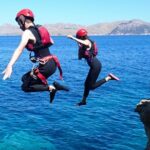
Mallorca’s coast becomes your playground. A coasteering circuit mixes sea and mountain, with cliff jumps, rock climbing, and cave exploration.
I love that it’s built for real bodies and real nerves, not just extreme sports hype.
Second, I like the way the guides coach you through the moves. Names like Juan Fran and José show up in the stories, and the common thread is calm, patient instruction—especially if you’re less sure about jumping.
The one drawback to plan for is that it’s physical and exposed. You’ll be climbing sharp rocks at height and swimming in open water, so you need moderate fitness and comfort around the sea.
In This Review
- Key highlights
- Coasteering Mallorca: Why this shoreline circuit feels so different
- What’s really included for $74.70 (and what that means for your day)
- Meeting point choices: Cala Fornells, Manacor, or Alcúdia
- The 3-hour circuit: how the morning usually flows on the coast
- 1) Get kitted and set your comfort level
- 2) Hiking and rock movement along the coast
- 3) Cliff jumps and sea drops at different heights
- 4) Caves and water exploration
- 5) Rappelling (abseiling) and water zip lines
- 6) A final surprise moment
- Safety and coaching: why this feels guided, not reckless
- What to wear and bring: the shoes question is not small
- Fitness and water reality: who will love it, and who should think twice
- Value check: does $74.70 make sense for what you get?
- Weather and timing: plan for conditions, not perfect forecasts
- My take: should you book Coasteering Mallorca with Explora Mallorca?
- FAQ
- How long is the coasteering experience?
- Is the tour offered in English?
- What is included in the price?
- What is not included?
- Where do I meet for the tour?
- Do they offer different locations or time slots?
- What fitness level do I need?
- Do I need to be able to swim?
- What is the group size limit?
- What happens if weather conditions are poor?
Key highlights
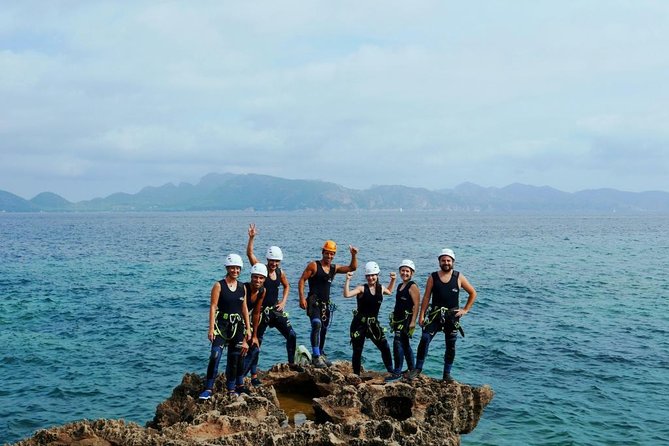
- Cliffs, caves, and a mix of sea-and-rock terrain in one 3-hour circuit
- Full safety kit included: wetsuit, full harness, helmet, and technical equipment
- Guides like Juan Fran and José focus on confidence and careful optional choices
- Three meeting options across the island: Cala Fornells, Manacor, and Alcúdia
- Built for different levels, with routes and activities that can scale with comfort
Coasteering Mallorca: Why this shoreline circuit feels so different
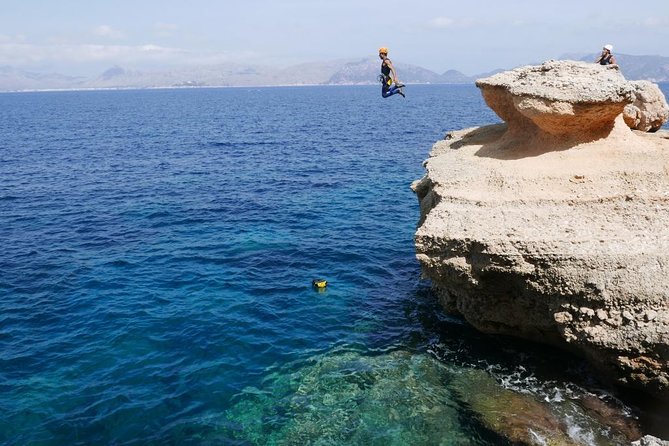
If you only know Mallorca for beaches and viewpoints, coasteering changes the whole picture. This is one of those activities where the coastline stops being scenery and starts being the course.
The core idea is simple: you move along a circuit where the sea and the mountains talk to each other. That means hiking sections, scrambling over coastal rock, then dropping back into water zones for jumps and swimming. You’re not just doing one stunt. You’re stringing together several types of movement—land and water—so the morning stays alive.
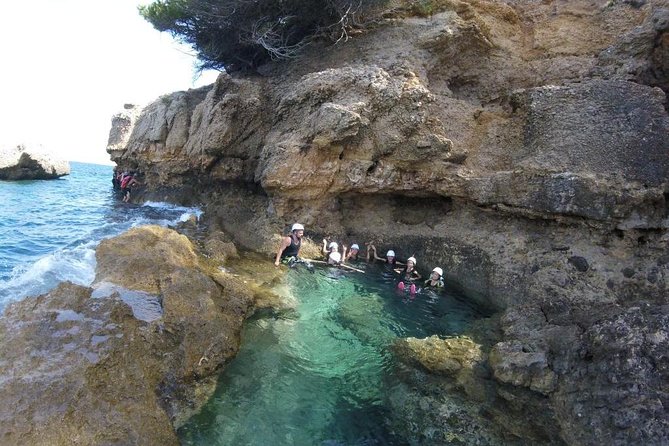
And the variety is real. You may climb rocks, jump from cliffs (including taller options), swim through terrestrial or aquatic caves, do rope work like rappelling (abseiling), and even use zip lines over water. It’s the kind of day that feels like you’re collecting memories in different “chapters.”
You can also read our reviews of more tours and experiences in Mallorca.

What’s really included for $74.70 (and what that means for your day)
The price is about $74.70 per person for roughly 3 hours, and the big value is what you don’t have to source or rent. You get:
- a wetsuit
- a full harness and helmet
- the necessary technical equipment
- a titled guide
That matters because coasteering needs specific gear to make the activity safer and practical. A wetsuit helps keep you comfortable, especially if the water is cool. A harness and helmet aren’t optional extras; they’re part of the system that lets you handle jumps and rope sections with proper protection.
What’s not included is also important: water and food. In other words, don’t show up assuming you’ll be fueled during the activity. I’d plan a normal morning routine and then handle hydration and snacks before or after your session.
Meeting point choices: Cala Fornells, Manacor, or Alcúdia
You don’t have to hunt for one single dock or beach. There are three meeting points that match different parts of the island:
- Coasteering South: Parking Cala Fornells, 07160 Cala Fornells
- Coasteering East: Manacor, Hiper centro
- Coasteering North: Cocodrilo Restaurant, La Victoria, Alcúdia
This is more than convenience. It can save you travel time and reduce that pre-activity stress. If you’re staying near Alcúdia, for example, the north meeting point is an easy fit. If you’re based around Manacor, the east start makes sense. Cala Fornells is a straightforward choice if you’re already in the south.
The good news is these meet-ups are designed to be easy to find, and they’re near public transportation. You’ll also get a mobile ticket, and confirmation comes within 48 hours of booking (as long as spots are available).
The 3-hour circuit: how the morning usually flows on the coast
The activity is described as a circuit where you mix sea action and mountain hiking, and you should expect a steady rhythm rather than long downtime. A typical morning starts with a safety setup and briefing, then moves into the first stretch of coastline where you’ll get your bearings.
Here’s what the experience is built around:
1) Get kitted and set your comfort level
You arrive with your group, then get fitted with wetsuit, harness, and helmet. This is where the guide’s approach matters. Several guides are described as patient and confidence-building, including Juan Fran, and that style tends to show up right away when you’re learning how to move safely on rocks and equipment.


2) Hiking and rock movement along the coast
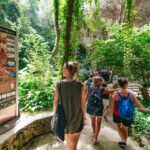
After the briefing, you’ll move through a coastal path. This part is “work” but not endless strain. Think of it as controlled effort that leads you to different jumping and exploration spots.
You’ll also be climbing rocks. And here’s where one practical review tip becomes gold: bring the right footwear. Sharp rock and uneven surfaces are part of the reality.
3) Cliff jumps and sea drops at different heights
Coasteering is known for its jumps, and this one includes that energy. The setup includes sea jumping from different heights. In at least one case, an 11-meter jump was handled with extra coaching to reduce nerves, which is exactly how you want the day to be run if you’re not jumping off cliffs every weekend.
Not everyone will go for every option, and the experience is designed to fit all levels. The key is to listen to your guide and choose what matches your comfort.
4) Caves and water exploration
You may explore terrestrial or aquatic caves. That means you’re not always just “running from jump to jump.” You’re also moving through narrow, textured terrain and water zones—often with guided instructions so you know where to put your hands and how to handle the water sections.
5) Rappelling (abseiling) and water zip lines
Near the more technical moments, you shift from free movement to rope and controlled systems. Rappelling (abseiling) and water zip lines are part of the mix, so the day becomes a blend of strength, balance, and trust in equipment.
6) A final surprise moment
One review mentioned a surprise at the end. That doesn’t mean you’ll know exactly what it is ahead of time, but it does suggest the guides often build an extra “wow” into the finish.
If you like activities that keep you thinking and reacting, not just posing for photos, this format usually delivers.
Safety and coaching: why this feels guided, not reckless
Coasteering can sound like chaos from a distance. Up close, what makes it work is structure: safety gear, a guide, and clear steps.
Two themes show up strongly:
- Safety coaching that helps you choose confidently.
People describe guides as patient, helping them manage optional jumps and easing fear so you still get the thrill without forcing panic.
- Guides who adapt to the group.
One story included a wife who struggled with activities, and the guide was described as extremely patient. Another mentioned an adult and teen group where everyone managed the plan well—so the day isn’t only for hardcore athletes.
So yes, there’s adrenaline here. But the point of the guiding is to turn adrenaline into controlled action. You’re still climbing sharp rocks and going into the sea, but you’re doing it with harnesses, helmets, and technical equipment—plus someone watching your form and pacing your choices.
What to wear and bring: the shoes question is not small
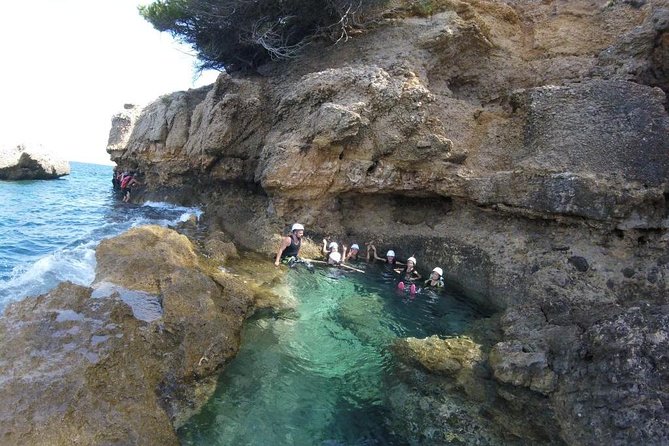
You’ll get a wetsuit, plus harness and helmet. That covers a lot of the “what do I need?” problem.
But footwear is where many people trip up. One review explicitly warns to bring good shoes. Another says tennis shoes can work, with the reminder that you’ll be climbing sharp rocks at heights.
Here’s my practical advice: bring something with grip and stability for uneven rock. The worst-case scenario isn’t that your shoes get wet—it’s that they don’t hold up when you’re scrambling near cliff edges. If your shoes feel slippery on dry tile, they probably won’t feel safer on coastal rock.
Also remember: water and food aren’t included. Plan your hydration before you start and treat the end of the tour as your green light for a real snack or meal.
Fitness and water reality: who will love it, and who should think twice
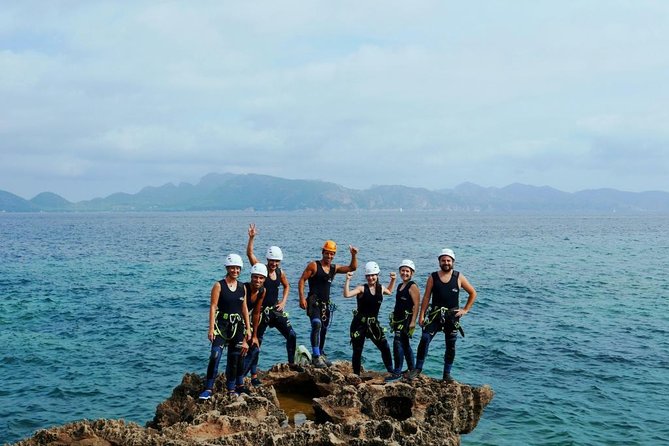
This isn’t a sit-and-watch adventure. The experience says it suits all levels, but the fine print is still physical.
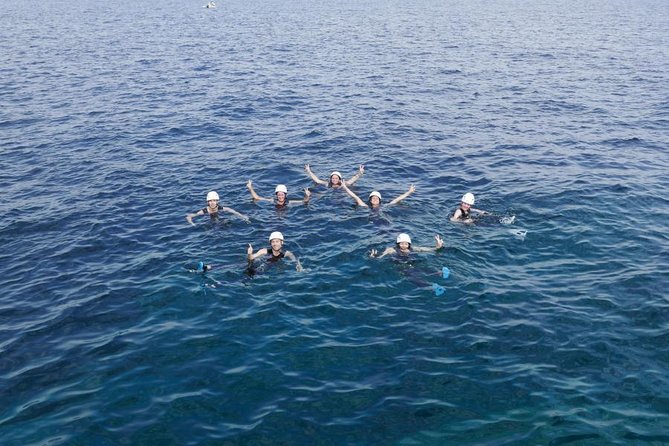
You should have moderate physical fitness. And you should be ready for swimming in open water. One review calls out the need to swim in the ocean at stretches around 250 meters. Even if your route differs, that’s a useful reality check: coasteering isn’t “float and follow.” You’ll move through water sections, and comfort matters.
You’ll likely have a great time if you:
- enjoy active mornings and don’t mind heights in a controlled setting
- want variety, not just one highlight
- can swim reasonably well and stay calm when cold water hits
You might want to skip or ask lots of questions if you:
- feel uneasy climbing over sharp rocks
- hate cliff jumps enough that coaching can’t help you
- aren’t comfortable in open-water swimming
Value check: does $74.70 make sense for what you get?
At first glance, $74.70 for about 3 hours can sound either cheap or steep. The real answer depends on how you value gear + guidance.
You’re getting:
- wetsuit + full harness + helmet
- technical equipment
- a titled guide
- a packed schedule that can include jumps, cave exploration, rappelling, and zip lines
If you tried to assemble that solo, the cost and hassle would pile up quickly. Rentals alone for proper safety gear are rarely “budget friendly.” More importantly, the guidance is what turns a scary idea into a doable one.
So for most people, this price feels fair because it bundles the hard-to-replicate parts: equipment, expertise, and an organized plan.
One more value note: groups have a maximum of 50 travelers. That suggests you’re not likely to feel like you’re just another number in a giant crowd.
Weather and timing: plan for conditions, not perfect forecasts
This experience requires good weather. If it’s canceled due to poor weather, you’ll be offered a different date or a full refund. That’s exactly how you want it handled for an activity tied to sea conditions and rock safety.
Also, it’s smart to book with weather flexibility in mind. If you’re traveling on a tight schedule, pick time slots that give you a cushion, because Mother Nature has the final say with coastal activities.
One more planning detail: the activity is often booked about 26 days in advance on average. If you want a specific starting point or time slot, don’t leave it to the last minute.
My take: should you book Coasteering Mallorca with Explora Mallorca?
I think this is an easy yes if you want an active, memorable way to see Mallorca’s coast—one where the sea cliffs and hidden cave spaces become part of your morning, not just something you drive past.
Book it if:
- you like the idea of climbing, jumping, and rope-based fun (with instruction)
- you want an experience that can fit all levels through coaching and options
- you’re comfortable swimming in open water
Skip it (or ask for clarity first) if:
- heights and cliff edges make you freeze
- you’re not a confident swimmer for open-water stretches
- you’re looking for a mellow, low-movement tour
If you can handle moderate physical effort and you’re willing to wear the gear and listen to the guide, you’ll likely walk away with the kind of story that actually sounds different from your typical beach day.
FAQ
How long is the coasteering experience?
It lasts about 3 hours.
Is the tour offered in English?
Yes, it’s offered in English.
What is included in the price?
You get a wetsuit, a full harness and helmet, the necessary technical equipment, and a titled guide.
What is not included?
Water and food are not included.
Where do I meet for the tour?
There are three meeting points: Parking Cala Fornells (Cala Fornells), Manacor (Hiper centro), and Cocodrilo Restaurant, La Victoria, Alcúdia.
Do they offer different locations or time slots?
Yes. There are different locations and choice of time slots for flexibility.
What fitness level do I need?
You should have a moderate physical fitness level.
Do I need to be able to swim?
You should be comfortable swimming in the ocean; one note mentions swimming stretches around 250 meters.
What is the group size limit?
The experience has a maximum of 50 travelers.
What happens if weather conditions are poor?
The activity requires good weather. If it’s canceled due to poor weather, you’ll be offered a different date or a full refund.