REVIEW · CRETE
Chania Food Stories Half-Day Tour inc. tastings & drinks
Book on Viator →Operated by Grecian Lux · Bookable on Viator
Chania tastes like a story. This half-day Chania food tour strings together market flavors, Old Town history, and Cretan drinks so you get oriented fast without spending your whole day in transit or lines.
I especially like the way the tour feeds you while it walks you through the city: olives and cheese early, Greek coffee and sweets, then mezedes with wine/raki later. I also like that the guide experience can be very personal; I’ve seen names like Ioannis Stavridis, Manos, Yiannis, and Elena pop up, and the common thread is lively storytelling plus practical recommendations for where to eat next. One thing to consider: if you have multiple, combined food allergies, the tour notes they may find it harder to accommodate, even though vegetarians are welcome.
In This Review
- Chania Food Stories at a glance
- A smart half-day plan: 4 hours in Chania that actually connect dots
- Municipal Market of Chania (Dimotiki Agora): tastings before you even leave the start line
- Old Town backstreets: Venetian and Ottoman sights you can map in your head
- Old Venetian Harbor: where walking turns into mezedes and Cretan drinks
- Splantzia: the neighborhood detour that makes Chania feel layered
- What you actually eat and drink (so you can plan your day)
- Price and value: what $117.31 covers in a real Chania experience
- Private pickup vs small-group walking: choosing the right comfort level
- Tips to get the best out of the walk (without overthinking it)
- Should you book Chania Food Stories half-day?
- FAQ
- What time does the tour start, and how long is it?
- Where do I meet the guide?
- Is lunch included?
- Are drinks included?
- Can vegetarians join?
- What about food allergies?
- What if weather is bad or I need to cancel?
Chania Food Stories at a glance
- Market start at the Dimotiki Agora: you begin right where local groceries and specialties live, with tastings built in.
- Old Town walk with Venetian and Ottoman clues: you’ll pass monuments and neighborhood history that actually explains what you’re seeing.
- Craft stops that connect food to makers: you may meet local producers (including traditional workshops) rather than just shop stalls.
- Mezedes + drinks at the harbor: the day shifts from browsing to sitting down for Cretan tapas-style plates and alcohol like raki.
- Splantzia’s quieter side of Chania: you’ll add one more distinctive neighborhood with more tastings and wine.
- English-speaking local guiding: the tour is designed around a human guide who shares context as you eat.
A smart half-day plan: 4 hours in Chania that actually connect dots
This is a 4-hour walking-focused tour with a 9:30am start, built for people who want both food and context. If you’re in Chania for a short stay, this is the kind of outing that helps the rest of your trip make sense, because you learn the city’s “why” as you go: why the Old Town looks the way it does, and why certain foods and traditions are treated like everyday culture.
Expect an easy-to-moderate pace. The route is short enough that you’re not dragged across half the island, but long enough to cover the Municipal Market area, major Old Town sights, the Venetian harbor promenade, and the Splantzia neighborhood. It’s also the right length for a day that still leaves room for your own dinner plans afterward.
You can also read our reviews of more tours and experiences in Crete.
Municipal Market of Chania (Dimotiki Agora): tastings before you even leave the start line

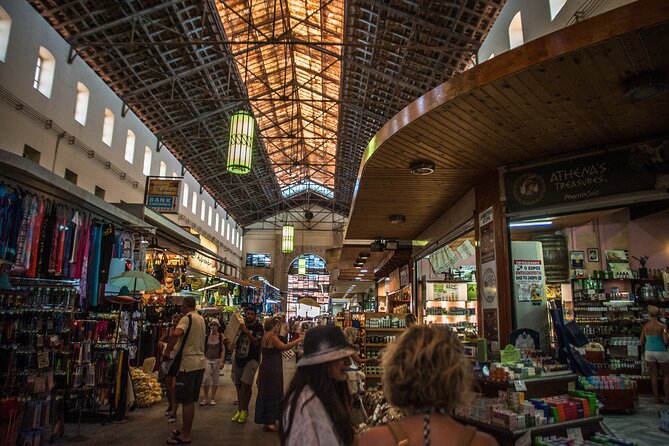
The tour opens at the Municipal Market of Chania, at the Dimotiki Agora, which marks a boundary between the old and newer parts of town. The market dates to 1913, when Crete’s unification with Greece is tied to the city’s modern identity, and that sense of “then and now” is part of why this start works.
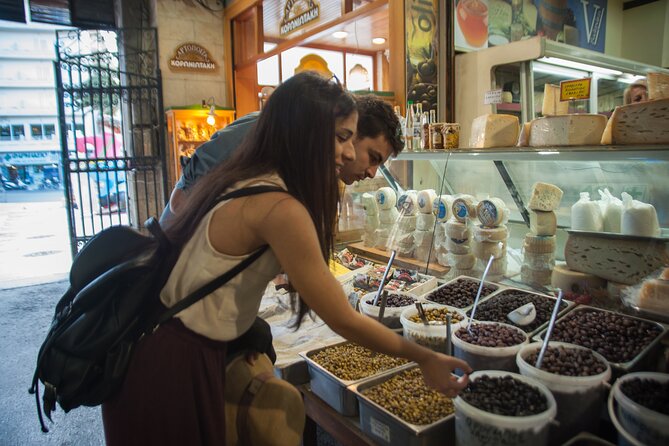
What you’ll do here is simple and useful: browse family-run stalls while sampling Cretan staples. You should expect tastings such as olives, honey, and olive oil, plus the classic comfort combo of Greek coffee and local sweets. Even if you don’t consider yourself a food person, this stop is a fast lesson in what Crete means by local—real ingredients, sold directly, with recipes that are built into daily life.
Why it matters for you: when you later eat cheese, mezedes, or salads, you’ll know what you’re tasting and why those ingredients keep showing up. That turns the whole trip from random sampling into actual understanding.
Possible snag: markets can be busy and a bit sensory-heavy. If you’re sensitive to crowds or strong smells, plan to take it slow for the first few minutes and pace yourself.
Old Town backstreets: Venetian and Ottoman sights you can map in your head
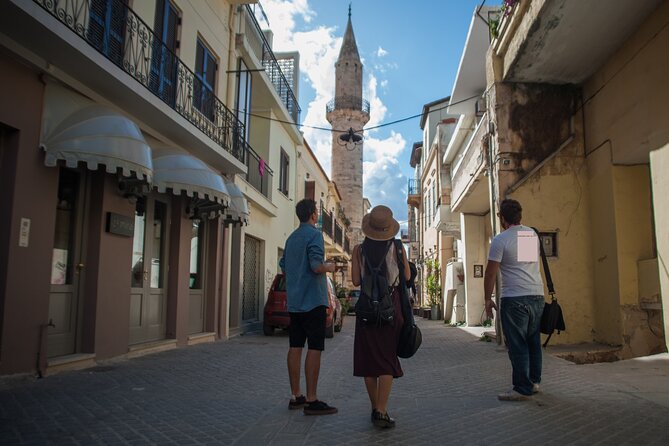
After the market, you head into the Old Town maze—narrow lanes, small doors, and architectural details that change depending on the empire and era you’re looking at. This is where the walking part earns its keep. You don’t just see monuments; you’re given stories that help you remember what you saw.
You’ll pass Venetian and Ottoman landmarks and hear legends that connect kings, sailors, merchants, and artists to places you can still find on your own later. The tour also points toward the Ottoman and Jewish neighborhood areas, so you get a better sense of Chania as a long-running crossroads rather than a single-style postcard.
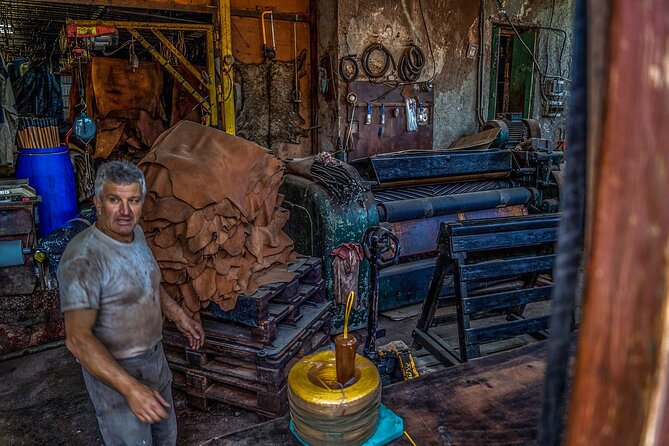
One of the best values in this stop is how it ties food to people. The tour includes time to see local craftsmen producing handmade products, and you may also encounter traditional workshops. That matters because it explains why certain foods are still made the way they are—less about trends, more about continuity.
If you’re the kind of traveler who likes to photograph doors, courtyards, and street details, this portion is for you. You’ll also get a sense of where to wander independently later, without feeling lost.
Old Venetian Harbor: where walking turns into mezedes and Cretan drinks
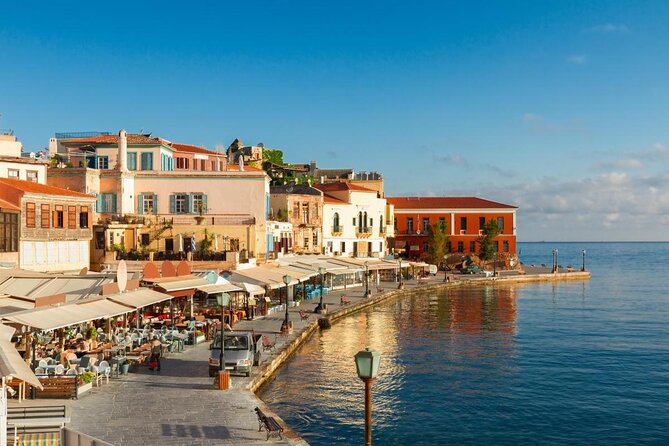
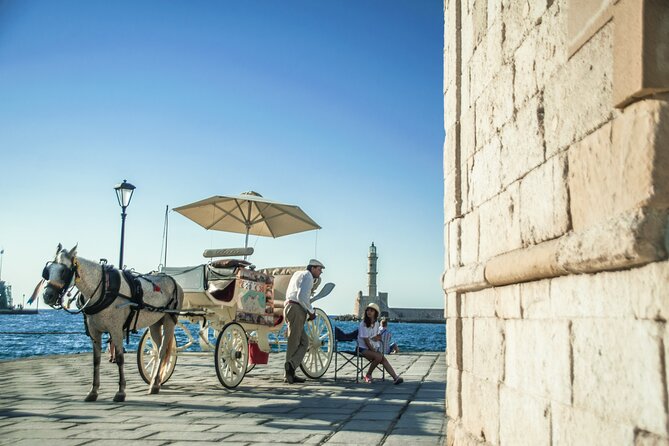
The next phase brings you to the Old Venetian Harbor area. The promenade walk helps you reset after the tighter Old Town lanes—more open space, more sea-air feel, and a clear visual anchor for your map.
Then you hit the main eating moment: a local-favorite sit-down for Cretan mezedes, which are essentially tapas-style plates. This is where the tour stops being about “nibbling along the way” and shifts into something closer to lunch.
You should expect more than one plate and a mix of flavors rather than one big entree. The included drinks are also part of why people remember this stop—raki and other alcoholic options are part of the experience, and the tour specifically mentions alcoholic beverages in the inclusions.
Why you’ll like it: this is the point where the guide’s context turns into a satisfying meal. You’re not eating in a rushed restaurant line; you’re pausing in a setting tied to the harbor area, which makes the whole half-day feel like a coherent story instead of separate stops.
Splantzia: the neighborhood detour that makes Chania feel layered
In the final stretch, the tour adds Splantzia, a neighborhood located south of the eastern part of the Old Venetian Harbor. This is the part that helps you see Chania as more than the most obvious tourist circuit.
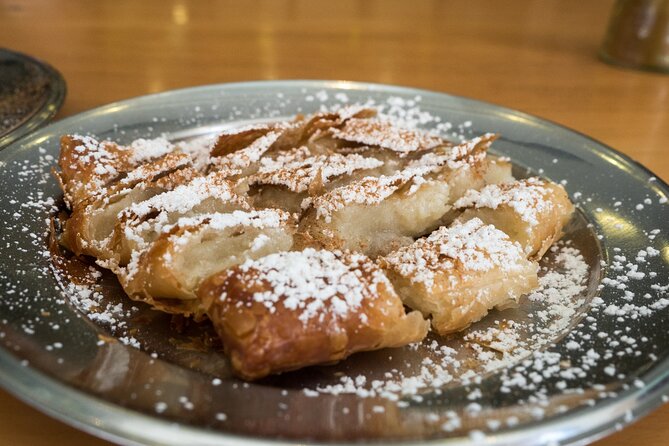
Splantzia is known for its local character and quieter feel. On this stop, you sample local tapas and wine, giving you one more flavor round after the harbor meal. It’s a small-but-important shift: you’re not just repeating the same plates in a different location. You’re moving through another neighborhood that changes the mood of the walk.
Practical benefit: even if you only have one day in Chania, this extra neighborhood stop helps you feel like you saw more of real city life—small shops, local rhythms, and the kind of spots that don’t always top every itinerary.


What you actually eat and drink (so you can plan your day)
The tour is built around multiple food moments, and it’s not only sweets.
From the inclusions you can expect:
- Greek coffee and local sweets
- Local staples like olives, honey, and olive oil from family-owned shops
- Mezedes (Greek tapas-style plates) plus raki
- Snacks, plus tea and alcoholic beverages
- Lunch as part of the overall experience
Vegetarians are welcome, and the tour notes they’ll work with food requirements unless you have multiple, combined food allergies (or you’re vegan, in which case the guide will adjust as appropriate). Translation for your planning: if you’re vegetarian, you can relax. If you have complicated allergies, don’t assume it will be perfect—send details early and keep expectations realistic.
Also, because it’s a walking tour, I recommend you keep your own breakfast modest. By the time you reach the harbor and Splantzia, the tastings add up.
Price and value: what $117.31 covers in a real Chania experience
At $117.31 per person for about 4 hours, the main question is simple: are you paying for food, or for context?
This tour pays for both. The food element includes multiple tastings plus lunch, coffee/tea, and alcoholic beverages. That alone is often the difference between a “snack tour” and a true meal experience. And the context isn’t generic. You get specific city history threaded through the stops—why the market matters, why the Old Town looks the way it does, and what Ottoman and Venetian influences mean as you walk.
You’re also paying for a guide’s time and local access: family-owned shops, craftsmen, and the kind of stops that make it easier to eat well without doing your own research. When guides are strong (names like Manos, Yiannis, Adonis/Andonis, Cristina, and Elena come up often), the walking portions feel connected rather than random.
How I’d frame the value for you:
- If you like learning while you eat, this is usually a strong use of half a day.
- If you only want one meal and zero walking, you might decide it’s more than you need.
Private pickup vs small-group walking: choosing the right comfort level
This experience offers options:
- Private tour: pick-up and drop-off at your stay is included.
- Small group: pickup is not included, so you’ll meet at the start location.
The meeting point is near the center of things: Kydon, The Heart City Hotel (Platea Sof. Venizelou & Staratigou Tzanakaki 2). The tour uses a mobile ticket, and for private tours the guide meets you with a sign with your name—hotel lobby or cruise port.
Group size is intended to be small. The operator lists a maximum of 6 travelers, but some departures can run larger depending on schedules. Either way, the design is for more personal pacing than a big bus tour, which helps if you want questions answered on the fly.
If you’re traveling with family, it helps that the guide can adapt to the group’s pace. If your day is hot (Chania can get intense in summer), this kind of small-group walking tour is still manageable because the stops are built around breaks and food moments.
Tips to get the best out of the walk (without overthinking it)
You’ll have a better time if you plan for heat, hunger, and pace.
- Wear shoes you trust. Old Town lanes and harbor paths are uneven in spots.
- Bring water. Even with frequent stops, the tour is still a walking day.
- If you have allergy needs, communicate them clearly in advance. The tour says they’ll handle most cases except multiple combined allergies, so don’t wait until you arrive.
- If you’re vegetarian, you’re in the right place—just remind your guide so they can steer choices.
- Consider doing this early in your trip. The tour ends back near the start meeting point, but the value is the map in your head for where to return later.
Should you book Chania Food Stories half-day?
I’d book this tour if you want a single, efficient plan that mixes food, neighborhood context, and local flavor. It’s especially good for first-time Chania visits because the route covers the key “core” areas (market, Old Town, harbor) and adds Splantzia to avoid the cookie-cutter feeling.
Skip it or think twice if:
- You hate walking and would rather stay purely restaurant-based.
- You have multiple, combined food allergies and want certainty on every bite.
- You’re in a hurry and only want a short flavor stop, not a full meal experience with drinks.
If you’re the kind of person who likes to taste and learn at the same time, this is one of the more satisfying ways to spend half a day in Crete.
FAQ
What time does the tour start, and how long is it?
The tour starts at 9:30am and lasts about 4 hours.
Where do I meet the guide?
You meet at Kydon, The Heart City Hotel, at Platia Sof. Venizelou & Staratigou Tzanakaki 2, Chania.
Is lunch included?
Yes. Lunch is included as part of the food and drinks during the tour.
Are drinks included?
Yes. The tour includes coffee, tea, snacks, and alcoholic beverages such as raki.
Can vegetarians join?
Yes. The tour states that vegetarians are welcome on all tours.
What about food allergies?
The tour says they can usually figure it out unless you have multiple, combined food allergies or you’re vegan. If you fall into a more complex category, it’s important to communicate your needs clearly.
What if weather is bad or I need to cancel?
This experience requires good weather. It offers free cancellation up to 24 hours in advance for a full refund, and if it’s canceled due to poor weather, you’ll be offered a different date or a full refund.