REVIEW · MENORCA
Binibèquer: Kayaking, Caves and Snorkeling Adventure
Book on GetYourGuide →Operated by Sports&Kayak Menorca · Bookable on GetYourGuide
Gliding past sea caves and then snorkeling in natural pools is a rare Menorca combo, and it’s all paced for real enjoyment, not a hard slog. I especially loved the chance to reach sa cova d’es Pont by kayak, where you’re right up close to the rock formations instead of just looking from shore.
What also clicks is how the route mixes caves, clear-water snorkeling, and a relaxed beach break all in one go. One consideration: one review notes the tour can finish a bit earlier than a strict 3-hour schedule, by around 20 minutes—so build in a little buffer if you’re juggling other plans.
The guides at Sports&Kayak Menorca keep things upbeat and practical. In at least one review, the guide Tony stood out as fun, thorough, and patient, which matters when you’re learning or adjusting your paddling and getting comfortable near the water.
In This Review
- Key Highlights You’ll Actually Feel
- Why This Binibèquer Kayak-Caves Plan Beats a Regular Beach Day
- Cala Torret Check-In: What You Need to Know Before You Paddle
- Sa cova d’es Pont and the Cave System You Reach by Kayak
- Paddling Past Binibeca Vell: A Fishermen-Coast Moment
- Snorkeling at Las Ollas: Fish, Marine Life, and That Clear-Water Feeling
- Binisafúller or Caló Blanc Break: Drink, Swim, Sun
- Who This Is Best For (and Who Might Want Another Option)
- Gear and Guide Support: What’s Actually Included
- What to Bring: Small Stuff That Makes the Day Easier
- Price and Value: Is $63 Fair for 3 Hours?
- Timing, Pacing, and What You’ll Likely Remember Most
- Should You Book This Kayaking, Caves and Snorkeling Adventure?
- FAQ
- Where does the tour start?
- How long is the kayaking, caves, and snorkeling adventure?
- How much does it cost?
- What is included in the price?
- Do I need to bring snorkeling gear or a life jacket?
- Is hotel pickup included?
- What caves and snorkeling areas are visited?
- Will there be time to relax on land?
- What languages are spoken by the instructor?
- What should I bring to be comfortable in the sun and water?
Key Highlights You’ll Actually Feel
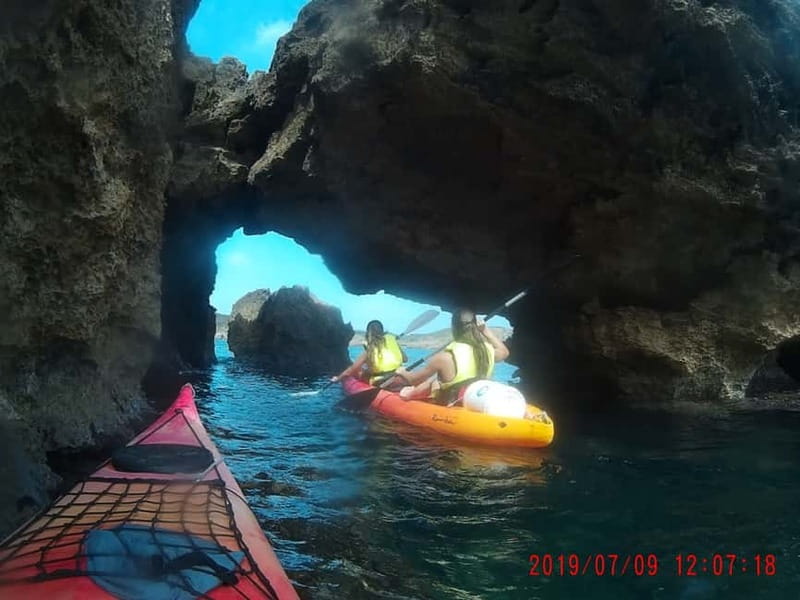
- Caves from inside your kayak at sa cova d’es Pont and more hidden passages
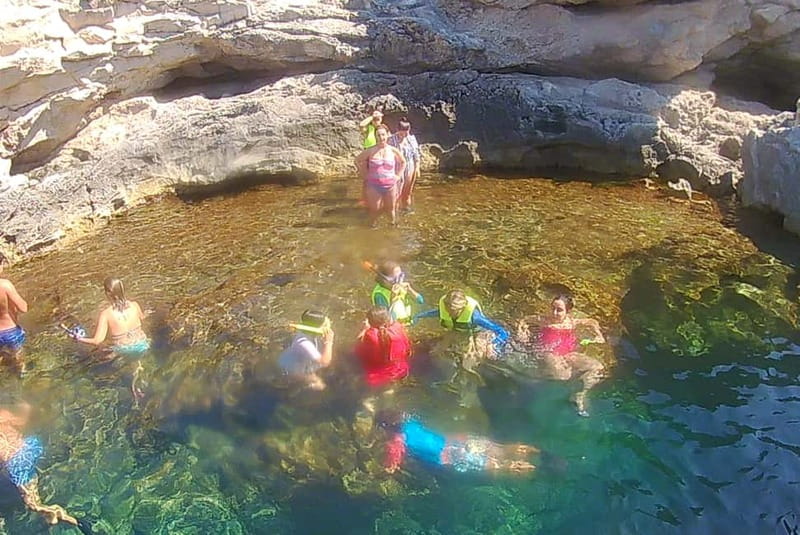
- Snorkeling in natural pools where the water is clear enough to enjoy what’s moving below
- Las ollas snorkeling area on the route, with lots of fish and marine life
- Fishermen-village coastline as you paddle past Binibeca Vell
- Time for a real break at Binisafúller or Caló Blanc with a drink, swim, or sun time
- Photos included, so you can focus on the water instead of your camera setup
Why This Binibèquer Kayak-Caves Plan Beats a Regular Beach Day
Menorca has plenty of great beaches. But this outing changes the angle completely: you experience the coastline from the sea, then you get to swap your view from above-water scenery to what’s happening underwater.
The best part is that it’s not just “kayak for a while, then maybe snorkel.” The route is built around two big experiences that feed each other. You paddle into cave areas, then snorkel stops help you connect the geology with the marine life you’d never see from the sand.
And it’s timed well for most people. Three hours is long enough to feel like an adventure, but short enough that you’re still fresh when you reach the snorkeling parts.
You can also read our reviews of more tours and experiences in Menorca.

Cala Torret Check-In: What You Need to Know Before You Paddle
The trip starts with check-in at Sports&kayak Menorca – Cala Torret. The good news: you don’t need to figure out a complicated transfer. You just meet at the operator’s location, and the activity ends back at the same spot.
There’s no hotel pickup, so you’ll want to plan a straightforward route to Cala Torret on your own. If you’re using taxis or buses, give yourself a little extra time so you don’t start rushed.
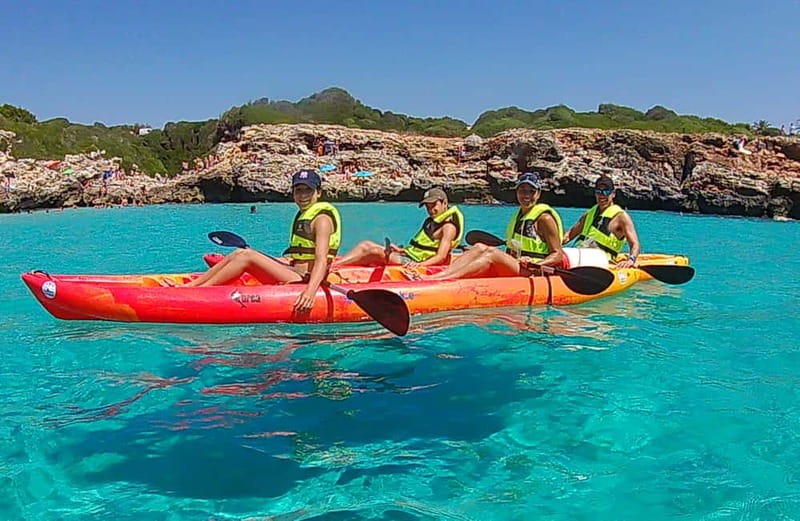
Once you’re checked in, the basics are covered: you get your kayak (single or double) and paddle, plus a life vest. Snorkel gear is included, and you also get an instructor on hand throughout. Photos are part of the deal too, which I love on water days because it means you don’t have to choose between enjoying yourself and documenting it.
Sa cova d’es Pont and the Cave System You Reach by Kayak
One of the main reasons to book this is the cave access. You’re not just passing by coastal rock. You’re paddling into the kind of spots where caves and sea passages feel made for small boats.
The highlight is sa cova d’es Pont, plus other caves hidden along the route. The difference here is that you can approach from the water the way the ocean “wants” you to. On a beach, caves are distant shapes. From a kayak, they become part of your immediate surroundings—something you travel alongside, slow down for, and look at from multiple angles.
Practically, this kind of stop is also a confidence builder. Even if you’re new to kayaking, you’ll typically get a few minutes to settle into your rhythm before you’re asked to pay close attention to your surroundings. The guide support matters, and reviews point out that at least one guide (Tony) is both thorough and patient, which is exactly what you want when you’re sharing a route through tight water.
What to watch for: caves and rocky areas can mean changing light and surface conditions. That’s not scary—just be ready to keep your focus on what your kayak is doing, especially if you’re in a double kayak and coordinating strokes.
Paddling Past Binibeca Vell: A Fishermen-Coast Moment
Between cave sections and snorkeling stops, you’ll pass Binibeca Vell, described as the fishermen town on the way toward the snorkeling zone called las ollas.
I like this stretch because it breaks up the physical rhythm of paddling with scenery that feels local and lived-in. You’re not floating past generic shoreline. You’re traveling along a coast with a specific identity, and the sea is what ties it together.
You also start noticing how the water conditions look from different angles as you move. That’s useful because it helps you understand what you’ll see later when you snorkel—clearer zones tend to look promising, and you’ll get a better sense of where marine life might be active.
If you’re the type who hates tours that feel like a checklist, this part helps. It gives the route texture.
Snorkeling at Las Ollas: Fish, Marine Life, and That Clear-Water Feeling
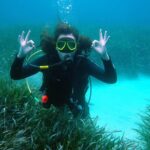
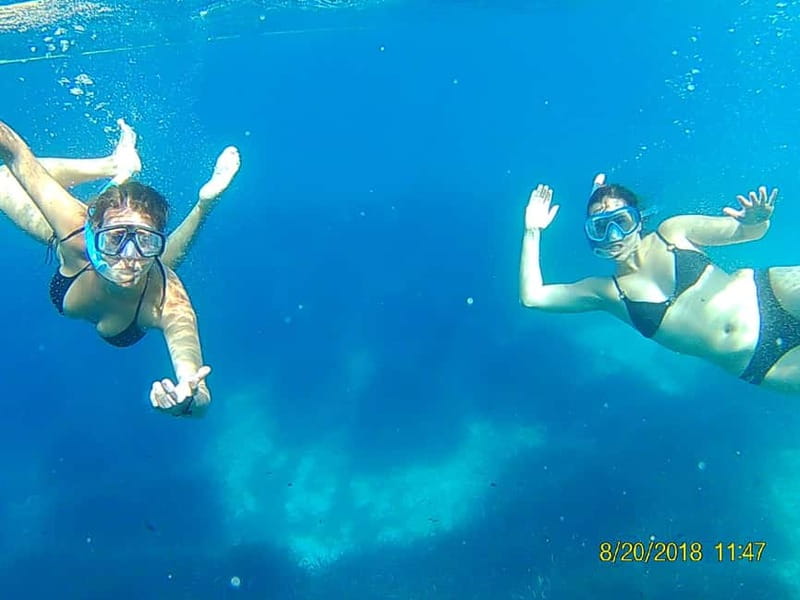
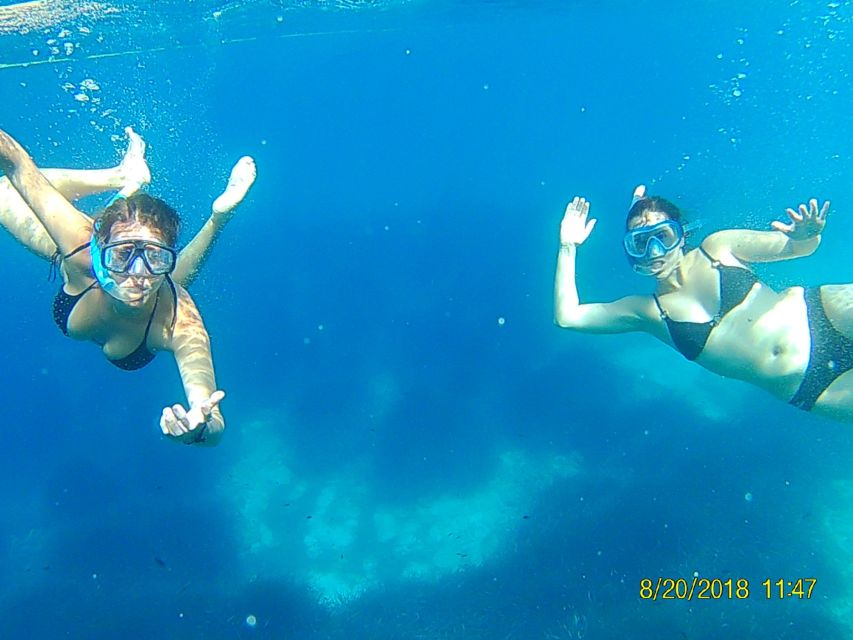
The snorkeling stop at las ollas is described as a magnificent area with a lot going on underwater, including fish and marine fauna. This is where the trip earns its “most complete” vibe for the adventure-minded but still casual crowd.
When snorkeling works well, it’s not about complicated gear. It’s about water clarity and the chance to actually see movement. The strongest reviews repeatedly connect the snorkeling with the water being blue and perfect for snorkeling. That matches what you want for a first—or even second—time snorkeler: you should spend your effort looking around, not fighting visibility.
Also, because the stop comes after cave paddling, you get a natural pacing shift. You go from focusing on your route and avoiding splashes to focusing on the underwater world. That contrast makes the experience feel longer and more satisfying even though the overall trip is only around three hours.
One practical note: snorkeling depends on being comfortable with your breathing and staying relaxed. A patient guide style (like Tony’s in one review) helps you settle in quickly and not rush.

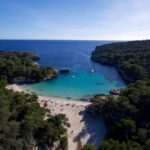
Binisafúller or Caló Blanc Break: Drink, Swim, Sun
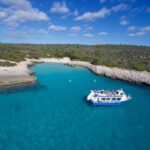
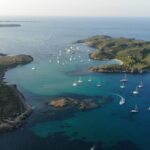
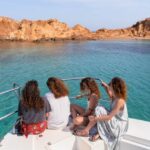
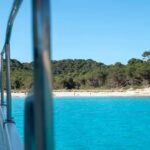
After the main paddling and snorkeling parts, the route reaches a beach break at either Binisafúller or Caló Blanc. From there, you can have a drink, swim, or sunbathe before returning to Cala Torret.
This is a smart design choice for two reasons:
- It gives you time to dry off a bit, reset, and enjoy the coast without holding a paddle.
- It keeps the day feeling balanced. You get action first, then a slower wind-down.
Caló Blanc is specifically described as having a turquoise-blue background, so if you’re chasing that postcard water, this is likely the moment where your photos (and your memory) will click. Binisafúller also gets a mention as a reachable beach point for swimming and relaxing.
If you’re pressed for time: remember one review notes the tour may finish earlier than expected by about 20 minutes. That can be a bonus, but if you have a hard schedule (like catching a bus), build in margin.
Who This Is Best For (and Who Might Want Another Option)
This tour fits best if you want a mix of scenery and water play without needing a full-day commitment. You don’t need to be an expert kayaker, but it does help if you’re comfortable being on open water and following a guide’s instructions.
It’s also a great match for:
- Couples who want shared time in the water (double kayak is an option)
- Beach-lovers who are ready to go beyond sand-level viewing
- Snorkel fans who prefer natural spots rather than a crowded setup
- People who like learning small pieces along the way—caves, routes, and what you’re likely to see underwater
If you’re extremely sensitive to sun and plan to be out in the open, you’ll want to take the recommended clothing seriously. A wet shirt can help, and you’ll also want sunscreen that’s comfortable on your skin.
Gear and Guide Support: What’s Actually Included
Here’s what’s included, which is a big part of the value equation:
- Individual/double kayak and paddle
- Life vest
- Instructor
- Snorkel
- Insurance
- Photos
That list matters because it means you’re not arriving needing to rent gear separately. You’re also not negotiating basic safety on your own; life vests and insurance are part of the package, and an instructor is there to keep the experience running smoothly.
Language options are Spanish and English, so you should be able to understand the basics of what to do, when to snorkel, and how to handle cave areas and route movement.
Based on review feedback, the guide approach is often a strong point—fun, helpful, and patient when needed. That isn’t just personality. On a water-based activity, a calm instructor makes the whole trip feel safer and more enjoyable.
What to Bring: Small Stuff That Makes the Day Easier
The tour recommends a few practical items. I’d treat these as the difference between a good time and a slightly annoying one:
- Bring a shirt that can get wet to help protect your skin from the sun
- Use a strap for sunglasses or choose sunglasses that float
- Bring sunscreen made with organic or natural ingredients (as recommended)
Also, don’t underestimate how much saltwater and sun can combine. Even if you only paddle for a short time, the sun angle at sea can sneak up on you.
If you wear snorkeling-ready glasses or have any special eye needs, consider planning for salt spray and rinsing afterward.
Price and Value: Is $63 Fair for 3 Hours?
At about $63 per person for a roughly 3-hour experience, this is priced like an activity that includes real gear, instruction, and the safety layer (insurance + life vest). You’re not just paying for a pretty view—you’re paying for time on the water plus snorkeling equipment plus guided navigation through caves and natural areas.
So is it a bargain? Not “cheap,” but it’s fair for what you get. The inclusion list is the key: kayak, life vest, snorkel gear, instructor time, photos, and insurance.
One review also suggests the tour might finish earlier than the stated duration. If that happens on your day, it slightly reduces the time value. But on the flip side, finishing early can mean you still have time for food and a second look at the coast without rushing.
If you’re the kind of traveler who hates paying for add-ons, the package nature here helps.
Timing, Pacing, and What You’ll Likely Remember Most
Even without knowing exact group size, the pacing is built around three phases: paddle into cave areas, snorkel at las ollas, then relax at a beach point like Binisafúller or Caló Blanc.
That structure tends to stick in your head because you experience the coast in different ways:
- caves from inside a kayak
- underwater life from a snorkel
- coastline leisure at a beach stop
If you love clear water and the feel of being close to nature, the snorkeling moments are likely to be your top memory. If you prefer “active sightseeing,” the cave approach will get your attention.
In either case, what you’re buying is movement plus access—getting to spots that are hard or boring to reach any other way.
Should You Book This Kayaking, Caves and Snorkeling Adventure?
Book it if you want Menorca from the sea and you care about both snorkeling and real coastal features like sa cova d’es Pont. This is especially worth it if you like guided days where gear and safety are handled and you can spend your energy on enjoying the water.
Skip it or consider a different option if you need a rigid timetable to the minute, because at least one review reports the tour ended about 20 minutes sooner than expected. Also, if sun exposure is a big issue for you and you don’t want to bring protective clothing, you’ll want to think twice—this is an outdoor, open-water activity.
If you do book, pack the recommended wet shirt and sunglasses plan. Small preparation pays off fast when you’re out paddling and snorkeling under bright coastal sun.
FAQ
Where does the tour start?
You check in at Sports&kayak Menorca – Cala Torret. The activity ends back at the same meeting point.
How long is the kayaking, caves, and snorkeling adventure?
The duration is listed as 3 hours. Starting times vary, so you’ll need to check availability.
How much does it cost?
The price is $63 per person.
What is included in the price?
Included items are the individual or double kayak and paddle, life vest, instructor, snorkel, insurance, and photos.
Do I need to bring snorkeling gear or a life jacket?
No. Snorkel gear and a life vest are included.
Is hotel pickup included?
No. Hotel pickup and drop-off are not included.
What caves and snorkeling areas are visited?
The tour includes sa cova d’es Pont and other caves hidden in kayak, plus snorkeling stops at a natural pool and at las ollas.
Will there be time to relax on land?
Yes. The route reaches Binisafúller or Caló Blanc, where you can have a drink, swim, or sunbathe before heading back.
What languages are spoken by the instructor?
The instructor speaks Spanish and English.
What should I bring to be comfortable in the sun and water?
Bring a shirt that can get wet, plus sunglasses with a strap or sunglasses that float. Sunscreen with organic or natural ingredients is also recommended.