REVIEW · SARDINIA
Alghero Home Cooking Pasta Class at a Farmhouse with Wine
Book on Viator →Operated by Curioseety SRLS · Bookable on Viator
Handmade pasta, countryside, and wine in three hours. This Alghero farmhouse class is a fun, real-life look at Sardinian home cooking, run by Irene (with Gabriele helping in the kitchen). I especially love the hands-on pasta making and how lunch ties directly to what you just learned, all paired with local wine from the family’s production. One thing to consider: it’s focused on making pasta (not a slow, lecture-style deep course on sauces), so if you want lots of theory or extra recipe follow-up, you may want to ask questions early.
If you’re planning time around Alghero, this is the kind of experience that gets you out of town and into a kitchen where locals actually cook. Expect an aperitif, a guided session to shape multiple kinds of pasta, and then a sit-down meal with what you produced, plus take-home recipes.
In This Review
- Key Points That Make This Class Worth Your Time
- A Farmhouse Pasta Lesson Just Outside Alghero
- What You Actually Make: Fresh Pasta, Multiple Shapes, and Sauce Basics
- Your pasta shapes (and why that matters)
- Sauce skills you can use at home
- The Aperitif to Lunch Flow: How the Meal Ties to Your Work
- Start with a local aperitif
- Then comes the lunch
- Wine pairing from the farm
- Meet Your Hosts: Irene and Gabriele’s Teaching Style
- A realistic consideration about pace
- Price and Value: Is $131.82 Worth It?
- Getting There From Alghero: Plan Your Transport Carefully
- Who This Class Is Best For (And Who Might Skip)
- The Take-Home Part: Recipes and a Pasta Skill You’ll Use
- Should You Book This Sardinian Pasta Class?
- FAQ
- Is the cooking class in English?
- How long is the class?
- What is included in the price?
- Does the tour include hotel pickup or drop-off?
- How many people are in the group?
- What is the cancellation policy?
Key Points That Make This Class Worth Your Time
- Small-group feel (up to 10 people): more hands-on help and a friendlier pace at the table.
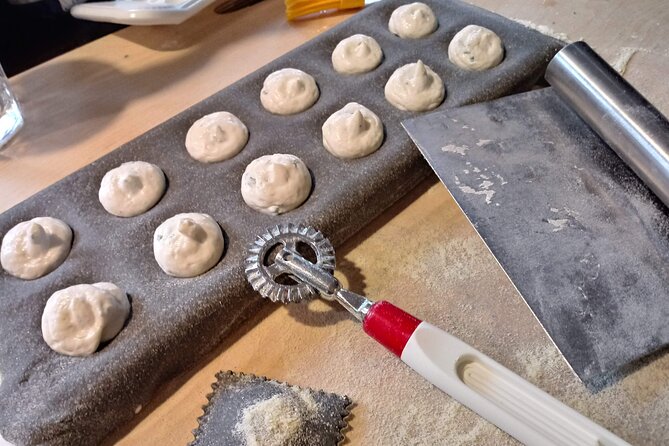
- Five pasta shapes, taught step-by-step: you’re not just watching; you’re rolling and shaping.
- Farmhouse lunch with local wine: your work becomes lunch, not a separate “tour” stop.
- Aperitif with local cold cuts and cheese: a nice Sardinian start before the dough work.
- English instruction: clear enough for first-timers, with lots of practical tips.
A Farmhouse Pasta Lesson Just Outside Alghero
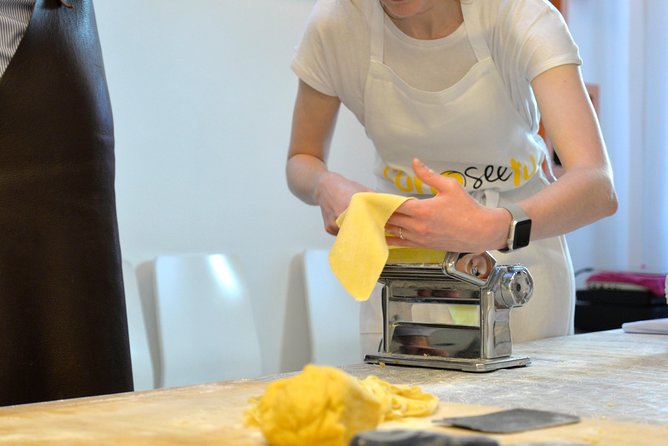
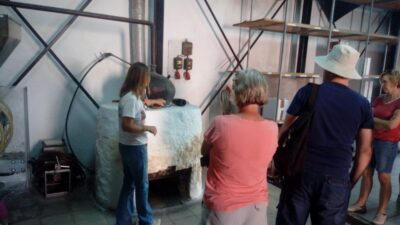
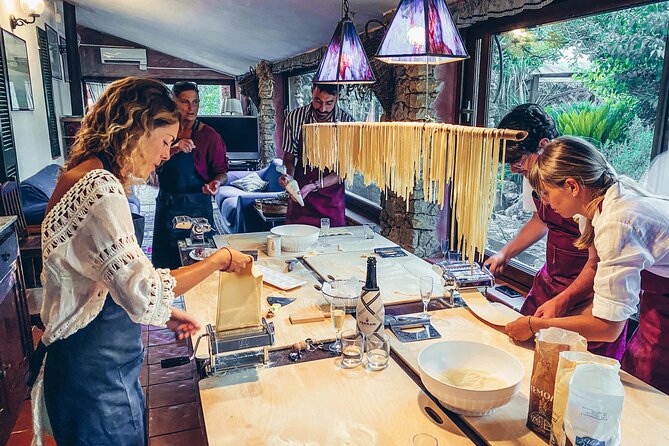
This isn’t the kind of cooking class where you hover over a counter and hope you learn something. The setup is built for doing: you get welcomed into a farmhouse kitchen a few minutes out of town near Alghero, then you roll up your sleeves and get busy with dough, tools, and technique.
What makes this experience feel different is the setting. A farmhouse outside Alghero turns a simple meal into a story you can taste. You’ll be introduced to local products and locally grown ingredients, and the whole session has that friendly, family-at-home energy. Irene and Gabriele run the show with warmth and real instruction, so even if you’ve never made fresh pasta before, you’re not left to figure things out.
This is also one of the better ways to spend a half-day in northern Sardinia if your trip is already packed with beaches, viewpoints, and historic walking. Pasta making gives you something tactile and memorable that doesn’t disappear the moment you leave the restaurant.
You can also read our reviews of more tours and experiences in Sardinia.


What You Actually Make: Fresh Pasta, Multiple Shapes, and Sauce Basics
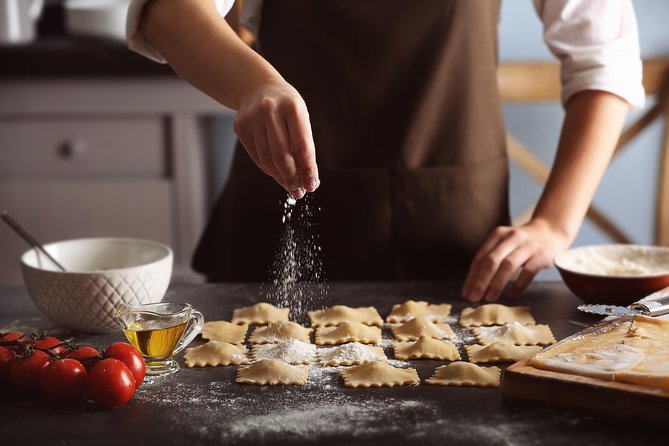
The core of the experience is making fresh pasta the Sardinian way. The class is designed around learning technique, not just collecting photos. You prepare fresh pasta and learn how to make a sauce with simple ingredients, guided by the chef during the session.
Your pasta shapes (and why that matters)
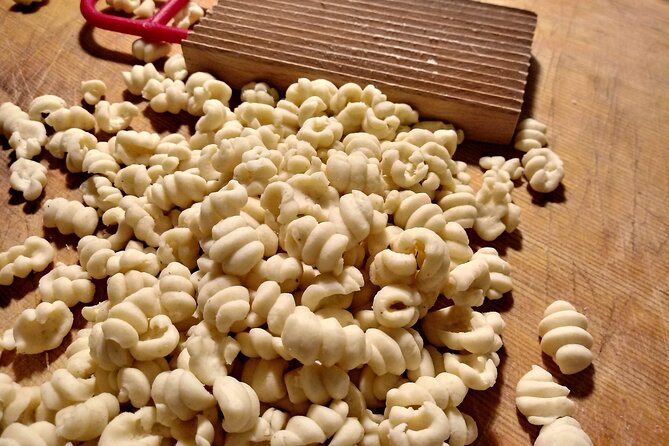
The experience is described as producing five different shapes of pasta. In practice, you may see some variation in the exact types covered depending on timing, but the theme stays the same: you’ll learn multiple forms, which is useful because shape affects texture and how the pasta holds onto sauce.
From the menu and descriptions, you’re likely to touch classics like:
- gnocchetti sardi (short, ridged Sardinian-style pasta, typically served al dente)
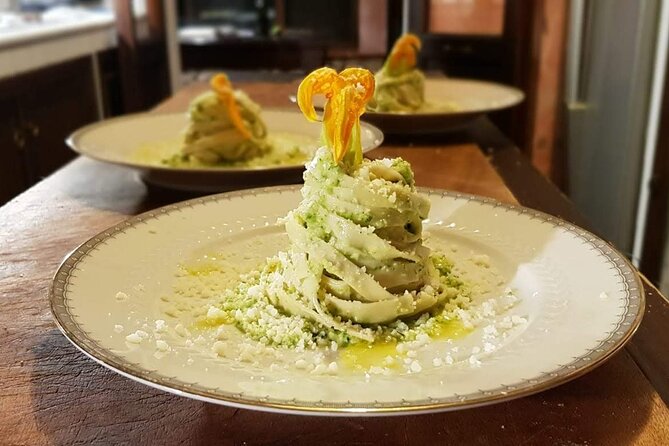
- ravioli and tagliatelle (mentioned in multiple accounts)
- additional shapes in the same family of fresh pasta
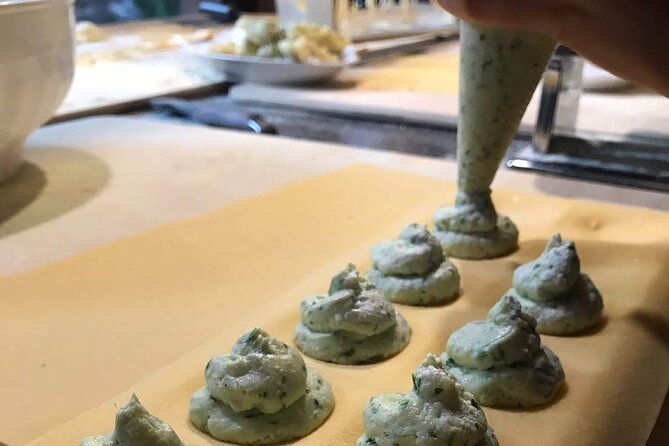
Learning multiple shapes is more than a flex. It trains you to notice dough thickness, how cutting affects edges, and how to handle fillings without turning everything into a sticky mess. If you’ve ever struggled with store-bought pasta that feels smooth and slippery, fresh pasta teaches you why texture matters.
Sauce skills you can use at home
You’ll also learn sauce basics using simple ingredients. You’re not looking at an endless list of fancy components. The idea is to understand the logic: how sauce clings to pasta, how you balance flavor with what you’ve got, and how to keep everything from going flat.
A few food details that show up in the descriptions help explain the approach:
- pasta is meant to be al dente, not mushy
- sauces lean toward straightforward flavors
- the meal may include Sardinian-style supporting bites like bruschetta with sun-ripened tomatoes
You’ll still taste plenty during lunch, but the real payoff is that you’ll leave with a clearer sense of how Sardinian home cooking builds flavor without overcomplicating it.
The Aperitif to Lunch Flow: How the Meal Ties to Your Work
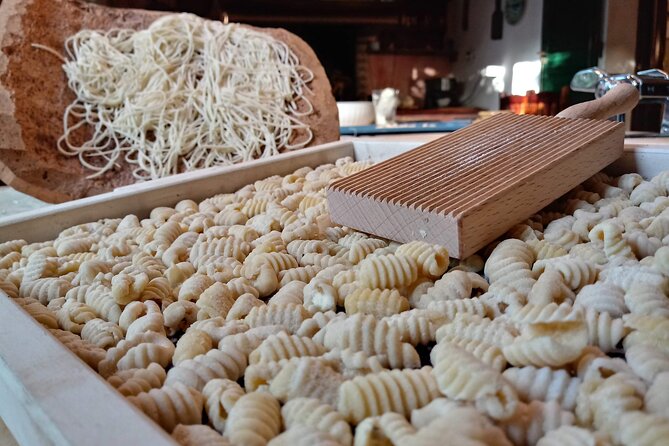
The class isn’t only a cooking workshop. It ends with you eating what you made, which is the part that makes this feel like a complete experience rather than a snack-sized demo.




Start with a local aperitif
Before the main pasta work, you can expect a small aperitif featuring local cold cuts and cheeses. It’s a practical start too: it wakes up your appetite, and it gives you time to settle in before your hands get floury.
Then comes the lunch
After shaping your pasta, you sit down to a meal built around Sardinian pasta-based food. Based on the descriptions and what people report from their time at the table, this can include:
- pasta dishes like ravioli and tagliatelle
- bread and other small starters
- dessert (several accounts mention Sardinian seadas)
- coffee and sometimes liquor, depending on how the meal runs
What I like about this structure is the payoff. You’re not eating someone else’s cooking with a vague memory of a workshop. You’re eating the result of your effort, which makes the whole thing feel earned.
Wine pairing from the farm
Local wine is included, including beverages. Several accounts mention homemade or farm-produced wine, and at least one describes spritz along with the wine. If you care about wine beyond the basics, this is one of those experiences where food and drink feel tied to place, not just poured because it’s part of the package.
Meet Your Hosts: Irene and Gabriele’s Teaching Style
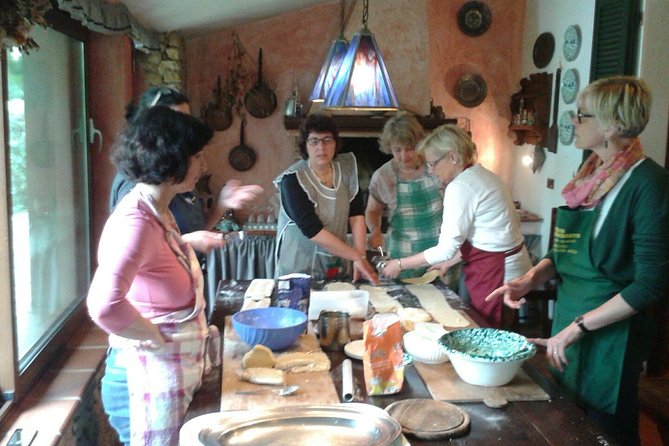
The strongest praise shows up again and again: Irene is friendly, clear, and patient, especially for first-timers. Gabriele is mentioned as part of the family team, helping behind the scenes and in the kitchen.
In a good cooking class, you want two things:
1) instruction that’s easy to follow while your hands are busy
2) a teacher who notices when you’re stuck and helps you correct it fast
That’s exactly the vibe people describe. Techniques are explained in a way that makes sense mid-task. If you get stuck forming ravioli or getting dough rolled evenly, you’re guided rather than pushed aside.
A realistic consideration about pace
There is one downside that shows up in negative feedback: a few people felt the instructor was rushed or that the course leaned more toward pasta making than sauce and meal preparation details. That doesn’t mean it’s bad, but it does mean you should set your expectations properly.
This is best for learning the craft of fresh pasta shaping and basic sauce flow. If you want a long, step-by-step breakdown of every sauce and every course, you might feel the time is tight. My advice: ask questions right away while you’re still in the mixing and rolling stage. You’ll get the most value when you can connect the explanation to what your hands are doing.
Price and Value: Is $131.82 Worth It?
Let’s do the practical math in travel terms. You’re paying about $131.82 per person for:
- a 3-hour hands-on cooking class
- a lunch built around pasta
- local wine and beverages
- take-home recipes
- English instruction
- a small group experience (up to 10)
Cooking classes can range from “pay for a meal with a quick demo” to “pay for a proper skill lesson.” This one leans toward the second category because you actually shape pasta and then eat it. The farmhouse setting also adds value. You’re not just in a kitchen; you’re in Sardinia’s home-cooking world.
Is it a bargain? Not really. But it feels fair for the combination of food, instruction, and the experience’s scale. The people who felt disappointed often focused on whether the course covered enough sauce or meal components beyond pasta making. If that’s your priority, the price might feel steep. If you want to learn fresh pasta technique and enjoy a satisfying lunch with wine, it’s much closer to “this is a great deal” than “too expensive.”
Getting There From Alghero: Plan Your Transport Carefully
Hotel pickup and drop-off are not included. The meeting point is listed at Strada Cassonedda, 07040 Olmedo SS, Italy, and the activity ends back at the meeting point.
So you need a workable way to reach the farmhouse. Here’s what helps based on real-world experiences:
- Having a car (or arranging a taxi) is the easiest path.
- If you’re car-free, you might be able to get there by bike. One account specifically mentions cycling from Alghero and back, with a reminder to be careful on the roads.
If you’re choosing between staying central in Alghero versus spending time outside town, this is why: the best parts of the class happen away from the city center.
Who This Class Is Best For (And Who Might Skip)
This is a strong fit if you are:
- a foodie who wants a hands-on Alghero activity that isn’t just a tasting tour
- traveling with friends or family and want a relaxed shared experience
- a first-timer who likes clear instruction and practical steps
- interested in Sardinian countryside life and want food to be the entry point
It may be less ideal if you:
- want an in-depth cooking course focused heavily on multiple courses beyond pasta
- expect extensive sauce theory or a lot of recipe follow-up after the class
- dislike any kitchen time that involves flour, rolling, and a bit of trial and error
The Take-Home Part: Recipes and a Pasta Skill You’ll Use
The class includes recipes to surprise your guests back home. That’s the part I care about most after the meal: I want something I can recreate, not just memories.
Even if the exact pasta varieties you make differ slightly day to day, the core skills transfer well:
- how to handle fresh dough
- how thickness affects cooking
- how shaping changes texture and mouthfeel
- how sauce should coat pasta
And when you can make pasta at home, suddenly “Italian food” becomes personal. It’s not a restaurant product anymore; it’s your technique.
Should You Book This Sardinian Pasta Class?
Book it if you want a small-group, hands-on cooking experience that ends in a real lunch with Sardinian wine. This is one of the better ways to spend a few hours outside Alghero because you come away with both skill and a full meal that matches what you made.
Skip (or at least choose carefully) if your main goal is learning complex sauces or a multi-course cooking lesson beyond pasta making. One review theme suggests the pace and focus may not match people who wanted a slower, broader culinary deep lesson.
My bottom line: if you’re excited to roll dough, shape fresh pasta, and eat it at the farmhouse table, this class is a very solid use of your time in Sardinia.
FAQ
Is the cooking class in English?
Yes. The experience is offered in English.
How long is the class?
It runs for about 3 hours.
What is included in the price?
It includes the hands-on cooking class, a pasta-based lunch, local wine and beverages, and recipes to take home.
Does the tour include hotel pickup or drop-off?
No. Hotel pickup and hotel drop-off are not included.
How many people are in the group?
The class has a maximum of 10 travelers.
What is the cancellation policy?
You can cancel for a full refund if you cancel up to 24 hours in advance of the experience start time. If you cancel less than 24 hours before, the amount paid is not refunded.