REVIEW · TENERIFE
Whale Watching and Marine Science Tour
Book on Viator →Operated by BIOSEAN Whale Watching and Marine Science · Bookable on Viator
Whale calls you can actually hear. This Tenerife outing by BIOSEAN pairs whale watching with a marine biologist guide and hands-on marine science tools, so you learn as you look.
I like two things a lot: the hydrophone sessions where you listen to whales through an underwater microphone, and the small-group format that keeps the conversation real. In the guide team, names like Raoul show up in feedback, and you may also hear explanations from Misa and Nico.
The main thing to plan around is that the trip needs good weather, and there is no restroom on board and no snacks. Come ready with what you need for a couple of hours at sea.
In This Review
- Key things to know before you go
- Whale Watching and Marine Science on Tenerife: The Big Idea
- What you are really paying for
- The 10-Person Cap: Why the Experience Feels Personal
- Rasca Lighthouse and Malpaís de Rasca: The Volcanic Stop You’ll Enjoy
- El Teide Views on Clear Skies: When Timing Turns Beautiful
- Hands-On Marine Science: Hydrophones and Sound Recording
- Wildlife Watching With Respect: What to Expect (and What Not to Assume)
- A quick comfort reality check
- On Board Practicalities: What’s Included and What You Should Bring
- Where you meet
- Tickets
- Price and Value: Is $90.70 Worth It?
- Who This Tour Fits Best
- Should You Book This Whale Watching and Marine Science Tour?
- FAQ
- How long is the whale watching and marine science tour?
- What is the group size limit?
- Is the tour offered in English?
- Where do we meet for the tour?
- What’s included in the price?
- Is there a restroom on board and are snacks provided?
- What happens if weather conditions are poor?
Key things to know before you go
- Max 10 people on board means more questions, less waiting, and better focus from the guide
- Hydrophone + sound recorder gives you hands-on science, not just a narrated sightseeing loop
- Rasca lighthouse and Malpaís de Rasca are part of the route, adding volcanic scenery to the ride out
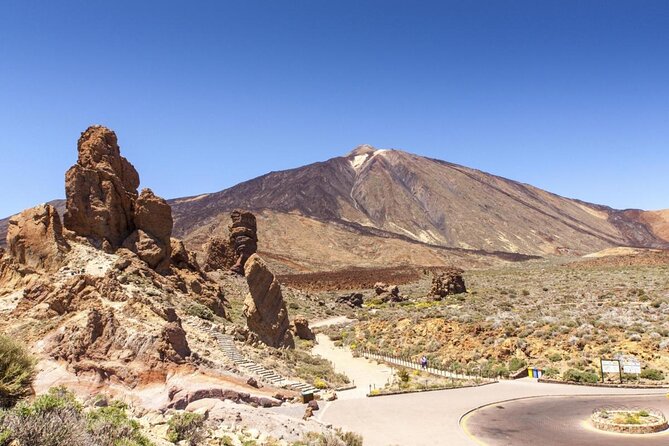
- El Teide views on clear days add a big, dramatic backdrop when visibility is good
- Bottled water is included, but snacks and an onboard restroom are not
Whale Watching and Marine Science on Tenerife: The Big Idea
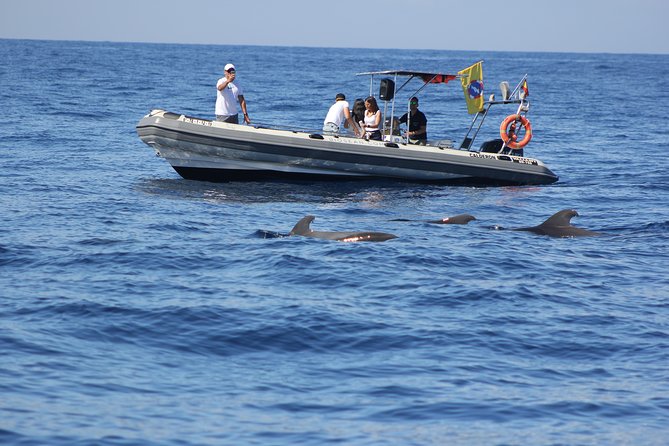
This is not the typical whale cruise where you mostly scan for spouts and hope for the best. The point here is to watch whales and dolphins—and then understand what you are seeing using real marine science tools. You’re guided by a marine biologist, and the group stays small enough that you can actually ask questions without feeling rushed.
The schedule is about 2 hours 30 minutes. Some outings run just under 3 hours, so I treat it like a half-day activity: long enough to get out to good spots, short enough that you still have energy for the rest of Tenerife afterward.
You can also read our reviews of more tours and experiences in Tenerife.
What you are really paying for
At about $90.70 per person, the value is in the combination: small group size, marine biologist guidance, and the chance to use sound equipment like a hydrophone and sound recorder. If you love animals but also like learning how the ocean works, this format hits the sweet spot. If you mainly want long hours of scanning and big spectacle, you might prefer a longer cruise.
The 10-Person Cap: Why the Experience Feels Personal
BIOSEAN keeps the group capped at 10. That matters more than it sounds. With a crowd, you get one-way announcements and limited time for questions. With a small group, the guide can pause, explain what matters, and help you connect the dots between behavior and biology.
This is also a practical advantage for wildlife viewing. When a team can manage movement and attention, the atmosphere stays calm. Feedback highlights that guides were respectful toward pilot whales and bottlenose dolphins in their habitat—exactly the kind of approach that makes a wildlife trip feel ethical, not hectic.
If you are traveling with older kids who can handle a bit of explanation, this size is ideal. It still feels like an adventure, but with a real learning purpose.
Rasca Lighthouse and Malpaís de Rasca: The Volcanic Stop You’ll Enjoy
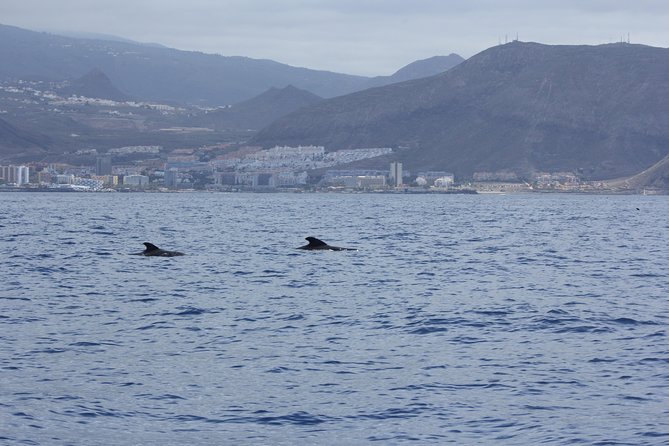
Before the main wildlife search gets going, the route takes you past the southernmost point of Tenerife. You’ll pass the Rasca lighthouse and see volcanic formations in the protected area known as Malpaís de Rasca.
Even if whales are the headline, I like this early scenery moment because it gives you a sense of place. Tenerife’s volcanic coast is dramatic and unique, and the protected area adds a layer of meaning: you are not only out for wildlife, you’re also traveling along a landscape shaped by volcanic history.
What this means for you on board: you get a “set the scene” start, so the later marine science makes more sense. You’re watching animals in an environment that looks like it belongs on a science documentary—just closer.
El Teide Views on Clear Skies: When Timing Turns Beautiful
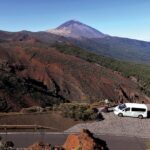
During the tour, you might get magnificent views of El Teide Volcano, as long as the skies are clear. This is one of those travel variables you cannot control, but you can control how you plan around it.
One practical tip from feedback: choose an earlier time slot when you can. Early departures often mean better conditions and a better chance of smooth viewing, even when weather can shift later. It is not a guarantee, but it is a smart move.
If you get Teide in the background, the whole experience feels more cinematic. The ocean, the cliffs, and the volcano all line up—and it becomes more than just wildlife spotting.

Hands-On Marine Science: Hydrophones and Sound Recording
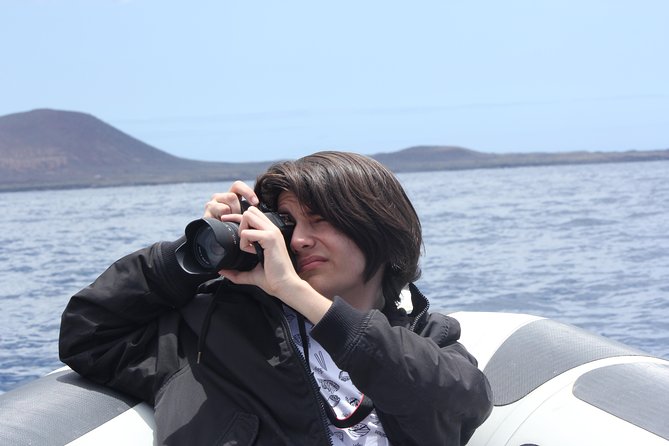
This is the part that turns the tour from sightseeing into learning you can actually use.
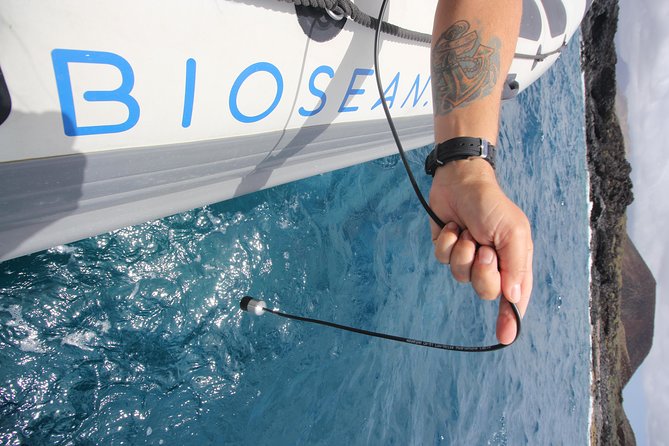
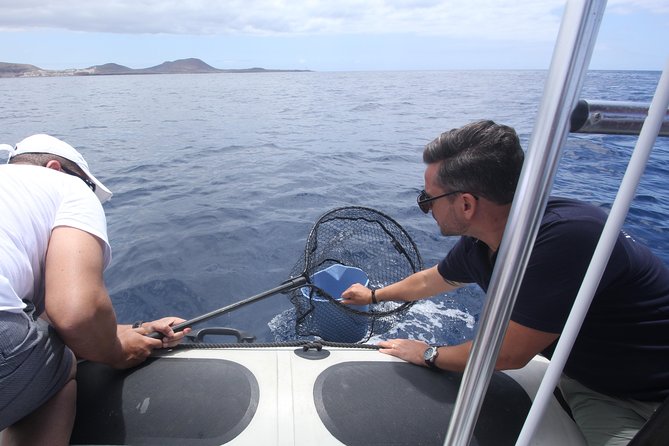
You’ll get hands-on with science tools, including a hydrophone and a sound recorder. Instead of only guessing what you are hearing (or imagining whale communication), you get to listen and record in real time. That changes how you pay attention. You stop treating whale calls as mystery noise and start hearing them as signals.
Why I think this matters:
- Sound is a huge part of how marine animals navigate, hunt, and communicate.
- A listening session helps you feel connected to what the animals are doing, even when they are farther away.
- It makes the trip more engaging for kids and non-experts, because everyone can understand it through experience, not just facts.
You’ll also hear clear explanations from the guide team. Feedback describes guides who shared information without drowning you in technical jargon. The goal is understanding, not a lecture.
Wildlife Watching With Respect: What to Expect (and What Not to Assume)
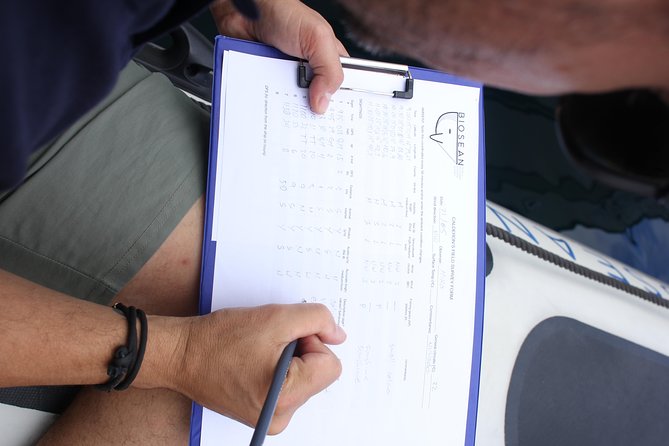
The core promise is whales and dolphins. You should go in expecting to see marine life, but you should not assume a guaranteed lineup. Ocean conditions matter, and the guides adjust based on what they find.
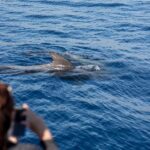
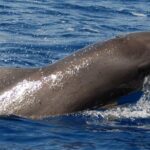
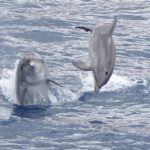
From experience described in feedback, sightings can include pilot whales and bottlenose dolphins, plus other ocean animals such as sea turtles. Some groups have also reported additional wildlife like rays and sharks. One standout detail from feedback: you may even hear whale communication through the underwater microphone as part of the experience.
A couple more notes to keep your expectations realistic:
- Animals are wild. Distances can vary.
- The best viewing can depend on wind, sea state, and where animals are traveling.
The good news: multiple comments emphasize a respectful, wildlife-friendly approach. That usually means you are not chasing animals wildly, and you are getting explanations that make the encounter feel more intentional.
A quick comfort reality check
The ocean can be active. Bring layers, and consider something with good grip for the boat deck. If you get motion, you’ll be glad you packed sensibly. No one wants the science part to be a battle against seasickness.
On Board Practicalities: What’s Included and What You Should Bring
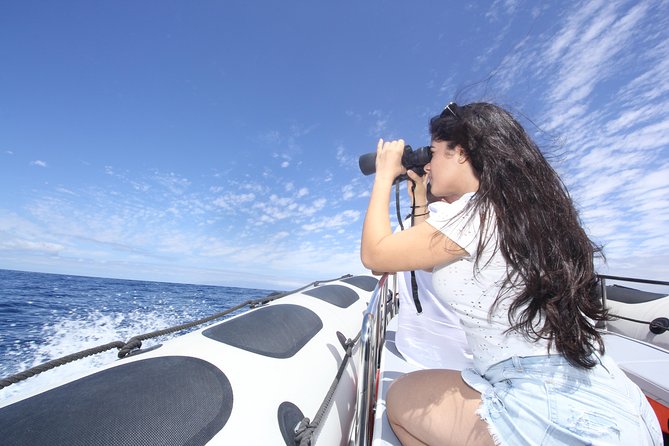
Here’s what you can plan around based on what’s included:
- Bottled water
- All fees and taxes are covered in the price
Not included:
- No restroom on board
- No snacks
So I recommend you treat it like an outing where you eat before you go. Bring a snack if you like, plus any small comfort items you need for a 2.5-hour time window.
Where you meet
You start at Biosean – Whale watching & marine science, Marina del Sur, Pantalán 4, 38631 Las Galletas, Santa Cruz de Tenerife, Spain. The tour returns back to the same meeting point.
The dock area is described as near public transportation, which is helpful if you are not driving.
Tickets
You get a mobile ticket, and confirmation happens when you book. That’s convenient, especially on travel days when your phone is your whole life.
Price and Value: Is $90.70 Worth It?
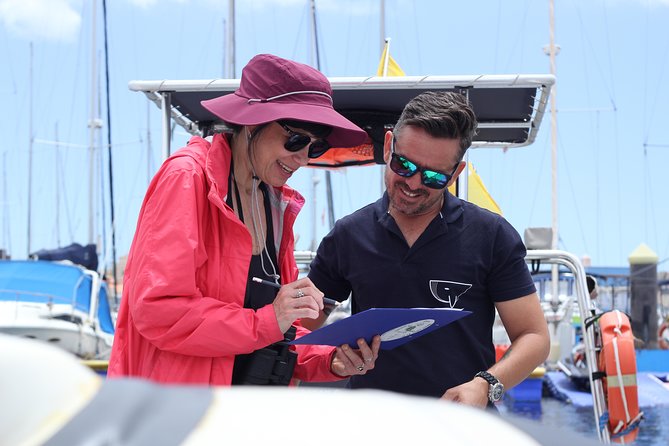
For $90.70, you are paying for more than a boat ride. The value is the mix of:
- Marine biologist guidance
- A small group (max 10)
- Real science tools like hydrophone and sound recorder
- A route that also includes Rasca lighthouse and volcanic formations
If you’ve done big-bus-style tours at sea with little interaction, this will feel different. The small group cap changes the rhythm. If you care about learning how whales and dolphins communicate, the sound equipment is the selling point.
At the same time, it is still a short tour—about 2.5 hours—so it is not the best fit if you want an all-day ocean immersion. Think of it as focused and high-impact rather than long and slow.
One extra value signal: it’s widely recommended, with a rating of 4.9 from 111 ratings and 97% recommending the experience. That usually means consistent guiding and a reliable setup for the kind of learning the tour promises.
Who This Tour Fits Best
This is a great match if:
- You like wildlife and also like the science behind it
- Your group includes older kids who can handle explanations
- You want whales and dolphins, but you also want interaction (questions, sound listening, hands-on tools)
- You prefer a small group over a crowded boat
It may be less ideal if:
- You hate boat motion and want the longest possible time out on the water
- You need an onboard restroom or snack options (since those are not provided)
Should You Book This Whale Watching and Marine Science Tour?
I’d book it if you want your Tenerife whale watching to feel educational, not just observational. The hydrophone and sound recorder turn the trip into a two-part experience: what you see, and what you can hear. Add the 10-person limit and the marine biologist guide, and the experience feels structured without feeling stiff.
Book sooner rather than later. It averages about 22 days in advance, which suggests it fills up in busy seasons or weekends.
If your schedule allows, pick an earlier time slot and pack layers. Then you’ll give yourself the best shot at clear skies for Teide views and calmer conditions for listening to the ocean.
FAQ
How long is the whale watching and marine science tour?
The tour lasts about 2 hours 30 minutes (approx.).
What is the group size limit?
The activity has a maximum of 10 travelers.
Is the tour offered in English?
Yes, it is offered in English.
Where do we meet for the tour?
You meet at Biosean – Whale watching & marine science, Marina del Sur. Pantalán 4, 38631 Las Galletas, Santa Cruz de Tenerife, Spain.
What’s included in the price?
Bottled water and all fees and taxes are included.
Is there a restroom on board and are snacks provided?
No restroom on board and no snacks are provided.
What happens if weather conditions are poor?
The tour requires good weather. If it’s canceled due to poor weather, you’ll be offered a different date or a full refund.