REVIEW · MOOREA
Whale Tour – Observe and swim with whales
Book on Viator →Operated by Enjoy Boat Tours Moorea · Bookable on Viator
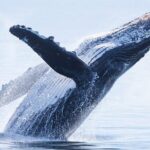
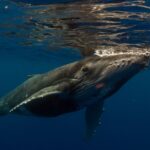
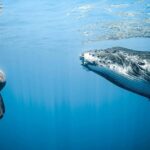
Humpbacks off Moorea change everything. This whale tour is built around a real, natural migration stop in French Polynesia, with the option to get in the water when conditions and whale behavior allow. It’s not a carnival ride either: you’re guided with clear rules so the animals can keep doing what they came here to do.
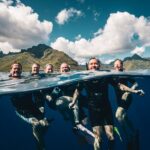
I love the small number of people in the water at once—maximum 7 including the guide—and how that changes the vibe from crowded to calm. I also like that guides work hard to find whales and keep you safe, with crew members such as Tamuti, Ike, Alfred, Amo, and Joaquin mentioned for keeping everyone organized and informed.
The main thing to consider is that this is physically demanding in open ocean conditions, and if the sea is choppy, the swim may be less comfortable (or you may observe more than you swim). Motion sickness is also a real factor, so plan for that before you commit.
In This Review
- Key things you should know before you go
- The Real Appeal: Moorea’s whale season, with rules that matter
- 4 hours in practice: how the day usually unfolds
- Whale search and swim time in Moorea: what you’re aiming for
- Why the approach rules change your experience
- Launching is optional
- Lagoon snorkeling with stingrays and reef sharks: short time, solid payoff
- What to expect in the lagoon
- Crew and small-group management: why guides make or break this tour
- If you’re picky about gear, prepare a backup mindset
- Price and value: is $270.63 per person reasonable?
- What to pack: the few non-negotiables
- Sea conditions, motion sickness, and the physical side
- Animals you can realistically hope to see
- Photo moments: how you end up with memories
- Who this tour fits best
- Should you book Enjoy Boat Tours Moorea’s whale-and-swim experience?
- FAQ
- How long is the whale tour experience?
- Where does the tour start and end?
- Is pickup available?
- Do I have to jump in and swim with the whales?
- How many people are allowed in the water?
- What animals are included during the tour?
- What should I bring since towels and sunscreen aren’t included?
Key things you should know before you go
- 7 people max in the water (including the guide), run in two smaller groups
- Approach only when whales and weather cooperate, so the day feels respectful, not rushed
- You can skip launching and stay on the boat if conditions aren’t right
- Lagoon snorkeling is short but specific: stingrays and reef sharks
- Snorkeling gear + flotation device are included, but bring your own essentials like sunscreen and a towel
The Real Appeal: Moorea’s whale season, with rules that matter
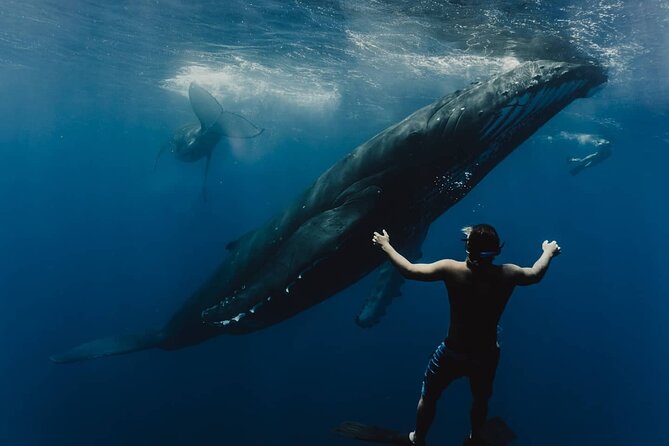
Moorea is one of the rare places where humpbacks show up in the wild often enough that a human can share the water with them responsibly. The tour’s biggest strength is the structure: you’re watching marine life from a boat, and then, if it’s safe, you may swim in a controlled setting.
What makes this experience feel worth your time is that it’s designed around whale behavior, not around a schedule that forces closeness. The day also keeps group sizes small. Even the tour cap is low, so you’re not dealing with a floating busload.
You’ll also get a clear sense that you’re not just there to see animals—you’re there to manage yourself in the ocean. The tour emphasizes swimming comfort, snorkeling technique (mask, fins, and using them effectively), and staying together when the guide says so.
You can also read our reviews of more tours and experiences in Moorea.

4 hours in practice: how the day usually unfolds
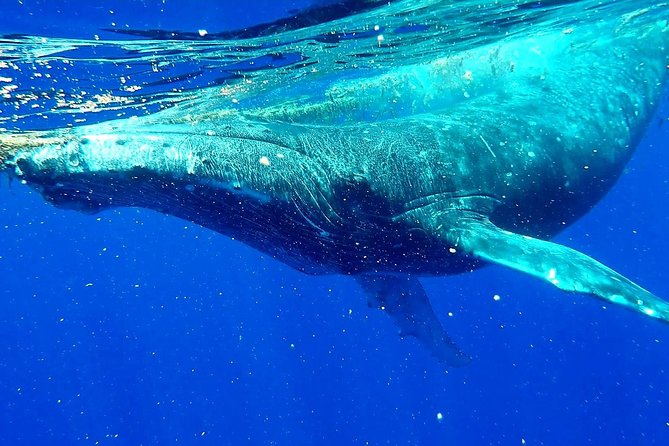
Expect about 4 hours total on the water with a lot of that time spent searching and positioning. Most of your time is dedicated to finding the whales and then making the moment count.
A typical structure looks like this:
- Long whale-focused window where you observe and, when permitted, swim
- Short lagoon time for snorkeling with stingrays and reef sharks
That combo is smart. Whale watching doesn’t always mean guaranteed swim time, so having the lagoon segment helps you still leave with a full ocean experience—even if the whales require you to adjust.
You’ll also start and end at the same meeting point, at Enjoy Boat Tours Moorea near Moorea-Maiao. If pickup is offered for you, you’ll be transported privately to the boat area rather than dealing with public transit.
Whale search and swim time in Moorea: what you’re aiming for
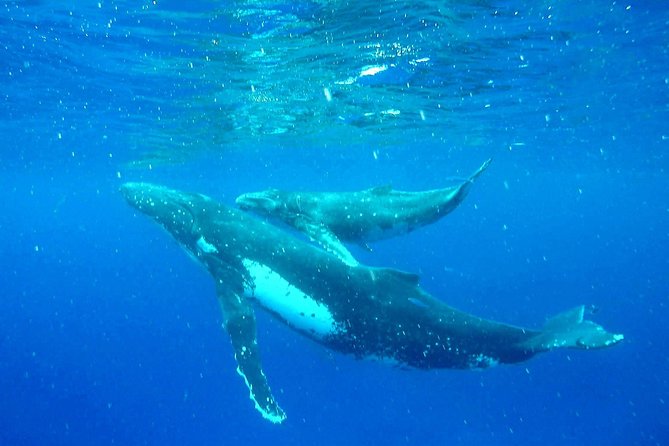
This part is all about humpback whales, but it’s not limited to one species. During the sea portion, you may also spot narrow-beaked dolphins, reef sharks, and deep-sea sharks. That variety is one reason this tour works even on a day when whales are a little slower to show.
The swim piece has a strict ceiling: maximum 7 in the water including the guide, and they run two groups. Practically, that means your guide can actually keep track of everyone. You’ll get fewer tangled moments, fewer accidental distance errors, and more time listening to instructions.
Why the approach rules change your experience
You might see other tours where the goal seems to be getting close fast. Here, the rule is different: the guide only allows release into the water when conditions and whale behavior are favorable. That matters for your safety and for the whales’ stress level.
From a rider’s point of view, it also changes how the day feels. Instead of frantic chasing, the crew is more patient and strategic—finding calm zones, watching whale direction, and deciding when it’s appropriate to enter.
Launching is optional
One of the most useful details: launching is not obligatory. So even if you’re a strong swimmer, you still have a built-in choice on the day. If you feel the ocean is too rough, you can observe from the boat while still being part of the action.




Lagoon snorkeling with stingrays and reef sharks: short time, solid payoff
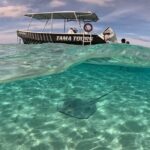
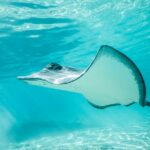
After the whale segment, you’ll head to a lagoon snorkeling stop that lasts about 10 minutes. It’s not long, but it’s targeted: stingrays and reef sharks are the focus.
This is a good “plan B” piece. Whale sightings can be weather- and timing-dependent, and snorkeling in the lagoon is a way to guarantee you still get hands-on marine life during the tour window.
What to expect in the lagoon
Because you’ll be in snorkeling mode, this stop rewards the small skills:
- Keep your mask clear and stable
- Use fins efficiently
- Don’t chase animals—let them come to you
The tour includes snorkeling equipment and a flotation device, so you’re not stuck improvising gear right before you get in the water.
One note for comfort: the tour doesn’t include towels or sunscreen. You’ll want your own basics so you can dry off quickly and protect your skin between water sessions.
Crew and small-group management: why guides make or break this tour
This is the part you can’t always judge from a brochure. Here, the guides seem to carry a lot of the experience.
Names that show up in the crew stories include Tamuti, Ike, Alfred, Amo, and Joaquin. People consistently describe guides as attentive and serious about safety distances, with clear instructions and patient group handling. That’s crucial for a tour where the ocean can be unpredictable and the rules about distance are non-negotiable.
Another big factor: organization across groups. Since you’re often split into two water groups, you need guidance that keeps everyone aligned—especially during transitions in and out of the water.
If you’re picky about gear, prepare a backup mindset
Snorkeling equipment is included (mask, fins, and snorkeling gear are listed), which is great for value and convenience. Still, at least one guest felt the snorkel gear quality was poor. If you’re the type who hates fit issues or fogging, you may want to bring your own mask if you have a favorite one.
Price and value: is $270.63 per person reasonable?
At $270.63 per person, this tour sits in the “premium but not insane” category for a whale encounter with an optional swim and strict water limits. You’re paying for three things:
- Controlled access (7 max in the water, whale-dependent approach rules)
- Boat time and crew time (searching, positioning, monitoring conditions)
- Gear and safety support (snorkeling equipment, flotation device, dry compartment, bottled water, and transport)
If you compare this to cheaper options that treat whales as a quick photo stop, the value math changes fast. The water limit and the decision to enter only under favorable conditions are exactly what you want for a once-in-a-lifetime animal encounter.
That said, the photo and video experience can be a letdown for some people if expectations are high. One comment mentioned disappointment with photos/videos given the price. If you care deeply about professional-quality images, I’d plan to treat photos as a bonus, not the main purchase.
What to pack: the few non-negotiables
The included items are helpful, but you’ll still want to show up with the basics. The tour doesn’t include towels or sunscreen, so don’t wing it.
Bring:
- Sunscreen (reef-safe if you have it)
- A towel
- Your usual swim items: rash guard or wetsuit if you run cold
- If you own one, a GoPro or waterproof camera (just expect you may also be able to purchase professional photos)
A couple of practical tips from the way people describe the day:
- If you tend to get cold in open water, ask for or bring your own wetsuit.
- If you wear gear that fits tightly, test it before you’re on a moving boat.
Sea conditions, motion sickness, and the physical side
This tour explicitly asks for strong physical fitness and comfort swimming in open ocean conditions. That’s not just fine print—it’s a real expectation. Even if the guide decides not to release you into the water, you still need to be stable around the boat and ready for ocean movement.
People with motion sickness can become ill at sea, and the tour advises precautions. If you’re even slightly unsure, plan ahead. It’s easier to prevent than to power through.
Also remember: the swim part can be physically demanding, with snorkeling skills and effective use of fins and mask. You’re not swimming laps, but you are in open water with a guide and a group, meaning you need to feel comfortable staying controlled.
Animals you can realistically hope to see
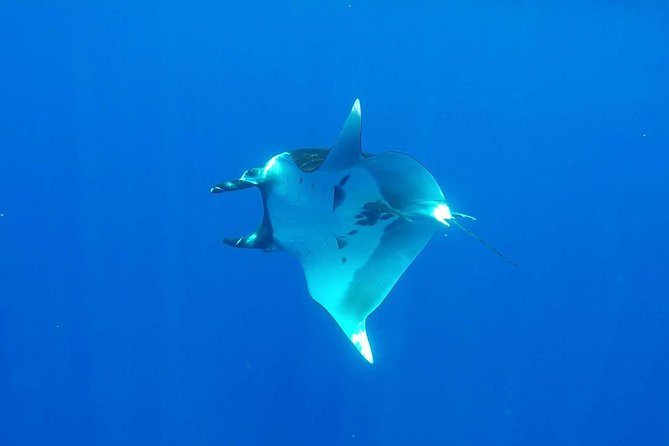
Here’s the honest picture: whales can show up, or they can take time. That’s why the crew’s “find them and respect them” approach matters.
What you’re most likely to see during the sea trip:
- Humpback whales
- Narrow-beaked dolphins
- Reef sharks and deep-sea sharks
Other animal sightings show up in stories, such as turtles, and sometimes a mother and calf appears. Those moments are the reason you book. The key is that the tour doesn’t promise one exact sighting every time—it’s built around chances and whale-dependent decisions.
Photo moments: how you end up with memories
Some guests mention a photographer/guide role (Joaquin is specifically named) and the ability to buy photos and videos after the trip. That’s a nice convenience because you don’t have to wrestle with a camera during a high-attention swim.
Just keep expectations realistic. If you want cinematic humpback footage, bring your own waterproof setup. If you’re happy with a handful of good shots and rely on professionals for the rest, you’ll likely feel better about the final purchase.
Who this tour fits best
This whale experience is best for:
- Strong swimmers who can snorkel comfortably in open water
- People who want strict wildlife respect, not a rushed, crowded scene
- Travelers who enjoy both a whale encounter and a lagoon snorkeling stop
- Families with kids 12+ (the tour age requirement is 12 and over)
It may be less ideal if:
- You struggle with motion sickness
- You’re not comfortable in open ocean conditions
- You want a purely relaxed, low-effort water activity
Even if you choose not to launch, you’re still on a boat in real ocean conditions. This is an adventure-style day, not a spa day with whales.
Should you book Enjoy Boat Tours Moorea’s whale-and-swim experience?
I’d book this if your priority is a responsible humpback encounter with real limits in the water, plus a bonus lagoon swim. The 7-person max and the “enter only when conditions are favorable” approach are exactly the details that protect both you and the whales.
I wouldn’t book if you’re easily seasick or you expect calm, guaranteed swimming time no matter what. Sea state and whale behavior drive the day, and that’s the honest trade-off for a natural animal experience.
One last decision helper: if you’re going, plan for effort. Bring sunscreen and a towel, consider a wetsuit if you get cold, and be ready to listen closely to your guide. If you do those things, this is the kind of day you’ll remember long after you’ve left Moorea.
FAQ
How long is the whale tour experience?
It runs for about 4 hours (approx.).
Where does the tour start and end?
It starts at the Enjoy Boat Tours Moorea meeting point in Moorea-Maiao and ends back at the same place.
Is pickup available?
Pickup is offered, and the tour includes private transportation.
Do I have to jump in and swim with the whales?
No. Launching is not obligatory, and you can observe from the boat if you prefer.
How many people are allowed in the water?
The maximum number allowed in the water is 7 including the guide, and the crew organizes two groups.
What animals are included during the tour?
You’re most likely to observe humpback whales, narrow-beaked dolphins, reef sharks, and deep-sea sharks during the sea trip. The lagoon snorkeling includes stingrays and reef sharks.
What should I bring since towels and sunscreen aren’t included?
Bring your own towel and sunscreen. Also plan for a strong physical day since the tour requires comfort swimming in open ocean conditions.