REVIEW · TENERIFE
Tour with Whale and Dolphin Watching plus food included
Book on Viator →Operated by MAXICAT catamaran · Bookable on Viator
Whales and lunch, on the same boat. This Tenerife outing pairs cetacean watching with a guided route through a protected marine conservation area, plus food and drinks included.
I also like the clean, simple pacing: time on the water for wildlife, then a chance to cool off at Diego Hernández Bay (Spaghetti Beach).
One possible drawback: boarding can feel a bit chaotic if lines aren’t clear, so plan to arrive early and get your bearings fast.
In This Review
- Key things to know before you sail
- Costa Adeje catamaran basics: MAXICAT, timing, and what your money buys
- Following the coast in the ZEC conservation area: why this route matters
- Whale and dolphin watching: what to look for (and how the guide helps)
- Food and drinks on board: why the included lunch actually changes the day
- Spaghetti Beach at Diego Hernández Bay: the 30-minute swim reality check
- Crew, boat size, and the vibe: where reviews line up with your comfort
- Who this Tenerife sea trip is best for
- Should you book this whale and dolphin watching tour with food included?
- FAQ
- FAQ
- How long is the whale and dolphin watching tour in Tenerife?
- Where does the tour start?
- Is food and drink included?
- Do they offer pickup?
- What animals might you see?
- What if the weather is bad or I need to cancel?
Key things to know before you sail
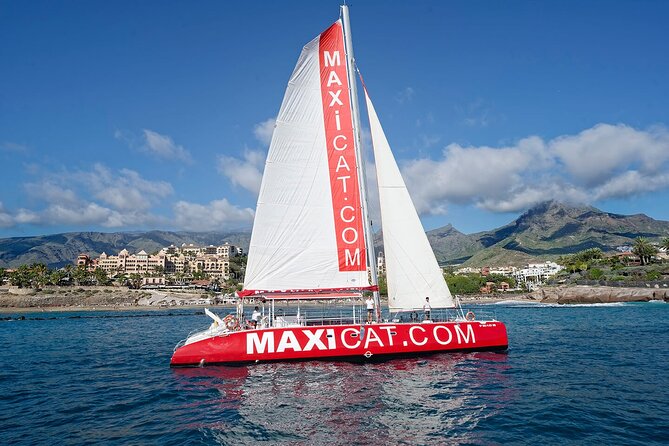
- MAXICAT catamaran in Costa Adeje: a 3-hour outing built around seeing whales, dolphins, and seabirds.
- Food and drinks are included: local products are served on board, so you’re not just watching and snacking.
- ZEC conservation-area route: the cruise runs through a protected zone, with guide explanations about the local environment.
- Wildlife targets are specific: bottlenose dolphin, common dolphin, pilot whale, plus birds like Cory’s shearwater and osprey.
- Spaghetti Beach swim stop: about 30 minutes to swim in clear Atlantic water.
- Group size is capped: up to 104 people, which helps keep the vibe manageable—though queues at boarding can be messy.
Costa Adeje catamaran basics: MAXICAT, timing, and what your money buys
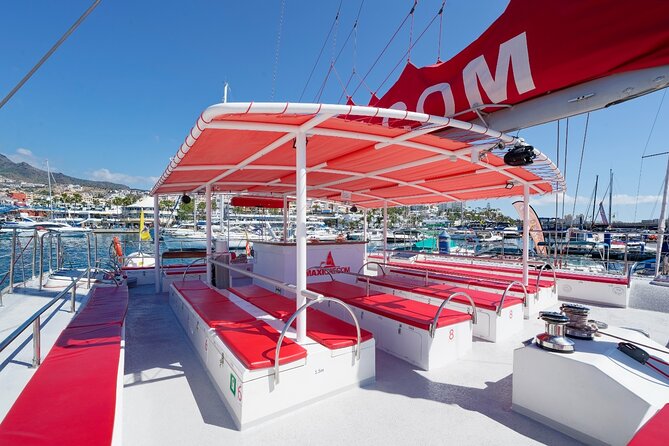
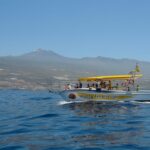
This is a 3-hour catamaran trip in Tenerife, departing from the Costa Adeje area. The boat is operated by MAXICAT, and the route starts from Puerto Colón (you’ll begin sailing after you’re set on board).
The price is $47.06 per person, and the value comes from what’s wrapped into that time: wildlife time on the water, a real swim break at a named bay, plus food and drinks using local products. If you’re weighing this against cheaper tours that only include a short search time (or charge for food), this one often feels more practical—especially if you want a full block of time without planning a separate meal stop.
You’ll also see that this gets booked ahead (on average about 15 days), so if you’re traveling at a busy time, I’d treat it like a “pick a date and lock it in” kind of plan.
Logistics are straightforward. The start point is Av. de Colón, 11, 38660 Playa de las Américas, and the activity ends back at the same meeting point. Pickup is offered, but you have to confirm your pickup time in advance and arrive about 10 minutes early at the pickup point.
You can also read our reviews of more tours and experiences in Tenerife.
Following the coast in the ZEC conservation area: why this route matters
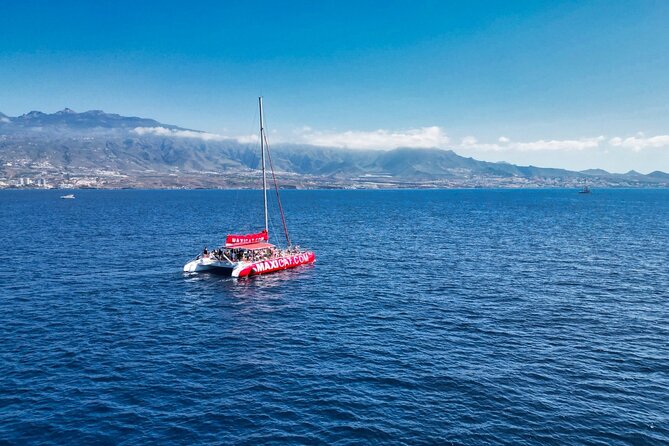
The sailing route isn’t random sightseeing. You cruise along southern Tenerife and through a special conservation area (ZEC) that covers multiple municipalities: Buenavista del Norte, Santiago del Teide, Guía de Isora, Adeje, and Arona.
Why you should care: when wildlife tours are done well, you’re not just driving the sea hoping for luck—you’re working within areas where the food chain and habitat make sightings more likely. You also get guide explanations about the fauna and the environment you’re moving through, which turns the day from a snapshot into something you can understand while it’s happening.
This matters for you if you’re the type who likes context. Even if you’re not a marine biologist, hearing why you’re searching certain stretches, or how birds and dolphins use the same waters, makes the sightings feel more meaningful. It also helps you spot more with your eyes, not just with the group’s pointing.
Whale and dolphin watching: what to look for (and how the guide helps)
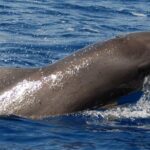
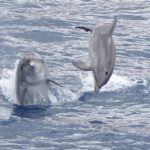
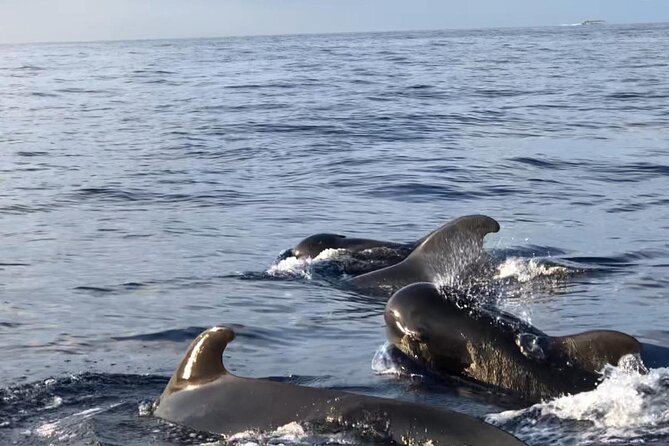
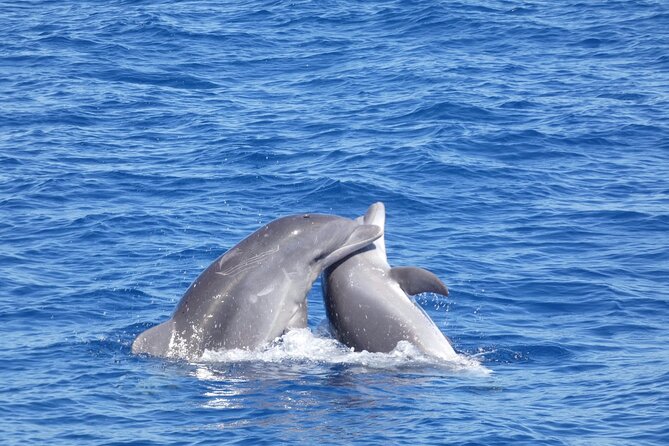
The tour’s main targets are classic for this part of Tenerife: bottlenose dolphins, common dolphins, and the chance to see a pilot whale. Along the way, you may also spot migratory seabirds such as Cory’s shearwater and osprey.
Here’s a practical way to get more out of the experience. When you’re on a boat scanning the water, keep your attention wide—don’t fixate on one spot. Dolphins can move fast and appear briefly, and whales can come up farther than you expect. If the guide calls out what to watch for, listen closely and adjust your scanning pattern.
The boat-time pacing also helps. You’re out long enough (roughly 2.5 hours on the main leg) that sightings have a chance to happen without feeling rushed. And because the group cap is up to 104 people, you’re not stuck in a crush where nobody can see anything.
From feedback, the quality of the crew and captain can make a big difference. People highlight that the captain and team are informative, polite, and professional, and that the crew is especially good at managing the experience when there are children on board. If you’ve ever been on a wildlife boat where the vibe is tense, you’ll appreciate this kind of calm competence.
Food and drinks on board: why the included lunch actually changes the day
This is one of the key “why this tour” points. The cruise includes food and drinks, described as local products, served around the sailing portion out in the conservation area and wildlife search.
For your day, that means you’re not hungry and cranky during the best wildlife window. It also keeps you from having to hunt for food in Playa de las Américas or Costa Adeje between sightseeing blocks. When a tour includes the meal, it reduces the mental load—one less decision, one less line, one less expense.
The overall effect is simple: you can settle into the water experience and still eat well. Reviews also mention the lunch and drinks in positive terms, and that the number of people on board feels optimal, which usually correlates with a smoother onboard meal setup.
One small watch-out: if you’re sensitive to motion, eat lightly at first and see how your stomach feels once the catamaran is moving. Catamarans are generally stable compared with smaller boats, but the ocean always has its own opinions.
Spaghetti Beach at Diego Hernández Bay: the 30-minute swim reality check
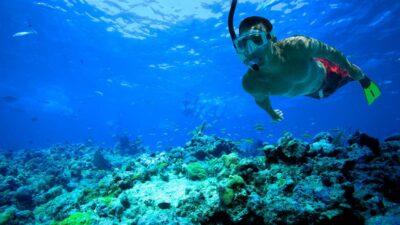
Halfway through, you get a named break: Diego Hernández Bay, commonly called Spaghetti Beach. You’ll have about 30 minutes here to swim in the Atlantic’s clear water.
This stop is a smart pairing with whale watching. On a wildlife tour, the sea can sometimes feel endless when you’re waiting for a blow, splash, or fin. The swim changes the tempo and gives you something physical to do—without the tour turning into a full-on beach day.
A couple of practical tips:
- Bring what you’ll need before you step onto the sand or go down toward the water (water shoes if you use them, towel, sunscreen).
- Plan for a quick rinse-off. Saltwater tends to hang around, and you’ll likely want to feel comfortable after you board again.
Also note: the bay time is short by design. This tour is built around wildlife first, so the swim is a bonus rather than a full beach session. If you’re hoping for a long lounge-and-read kind of stop, this won’t be that.

Crew, boat size, and the vibe: where reviews line up with your comfort
The MAXICAT operation is set up so you’re not packed shoulder-to-shoulder. With a maximum of 104 travelers, the onboard experience tends to feel manageable. Reviews praise the crew’s professionalism and mention that the number on board made the sailing experience better.
The crew quality shows up most in two places:
1) how smoothly they manage questions and moments before departure
2) how they handle the onboard atmosphere, especially with families
That said, there’s one recurring caution: the boarding process can feel chaotic. One review mentions a lack of clear signs for where to queue for MAXICAT and people pushing ahead. Another review complains the staff handling the queue weren’t very helpful, and notes a different boat had a better vibe.
So here’s my advice to protect your mood: arrive early, look for staff directions, and ignore the chaos around you. Get in line where you’re told, and once you’re on board, focus on the fun part.
Who this Tenerife sea trip is best for
This tour suits you if you want a structured wildlife outing with real time at sea, not just a short “maybe we’ll see something” cruise. It’s also a strong fit if you like the idea of a full package: boat + wildlife commentary + meal + swim stop.
It’s especially good for:
- couples who want a memorable activity without planning dinner afterward
- families with kids (the crew is reported to be very good at handling children)
- travelers who prefer an English-guided experience and appreciate explanation alongside sightings
If you’re someone who hates any touch of crowding, it’s still worth it because of the cap, but I’d be mindful about boarding and where you stand for viewing. If you’re prone to motion sickness, take basic precautions and consider your seat location once on board (usually you’ll feel steadier toward the middle, but follow crew guidance).
Should you book this whale and dolphin watching tour with food included?
I’d book it if your goal is a balanced Tenerife activity: wildlife time in a protected area, plus an actual break to swim, with lunch and drinks included so the day doesn’t fall apart halfway through.
Book it with eyes open if you’re very sensitive to boarding stress. The boat experience can be smooth and professional once you’re settled, but you may want to arrive with a buffer so you’re not dealing with unclear lines.
If you’re comparing options, this one has a clear advantage: you’re not paying just for the search for whales and dolphins—you’re also buying a meal, a swim stop, and guide-led context about the ZEC waters and the birds and cetaceans you’re likely to encounter.
FAQ
FAQ
How long is the whale and dolphin watching tour in Tenerife?
The tour runs for approximately 3 hours, with about 2 hours 30 minutes on the main catamaran part and a 30-minute stop at Diego Hernández Bay.
Where does the tour start?
The meeting point is Av. de Colón, 11, 38660 Playa de la Américas, Santa Cruz de Tenerife, Spain, and the tour ends back at the same meeting point.
Is food and drink included?
Yes. The catamaran cruise includes food and drinks, featuring local products.
Do they offer pickup?
Pickup is offered. You need to confirm your pickup time in advance, and you should arrive at the pickup point about 10 minutes early.
What animals might you see?
The cruise is set up for possible sightings of bottlenose dolphins, common dolphins, and pilot whales, plus migratory birds such as Cory’s shearwater and osprey.
What if the weather is bad or I need to cancel?
Good weather is required. If the tour is canceled due to poor weather, you’ll be offered another date or a full refund. You can also cancel for a full refund if you cancel up to 24 hours in advance of the experience start time.