REVIEW · TENERIFE
Tenerife: Tour of an Organic Vineyard with Tasting & Snacks
Book on GetYourGuide →Operated by Bodegas Ferrera · Bookable on GetYourGuide
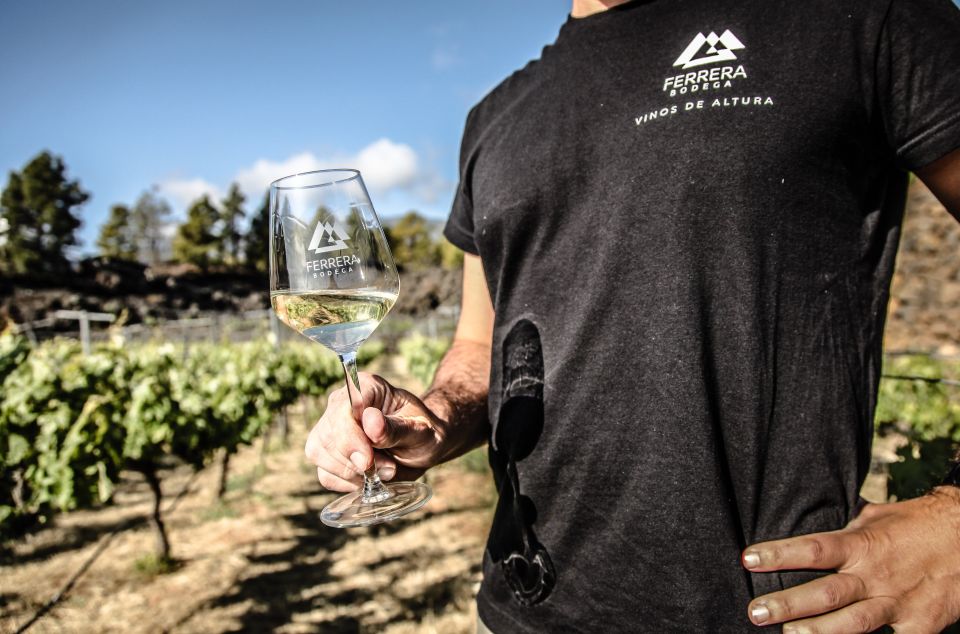
Wine culture looks different at 1,000 meters. This organic vineyard tour on Tenerife takes you onto old vines in a volcanic lava tongue, surrounded by Canary Island pine trees, with big views over the Güímar Valley and up toward the island’s summit. I especially like that it is a small group experience, so the guide can slow down and explain what actually happens in the vineyard and the cellar.
The other thing I really like: the tasting is built into the walk, not tacked on at the end. You get guided stops where you learn how vines are grown, then you taste four wines (with two tagged with a Denomination of Origin) alongside Canarian tapas like cheeses and assorted croquettes. One caution: expect actual walking on foot with uneven terrain, and you’ll want warm clothing and comfortable shoes.
In This Review
- Key takeaways before you go
- Entering a heroic high-mountain vineyard on Tenerife
- Price and logistics: what you’re paying for
- The 3-hour flow: how the walk and tastings are staged
- Stop 1: old vines and how they stay productive
- Stop 2: how wine is made
- Stop 3: two homegrown wines with Denomination of Origin
- Final stop: two more wines with cheeses and croquettes
- What the tastings taught me to notice (without overcomplicating wine)
- Organic farming in a volcanic tongue: what makes this vineyard special
- Guides and hosting: personal, bilingual, and attentive
- Who this tour is perfect for (and who should skip it)
- Should you book the Tenerife organic vineyard tour?
- FAQ
- Where is the meeting point?
- How long is the tour?
- How many wines and tapas are included?
- Is hotel pickup included?
- Is there a group limit?
- What languages are the guides?
- Is the tour suitable for wheelchair users?
- What should I wear or bring?
- Can they accommodate vegan needs?
Key takeaways before you go
- Volcanic setting at nearly 1,000 meters gives you a rare mix of steep work and stunning views
- Organic vineyard education goes beyond slogans, with stops focused on how vines and wine are made
- Four wine tastings are spread across the tour, so you’re not rushing through it all at once
- Canarian tapas pairing includes cheeses and assorted croquettes, not just bread and wine
- Family-run vibe comes through in the hosting, from Darius’s attention to details to Dácil’s friendly guidance
- Small group size (up to 8) keeps the tour personal and question-friendly
Entering a heroic high-mountain vineyard on Tenerife
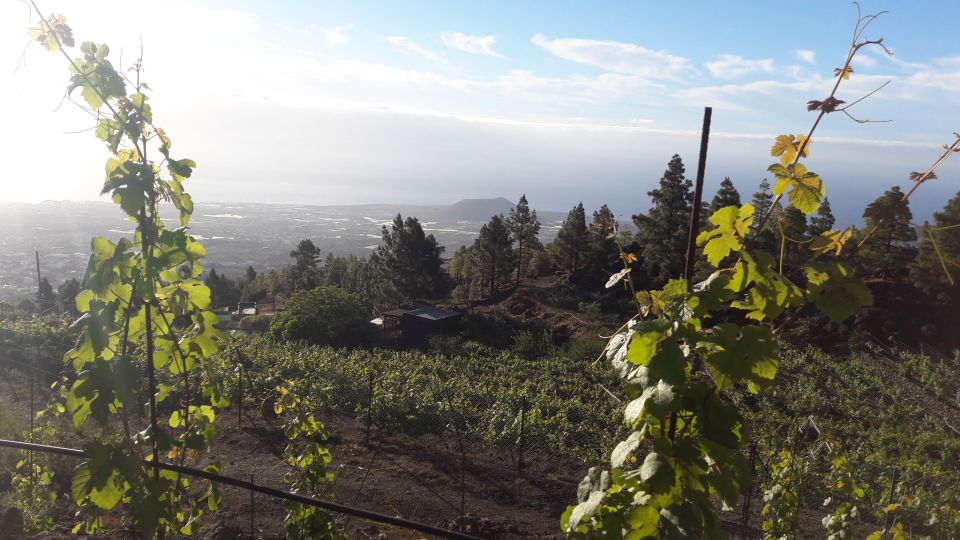
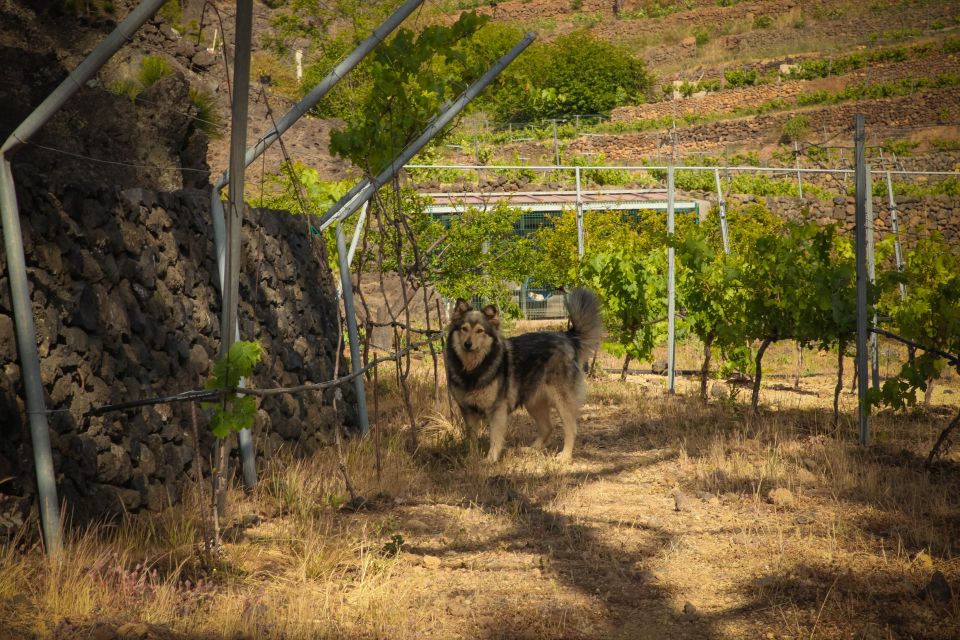
Tenerife has wine, but this tour highlights the kind that has to work for it. You’re above sea level, almost 1,000 meters up, and the vineyard sits on a volcanic lava tongue. That means the conditions are tough in a way you can feel: the air can be cooler than in the beach areas, and the ground is part of the island’s dramatic geology. If you like your wine stories grounded in real farming, not just marketing, you’re in the right place.
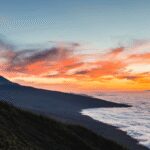
From the vine rows, you also get real payoff. The views stretch over the Güímar Valley, and on clear days you can look toward Tenerife’s summit. This matters because it changes how you taste. You’re not sipping wine in a corridor with posters behind you. You’re tasting where the grapes are grown, where wind and slope and volcanic soil all shape the character of what ends up in the glass.
You can also read our reviews of more tours and experiences in Tenerife.

Price and logistics: what you’re paying for
At about $77 per person for a 3-hour guided experience, the value is in three places. First, you’re paying for a guided walk with multiple learning stops, not a quick tasting session. Second, the tour includes 4 glass of wine and 4 Canarian tapas, which is where many tasting-only experiences quietly add up. Third, there’s a transfer from the winery to the wine camps, so the time stays focused on the vineyard.
What you should plan on: there’s no hotel pick-up or drop-off. You meet your guide near the FERRERA sign, then the tour handles moving you from the winery area to the wine camps. The guide leads in English and Spanish, and the group is limited to 8 participants, which keeps it from feeling like a production line.
Also, this is a “bring what you need” kind of tour. You’ll want warm clothing, comfortable clothes, and sports shoes. That last part is not optional if you don’t want the ground to steal the show.
The 3-hour flow: how the walk and tastings are staged
This tour is designed like a guided route, with stops that build your understanding step by step. You start with the vineyard itself and the working rhythm of old vines. Then you move through explanations that connect vine care to wine production, and finally you reach tastings paired with Canarian snacks.
The best part is that the tastings are timed to the learning. You’ll taste as you go, which helps you understand what the guide is pointing out. It also keeps your energy steady. Instead of one long stretch of walking with no breaks, the stops break the time into smaller chunks.
Stop 1: old vines and how they stay productive
Your first learning moment focuses on how the old vines are grown. This is where the tour starts to feel practical. You learn what it means to farm organically in a high-mountain environment and why old vines are not just a romantic detail—they’re part of the vineyard’s identity. Even if you’re new to wine, the guide’s explanations tend to connect farming choices to outcomes you can taste later.
Stop 2: how wine is made
Next comes the wine-making process. This section matters because it turns tasting into something you can follow. You’re not just ranking flavors; you’re understanding why the process affects what you smell and sip. If you’ve ever wondered what separates “good” wine from the wine you actually want to repeat, this is the section that helps you notice it.

Stop 3: two homegrown wines with Denomination of Origin
Then you’ll taste two homegrown wines with a Denomination of Origin. These tastings are usually easier to appreciate because you can treat them like a mini comparison. I like this setup because it gives your palate a baseline before the later pairing. You get to build familiarity before the snacks and cheese arrive.
Also, two of the wines are homegrown and tied to Denomination of Origin—that label is part of the learning. It signals that these bottles reflect regional growing standards and identity, not just a local experiment.
Final stop: two more wines with cheeses and croquettes
The last tasting is paired and social. You’ll taste the other two wines, then shift into Canarian pairing with cheeses and assorted croquettes, plus included tapas. This is where the experience becomes food-first, in the best way.
The pairing is not just there to fill plates. It’s a chance to taste how food influences wine perception—salty bites, creamy textures, and savory flavors can make certain notes in the wine easier to recognize. If you’re the kind of person who enjoys comparing sips, this stop gives you that chance without making it feel like homework.
What the tastings taught me to notice (without overcomplicating wine)
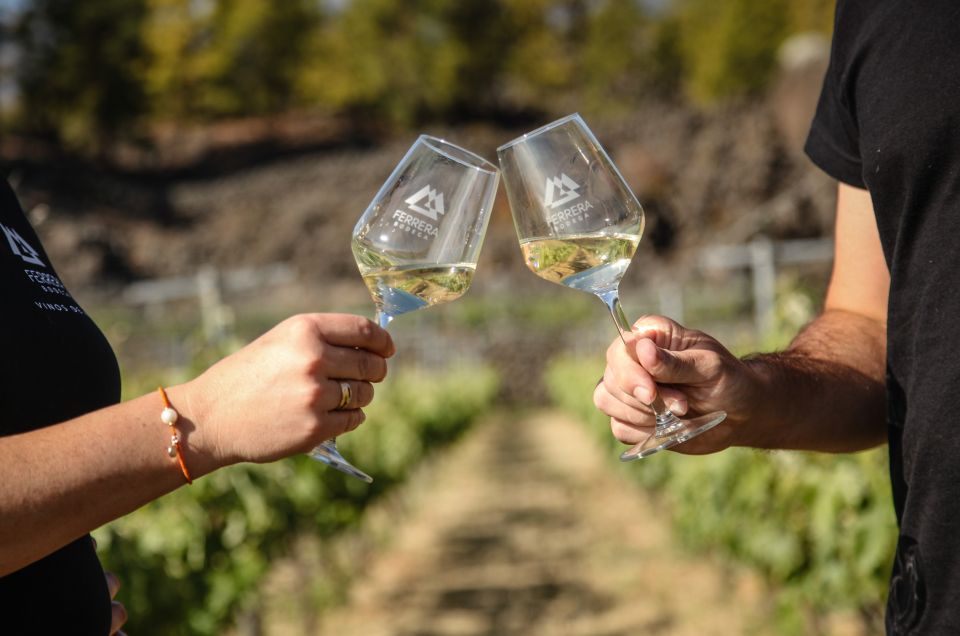
Four wines in three hours is a decent pace. It’s enough to compare, but it’s not so much that you forget what you liked after the third sip. When you’re tasting, keep your attention on a few simple signals rather than getting lost in wine jargon.
I’d pay attention to:
- How the wines feel in the mouth as you move through the route
- How the flavors change after the tapas and croquettes arrive
- Whether you prefer the cleaner notes early or the deeper pairings at the end
Two wines are clearly identified as homegrown with Denomination of Origin, and the later two come with the heavier pairing (cheeses and assorted croquettes). That structure naturally guides your palate: you start learning, then you apply what you learned to how wine behaves with food.
If you’re vegan, bring that up. One guest shared that when Darius learned she was vegan, he made extra croquettes for her. That doesn’t guarantee the exact same adjustment for every dietary need, but it does show the hosts take requests seriously when they know ahead of time.
Organic farming in a volcanic tongue: what makes this vineyard special
Organic farming in a high-mountain setting isn’t just a checkbox. In this tour’s setting—volcanic ground, steep conditions, and pine-tree surroundings—you’re seeing what it means to work with the environment rather than against it. Old vines also add another layer. The guide’s emphasis on how they’re grown is a reminder that longevity changes the rhythm of cultivation.
And the volcanic lava tongue is not just a backdrop. In conversations, that’s often where the guide’s explanations connect to what you can taste. Even when you don’t memorize soil theories, you start linking the intensity of the terrain to the intensity (or balance) of the wine.
What I found most memorable is how the tour frames the vineyard as active, not scenic. The vine work is the story. The views are the reward.
Guides and hosting: personal, bilingual, and attentive
This is a guided tour where the guide’s personality actually affects the experience. You’ll have a live guide in English or Spanish, and the group size keeps it interactive. That matters because organic wine often raises questions—what’s done differently in the vineyard, why certain choices are made, and how the wine-making process supports the goals.
From what you’ll hear during the stops, the hosting feels family-focused. Names that came up include Darius and Dácil. One guest highlighted Darius’s passion for organic production and the fact that he made extra croquettes for a vegan visitor once he was informed. Another guest called out Dácil as friendly and great at guiding the experience.
That’s the vibe you want on a tour like this: no hard sell, just clear explanations and real care for sustainability and the natural setting.
Who this tour is perfect for (and who should skip it)
This tour is ideal if you want:
- A hands-on wine and vineyard explanation, not just a tasting room
- The organic angle, with real vineyard context
- A guided walk with short stops, good pace, and panoramic views
- A small-group format where you can ask questions without feeling rushed
You might want to skip it if:
- You need wheelchair accessibility (it’s not suitable for wheelchair users)
- You’re traveling with kids under 18
- You’re traveling with someone over 95 (not suitable for that age range)
- You don’t feel comfortable with on-foot stops and sports-shoe terrain
It’s also worth noting: because the meeting is near the FERRERA sign and there’s no hotel pickup, you’ll want to be comfortable getting yourself to the starting point on Tenerife.
Should you book the Tenerife organic vineyard tour?
If you like wine but you also like understanding how it’s made, I think this tour is a strong yes. The price makes sense for what’s included: a 3-hour guided walk, 4 wine tastings, and Canarian tapas that include cheeses and assorted croquettes. More importantly, you’re tasting in the vineyard’s real setting—volcanic slope, old vines, and views over the Güímar Valley—so the experience feels coherent instead of staged.
Book it if you’re up for a guided walking route and you want an organic-focused introduction that doesn’t feel generic. Skip it if mobility is an issue or if you want zero walking.
FAQ
Where is the meeting point?
Meet your guide near the FERRERA sign.
How long is the tour?
The tour lasts 3 hours.
How many wines and tapas are included?
You’ll get 4 glasses of wine and 4 Canarian tapas.
Is hotel pickup included?
No. Hotel pick-up and drop-off are not included.
Is there a group limit?
Yes. The group is limited to 8 participants.
What languages are the guides?
The live tour guide speaks English and Spanish.
Is the tour suitable for wheelchair users?
No, it is not suitable for wheelchair users.
What should I wear or bring?
Bring warm clothing, comfortable clothes, and sports shoes.
Can they accommodate vegan needs?
The tour includes tapas and croquettes, and in at least one reported case the guide (Darius) made extra croquettes when a vegan guest informed him ahead of time. If you have dietary needs, tell the organizer in advance.