REVIEW · TENERIFE
Tenerife: Scuba Diving Experience with Instructor and Gear
Book on GetYourGuide →Operated by Apnea Academy WE aquatic experiences · Bookable on GetYourGuide
A short ride to clear water and real instruction. This Tenerife protected bay SCUBA session is guided by pro instructors like Paco, and I love how they break things down step by step so you feel ready fast. You’ll also come away with photos and videos plus a diploma, so the memories aren’t just in your head.
One thing to consider: the total time is 1.5 hours, so if you’re hoping for long time underwater, this is more of a focused intro than an all-day adventure.
In This Review
- Key things to know before you go
- Meeting at La Caleta de Adeje: how the session starts (and why it matters)
- The best nearby protected bay: where you might go in Tenerife
- Briefing and gear time: the moment first-timers breathe easier
- What you’ll see underwater: Canarian fauna and the seabed in protected water
- The instructor debrief, coffee or tea, and your wrap-up materials
- Price and value: is $77 worth it for 1.5 hours?
- Who this SCUBA session fits best (and who should skip it)
- Important safety notes you should plan around
- Should you book this Tenerife SCUBA experience?
- FAQ
- How long is the SCUBA experience in Tenerife?
- Where does the experience start?
- Do I need previous SCUBA experience?
- What languages do instructors speak?
- Is it suitable for children, pregnancy, or wheelchair users?
- How long should I wait before flying after the experience?
- What’s included and what’s not included?
- What happens if the sea conditions are bad?
Key things to know before you go
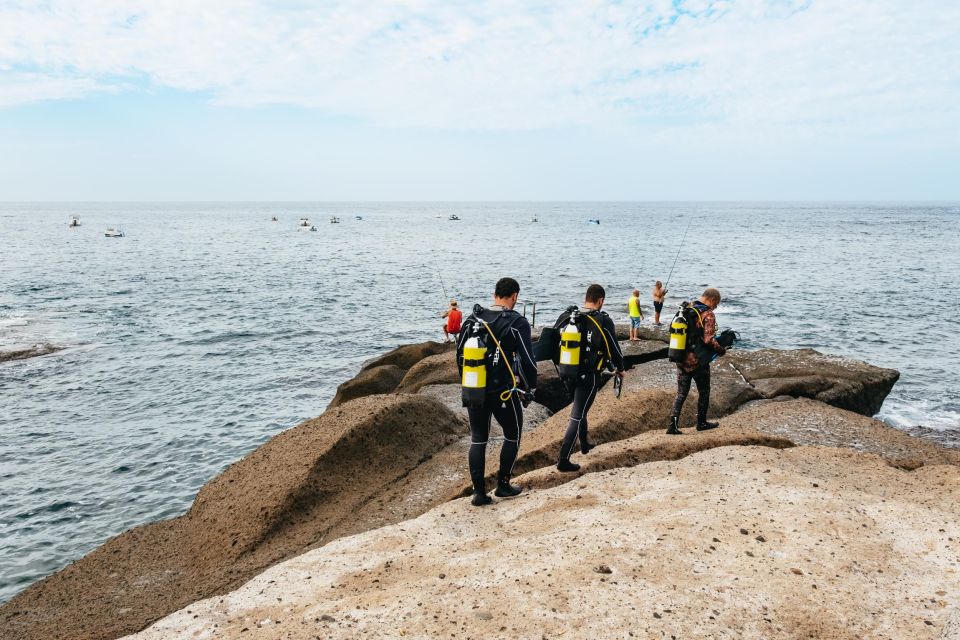
- Small group (up to 3 participants): more instructor attention, less waiting around.
- Protected-bay planning: the team picks the best spot based on sea conditions, often from La Caleta de Adeje.
- Beginner-friendly training: theory first, then gear checks, then the water.
- What you’ll see: Canarian fish and sea life, plus corals and the seabed in protected waters.
- You get the media: photos and videos are included, plus a diploma after the session.
- Time and weather are real factors: bad sea conditions can mean the experience won’t run.
Meeting at La Caleta de Adeje: how the session starts (and why it matters)
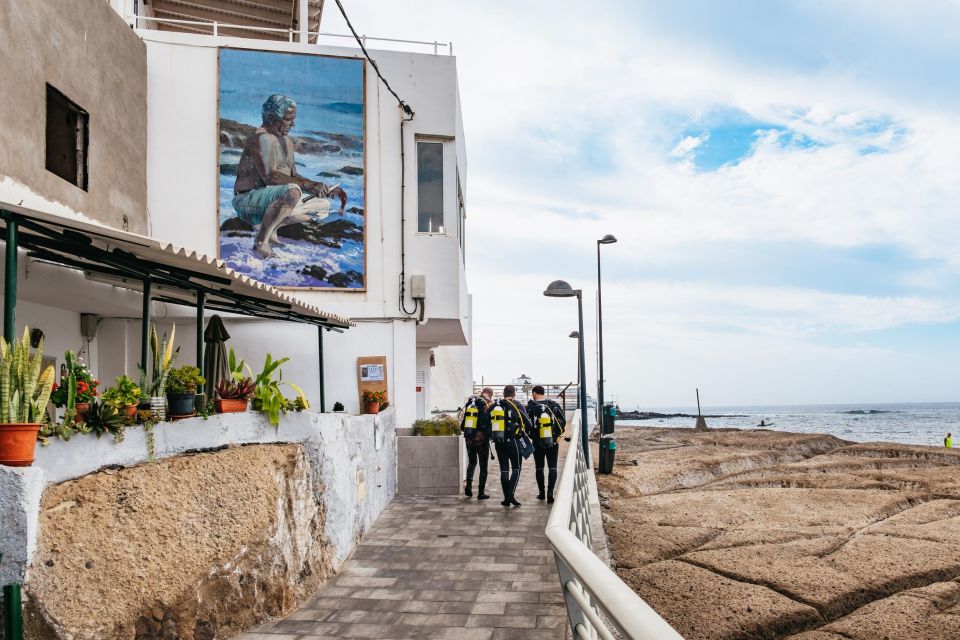
Your experience begins by arriving at La Caleta de Adeje, where you meet the instructor team. This matters because you’re not just handed a tank and sent off. You get face-to-face coaching from the start, and that sets the tone for calm, controlled underwater time later.
This is also a small group set-up. With a maximum of 3 participants, you’re less likely to get swallowed by the crowd vibe. You’ll typically get more direct attention during the briefing and gear checks, which makes a big difference if it’s your first time on SCUBA equipment.
Before you go anywhere near the water, expect an organized intro: what you’ll do, what to watch for, and how the session works from start to finish. The goal is simple—help you feel steady and safe before you ever hit the seabed.
You can also read our reviews of more tours and experiences in Tenerife.
The best nearby protected bay: where you might go in Tenerife
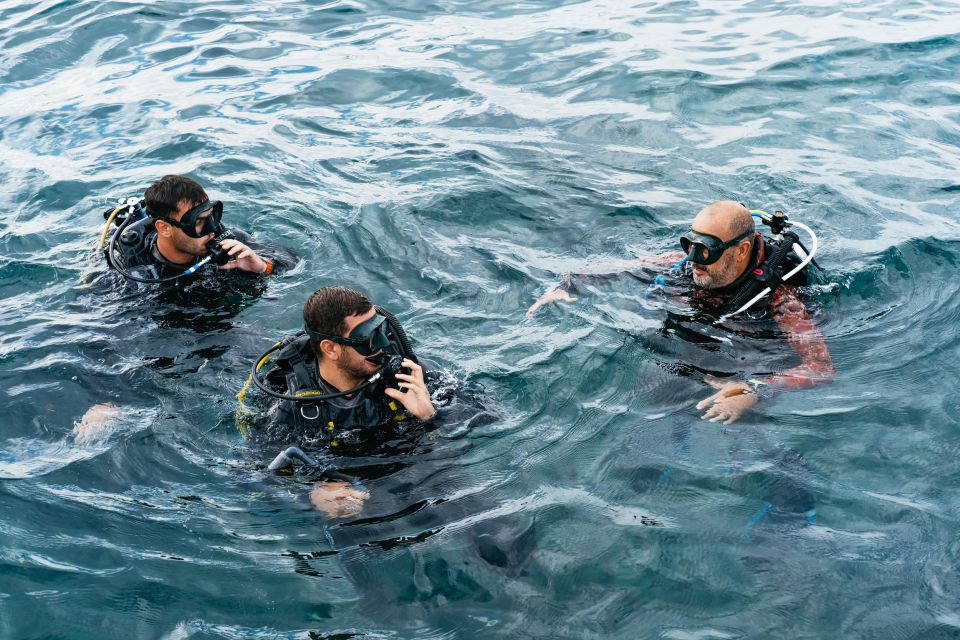
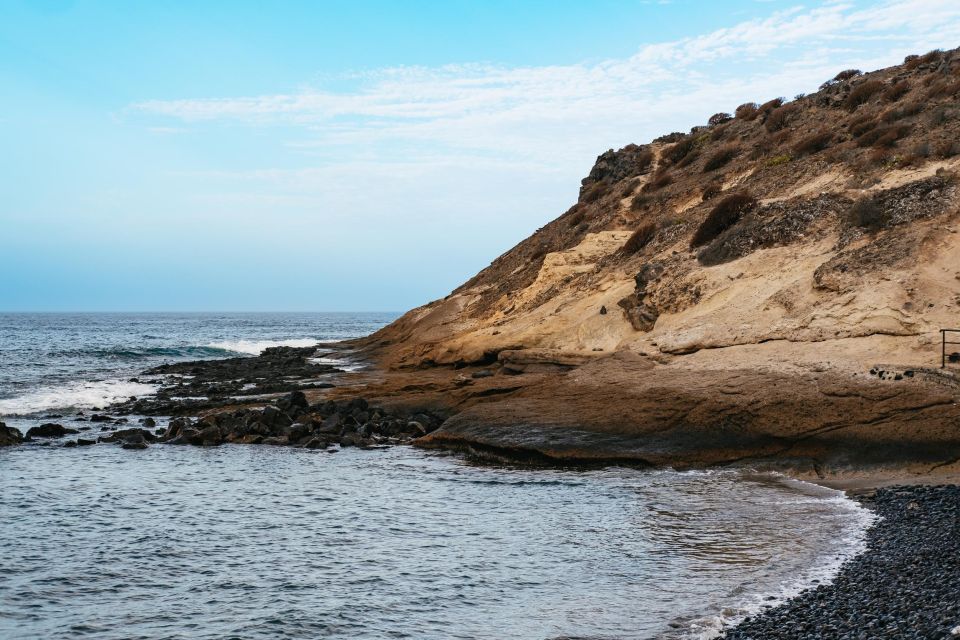
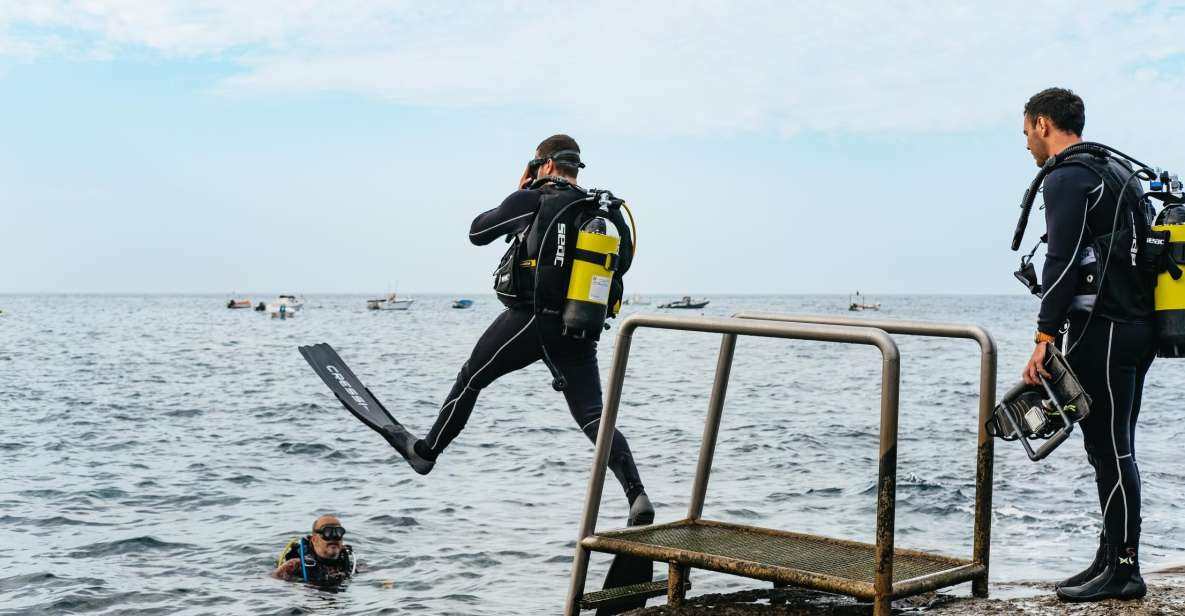
The underwater location depends on conditions. The team aims to choose the best place based on sea state, and the options include La Caleta de Adeje, Marina del Sur, Abades, Poris de Abona, Las Eras, Radazul, and Garachico.
In practice, you’re starting your day at La Caleta de Adeje, then the instructors take the final decision from there. This is a smart approach. Protected bays usually mean calmer water, easier entry, and smoother control for beginners.
If you’re the type who cares about seeing real life up close, it’s also a great sign that they’re focused on protected nature areas. You’re there for underwater scenery that’s meant for wildlife and conservation, not just for spectacle.
Briefing and gear time: the moment first-timers breathe easier
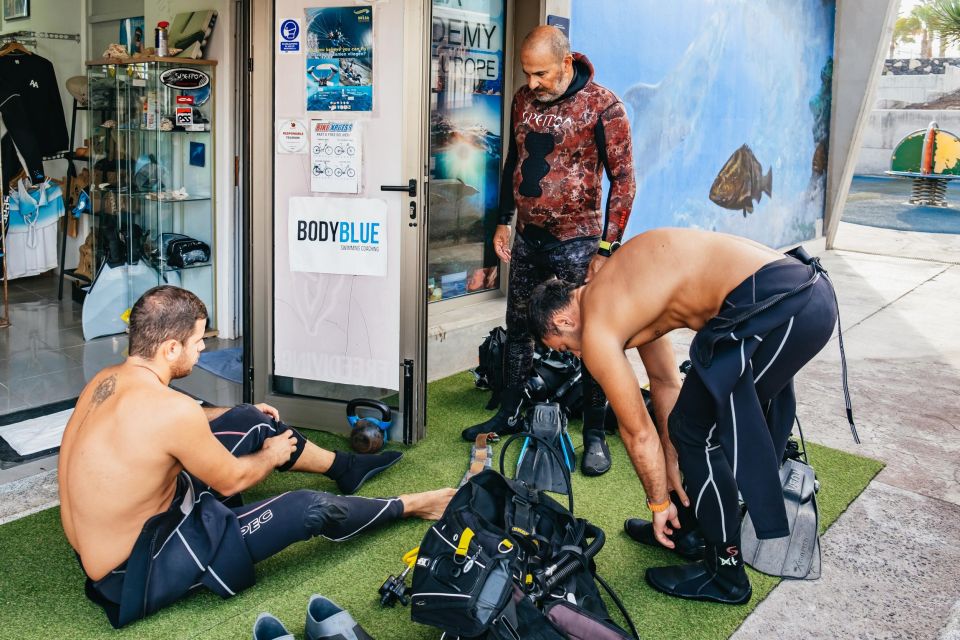
The session is built around preparation. You’ll get an initial briefing, then you’ll get into the water with your instructor guiding you through the steps. For first-timers, the order matters: theory first, then action.
What I like most here is how instructors keep the learning practical. In real-life examples from the team, Paco has been praised for explaining the theoretical side clearly before the first underwater moments—and then staying right with the participant during the water time. That combination is exactly what you want: you understand what’s happening, and you’re not left guessing once you’re underwater.
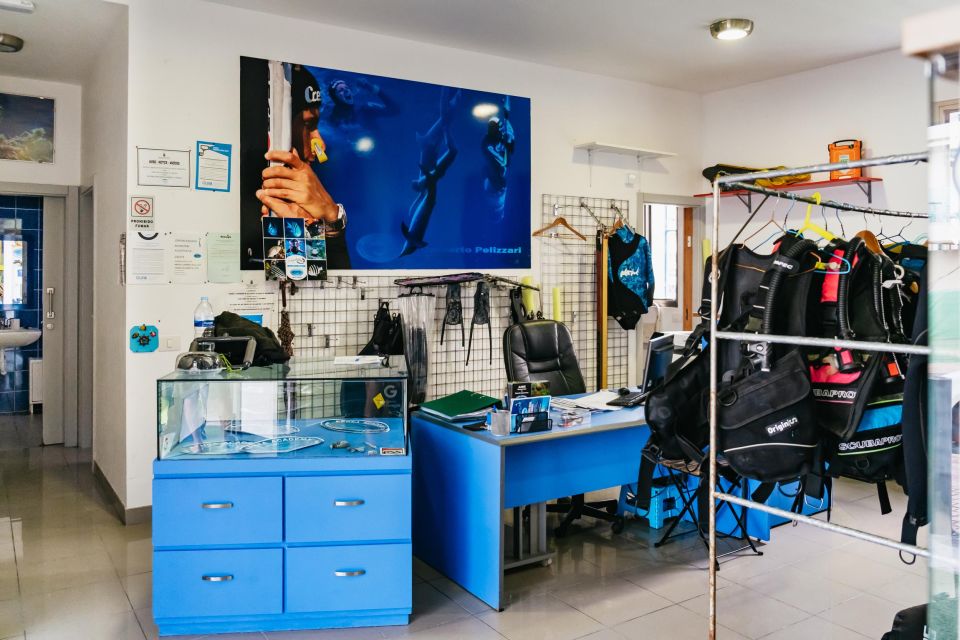
You’ll also get the use of scuba gear included. That removes one of the biggest friction points for visitors. No hunting for rentals, no figuring out fit, no last-minute panic about whether your equipment is right.
One small heads-up: since the total duration is 1.5 hours, the briefing is efficient. You don’t get hours of classroom time. You get the essentials, practiced and checked, then you go.
What you’ll see underwater: Canarian fauna and the seabed in protected water
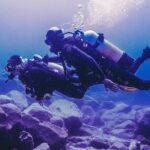
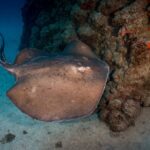
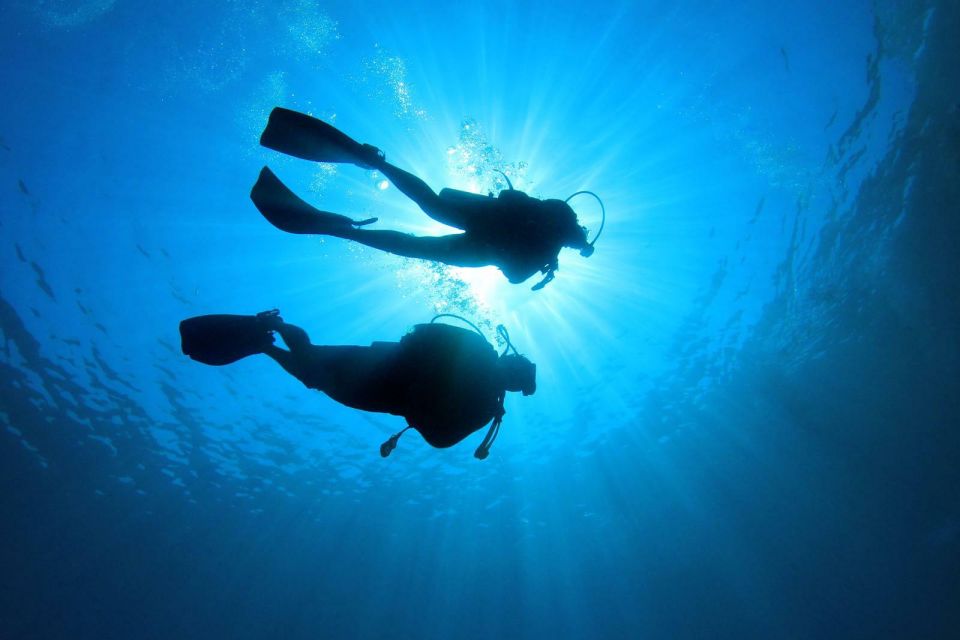
Once you’re in, the focus is on underwater life and the protected bay environment. You can expect to see Canarian fauna and flora, plus lots of fish activity and coral features.
The experience isn’t presented as a technical expedition. It’s more about seeing how the seabed looks when you’re truly looking at it—slowly, calmly, and with an instructor nearby. And because the bay is protected, visibility and conditions are typically more manageable than open-coast options.
If you’re coming hoping for photos, you’re in the right place. One of the consistent strengths of this experience is that the team takes photos and videos during the session. That matters because underwater memories can feel different from what you thought you’d see. The media helps you review what you actually encountered—fish shapes, coral colors, and your own progression in the water.
That said, one detail to manage expectations: the total time is short. You’ll likely feel the underwater experience is just long enough to feel hooked, not long enough to feel like you mastered everything.
The instructor debrief, coffee or tea, and your wrap-up materials
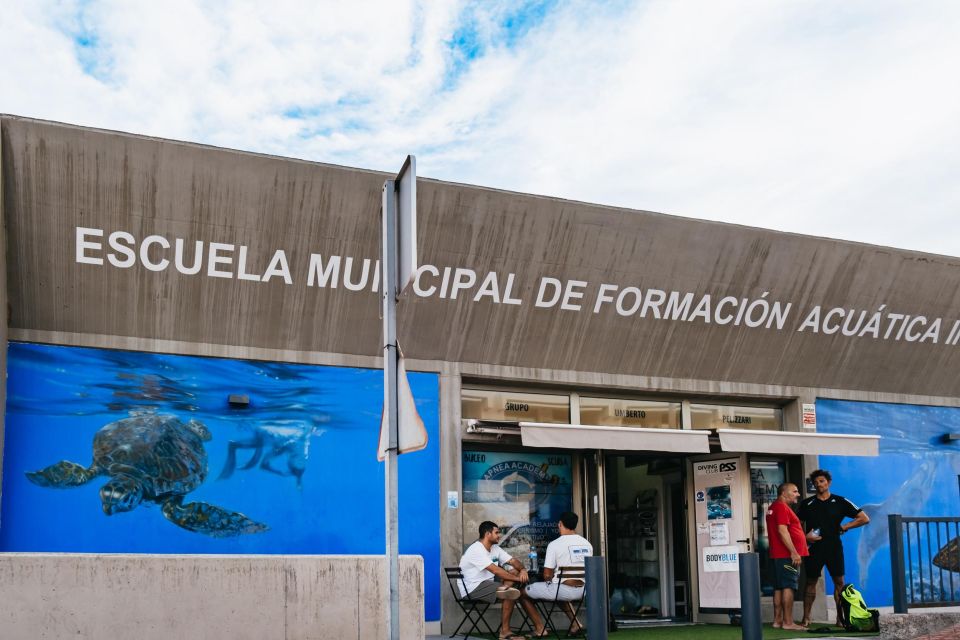
After the underwater portion, you’ll do a debrief with the instructors while enjoying coffee or tea. This is a small detail, but it makes the whole experience feel complete. You’re not rushing out the door while you’re still processing what happened. You get a chance to talk through what went well and what to focus on next time.
Then the session ends with tangible takeaways:
- a diploma
- videos and photos from the activity
That’s a real value-add. Many tours give you a memory and a vague sense of, I think I saw fish. Here, you get actual visual proof—and a finish-your-day certificate to mark the moment.

Price and value: is $77 worth it for 1.5 hours?
At $77 per person for about 1.5 hours, the value comes from what’s included, not just the fact that you’ll be underwater.
You’re getting:
- an instructor
- scuba gear
- photos and videos
- a diploma
And you’re also paying for the fact it’s a small group, limited to 3 participants. In a water-based activity, that usually means more time helping you than waiting on others.
Two practical notes on what you should budget separately: snacks and alcoholic drinks aren’t included. So if you tend to get hungry or you plan to make a full day out of Tenerife, grab a snack before you meet.
Also, remember that bad sea conditions can cancel the experience. That doesn’t make the price bad—it just means you’re paying for an outdoor, weather-dependent activity. If you can be flexible, you’ll get more peace of mind.
Who this SCUBA session fits best (and who should skip it)
This activity is designed so no previous experience is needed. If you’re new to SCUBA, you’ll likely appreciate the structure: briefing, gear set-up, instructor support, then a guided underwater experience.
It’s also language-friendly. The instructors can work in Spanish, English, and Italian, which helps a lot if you don’t want to muddle through technical terms.
That said, it’s not for everyone. It’s not suitable for:
- children under 8
- pregnant women
- wheelchair users
So if any of those apply, you’ll want to choose a different kind of water activity that matches your needs.
Important safety notes you should plan around
There are a few “plan it now, thank yourself later” points:
- Bad sea conditions: the experience won’t take place if conditions aren’t right.
- Flying after the session: it’s recommended you wait at least 12 hours before flying after your SCUBA experience.
That flying note is especially relevant if you’re doing Tenerife as a quick stop between cities. Build your schedule with a buffer. If your itinerary is tight, you might end up moving your flight just to be safe and comfortable.
Should you book this Tenerife SCUBA experience?
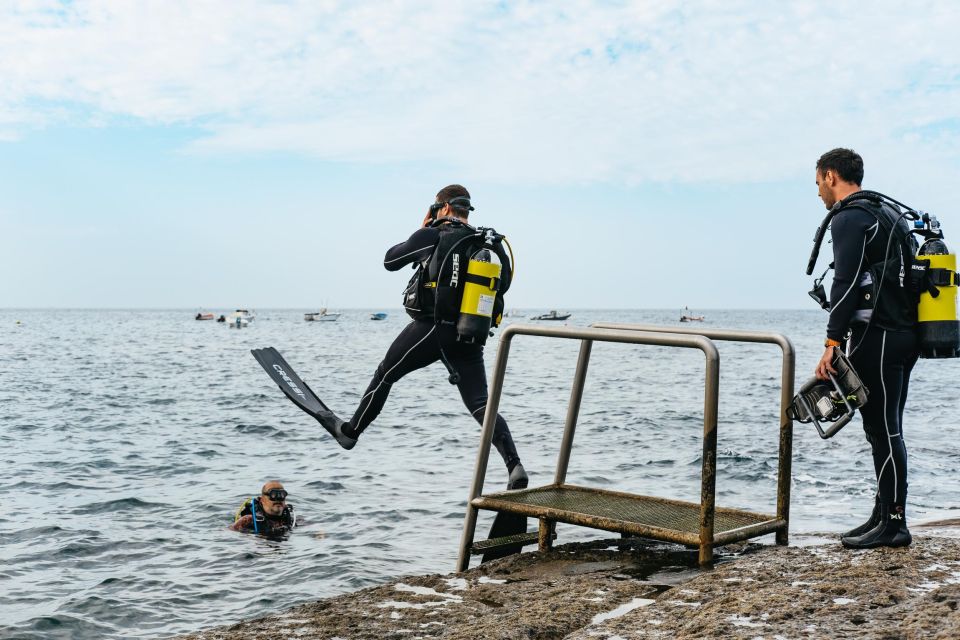
Book it if you want a beginner-friendly underwater intro in a protected bay, with real instruction, and you care about leaving with photos, videos, and a diploma. The small group size (up to 3) is a big part of the appeal, because it usually translates to more hands-on guidance and less stress.
Skip or rethink it if you’re expecting long underwater time. This is short and focused, and the session is built around coaching, not marathon bottom time. Also, plan for the possibility that the session may not run if sea conditions are poor.
If you can be flexible and you want a well-guided first experience, this is the kind of activity that makes you want to do it again—this time with more confidence and a longer wish list of what to look for.
FAQ
How long is the SCUBA experience in Tenerife?
It lasts 1.5 hours.
Where does the experience start?
You arrive at La Caleta de Adeje.
Do I need previous SCUBA experience?
No previous experience is needed.
What languages do instructors speak?
The instructors speak Spanish, English, and Italian.
Is it suitable for children, pregnancy, or wheelchair users?
It’s not suitable for children under 8, pregnant women, or wheelchair users.
How long should I wait before flying after the experience?
It’s recommended that you wait at least 12 hours before flying.
What’s included and what’s not included?
Included: instructor, use of scuba gear, photos and videos, and a diploma. Not included: snacks and alcoholic drinks.
What happens if the sea conditions are bad?
If sea conditions are poor, the experience will not take place.