REVIEW · TENERIFE
Tenerife: Los Arcos Canyoning Tour with Guide
Book on GetYourGuide →Operated by Outdoor activities tenerife · Bookable on GetYourGuide
Orange rock walls and controlled rappels await in Tenerife. This Los Arcos canyoning tour gives you the gear, a practiced guide, and a full day in a dry canyon where volcanic geology feels up close and personal. I especially like how Jorge (and sometimes Chorche in the group) runs it with calm focus, so the thrills stay fun instead of scary.
What I love even more is the canyon itself. You spend hours moving through a route carved by time: volcanic ash buildup and erosion shaped those warm orange walls, plus moss adds color and texture you can actually see on every turn. With a small group of up to 8, you get enough attention for first-timers and still keep the day moving.
One thing to consider: this is real canyoning with heights and ropes. If you’re afraid of heights, or you have health limits listed by the operator, you should skip it. You’ll also be out walking and wearing canyon gear for hours, so warm clothing and rain-ready layers matter, even in Tenerife.
In This Review
- Key things to know before you go
- Why Los Arcos Canyoning Feels Special (Even If You’ve Done Adventure Stuff)
- Meeting at Mirador de La Bermeja: The Logistics That Save Your Stress
- The Safety Briefing and Forest Track: Where First-Time Nerves Get Managed
- What could be a drawback here?
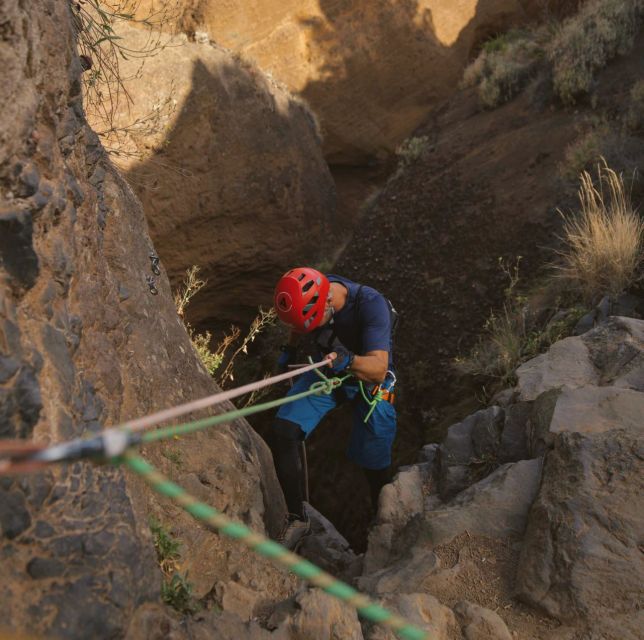
- The Descent Through Los Arcos: 8 Rappels, Mossy Orange Walls, and Real Rope Work
- Why the canyon geology makes the descent better
- What the rappels feel like
- The guide’s instruction is the difference-maker
- After the Last Drop: Chimoche Track and the Walk Back
- Gear, Photos, and Safety: What You Actually Get for Your Money
- The guide’s local knowledge adds a lot
- What to Bring (and What to Avoid) for a Dry Canyon Day
- Footwear and trousers: practical advice
- Who This Tour Fits Best (And Who Should Skip It)
- Price and Value: Is $82 a Fair Deal in Tenerife?
- Should You Book the Los Arcos Canyoning Tour?
- FAQ
- How long is the Los Arcos canyoning tour?
- What is the price per person?
- Where do I meet the guide?
- What’s included in the tour price?
- What should I bring for the canyoning day?
- How much rappelling do you do during the tour?
- Who is the tour not suitable for?
Key things to know before you go
- A gentle start that still takes effort: about a 45-minute walk to begin the descent
- Eight rappels with single-rope technique: start around a 22-meter first drop
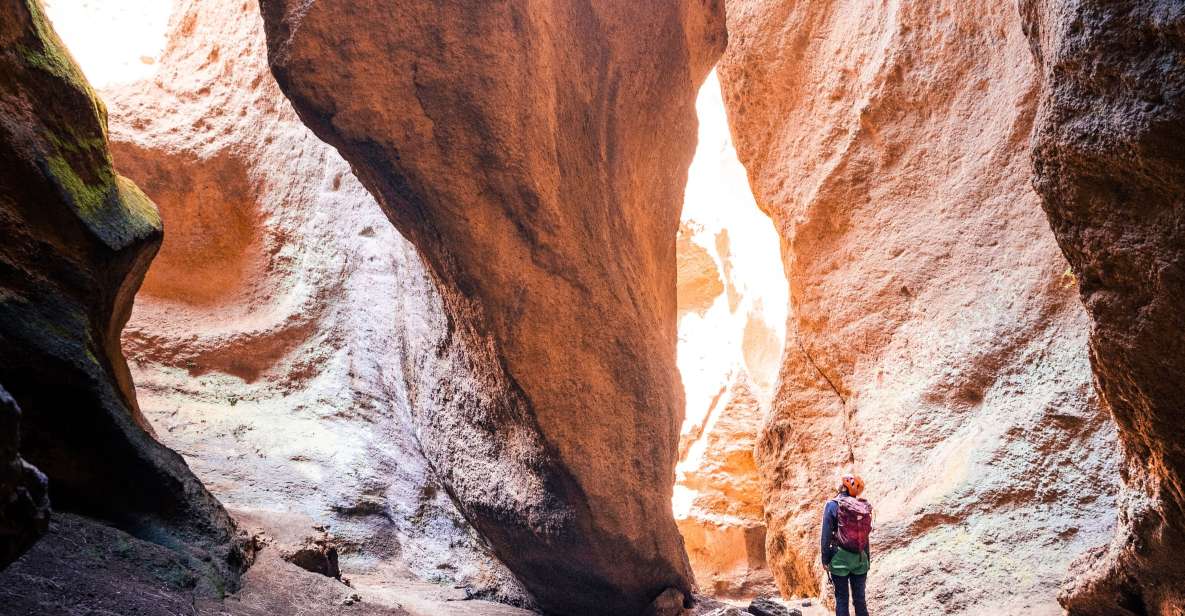
- Volcanic ash and erosion made the canyon: orange rock meets moss, shaped over time
- Jorge’s coaching style: patient, hands-on instruction that helps you relax
- Photos and accident insurance included: gear, safety coverage, and memories handled for you
Why Los Arcos Canyoning Feels Special (Even If You’ve Done Adventure Stuff)
If you’ve done hikes or even rock climbing, canyoning still hits different. It mixes walking, balance, and controlled movement down rope lines, all inside a narrow canyon. The best part is that Los Arcos isn’t just a backdrop. You’re actively inside the geology.
The canyon’s color is the first clue. Those warm orange walls look dramatic in photos, but up close you notice the texture: moss-covered patches, mineral stains, and rock that feels ancient. Your guide explains how the canyon formed through volcanic ash accumulation and erosion, so you’re not just dropping off ledges for adrenaline. You’re traveling through a story written by Tenerife’s volcanic past.
The second reason it feels special is the pacing. The route is structured so you build confidence as you go. Reviews repeatedly mention how Jorge takes time to set people up safely, including first-timers who start nervous. That matters, because one of the best parts of this tour is learning rope technique in a real setting without feeling rushed.
You can also read our reviews of more tours and experiences in Tenerife.


Meeting at Mirador de La Bermeja: The Logistics That Save Your Stress
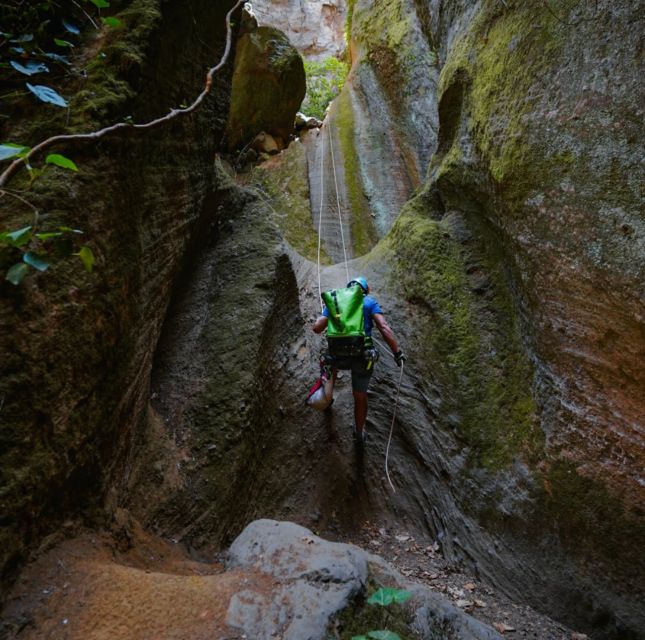
You meet your guide at Mirador de La Bermeja. From there, you’ll connect to the start area for the canyon route (the tour’s starting location is noted near Aguamansa). This matters because the canyon itself is not something you stumble upon casually from a parking lot. You need the guide to get you into the right place and onto the right track.
If you’re driving to the meeting point from the north, the recommended route is TF-21 following signs toward El Teide. The note about GPS shortcuts is real-world practical: sometimes the faster-looking directions can send you onto steep and narrow roads. Slow down and follow signage, not just your phone.
Also, plan to show up ready to move. Even before the ropes, you’re walking. This tour is built for an active day, not a sit-and-sip sightseeing rhythm.
The Safety Briefing and Forest Track: Where First-Time Nerves Get Managed
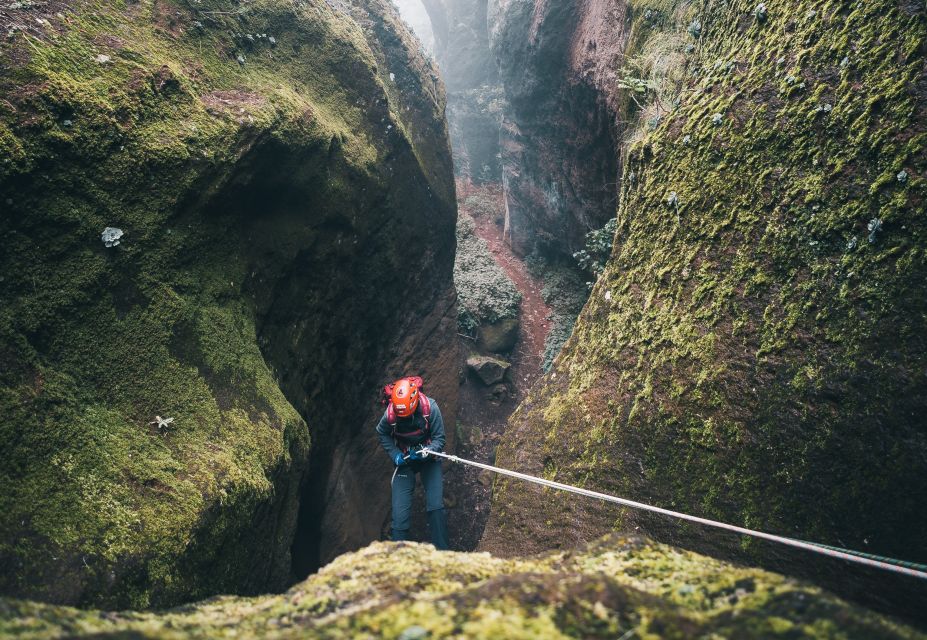
After you meet up, you get a safety briefing (around 15 minutes). The guide’s job here is more than reading rules. It’s teaching how you’ll move and what to expect on the descent. People consistently highlight Jorge’s coaching approach: he checks your setup and makes sure you understand how to behave on the rope and in the canyon route.
Then you start with a gentle slope on a forest track. Expect about 45 minutes of walking before the first rappel. This part is easy enough for most people who are reasonably fit, but it’s not a flat stroll. Your hiking shoes matter, and your daypack system matters too, because you’ll want a way to carry what you need without fuss.
This approach phase has a quiet bonus: it warms you up and gets you mentally ready. By the time you reach the first drop, you’re not just bracing for height. You’re already in motion and focused on the plan.
What could be a drawback here?
You’ll be spending time in boots or canyon-appropriate shoes on trails before any “fun” parts start. If you’re planning a fancy outfit for the day, this is not the tour for it.
The Descent Through Los Arcos: 8 Rappels, Mossy Orange Walls, and Real Rope Work
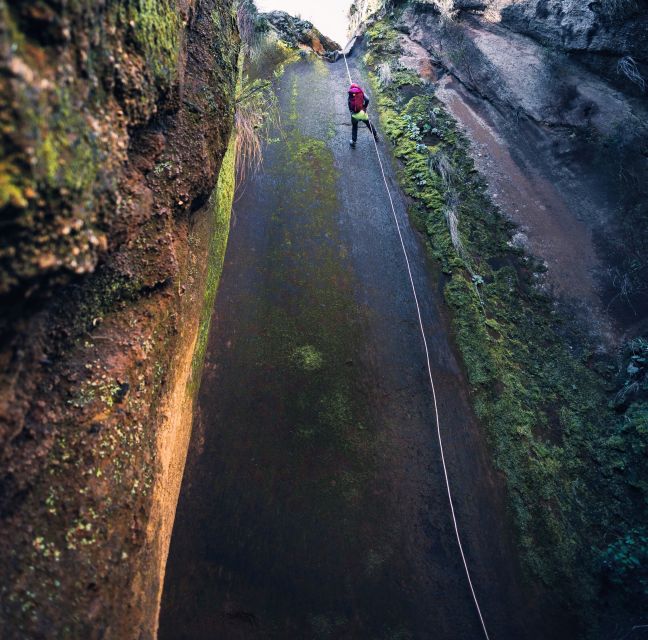
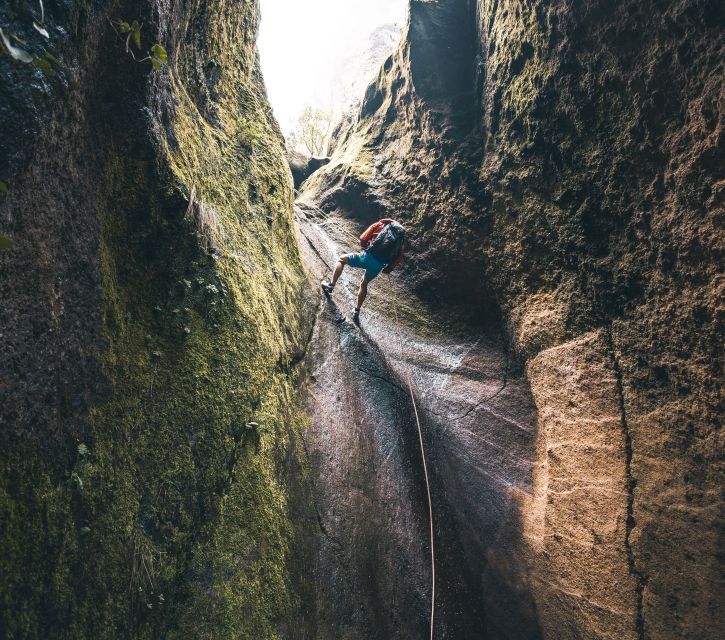
The first rappel starts at about 22 meters. From the moment you go over that edge, the tour becomes a mix of physical work and mental focus.


Why the canyon geology makes the descent better
This canyon is described as a dry canyon, but it’s still shaped by water-driven erosion over long periods. As you rappel, you can see how volcanic ash and time created the canyon’s structure. Moss makes it feel alive: it turns the orange rock from “photo orange” into layered color with shade and texture.
Light is part of the show too. Multiple accounts mention how lighting shifts across the moss-covered walls, creating different tones as you descend and move through the canyon sections.
What the rappels feel like
The tour includes 8 passages/rappels using single rope technique. That number is important. You don’t just do one dramatic drop and call it a day. Instead, you get repeated chances to practice proper positioning, rope control, and calm breathing.
Also, you’re not solo. You move as a group with your guide controlling the flow. Reviews mention that Jorge helps each person at their own pace, which usually means you’re not stuck watching others while you’re still anxious. You learn, you go, you reset, then you go again.
One small “spice” note from a past participant: they experienced a minor rain of very small rocks during the route. That’s the sort of thing that can happen in rocky canyon terrain when conditions align. Your guide’s role is to keep it within safety norms, and your role is to follow instructions and keep your head where it should be.
The guide’s instruction is the difference-maker
People repeatedly praised how Jorge (and sometimes Chorche) made even nervous first-timers feel secure. That usually comes down to three things you can expect:
- Clear explanations of what you’ll do next
- Patient checks on equipment and technique
- A calm atmosphere so you’re not performing fear in front of strangers
If you’re new to canyoning, this tour tends to work because the coaching is practical, not vague.
After the Last Drop: Chimoche Track and the Walk Back
Once you finish the rappels, you reach the Chimoche track to conclude the descent. From there, you walk back toward the starting point.
The total time back on foot is roughly 30 to 35 minutes, depending on timing and group flow. This part matters because you’ll likely be a bit tired from rope work and carrying your gear earlier. Good shoes help here more than you might expect. Also, don’t underestimate how warm gear can feel after hours in the sun and shade.
This is also where your day ends with a sense of payoff. You’ve made it through the narrow canyon sections, learned the rope rhythm, and now you’re simply moving through the terrain with a different kind of confidence than when you started.
Gear, Photos, and Safety: What You Actually Get for Your Money
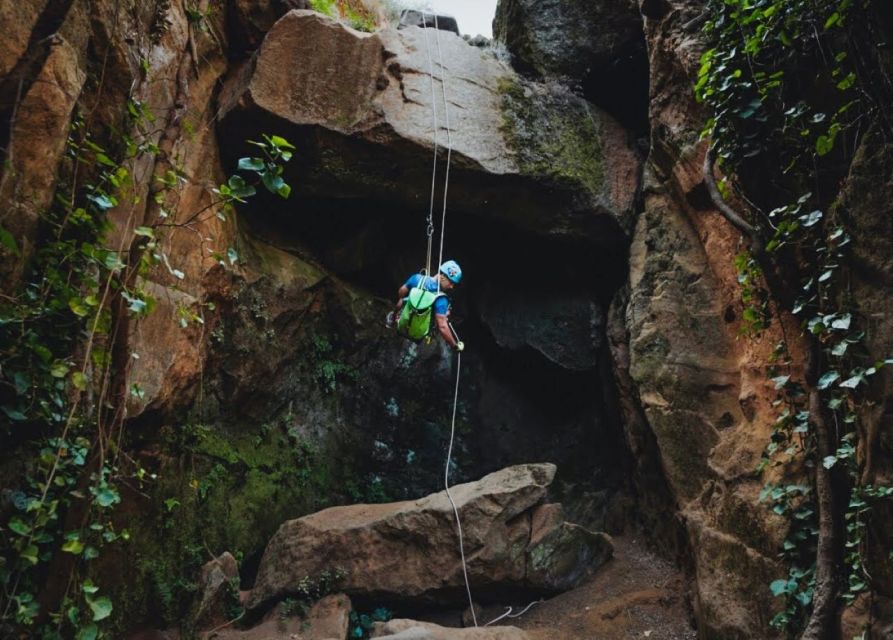
This tour includes canyoning gear, a canyoning guide, accident insurance, and photos of your experience. That’s a big value point because adventure tours often charge extra for equipment or end up with “photos” that are just a couple blurry phone shots. Here, photos are built into the package.
From reviews, the equipment is reported in excellent condition, and safety is consistently described as a priority. People also appreciated that they could double-check their setup, meaning the guide doesn’t treat safety as a black box. You can understand what’s happening, not just trust it.
The guide’s local knowledge adds a lot
Jorge’s strength isn’t only rope technique. People mention he shares facts about Los Arcos, including geological background and local flora and fauna, and in some cases he points out endemic wildlife. That turns the tour from pure adrenaline into an outdoors learning day.
There’s also a practical travel angle. One review specifically mentioned Jorge offering tips for food and drinks in the area, including a recommendation for Barraquito. Even if you don’t chase every suggestion, it’s a sign you’ll get more than instructions for the ropes.
What to Bring (and What to Avoid) for a Dry Canyon Day
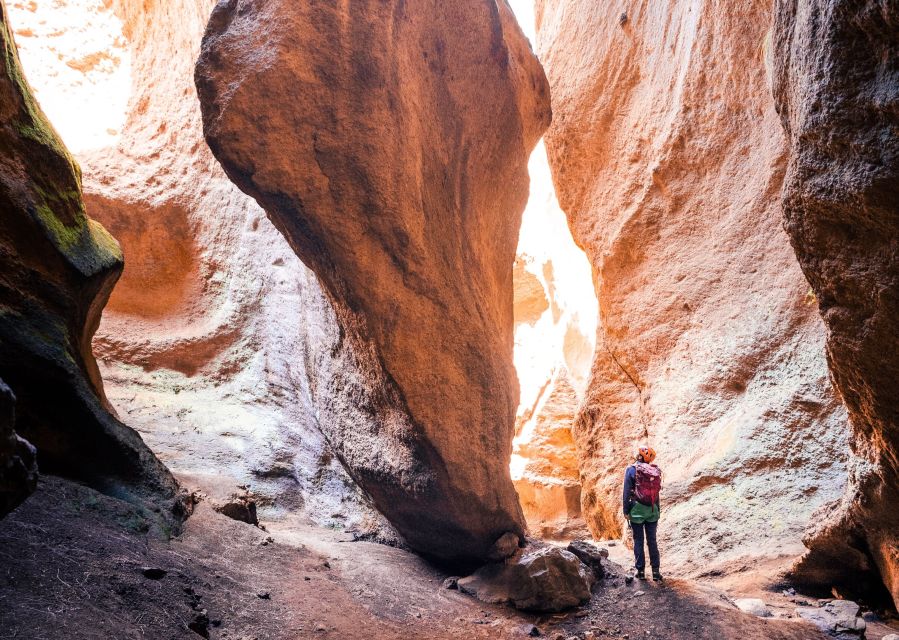
You’ll be outdoors for about 6 hours, and the route includes walking and rope time. Bring what helps you handle both sun and sudden damp conditions.
Bring:
- Warm clothing (layers, since the canyon can feel cooler)
- Food and water (food/drinks are not included)
- Hiking shoes or trail running shoes
- Rain gear
- Long pants are listed as optional, but I’d strongly consider wearing them anyway
Not allowed:
- Smoking
- Vaping
Footwear and trousers: practical advice
The tour states only hiking shoes or trail running shoes are allowed. Hiking boots can be requested for rent by contacting the provider. I’d also think about stinging plants. One review warns about stinging nettle in the area, with a tip to watch where you walk so it doesn’t irritate your arms or feet. If long trousers are optional, this is one of the few places where optional is still a good reason to wear them.
Who This Tour Fits Best (And Who Should Skip It)
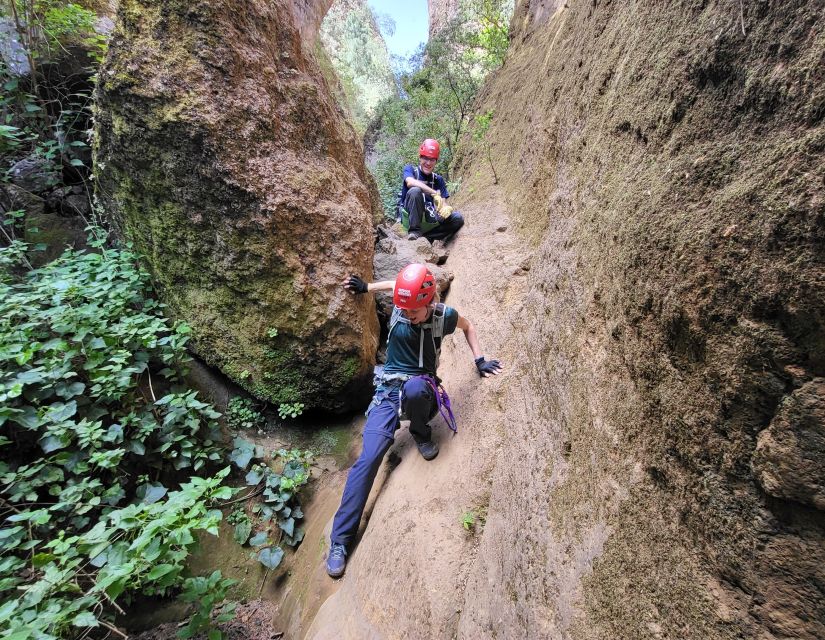
This isn’t the kind of experience where “I’ll probably be fine” is a safe plan.
It’s not suitable for:
- Children under 13
- Pregnant women
- People with back problems
- People with mobility impairments
- People with heart problems
- People afraid of heights
- People with epilepsy
- People over 65
- People over 243 lbs (110 kg)
If you meet the basic fitness and comfort requirements, the tour seems to work very well for first-timers. Reviews describe first canyoning experiences as successful, mainly because the guide teaches the basics and takes time with each person.
If you’re trying to choose between this and a standard hike, choose this only if you want active work and rope skills as part of the day. If you want scenery without the height/rope component, a trail might fit better.
Price and Value: Is $82 a Fair Deal in Tenerife?
At $82 per person for about 6 hours, the value comes from what’s included: guide, all canyoning equipment, accident insurance, and photos. You’re not paying extra for gear rental, and you’re not leaving empty-handed on the memory side.
What’s not included is also clear: food and drinks and hotel pickup/drop-off. So you’ll want to plan a small pack lunch or snacks and bring water. Also, you’ll be responsible for getting to the meeting point area. If you’re already traveling around Tenerife by car, that’s manageable. If not, factor in time and cost for local transport so you’re not rushing.
For me, the big question isn’t just whether $82 sounds cheap. It’s whether you’re paying for the real thing: safety coaching, proper equipment, and a structured canyon route. Based on the consistent praise for Jorge’s professionalism and patience, that part of the value seems strong.
Should You Book the Los Arcos Canyoning Tour?
Book it if you want an active Tenerife day with eight rappels, a guided rope setup, and canyon scenery that’s tied to Tenerife’s volcanic story. It’s also a strong choice if you’re a little nervous about heights but willing to listen and follow instructions, because the guide approach is repeatedly described as calm and supportive.
Skip it if you’re not comfortable with exposed heights, if you’re outside the health/age/weight limits, or if you want a relaxed sightseeing schedule. This is hands-on adventure, and the day has a walking component before the fun begins.
If you fall into the first group, you’ll likely leave with two things: sore legs from the walking and that rare kind of confidence you get when you learn a new skill safely, right in the rocks.
FAQ
How long is the Los Arcos canyoning tour?
The tour lasts about 6 hours.
What is the price per person?
The price listed is $82 per person.
Where do I meet the guide?
Meet your guide at Mirador de La Bermeja.
What’s included in the tour price?
Included are the canyoning guide, all canyoning equipment, photos of your experience, and accident insurance.
What should I bring for the canyoning day?
Bring warm clothing, food, hiking shoes, water, rain gear, and long pants (long pants are optional, but they’re listed). A daypack also helps.
How much rappelling do you do during the tour?
You’ll do about 8 rappels/passages. The first rappel starts at about 22 meters.
Who is the tour not suitable for?
It’s not suitable for children under 13, pregnant women, people with back problems, mobility impairments, heart problems, fear of heights, epilepsy, people over 65, or people over 243 lbs (110 kg).