REVIEW · TENERIFE
Tenerife: Guided Hike to the Peak of Mount Teide
Book on GetYourGuide →Operated by Sana Senda · Bookable on GetYourGuide
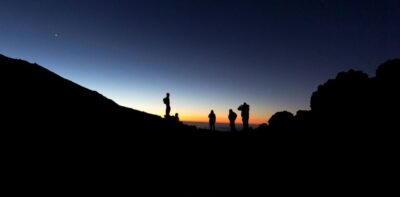
Teide at dawn feels like another planet. I really like how this hike is set up for high-altitude pacing and how guides (notably Almos, with Joshua assisting) make the night walk feel purposeful, not just strenuous.
I also love the chance to see the volcanic world up close while the guide talks through what you’re looking at, from rock shapes to the sky.
You climb about 10 km with a big positive elevation (around 1,500 m), and you end on the summit viewpoint. The experience is built around the permit to reach the peak area, plus guided trail access so you’re not guessing your way in a protected zone.
One consideration: the cable car depends on conditions. If wind tops the limit (about 35 km/h), you’ll walk down instead, turning it into a longer day.
In This Review
- Key highlights worth getting excited about
- Teide Sunrise: what you’re really hiking for
- The walk up: 10 km, big climb, and how the timing usually feels
- Night start details: headlamp, warmth, and the altitude reality
- “What am I looking at?” stopping for volcanic shapes and living traces
- Summit time: panoramic views across Tenerife and far islands
- Cable car down vs. the full 20 km day: plan for both
- Price and value: what you pay for (and what you don’t)
- What you should bring: the practical checklist for 3,700 m
- Who this hike is (and isn’t) for
- Group size and guide style: why Almos makes this feel smoother
- Weather and expectations: how wind and cold change the day
- Making the most of your 7 hours
- Should you book this Teide guided hike?
- FAQ
- Where do we meet?
- How long is the hike and how far is it?
- Is the cable car included in the price?
- What happens if the cable car is not running?
- What gear is included?
- What cancellation options do I have?
Key highlights worth getting excited about
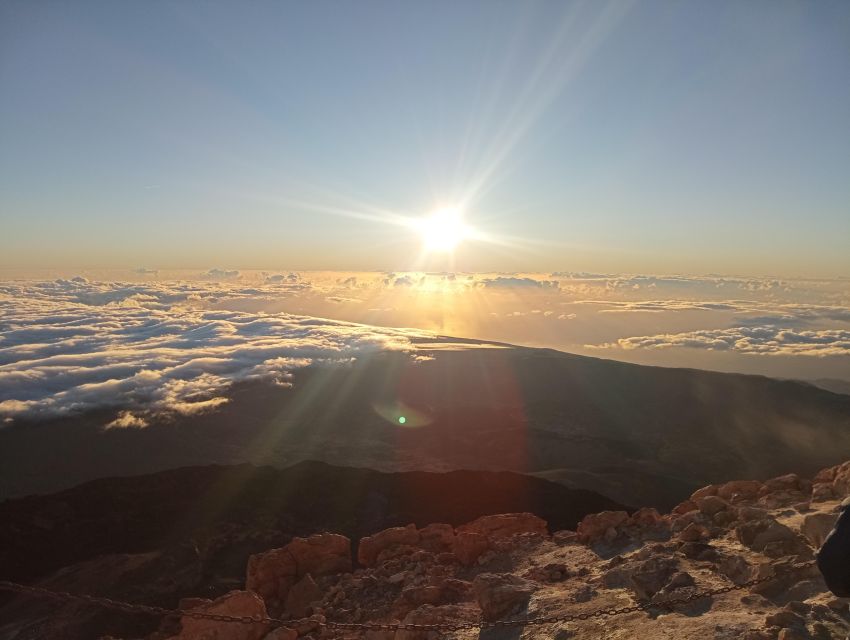
- Sunrise timing at 3,700 m: you’re climbing at night to earn that first light.
- Small group of 6: more room for questions and slower pacing when altitude hits.
- Summit access included: the permit is part of the package.
- Views that stretch across islands: you can look out toward Gran Canaria, La Gomera, El Hierro, and La Palma.
- Cable car ride when it’s safe: but wind can force the walk down.
- Gear provided for cold and effort: headlamp, walking poles, and gloves help from minute one.
Teide Sunrise: what you’re really hiking for
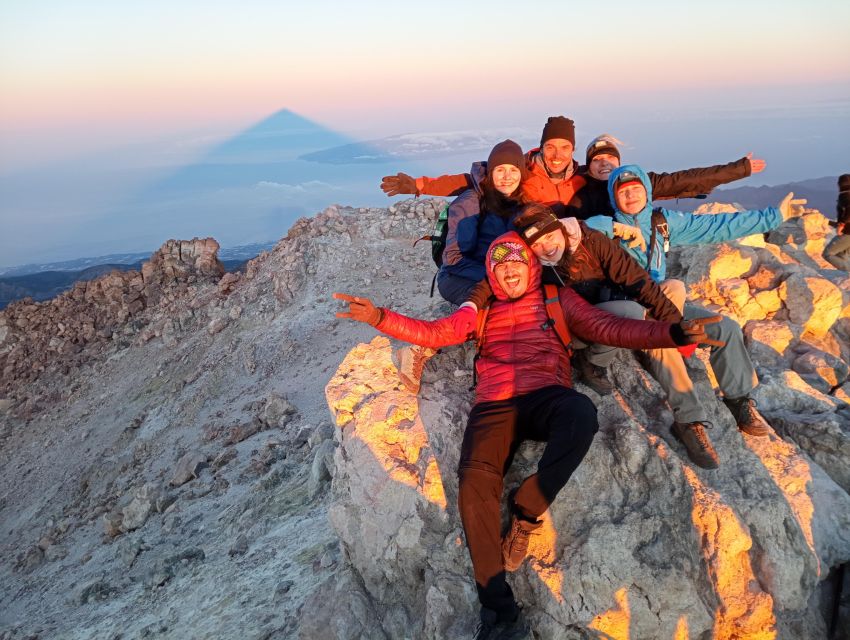
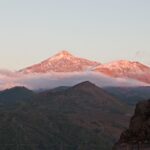
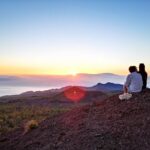
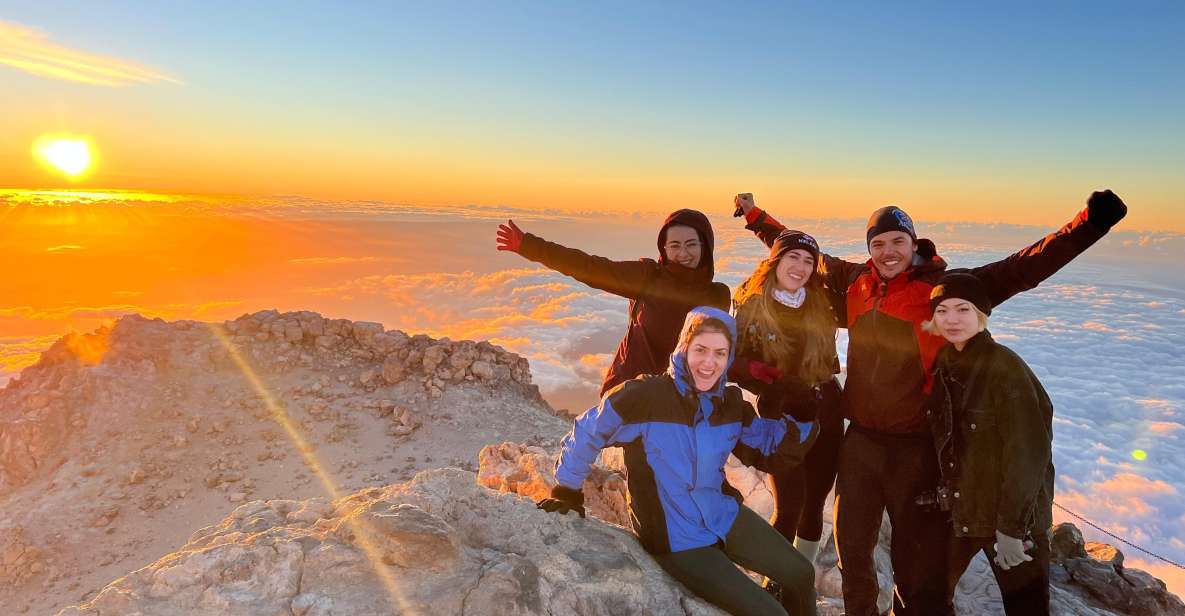
This is not a casual “pretty hike.” You’re doing a serious ascent to Spain’s highest peak, timed for sunrise. That matters because the Teide area looks different when the light changes—dark volcanic rock becomes glowing silhouettes, and the whole horizon suddenly sharpens.
I like that the tour feels like a craft, not a cattle-line trek. You get a safety briefing, you’re hiking with equipment for the cold night start, and the guide’s job is to keep the group moving steadily at altitude. That’s the difference between enjoying the summit and spending it fighting your own breathing.
The guide experience stands out here. In the stories I learned from, Almos is the kind of guide who keeps people on pace, checks in often, and shares astronomy and volcano context so the hike has meaning even when you’re tired.
You can also read our reviews of more tours and experiences in Tenerife.
The walk up: 10 km, big climb, and how the timing usually feels
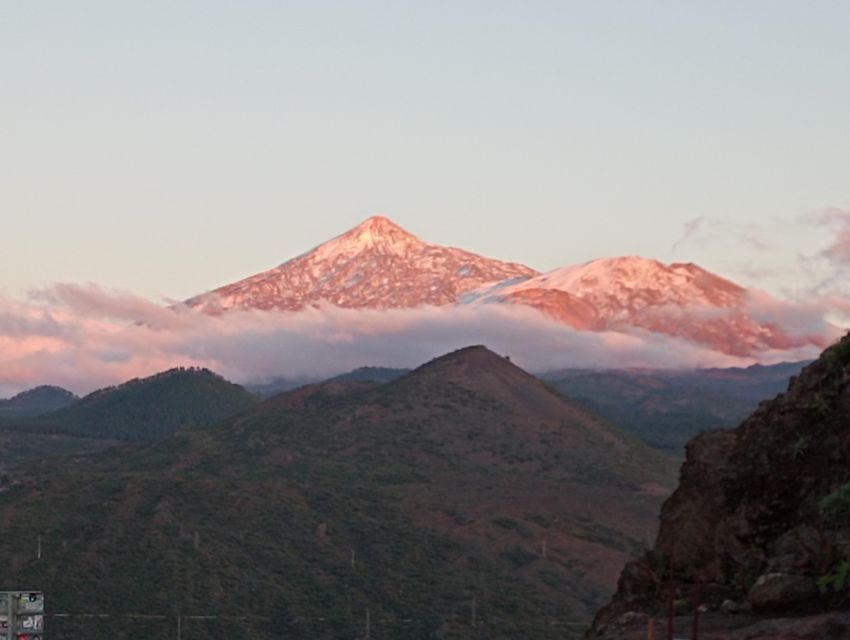
The hike to the summit is about 10 km with roughly 1,500 m of positive elevation. You’ll typically reach the summit in about 5–6 hours, but the full tour runs around 7 hours because the day includes the ascent, stops for viewing, the summit experience, and the descent plan.
Why that matters: your “time on your feet” isn’t just the uphill. You’re also standing still to look, taking photos, and dealing with altitude. At 3,700 m, even simple movements feel like effort. So plan to spend the day working a little, not just walking.
The pace is guided. You’re not left to chase the fastest person. On one trip, the guide explicitly prioritized not rushing at altitude, with enough stops to keep people from suffering too much. That kind of pacing is a big deal on Teide.
Night start details: headlamp, warmth, and the altitude reality
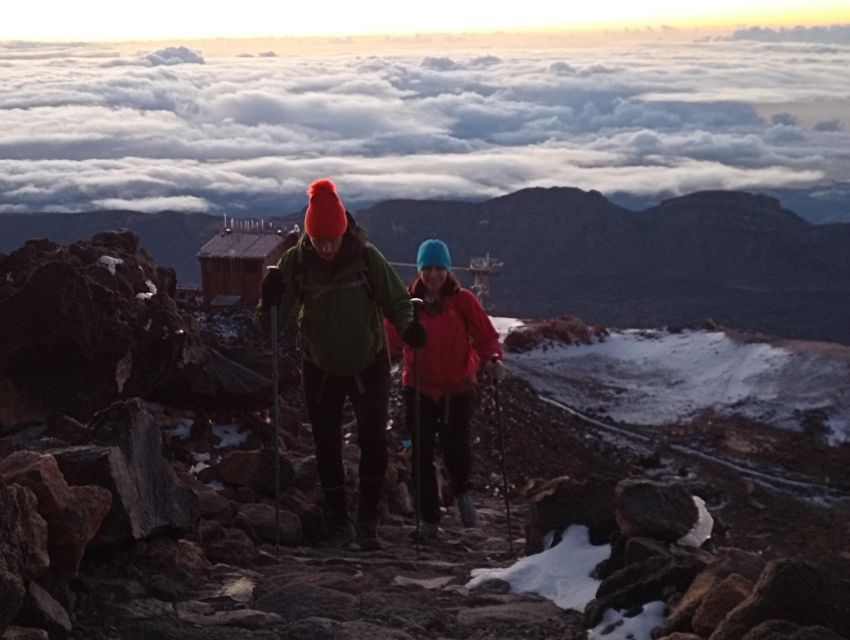
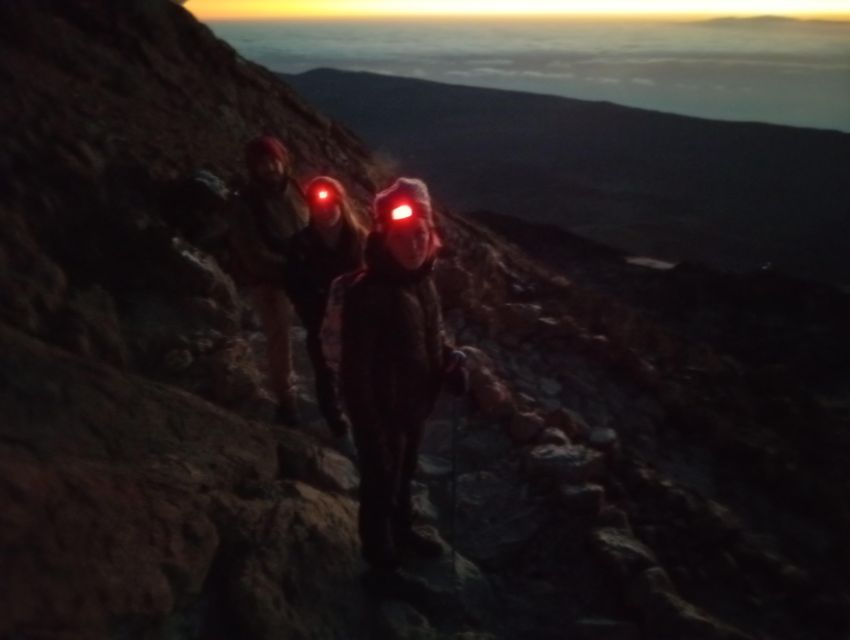
Meeting is in the car park near the Teleferico del Teide (the cable car). Expect an early, practical start—this is a summit-before-sunrise situation. You’ll check gear first, then head out with your headlamp and walking poles.
Headlamp and poles being included is one of those details that quietly improves the experience. With poles, your knees get a break on steep sections. With a headlamp, you can keep your footing and stop wasting energy fumbling for your phone flashlight.
Then comes the altitude. The summit area is at about 3,715 m. Even fit hikers can feel it. In the guidance style here, the focus is on pacing and frequent stops, which is exactly what you want when your body starts rationing oxygen.
“What am I looking at?” stopping for volcanic shapes and living traces
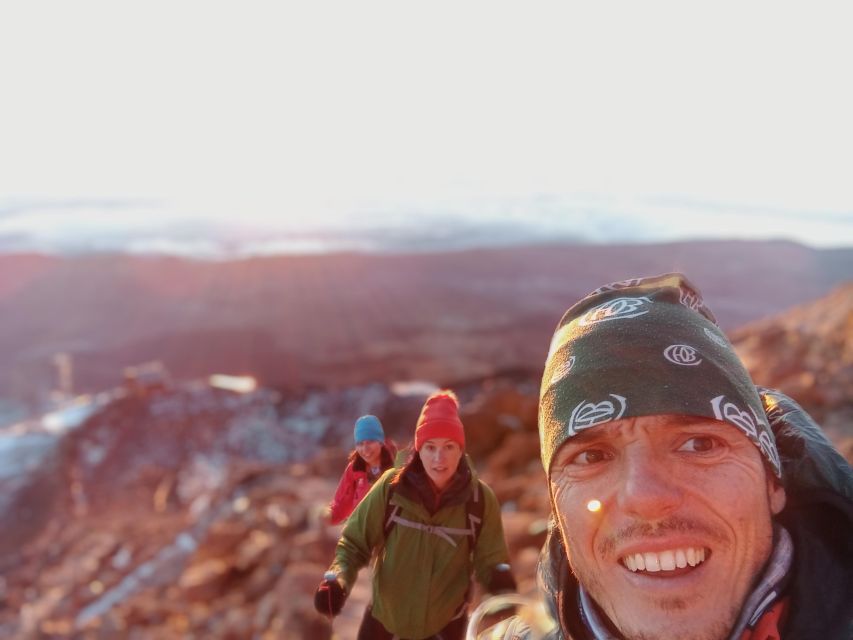
On the way up, you’ll stop a few times to observe what makes Teide special: volcanic rock shapes and authentic flora and fauna. Even if you’re not a geology nerd, these stops help you connect the scenery to the island’s volcanic story.
These pauses also serve a practical purpose. At altitude, standing still for a minute to breathe and reset your pace prevents you from overheating or blowing your rhythm early. The best stops feel like a breather, not a chore.
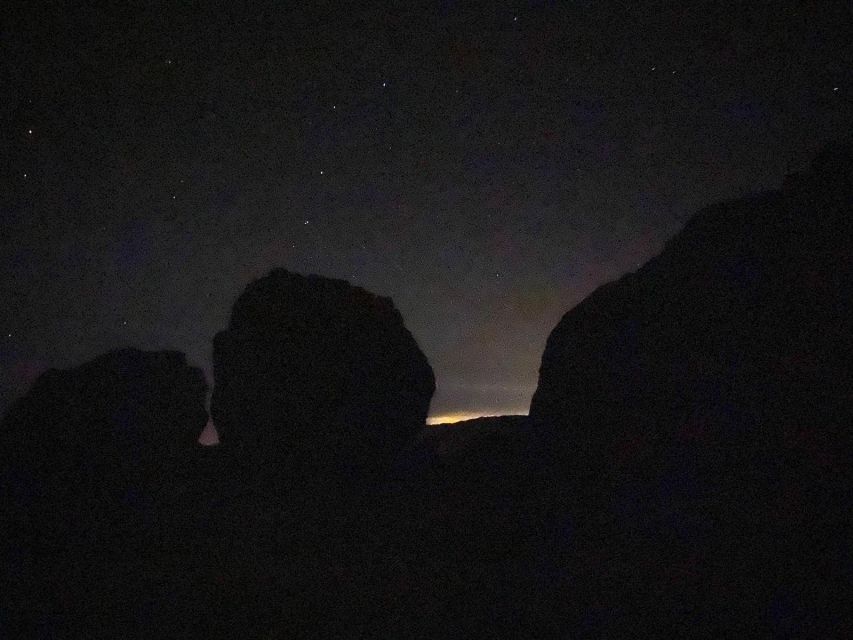
If you’re into stars, this is another layer of fun. In one account, you could walk under an intense star field for a stretch of the night, and the guide used that moment to share what was up above—not just what was behind you on the trail.
Summit time: panoramic views across Tenerife and far islands
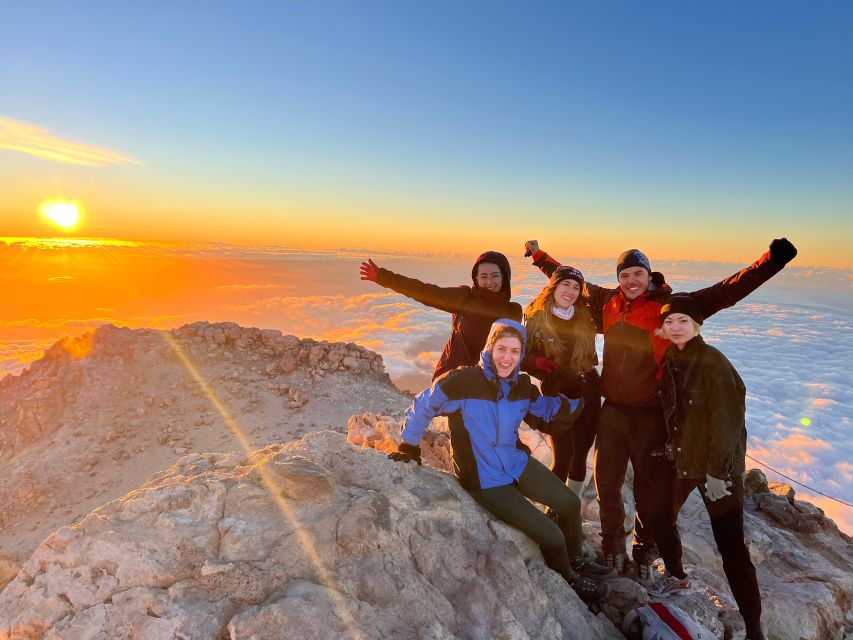
At the top, you get the panoramic view of Tenerife and the surrounding islands. The highlights specifically call out Gran Canaria, La Gomera, El Hierro, and La Palma, and that’s the payoff your camera has been begging for.
Here’s what to understand before you picture “endless summit time.” Summit windows can be limited by logistics and weather. In one experience, the group was aiming for about 45 minutes near the cable car level area. So treat the summit like a focused moment: breathe, look, take photos, and don’t waste it spiraling into fatigue.
What I like about this approach is it keeps you present. Instead of dragging out the top, you earn it, you enjoy it, then you move on with a plan.
Cable car down vs. the full 20 km day: plan for both
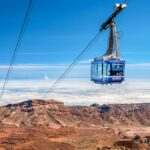
The tour includes using the cable car down if it’s running. Cable car tickets are not included—they cost 22 EUR per person—so factor that into your budget if you want the ride.
The bigger issue is wind. The cable car operates only in good weather conditions, with a wind threshold around 35 km/h. That means your descent option can change based on the day’s weather, not your effort.
If the cable car isn’t working, you’ll walk down by foot. In that case, the total hiking distance becomes about 20 km (the information lists walking down when cable car doesn’t operate). That’s not a small change. It’s a “bring patience and fuel” change.
My advice: mentally pack for the hike-down scenario even if you’re hoping for the cable car. Then you’ll feel calm if the ride is unavailable, and thrilled if it is.
Price and value: what you pay for (and what you don’t)
The price is listed at $175 per person. For that, you get a guided ascent experience with:
- a tour guide
- headlamp, walking poles, and gloves
- a permit to the peak and trails of El Teide
- insurance for the hike
Those parts add up in real life. The permit isn’t a small detail, and on Teide it’s a big part of why guided access is worth it. Gear included matters when you don’t want to buy or rent cold-weather hiking basics last minute.
What’s not included:
- Hotel pickup/drop-off
- Cable car ticket (22 EUR per person)
So the true cost is usually a little higher if the cable car runs and you choose the ride. Still, for most people, the value comes from summit access plus a guide who understands pacing at altitude.
What you should bring: the practical checklist for 3,700 m
You’ll get some key gear included, but your packing still matters. Here’s what stands out as truly useful for this kind of climb:
Clothing and comfort
- jacket and thermal clothing (temperatures can feel sharp at altitude)
- long pants and comfortable clothes
- sunscreen and sunglasses (sun is strong even when it feels cold)
- hiking shoes (plus waterproof shoes are listed as recommended)
Fuel and tech
- water: you should bring 2 to 3 liters
- food for the hike (eat enough before you go)
- charged smartphone (handy for photos and staying organized)
Navigation and safety basics
- passport or ID card (copy accepted)
- personal medication
- a jacket you can manage in layers
Avoid problems before they start
The activity also says you should not bring pets, luggage/large bags, drones, bikes, alcohol/drugs, or litter. It also notes rules like no unaccompanied minors and no baby carriages. If you’re traveling with a lot of stuff, plan to keep it simple.
Who this hike is (and isn’t) for
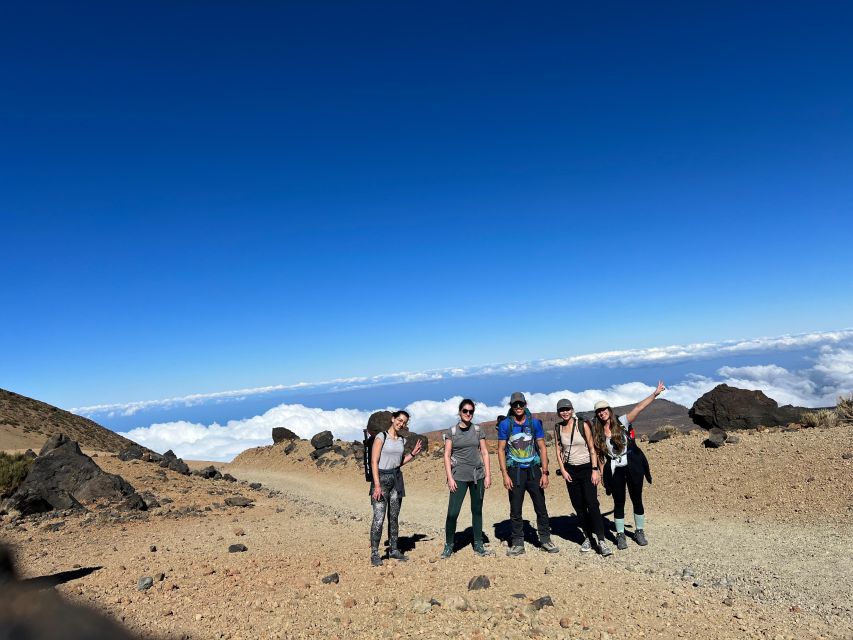
This is a demanding high-altitude hike. You need good physical condition. The information lists multiple “not suitable” categories, including pregnant women, people with back problems, mobility impairments, heart problems, respiratory issues, epilepsy, people with a cold, haemophilia, kidney problems, recent surgeries, and motion sickness.
If you’re healthy and used to longer climbs, you’ll likely be okay with the guided pacing. If you’re borderline, don’t treat this as a “test yourself” day. Altitude can surprise you even when your legs feel fine.
Also: the tour is not ideal if you want a leisurely stroll. The point is reaching the summit around sunrise with enough time to enjoy it, not lingering all day.
Group size and guide style: why Almos makes this feel smoother
This is a small group limited to 6 participants. That’s not just a number on paper. It means the guide can adjust pace, answer questions, and help individuals who start feeling the altitude early.
From the way the experiences are described, Almos is big on support at the right moments: keeping people motivated, managing breaks so they aren’t too frequent or too long, and helping with cold-weather needs. In at least one case, extra help like poles, additional layers, and torches showed up when conditions demanded it.
Joshua also appears as part of the guiding team. The overall effect is teamwork, not one person bulldozing everyone forward.
If you tend to get stressed when something is physically challenging, this guide style is a real advantage. You’re not left to guess how hard to push.
Weather and expectations: how wind and cold change the day
Teide weather can shift fast. The cable car requirement based on wind tells you the day won’t be purely in your control. That’s normal here, and it’s why the tour plan includes an alternate descent option.
Cold is another real factor. In one account, conditions at the cable car area were about 0°C. Even if your day is milder, treat this as a “bring warmth seriously” situation, not a light jacket morning.
Clear skies are the dream for sunrise views. But even on less perfect days, the walk itself has value—volcanic rock shapes and the star-filled night can still make it feel special.
Making the most of your 7 hours
The overall duration is listed at 7 hours, even though you might reach the summit in about 5–6 hours. That extra time is the difference between “we hurried to the top” and “we actually enjoyed it.”
Here’s how to use that time well:
- start prepared and don’t wait to drink until you feel thirsty
- take the stops offered on the way up
- on the summit, keep it simple: breathe, look out, then photos
- if the cable car doesn’t run, keep your energy steady for the longer descent
Also, bring your credit card as requested. That’s on the packing list, so make it easy on yourself.
Should you book this Teide guided hike?
Book it if you want a structured, high-altitude sunrise experience with summit permit access, small-group pacing, and a guide who mixes practical safety with star-and-volcano context. The value is strong when you factor in the included gear and the permit.
Skip it (or rethink) if you have any of the health conditions listed under not suitable, or if you know you struggle at elevation. Also reconsider if you hate long days on foot, since wind can make the cable car impossible and turn descent into a full extra stretch.
If you’re healthy, comfortable hiking 10 km up and possibly 20 km total, this is one of the most memorable ways to experience Tenerife. Just come prepared, and let the guide do the pacing work while you enjoy the view doing the heavy lifting.
FAQ
Where do we meet?
You meet at the car park of the Teleferico del Teide (the cable car).
How long is the hike and how far is it?
The hike is about 10 km to the summit, with a positive elevation of around 1,500 m. The tour duration is listed as 7 hours.
Is the cable car included in the price?
No. Cable car tickets cost 22 EUR per person and are not included. The cable car runs only in good weather conditions with wind under about 35 km/h.
What happens if the cable car is not running?
If the cable car isn’t operating, you walk down by foot. In that case, the total distance becomes about 20 km.
What gear is included?
The tour includes a headlamp, walking poles, and gloves, plus a permit to the peak and trails, and insurance for the hike.
What cancellation options do I have?
Free cancellation is available up to 24 hours in advance for a full refund.