REVIEW · TENERIFE
Tenerife: Costa Adeje Private Diving Lesson Experience
Book on GetYourGuide →Operated by Iki Dive Tenerife · Bookable on GetYourGuide
Clear water, calm coaching, and real fish.
In Costa Adeje, a private scuba lesson turns that first tank-of-unknown into a step-by-step skill check in the Atlantic. You’ll get time to practice breathing, learn safety moves, and then head down into those clear turquoise waters where wildlife and rock formations often show up.
Two things I really like: the training is hands-on and paced to you, and the setting is gorgeous enough that you keep looking around even while you’re learning control. One consideration: this isn’t a casual activity for everyone, since it requires an approved medical form and has limits for people with conditions like vertigo, recent surgeries, or pregnancy.
In This Review
- Key Things to Know Before You Go
- Costa Adeje’s Underwater Classroom: Why This Spot Works
- The 2.5-Hour Timeline: What Happens When
- Private Instruction That Actually Feels Personal
- Wildlife and Seascapes: What You Might See Off Tenerife
- Safety Training: Buoyancy, Breathing, and Staying in Control
- Gear, Photos, and What to Wear
- Price and Value: Is $79 a Good Deal?
- Who Should Book This Scuba Lesson (and Who Should Skip It)
- Meeting Point and Practical Logistics (So You Don’t Stress)
- Final Verdict: Should You Book This Costa Adeje Lesson?
- FAQ
- How long is the Costa Adeje private scuba lesson?
- Is this lesson private or a group activity?
- What is included in the price?
- What languages do instructors speak?
- Where do we meet for the lesson?
- What should I bring with me?
- Are there age or health restrictions?
- Can I cancel and get a refund?
- Do I need to avoid high altitude activities before the lesson?
Key Things to Know Before You Go
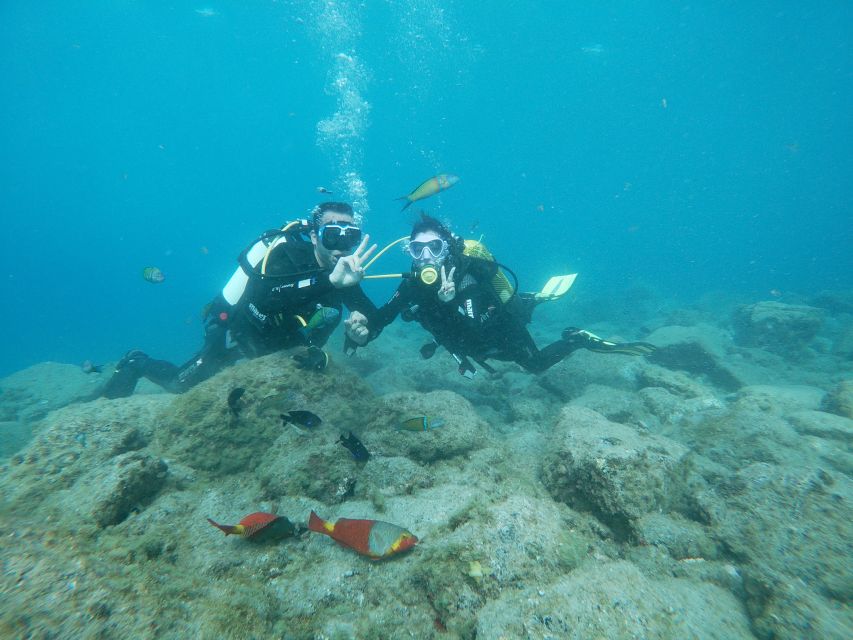
- Private instructor, small group limits: You get focused help, with a cap of 8 participants.
- Full equipment provided: You don’t have to hunt down gear before you arrive.
- One coached underwater session: You practice, then you go in for a structured experience.
- Wildlife and underwater terrain are part of the plan: Dolphins, tuna, and marlin are among the sightings you may see.
- Training emphasizes buoyancy and safety: The goal is confidence, not just getting wet.
- No food included: Plan snacks or a meal around your 2.5-hour time window.
Costa Adeje’s Underwater Classroom: Why This Spot Works
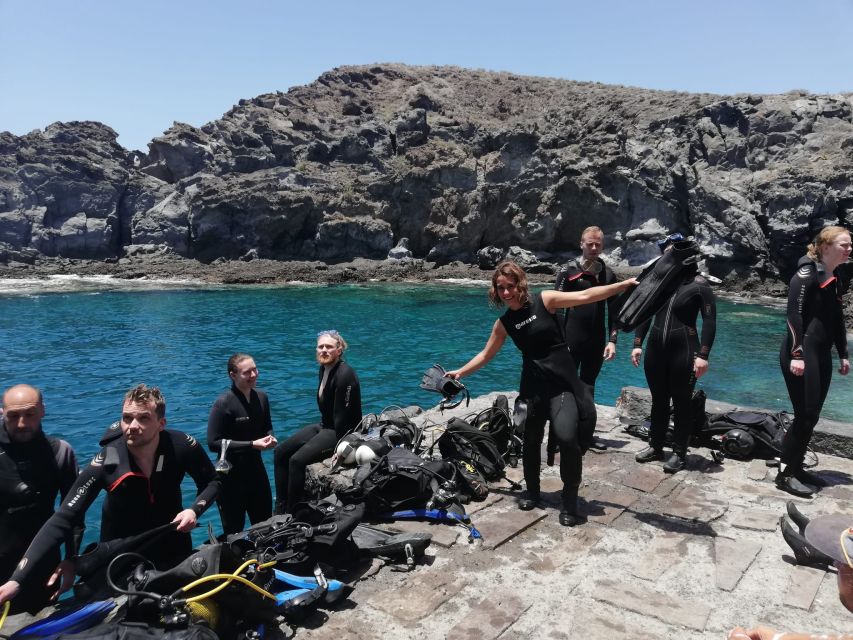
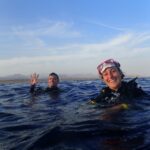
Costa Adeje sits on Tenerife’s southwest coast, where the water often looks postcard-clear and bright. That matters for a first-timer. When visibility is good, you can actually see what you’re learning—breathing rhythm, staying calm, and keeping control of your body position.
I also like that this lesson is designed around real comfort, not tough-it-out bravado. Your instructor starts you with breathing practice and safety basics on the surface, then slowly transitions you into the water. You’re not guessing. You’re following instruction, step by step.
And yes, the scenery under the surface is part of the point. You might see cliffs, valleys, and mountain-like rock shapes, which gives your brain a reason to look out instead of just checking your regulator every ten seconds.
You can also read our reviews of more tours and experiences in Tenerife.
The 2.5-Hour Timeline: What Happens When
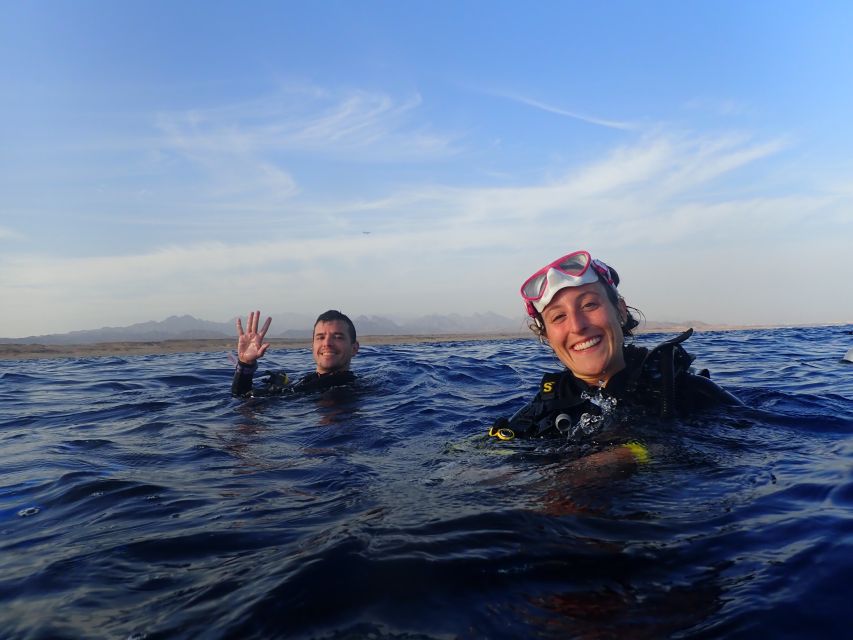
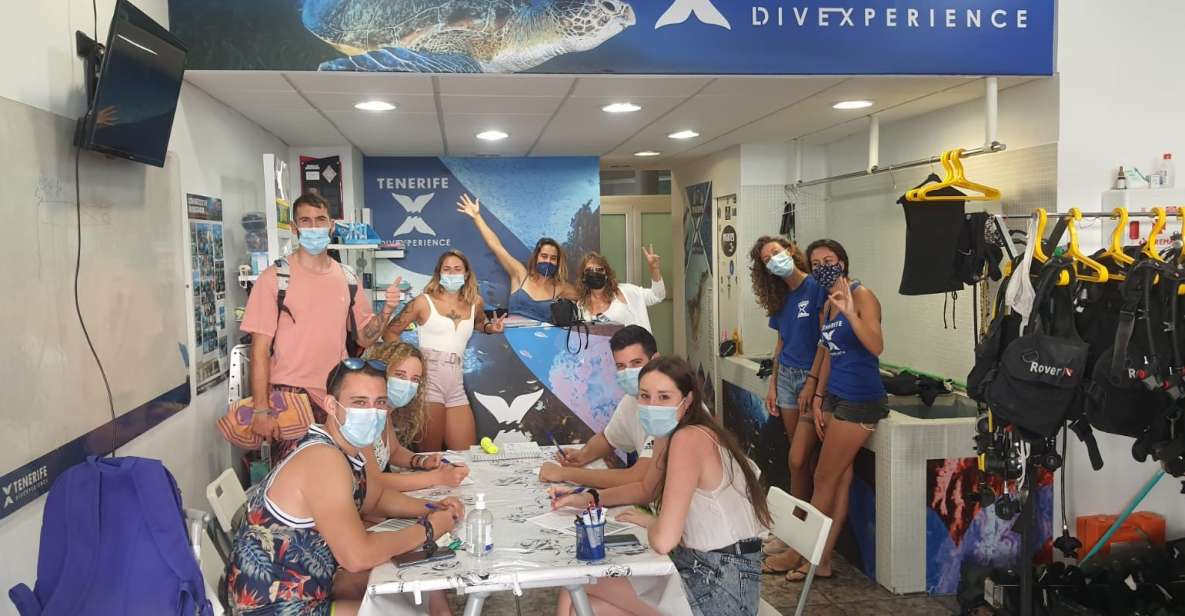
This experience runs about 2.5 hours, and you’ll start and end at the same place. You meet at the scuba center on the back side of the Commercial Center building, then you return there after your session.
Here’s how the flow usually works in plain terms:
- Meet, get kitted up, and learn gear basics.
Before you even get in the water, you’ll learn how your equipment works and how it should feel. This is a big deal because scuba gear has a learning curve, and the quicker you understand it, the calmer you feel later.
- Practice breathing and review safety.
You’ll work through breathing exercises and safety techniques with your instructor. If you’ve ever been anxious about taking that first breath under pressure, this is where you calm the body first, then learn the skills.
- Go in and practice swimming control (buoyancy).
You’ll follow your guide and watch demonstrations for managing buoyancy. The point isn’t speed. It’s staying steady, moving smoothly, and not panicking if you feel off-balance.
- Your underwater experience, wildlife spotting, then ascent.
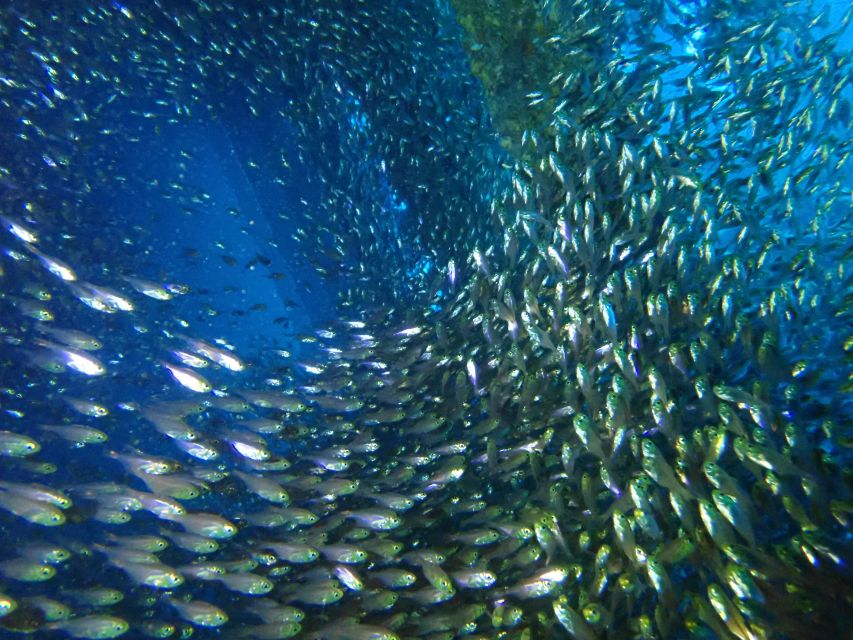
Once you’re comfortable, you’ll continue farther in the water with the instructor close by. You may spot dolphins, tuna, marlin, barracuda—and sometimes other larger wildlife like whales, depending on conditions. After the session, you’ll return to the surface and wrap up back at the center.
If you’re the kind of person who likes clear structure, you’ll appreciate that nothing about this is left to chance. It’s paced like training, not like a scenic ride.
Private Instruction That Actually Feels Personal
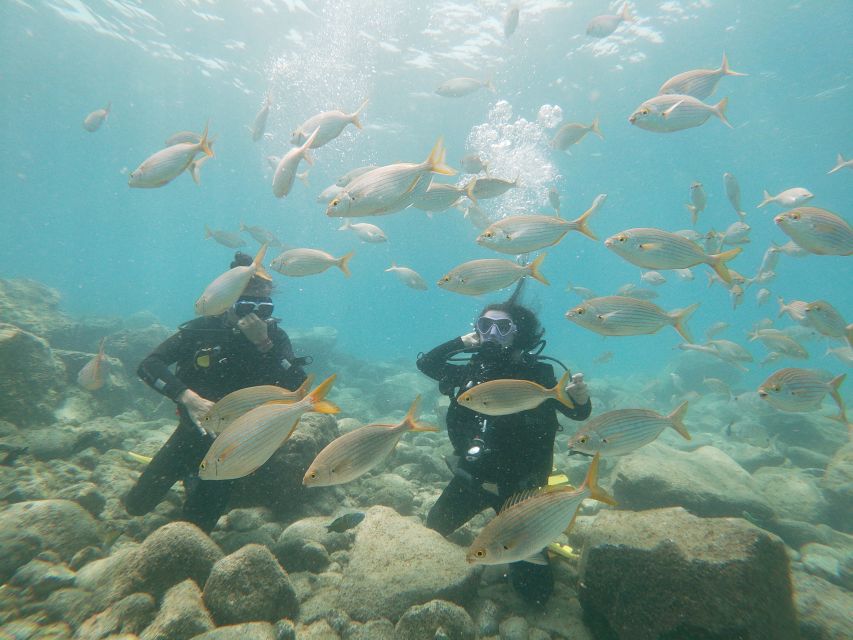
Even with a small group size capped at 8, this is built around one key thing: you get a private instructor. That changes the whole vibe.
In my view, the difference shows up in three ways:
- You get stayed beside you support.
Several instructors are described as patient and close-by during the underwater part. That matters because your biggest early challenge is emotional, not technical. If someone is right there, it’s easier to relax and focus.
- They slow down when you need it.
The lesson isn’t presented as one-size-fits-all. You’ll practice breathing and safety first, then progress only when you’re comfortable. That’s how you keep a first underwater experience from feeling like a scramble.
- They explain what you’ll do before you do it.
You’ll typically get a clear rundown of steps and what to watch for once you’re in the water. People mention instructors like Eric, Erion, Amara, Lilly, and Arturo by name in descriptions of how they teach.
So if your travel style is “learn it properly, then enjoy it,” this setup fits.
Wildlife and Seascapes: What You Might See Off Tenerife
Costa Adeje is famous for marine life, and this lesson is structured to give you time to look. You’re not just focused on skills the whole time. Your instructor also guides your attention so you know when to scan, when to pause, and when to stop kicking around so you don’t scare everything off.
What’s on the sighting list:
- Dolphins (silver dolphins are specifically mentioned)
- Tuna schools
- Marlin
- Barracuda
- Possible larger wildlife such as whales (season and conditions can affect this)
You also might see underwater landscapes like cliffs, valleys, and mountains below the surface. These features aren’t just “nice to have.” They give depth to your experience. Instead of floating in open water with nothing to orient to, you get natural shapes you can follow with your eyes.
Tip for getting the most out of wildlife spotting: slow your movements. The calmer you are, the more you’ll notice. And if you’re thinking, I’m already trying to be calm—good. Keep it that way. Your instructor wants you stable, not frantic.
Safety Training: Buoyancy, Breathing, and Staying in Control
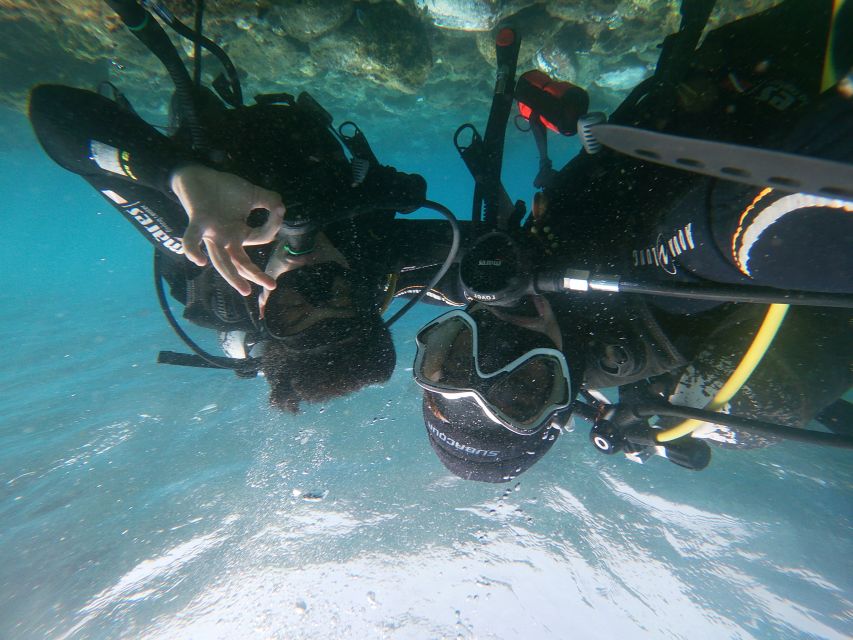
Let’s talk about the part that makes the whole lesson worth it: safety and buoyancy.
You’ll begin with breathing exercises and safety techniques. Then, once in the water, your instructor demonstrates swimming methods meant to manage buoyancy. This is where new divers often feel “weird” at first. That doesn’t mean anything is wrong—it means your body is adjusting to moving under pressure.
A good sign that this lesson is well run: the teaching focuses on confidence. You’re guided to handle your equipment, practice controlled movement, and understand safety before you go deeper.
Also, this experience isn’t aimed at people who want an adrenaline shot. It’s about doing things correctly so your brain has room to enjoy the water.



Gear, Photos, and What to Wear
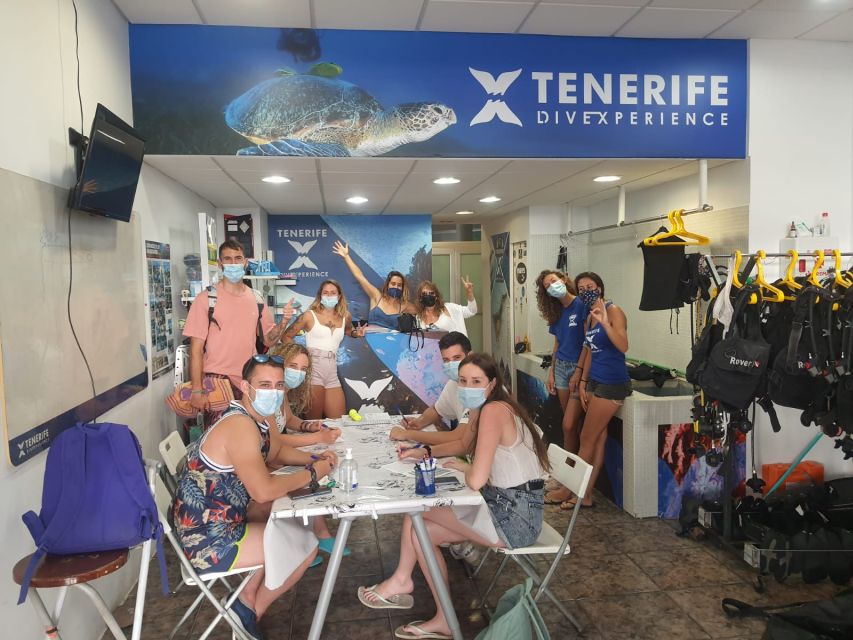
The lesson includes scuba equipment, so you’re not juggling rental logistics. Still, you should plan your land-time like a beach day plus a classroom.
What to bring:
- Change of clothes
- Towel
- Beachwear
- Biodegradable sunscreen
- Reusable water bottle
- Passport or ID card (a copy is accepted)
What to expect during the experience:
- You’ll get kitted out and spend time learning how the gear works before the water time.
- You may take photos or videos during your underwater experience.
For clothing, keep it simple. Comfortable stuff you can rinse and change out of is best. And if you’re prone to cold, consider what you’ll wear after the water, since you’ll be wet and then suddenly on land.
One more note: alcohol and drugs aren’t allowed, and nudity isn’t allowed. Basic, but worth remembering.
Price and Value: Is $79 a Good Deal?
At $79 per person, this lesson is priced like a serious first-timer option rather than a quick tour. Here’s why the value can make sense:
- You’re paying for private instruction, which usually means more direct coaching than a larger group session.
- You get scuba equipment included.
- You get one structured underwater session plus training time within a 2.5-hour schedule.
The main trade-off is what isn’t included: food and drinks. So you’ll want to eat before or after, not between segments. Plan a simple meal around the center’s timeline.
If you’re comparing costs, look at what you’re getting besides the water time. Many bargain experiences charge you more for gear, instruction time, or basic safety coaching. This one includes equipment and a local instructor, and that saves hassle while protecting the experience quality.
Who Should Book This Scuba Lesson (and Who Should Skip It)
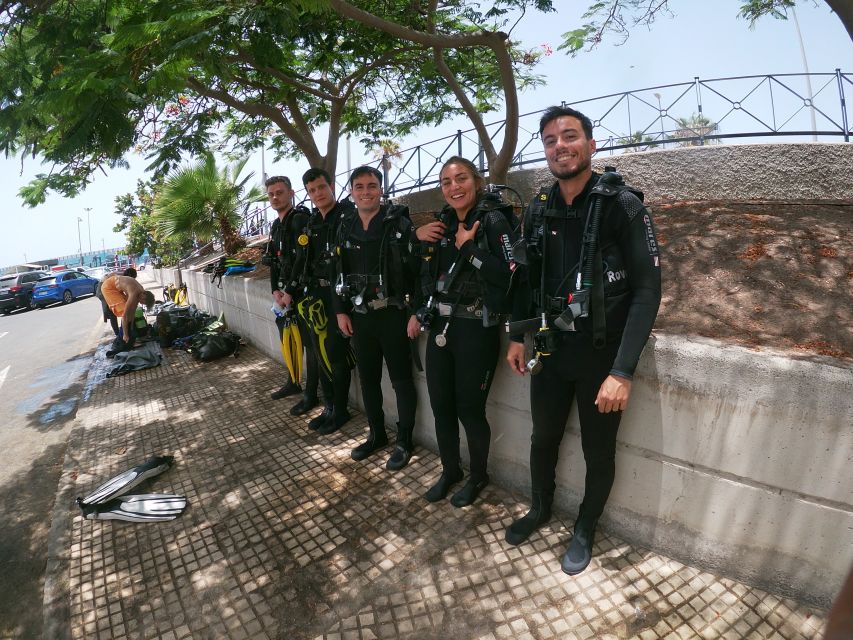
This is a great fit for:
- First-timers who want calm, close coaching
- People who like clear safety steps before anything gets exciting
- Travelers who want marine life and underwater scenery, not just a pool-style lesson
- Anyone comfortable following instructions and practicing breathing and control
It’s not suitable for:
- Children under 8
- Pregnant women
- People with vertigo
- People with recent surgeries
Also, you’ll need an approved medical form. And you may not participate 24 hours before or after high altitude events (examples given include flying or mountain climbing). That’s not about inconvenience—it’s about safety screening.
If you’re unsure whether your situation fits, treat the medical form requirement as the deciding factor. It’s there for a reason.
Meeting Point and Practical Logistics (So You Don’t Stress)
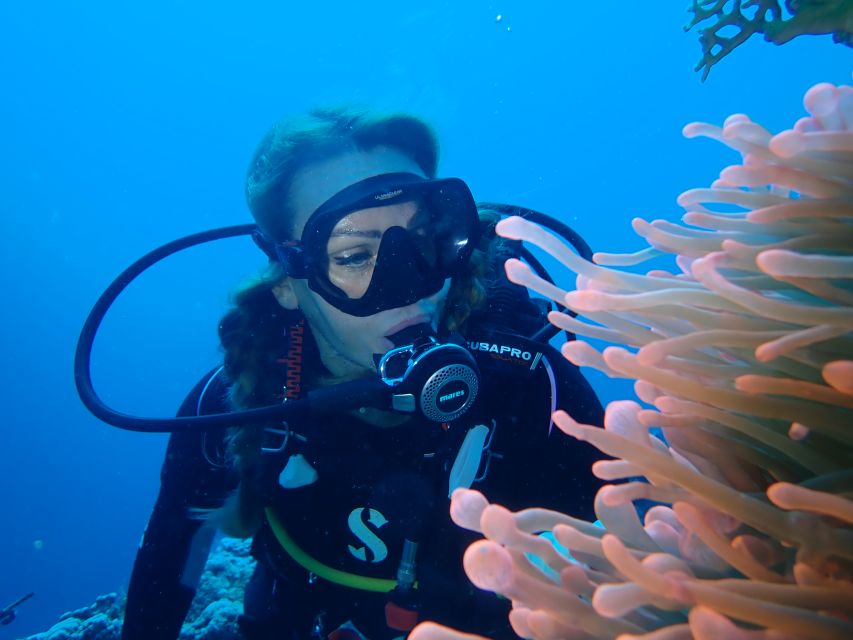
You meet at the scuba center on the back side of the Commercial Center building. The activity ends back at the meeting point, so you don’t need to plan transport across town for a pickup later.
A practical approach:
- Arrive with enough time to park and settle.
- Bring your ID and swimsuit-ready gear.
- Don’t plan a tight connection right after the lesson. You’ll want buffer for changing and rinsing.
If your schedule is flexible, this kind of short, focused experience is perfect. You get a real highlight without taking over your whole day.
Final Verdict: Should You Book This Costa Adeje Lesson?
I think you should book if you want a confident first underwater experience with patient, private coaching and you’re excited about the chance to see dolphins, tuna, and marlin in clear water.
Skip it (or choose a different activity) if you fall into the health restrictions listed here, or if you’re not prepared for the safety form and guidance that comes with scuba. Also skip it if you hate gear prep and prefer to go sightseeing only—this lesson is training-first, and the beauty comes through that training.
If you want Tenerife in one memorable hit—learning real skills and then looking at marine life—you’ll likely feel very happy you chose this.
FAQ
How long is the Costa Adeje private scuba lesson?
The experience lasts about 2.5 hours.
Is this lesson private or a group activity?
It includes a private instructor, and the group is limited to 8 participants.
What is included in the price?
The experience includes the private instructor, diving equipment, and 1 underwater session. Food and drinks are not included.
What languages do instructors speak?
Instructors are available in English, Spanish, French, and Italian.
Where do we meet for the lesson?
Meet at the dive/scuba center located on the back side of the Commercial Center building.
What should I bring with me?
Bring change of clothes, a towel, biodegradable sunscreen, beachwear, a reusable water bottle, and your passport or ID card (a copy is accepted).
Are there age or health restrictions?
Yes. It is not suitable for children under 8, pregnant women, people with vertigo, or people with recent surgeries. An approved medical form is required.
Can I cancel and get a refund?
Free cancellation is available up to 24 hours in advance for a full refund.
Do I need to avoid high altitude activities before the lesson?
You may not participate 24 hours before or after experiencing high altitude, such as flying or mountain climbing.