REVIEW · TENERIFE
Teide: Guided Sunset & Stargazing Tour by Night with Dinner
Book on GetYourGuide →Operated by Teide by Night · Bookable on GetYourGuide
Teide at night feels like cheating—until you look through the telescope. I like the pairing of Teide sunset color with real stargazing through telescopes, guided step-by-step so you’re not just standing around. The big catch is the cold: once you’re above the clouds, temperatures drop fast and the schedule moves on.
This is also a very organized outing, with a timed run from pickup to national park photo stops, then sunset, then dinner at the park, and finally a focused 1-hour astronomy session. I especially value the human touch from guides like Isabelle and Elena, who use humor and clear explanations so the night sky feels usable, not mysterious.
One possible drawback: dinner can be hit or miss depending on what’s on the day’s menu. Add in limited time for long-exposure star photos at the end, and you’ll want to be strategic if photography is your main goal.
In This Review
- Key Teide by Night takeaways (the stuff that matters)
- Why Teide’s sunset works so well
- The drive up: clouds, curves, and staying comfortable
- Traditional village stop: coffee and a breather before the park
- Teide National Park photo time and sightseeing stops
- The 45-minute sunset moment: what you’ll actually do
- Dinner at the park: where the tour scores points
- Stargazing with lasers and telescopes: how the guide makes it work
- What to bring (and what to wear) so the night doesn’t beat you
- How the 9-hour schedule feels in real life
- Who should book this Teide sunset and stargazing tour
- Price and value: what $105 buys you
- Should you book Teide by Night?
- FAQ
- How long is the Teide guided sunset and stargazing tour?
- How does pickup work, and where are the meeting points?
- Is there pickup from Puerto de la Cruz?
- What happens after dinner?
- Is dinner included, and what is it like?
- Are drinks included during the sunset?
- Which languages are offered on the tour?
- What should I bring for the night portion?
- Are pets allowed?
- Is this tour suitable for people with mobility impairments?
Key Teide by Night takeaways (the stuff that matters)
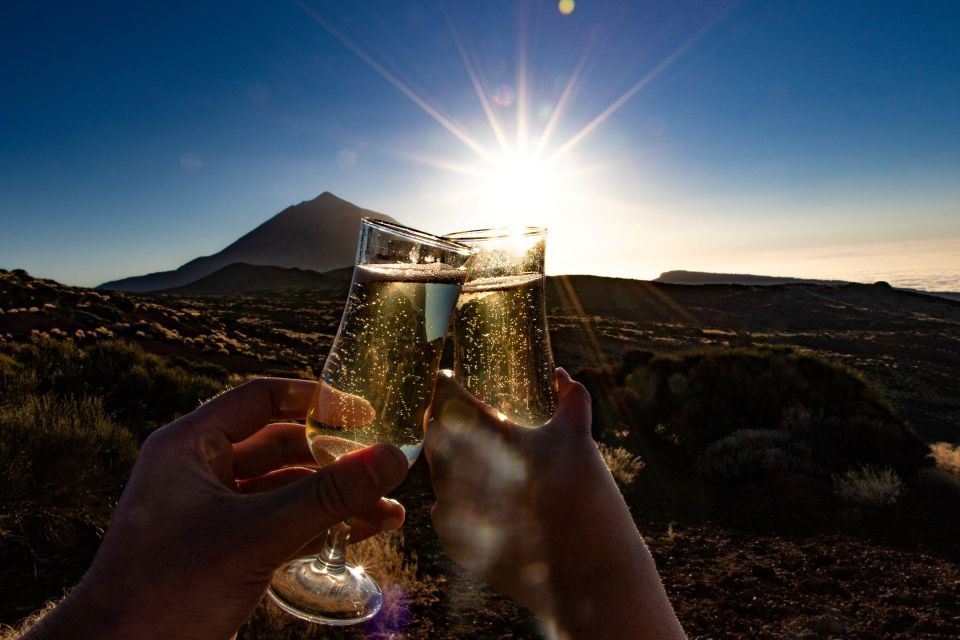
- Sunset above the cloud layer: you can watch the sky shift in big, dramatic steps.
- Laser pointers + telescopes: astronomy is taught in a way you can actually follow.
- Dinner included, at a restaurant inside the national park: warm food before you freeze.
- Guides vary, but the best ones like Isabelle and Elena set the tone with humor and clear mapping.
- Timing is tight: you’ll get photo chances, but don’t expect endless star-pose time.
Why Teide’s sunset works so well
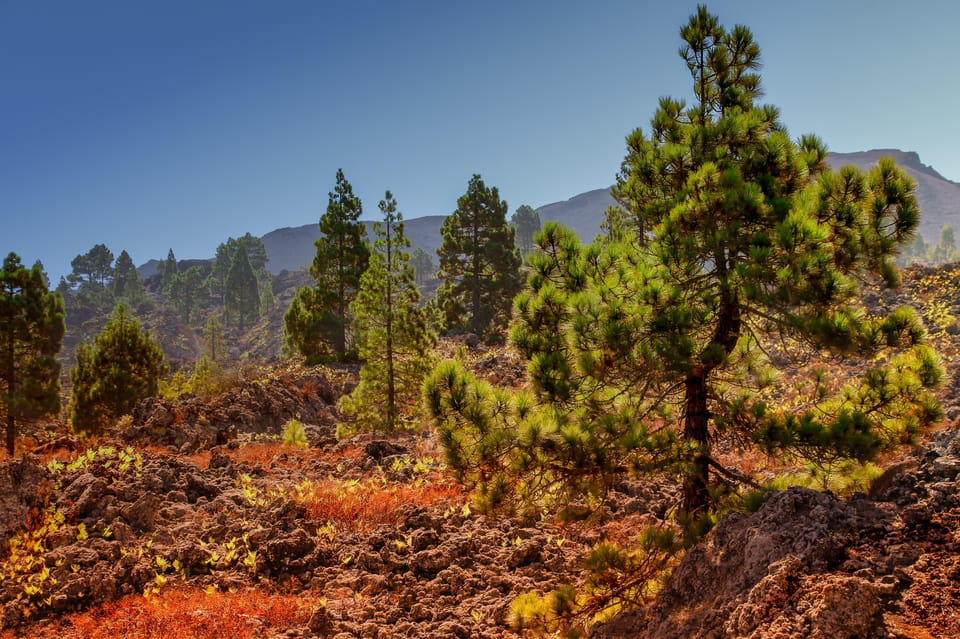
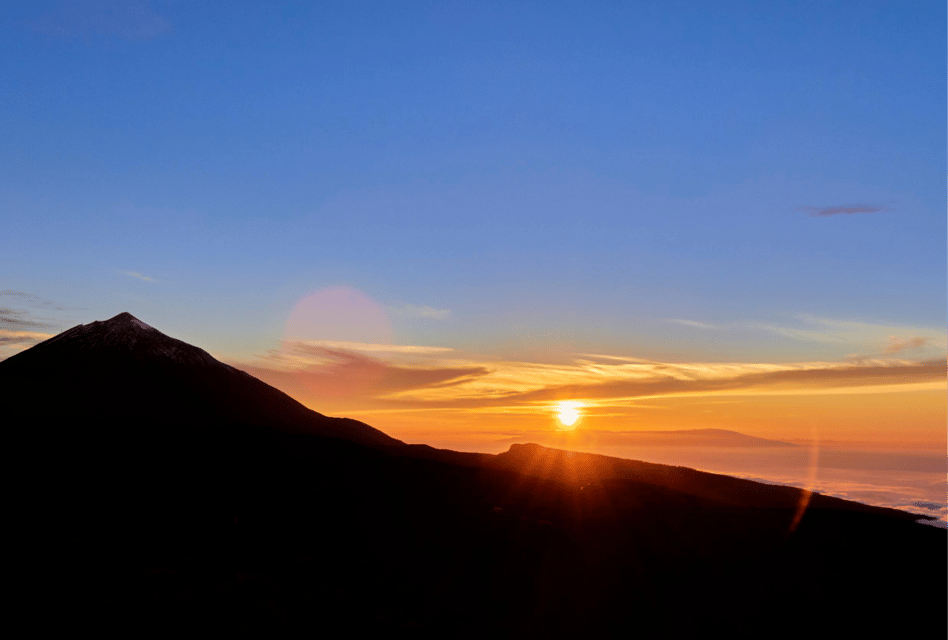
Teide National Park is famous for a reason: altitude and atmosphere. You’re not just “watching a sunset.” You’re watching the sun drop while you’re surrounded by volcanic terrain and open air, with the Atlantic Ocean showing up in the distance. The result is that classic Tenerife moment where the sky turns pink, then deeper reds and purples, while the rest of the island sits under you.
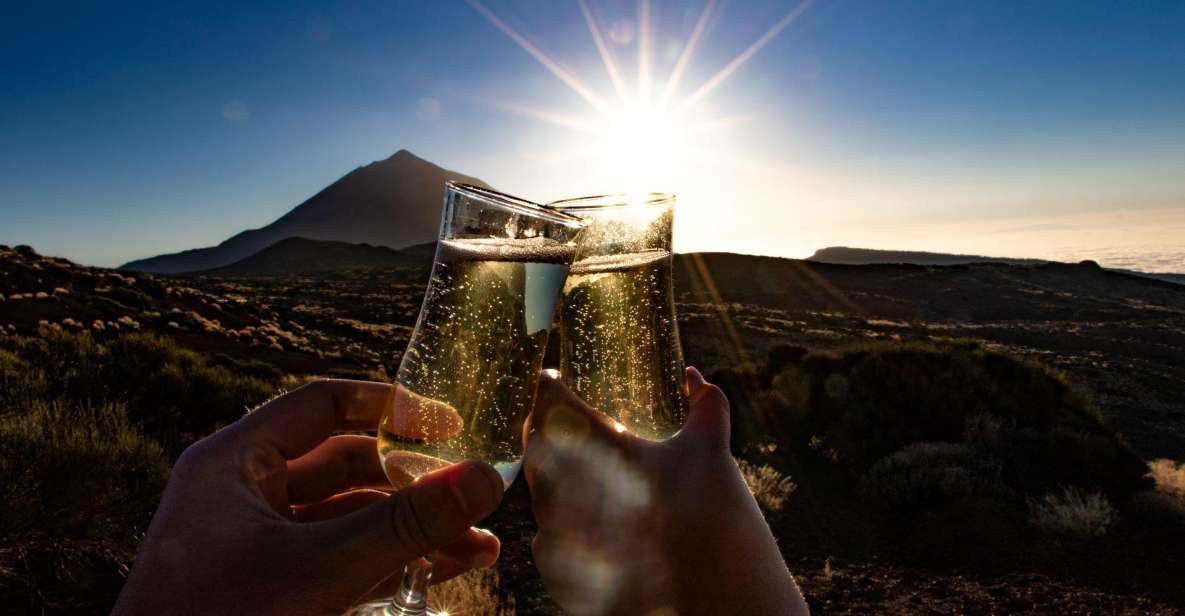
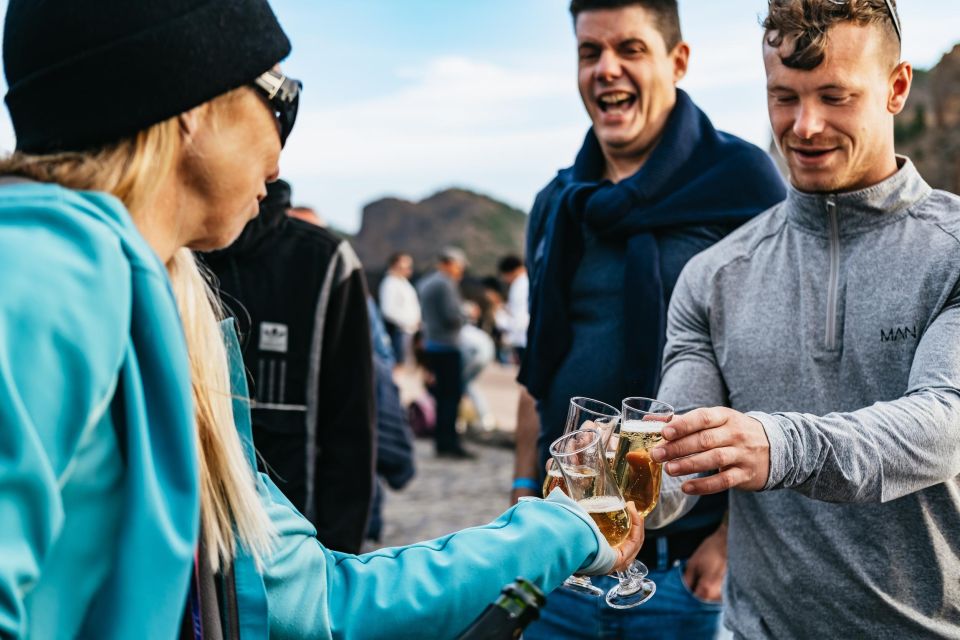
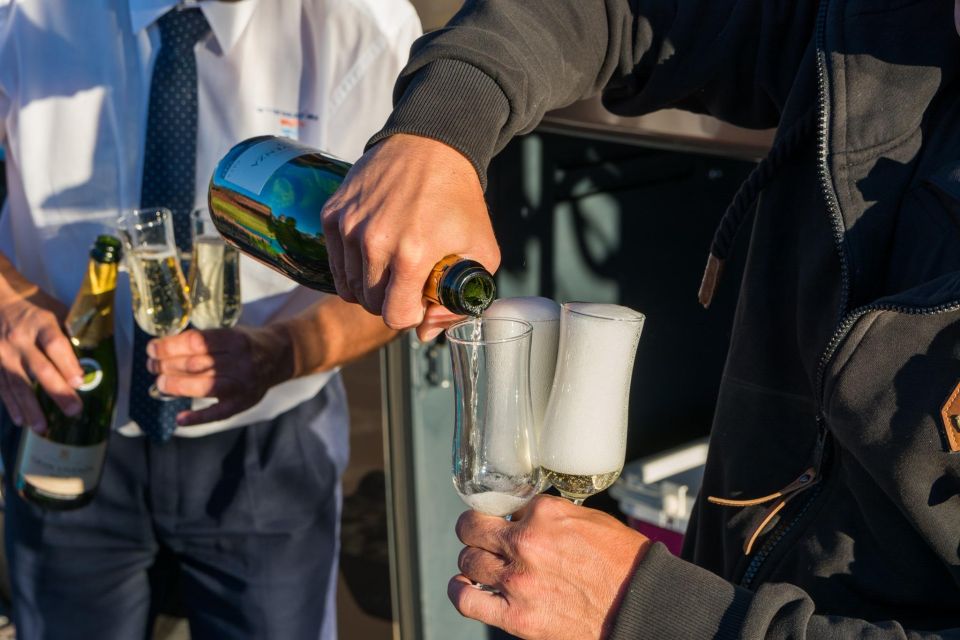
Also, the tour setup is smart. You get time in the park before sunset, so you can take photos when the light is still cooperative. Then you get a dedicated sunset window, with non-alcoholic drinks provided. That’s a small detail, but it matters: you’ll actually enjoy the view instead of fumbling for a snack while the sky changes.
You can also read our reviews of more tours and experiences in Tenerife.
The drive up: clouds, curves, and staying comfortable
The day starts with hotel pickup from a bunch of locations, mostly in the south between Los Cristianos and Los Gigantes, or in the north around Puerto de la Cruz (with specific days there). Then it’s a coach ride up toward Teide.
Two things stand out about the travel portion. First, the route rises quickly, so you feel the weather shift. Reviews include comments about people breaking through cloud cover and seeing the ocean and islands far below. Second, the roads are curvy and steep. Drivers like Domingo, Osvaldo, and Ignacias are repeatedly praised for safety and handling the turns.
Practical tip: if you’re prone to motion sickness, bring what you normally use. One review specifically calls out that the bends can be intense. It’s not a thrill ride, but you’ll want your stomach on your side.
Traditional village stop: coffee and a breather before the park
Before you reach Teide National Park, there’s a stop in a traditional village for a break. You’ll get coffee and local snacks, plus a chance to stretch and use the restroom. It’s not the main attraction, but it prevents a common problem on all-day excursions: arriving at the big sights tired and grumpy.
Also, this is your buffer time. The rest of the itinerary has fewer slack moments, especially once you’re in the park for photo stops and sunset. A 30-minute break can be the difference between taking great photos and rushing your shots.
Teide National Park photo time and sightseeing stops
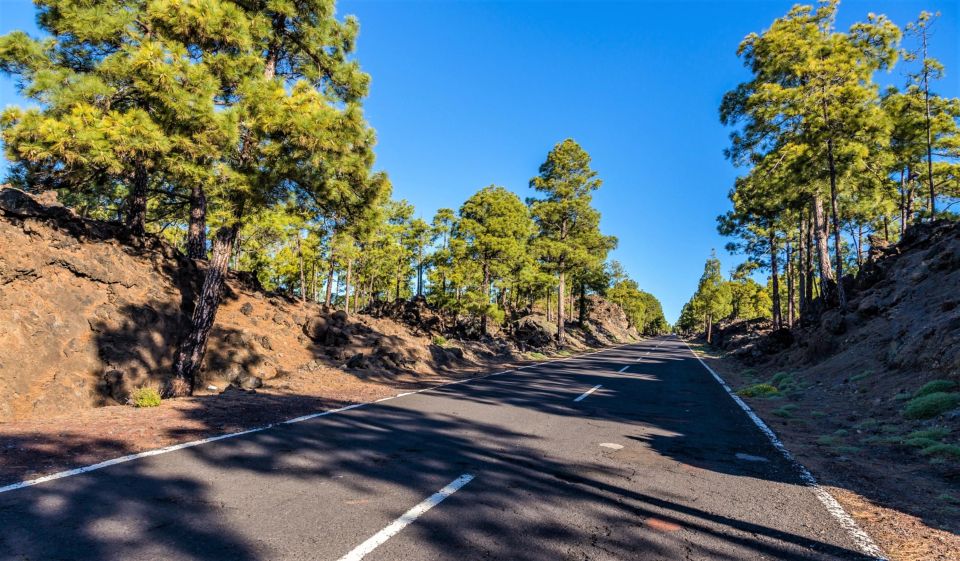
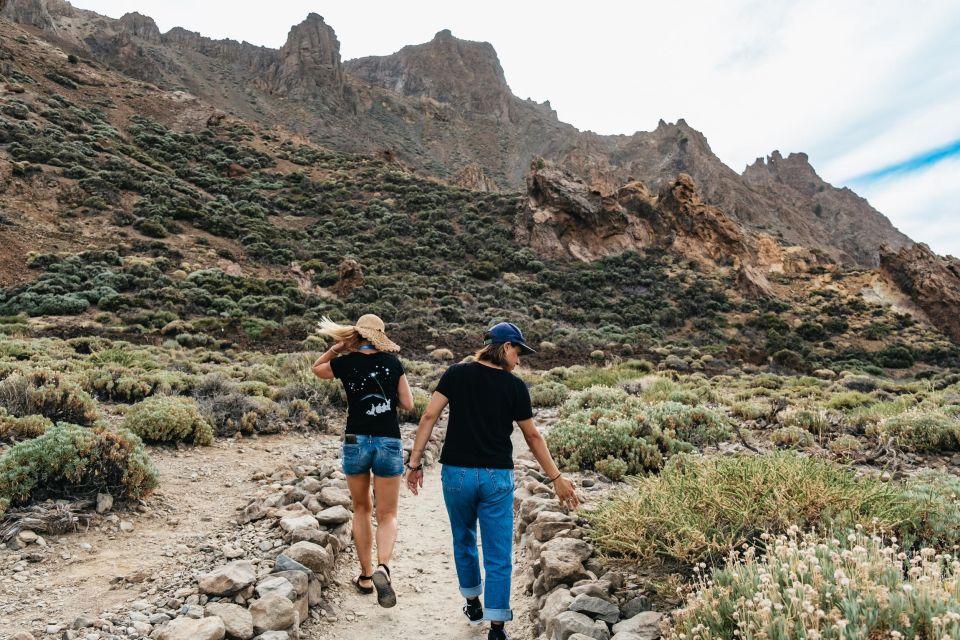
Once you’re in the national park zone, you get about two hours that mix photo stops, free time, and sightseeing viewpoints. The tour also includes scenic views on the way up, so you’re not waiting in one place until it’s “time to do stuff.”
What I like about this part is the pacing. You’re not locked into one viewpoint. You can walk a bit, shoot pictures from different angles, and watch the light change as you move. That matters because Teide is one of those places where every 10 minutes can look different: volcanic rock textures, cloud shadows, and the distant Atlantic all shift with the angle of the sun.
Real-world consideration: photo time exists, but it’s still a tour schedule. If you want very specific star photography (long exposures, perfect framing), plan to use the daytime and sunset windows for your “serious” setup.
The 45-minute sunset moment: what you’ll actually do
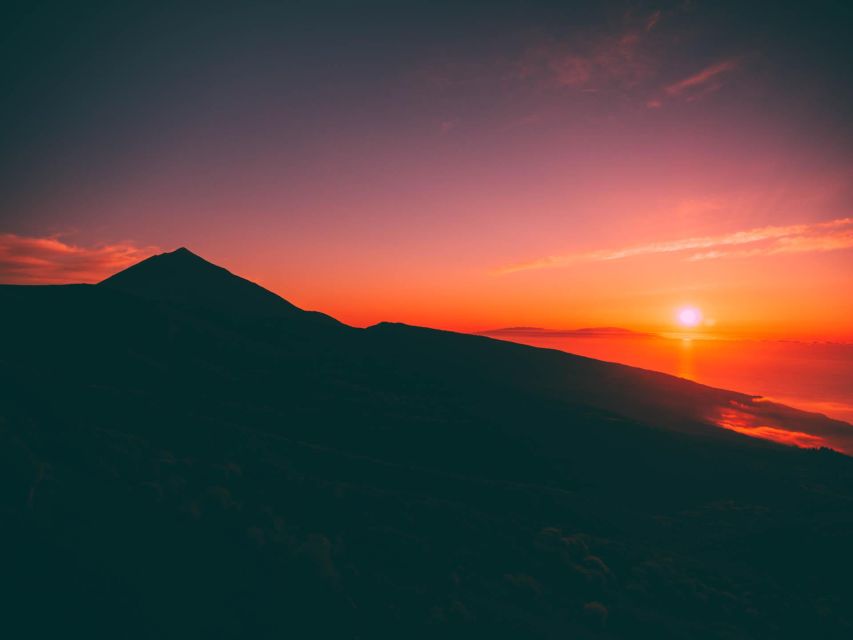
Sunset is given its own block, about 45 minutes, and it’s timed after you’ve had time to settle into the park viewpoints. Non-alcoholic drinks are included here, so you can focus on the sky.
Expect the view to be more than pretty. You’ll get that stacked feeling of Tenerife geography: you’re high above sea level, often with clouds below, and you can see the ocean and surrounding islands. The effect is big-scale. It’s also why people keep describing it as unforgettable.
One more small thing: you’ll be standing and waiting. That’s fine if you dress for it. Warm clothing matters even if you arrived in the morning with sun on your face.
Dinner at the park: where the tour scores points
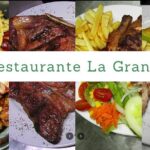
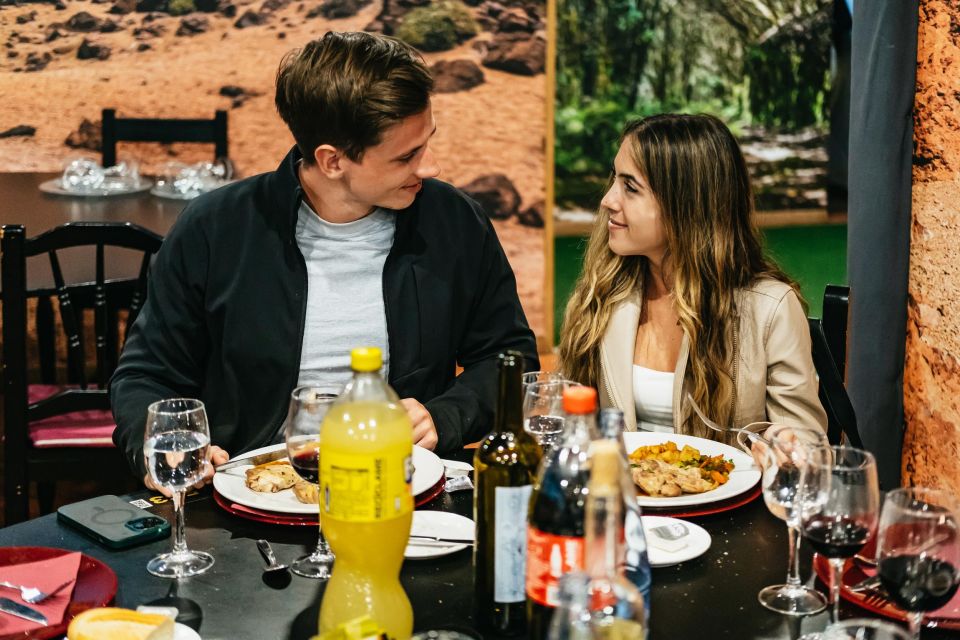
After the first big sunset portion, the schedule shifts to dinner. You’ll head to a restaurant at C. Portillo, 31 for about 1.5 hours, and dinner is a 3-course meal with drinks.
This is more valuable than it sounds. If stargazing is your goal, a meal keeps you functional in the cold. You don’t want your body running on adrenaline and poor timing while you’re trying to learn constellations and look through telescopes.
That said, dinner quality has some variance. Many people describe it as good or delicious, but a few mention parts of the meal were disappointing. The safest expectation is: you’ll be fed, it’s convenient, and it’s warm enough to reset you before the night-sky session. Vegetarian options are noted as available on request in at least one account, so if you have dietary needs, make sure you confirm ahead.
Stargazing with lasers and telescopes: how the guide makes it work
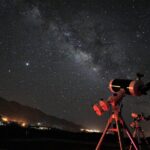
This is the core event: after dinner, you return to Teide National Park for a guided astronomy session of about 1 hour. You’ll use laser pointers for mapping and then peer through telescopes to see deep-sky targets.
The way it’s taught is usually what wins people over. Guides like Oscar and Pepe, Nico, Dominique, Daniel, and Jesper are praised for making the night sky understandable. You don’t just hear facts—you learn where to look and how to identify constellations.
What you might see through the telescopes depends on conditions, but based on reported highlights:
- Planets like Jupiter and Saturn
- The Moon up close
- Constellation landmarks such as the Beehive (Praesepe region)
- Features in Orion’s Belt area, including a nebula
Another strong point: your guide often uses humor and quick teaching moments, which keeps the group engaged even when you’re standing still in the cold.
Moon brightness tip: if you can choose your dates, pick nights when the moon is not very bright. One reviewer specifically recommends new-moon nights for best results. If you can’t, don’t panic—just know that light from a bright moon can wash out some faint details.
What to bring (and what to wear) so the night doesn’t beat you
Teide nights are colder than many people expect, especially once you’re above the 2,000-meter zone. Reviews repeatedly stress layers. Warm clothing is explicitly recommended, and comfortable shoes help because you’ll move between photo spots.
I also suggest you bring:
- Layers you can add or remove quickly
- A warm hat or something that covers your ears
- Gloves if you run cold
- Water if you tend to get dry, even though drinks are included at sunset
Good news: several accounts mention blankets and hot drinks during the stargazing portion when it gets windy and chilly. Don’t rely on that as your only warmth, but it’s a comfort backup.
How the 9-hour schedule feels in real life
This tour is long enough to be tiring, but not long enough to become a blur. You’re looking at a full day: pickup, coach rides, village break, park time, sunset, dinner, then the astronomy session, and finally drop-off.
The time blocks that shape the experience:
- Two hours in the park before sunset gives you breathing room for photos and viewpoints.
- 45 minutes at sunset is focused and fast-changing.
- 1.5 hours for dinner keeps you warm and resets you.
- 1 hour of guided stargazing is the main learning window, so arrive ready to pay attention.
One caution: there isn’t a long, free-form “hang out and take pictures forever” moment at the end. A review notes the telescope/stargazing section ends and then you move down the mountain. If your goal is Milky Way shots with long exposures, do your serious camera work earlier with guidance and positioning during the tour.
Also, this tour is not suitable for people with mobility impairments, based on the provided information. If that’s you, plan something different.
Who should book this Teide sunset and stargazing tour
This fits best if you want:
- A structured night-sky experience with a guide
- A sunset view that’s more than a quick roadside stop
- Dinner included without having to plan your own meal on a cold evening
- Telescope access as part of the program, not something you have to arrange separately
It’s also a good “first day or last day” kind of excursion. If you’re only in Tenerife for a short window, the schedule packs several major moments into one trip.
If you’re the kind of traveler who hates waiting around, you’ll likely appreciate the timed stops and the guide’s live commentary during both day and night.
Price and value: what $105 buys you
At $105 per person, the price is reasonable when you look at what’s included: transport by coach, an astronomer guide, telescope time, lasers and guided constellation mapping, photo stops at Teide, a sunset drink option, and a full 3-course dinner with drinks at a restaurant inside the national park.
Most “stargazing” add-ons you see elsewhere charge extra just for the guide or equipment. Here, it’s bundled. You’re also paying for the practical stuff: you don’t have to drive the mountain roads, find parking, or guess where visibility will be best.
Is it perfect value? Only if you show up dressed for cold and you plan to learn, not just watch. If your heart is set on purely unguided astrophotography for hours, this schedule may feel a bit constrained.
Should you book Teide by Night?
Yes, if you want a high-impact Teide night that blends sunset drama with guided astronomy. The strongest reason to book is the combination: you get a real sunset viewing experience with time in the park, then a guided stargazing session where you learn how to find things and actually look through telescopes.
Skip it or reconsider if:
- You can’t handle cold and wind well (dress smart, but it’s still winter-at-altitude territory)
- You need long, unstructured time for photography
- You have mobility limitations (the tour isn’t suitable)
If you book, do two simple things: pack warm layers and choose a date when the moon isn’t blasting the sky. The rest is handled for you—by guide, driver, and the sky doing its part.
FAQ
How long is the Teide guided sunset and stargazing tour?
The tour lasts about 9 hours.
How does pickup work, and where are the meeting points?
Pickup is available from multiple locations across Tenerife. Options include areas between Los Cristianos and Los Gigantes (south) and Puerto de la Cruz (north). Your exact pickup time and location are confirmed by email after booking.
Is there pickup from Puerto de la Cruz?
Yes, but only on Wednesdays, Fridays, and Sundays.
What happens after dinner?
After dinner, you return to Teide National Park for a guided stargazing session using lasers and telescopes, with live commentary.
Is dinner included, and what is it like?
Yes. The tour includes a 3-course dinner with drinks at a restaurant inside the national park.
Are drinks included during the sunset?
Yes. You get a sunset experience with non-alcoholic drinks.
Which languages are offered on the tour?
The tour guide is available in German, English, French, or Dutch. There is exclusively one language per coach.
What should I bring for the night portion?
Wear comfortable shoes and bring warm clothing. It can be especially cold at night and at higher altitude.
Are pets allowed?
No, pets are not allowed.
Is this tour suitable for people with mobility impairments?
No, it is not suitable for people with mobility impairments.