REVIEW · TENERIFE
Teide National Park: Stargazing Experience
Book on GetYourGuide →Operated by Discover Experience · Bookable on GetYourGuide
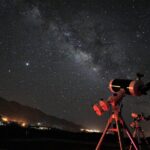
The night sky at Teide is the real deal. This 80-minute tour pairs dark-sky orientation with telescope time, so you’re not just looking—you’re learning where everything sits.
I especially like how the guide walks you through the sky in layers: first naked-eye constellations and key points (like Polaris), then sharper views through high-grade telescopes. You’ll also get an astrophoto angle, turning what you see into images you can keep. One thing to plan for: it gets cold fast out there, and you’ll want proper warm layers.
You meet at a parking area near Minas de San José and then head into the park’s darker spots. I like that the evening has structure, not chaos—so even if you’re brand-new to astronomy, you can still follow along without feeling lost. The main consideration is simply practical: no hotel pickup, so you’ll need to get yourself to the meeting point and dress for chilly night temperatures.
In This Review
- Key highlights you’ll feel on this Teide stargazing night
- Why Teide National Park makes stargazing feel bigger (in a good way)
- The 80-minute flow: from Polaris to planets through telescopes
- Getting your bearings: Polaris, the ecliptic, and zodiac spotting that sticks
- Telescope time: what you can expect to see and why the astrophoto angle matters
- Meeting the sky halfway: who this tour suits best
- Warm clothing is not optional here: what to wear for Teide nights
- Price and value: is $41 worth 80 minutes of stargazing?
- Where you’ll meet near Minas de San José (so you don’t waste time)
- Timing, moon light, and why the start time can shift
- Who should skip this Teide stargazing tour?
- Should you book Teide National Park stargazing?
- FAQ
- How long is the Teide National Park stargazing tour?
- Where is the meeting point?
- Is hotel pickup included?
- What’s included in the tour price?
- What should I bring for the night?
- What languages is the tour offered in?
- Are pets allowed?
- Is the tour suitable for children?
- Does the moon affect the experience?
- Is the tour refundable?
Key highlights you’ll feel on this Teide stargazing night
- Start with naked-eye sky maps, so you understand what you’re seeing before the telescope
- Polaris and the celestial north pole, explained in a way you can actually use
- Zodiac and the ecliptic line, plus constellations tied to Greek mythology
- High-grade telescopes, with classic targets like planets and standout deep-sky objects
- Astrophoto telescope images, with selected views sent after the tour
Why Teide National Park makes stargazing feel bigger (in a good way)
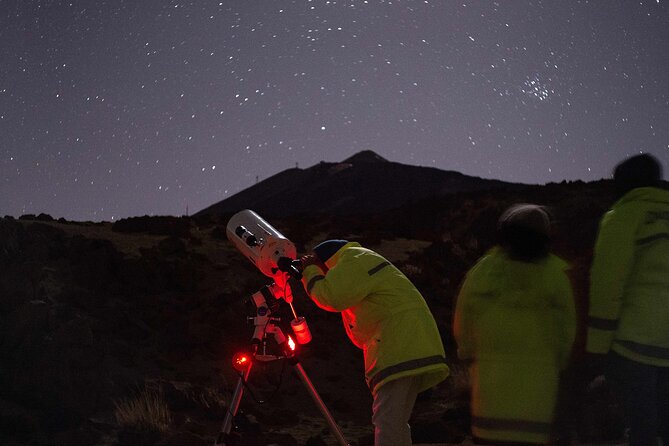
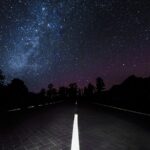
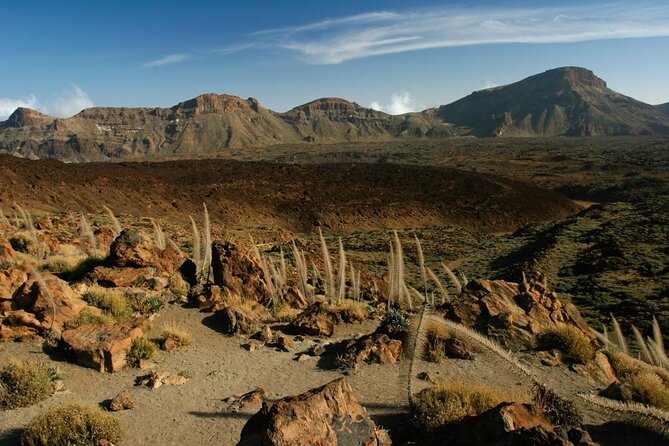
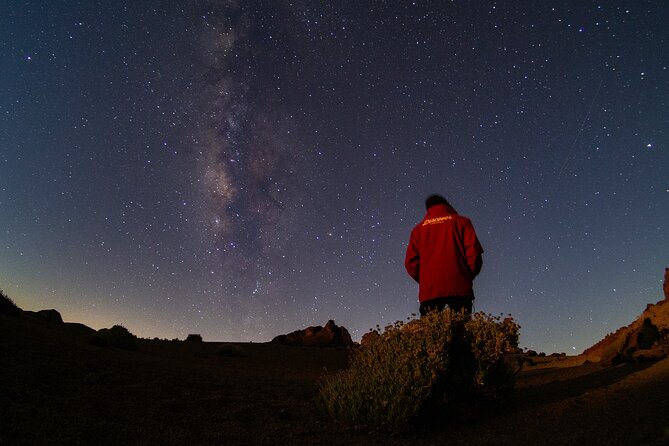
Teide National Park is one of those places where the sky looks different, not just brighter. You get that clean feeling—less glare, more darkness—so stars show up with real presence instead of feeling washed out.
What I like about doing stargazing here is that it supports both styles of wonder. If you’re the type who loves the science side, you’ll get the guided “how to read the sky” method. If you’re more into myth and meaning, the sky’s shapes still matter—because the tour connects constellations to Greek stories as you learn where they sit.
And Tenerife’s night sky can be surprisingly intense. People come expecting a few stars and leave talking about the Milky Way, planets, and the sheer number of points of light. The park’s darkness does the heavy lifting.
You can also read our reviews of more tours and experiences in Tenerife.

The 80-minute flow: from Polaris to planets through telescopes
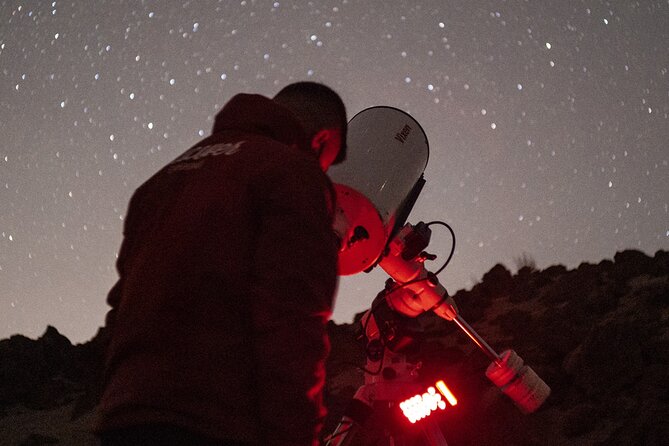
This tour runs for about 80 minutes, starting after sunset. The pacing is part of the value: you begin with orientation, then level up to telescopes once you know where “forward” is in the sky.
Here’s the rhythm you should expect:
- First, naked-eye viewing and guidance. The guide helps you recognize major stars, then points out Polaris so you can locate the celestial north pole.
- Next, you learn the sky’s reference lines. You’ll follow the ecliptic and the zodiac line, which is a practical way to understand why planets appear in those regions of the sky.
- Then, the stories come in. Constellations tied to Greek mythology are used to help you remember star patterns and positions. It’s fun, but also useful for retention.
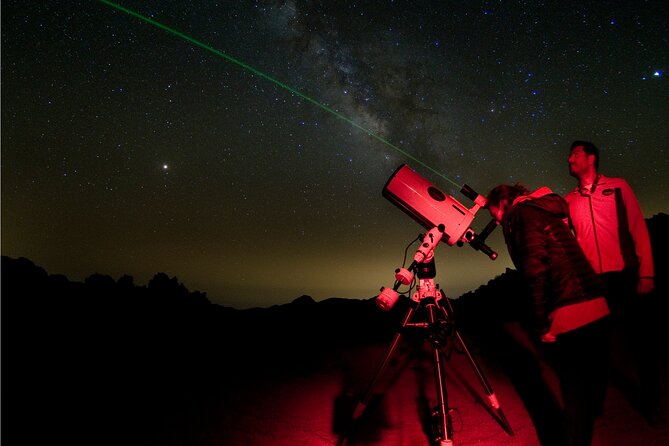
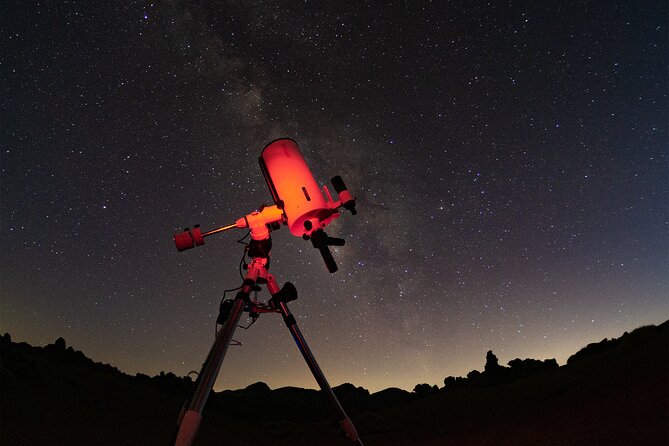
- Finally, the telescope portion. Once you’re oriented, the telescopes come out for standout targets—often including planets and visually striking deep-sky objects.
That sequence matters. If you jump straight to telescope magnification without orientation, everything can feel random. With the approach here, you’re building a mental map while you’re still using your eyes.
Getting your bearings: Polaris, the ecliptic, and zodiac spotting that sticks
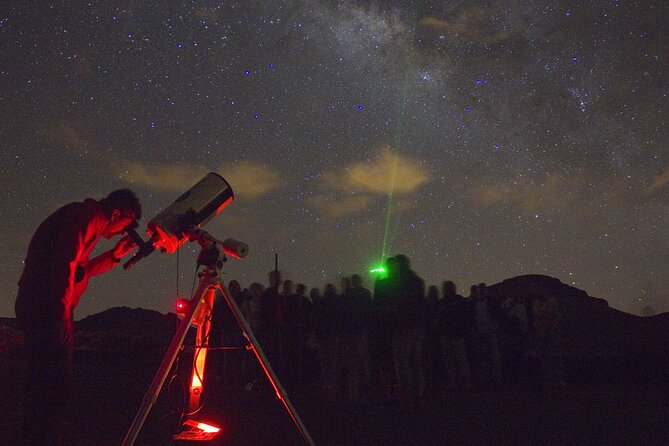
If you want your money’s worth, the “how” is where it happens. This tour doesn’t just say, Look there. It teaches you how to find a direction and how to track key sky paths.
Polaris is the anchor. Once you spot it, the north-sky framework clicks into place. From there, following the ecliptic and zodiac line turns the sky into something you can predict rather than memorize.
Here’s the practical benefit: when you understand those lines, you’ll start recognizing why certain objects show up where they do. Planets don’t appear scattered everywhere—they cluster along the ecliptic because of how Earth’s orbit and the solar system’s geometry line up. The tour uses that idea to make the sky feel logical.
And for the memory side, Greek mythology is doing real work. Star patterns can be hard to remember when they’re just points. When you attach each constellation to a story and a shape, your brain has something to grab onto.
Telescope time: what you can expect to see and why the astrophoto angle matters
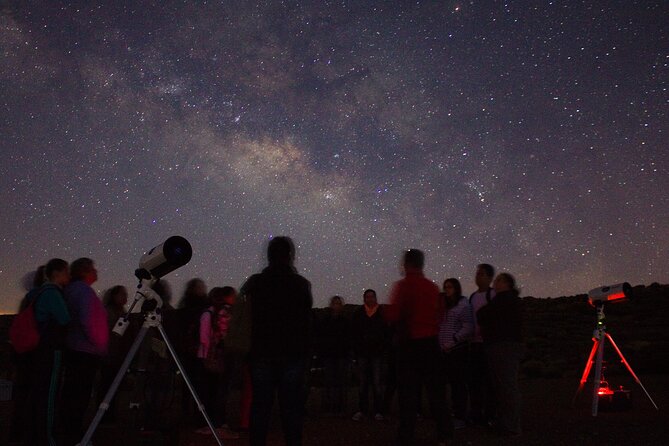
The telescope portion is the payoff for most people. You’re not only increasing magnification—you’re changing what details become visible. That shift is why a telescope tour can feel more satisfying than trying to do your own skywatching at home.
Based on what’s commonly shown on these evenings, you may see classic standouts like:
- Jupiter and Saturn, sometimes with moons visible through the telescope
- Bright deep-sky targets such as prominent star clusters and galaxies
One review mentioned that photos were sent after the tour of a star cluster and a galaxy observed that night. Even if your specific targets vary, the idea is consistent: the tour is using an astrophoto telescope to translate the viewing into images you can keep.
That matters more than it sounds. When you only see something for a short moment, you rely on memory. Getting images after helps you reconnect later with the objects you learned to find. It’s also a nice workaround if you felt rushed by the cold or cloud cover at any point.
Meeting the sky halfway: who this tour suits best
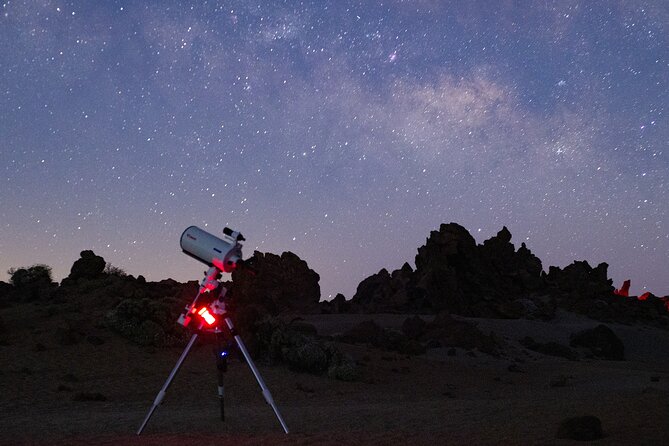
This is a great fit if you want a guided night out that still feels personal. The best part isn’t advanced vocabulary—it’s clarity. Guides on this tour (like Miguel, Manuel, and Luke, depending on the night) are described as clear and good at explaining in a way that doesn’t leave you behind.
You’ll probably enjoy it most if:
- you’re new to astronomy and want a simple method for finding constellations
- you like mixing science with mythology
- you want the telescope experience without needing to bring gear
It’s less ideal if you struggle with cold at night (the park temperatures can be low) or if you have health conditions that make outdoor time harder. The tour data also notes it’s not suitable for people with heart problems or respiratory issues, and it’s not suitable for people who dove in the last 24 hours.
Also, keep the group rules in mind: pets aren’t allowed, and it’s not for unaccompanied minors.



Warm clothing is not optional here: what to wear for Teide nights
This is the one practical point that can make or break the experience. Even when the sky is gorgeous, the body has its limits.
Wear:
- comfortable shoes
- warm clothing
- warm shoes
It’s smart to plan for wind and cold at altitude. One person noted freezing after being outside for about two hours at the altitude, which lines up with what you should expect when you’re standing still waiting for the guide to point things out.
If you run warm, you’ll still feel the temperature drop after sunset. If you run cold, you need real layers. This tour is short—about 80 minutes—but you’ll be outside the whole time and you won’t want to spend it shivering instead of learning the sky.
Price and value: is $41 worth 80 minutes of stargazing?
At about $41 per person for an 80-minute experience, the value depends on what you want from the night.
Here’s what you’re paying for:
- a professional astronomical guide
- a structured naked-eye orientation plus telescope viewing
- insurance during the tour
- telescope time and an astrophoto component for images
What you’re not paying for:
- hotel pickup and drop-off
- dinner
So if you’re already in the area and you can drive to the meeting point, the price starts to look very reasonable. You’re essentially buying a guided education plus high-grade telescope viewing, not just a casual walk under stars.
If you’d have to add expensive transport to reach the parking area, the effective cost can rise. But if you can get there without trouble, this is one of those activities where the payoff is immediate—you learn the sky, then you see it with better clarity.
Where you’ll meet near Minas de San José (so you don’t waste time)
You’ll meet in the parking area just in front of the natural environment of Minas de San José.
Directions help:
- coming from the south: it’s the second car park on the right
- coming from the north: it’s the first car park on the left
This matters because stargazing starts after sunset. When the tour begins on a clock, being off by 20 minutes can mean missing the orientation portion (Polaris, ecliptic, zodiac line) where the whole method clicks together.
Timing, moon light, and why the start time can shift
Two things affect your experience more than you might expect: the moon and the exact start time.
- The tour notes you should be aware of the moon’s cyclical nature when booking. A brighter moon can wash out faint details, so it’s worth paying attention to what the sky will look like that night.
- If you book months in advance, the start time could vary. After booking, the provider contacts you through WhatsApp or email to confirm the schedule.
If you want the best viewing conditions, plan to be flexible and confirm the time right after you book.
Who should skip this Teide stargazing tour?
Be honest about your limits. The tour data lists these “not suitable” categories:
- people with heart problems
- people with respiratory issues
- people who dove up to 24 hours prior
And because it’s an outdoor activity that involves waiting and cold exposure, you should also consider your comfort level in chilly temperatures even if you don’t have a listed condition.
If you have any doubt, it’s worth checking first with the provider or your doctor—especially if cold and standing still are issues for you.
Should you book Teide National Park stargazing?
Yes, book it if you want a guided night sky session where you learn the sky’s basics fast—then get telescope views right after. The combination of naked-eye orientation (Polaris, ecliptic, zodiac line) and telescope time makes the evening feel complete, not random.
Skip it or think twice if you’re not comfortable with cold outdoor time, need hotel pickup, or fall into the listed health limitations. Also, if you’re expecting a quick, casual experience with zero learning, you’ll still get the magic—but you might prefer something more relaxed.
For most people, this is a smart Tenerife add-on: short enough to fit a holiday schedule, structured enough to be meaningful, and genuinely memorable because the sky at Teide is dark in the best possible way.
FAQ
How long is the Teide National Park stargazing tour?
It lasts about 80 minutes.
Where is the meeting point?
You meet in the parking area in front of the natural environment of Minas de San José. If you come from the south, it’s the second car park on the right; from the north, it’s the first car park on the left.
Is hotel pickup included?
No. Hotel pickup and drop-off aren’t included.
What’s included in the tour price?
Included items are a stargazing explanation at naked eye viewing, astronomical observation with telescopes, a professional astronomical guide, and insurance during the tour.
What should I bring for the night?
Bring comfortable shoes, warm clothing, and warm shoes. It will be low temperature, especially in autumn and winter.
What languages is the tour offered in?
The live guide language is Spanish and English.
Are pets allowed?
No, pets are not allowed.
Is the tour suitable for children?
Unaccompanied minors aren’t allowed.
Does the moon affect the experience?
Yes. The tour notes that you should be aware of the moon’s cyclical nature when booking.
Is the tour refundable?
Yes—free cancellation is available up to 24 hours in advance for a full refund.