REVIEW · TENERIFE
Santa Cruz de Tenerife Palmetum Entry Ticket
Book on GetYourGuide →Operated by PARQUE MARITIMO SANTA CRUZ S.A. · Bookable on GetYourGuide
This palm garden beats landfill expectations. The Santa Cruz de Tenerife Palmetum is a reclaimed 12-hectare site now filled with about 3,000 plant species, including 600+ palm types.
I also love the ocean-and-city views from the garden’s higher spots, especially when you stop on a bench and let the scenery do the entertaining.
One thing to consider: a few ponds can look less than pristine, and some paths may feel awkward if you rely on walking sticks or need very smooth ground.
In This Review
- Key things that make this ticket worth your time
- A palm park made from a reclaimed landfill
- Price and what you really get for a day ticket
- How the walk flows: from entrance to viewpoints
- Entrance area: get your bearings fast
- The palm focus: where the collection impresses
- Lakes, stream, and waterfalls: the garden’s calmer moments
- The mountain views over sea and city
- Plants aren’t the only show: birds, butterflies, and shady corners
- What to bring, and how to pace your day
- Wear shoes for mixed terrain
- Bring water and plan for breaks
- Photography tips
- Rules to know before you go
- Who this suits best (and who might want to skip)
- Quick comparison: Palmetum vs. other Tenerife nature stops
- Should you book the Santa Cruz de Tenerife Palmetum ticket?
- FAQ
- How long is the Palmetum entry ticket valid for?
- Where do I meet for the Palmetum visit?
- What is included with the ticket?
- Is food or drinks included?
- Is the Palmetum wheelchair accessible?
- Are pets allowed?
- What’s the cancellation policy?
Key things that make this ticket worth your time
- Europe’s biggest palm collection: you’re walking among palms from around the world.
- 600+ palm species inside a 3,000-species park: it’s palm-focused without feeling one-note.
- Island-by-island planting zones: Madagascar, the Caribbean, and Polynesia are represented.
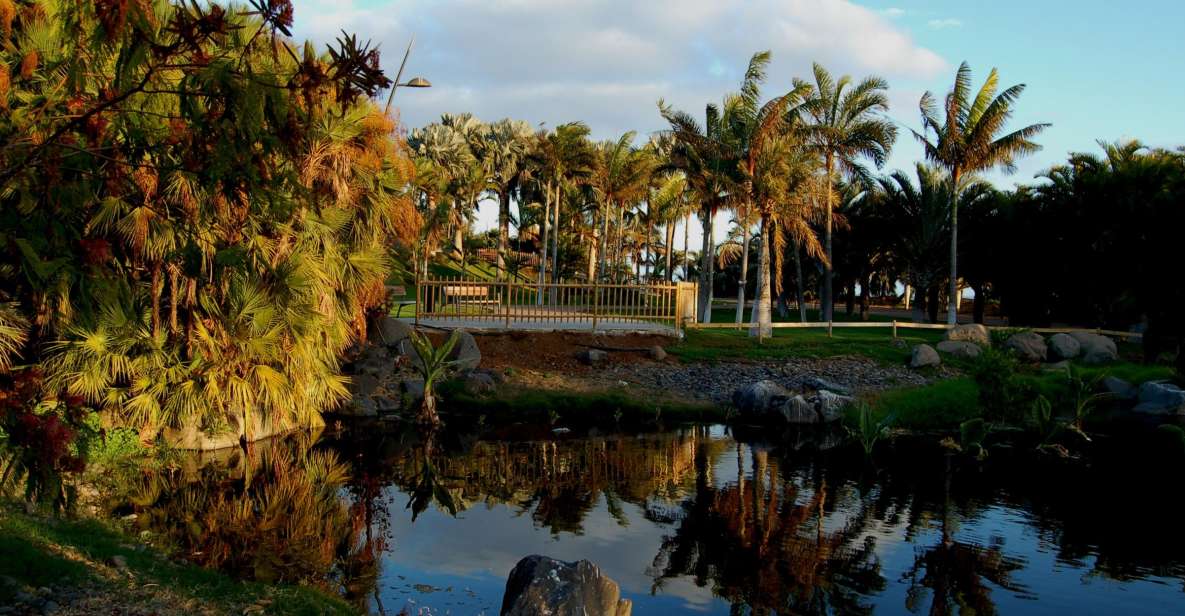
- Water features built into the walk: 2 lakes, a stream, and 3 waterfalls.
- Viewpoints over the sea and Santa Cruz: great for photos and slow breaks.
- Low-cost entry for a long wander: easy to stretch into a half-day if you like plants.
A palm park made from a reclaimed landfill

The Palmetum of Santa Cruz de Tenerife is the kind of place that makes you rethink what a “dump site” could become. This is a 12-hectare reconstituted landfill that has been reshaped into a botanical garden project, and the result is a proper walking experience: winding paths, volcanic rocks, shaded corners, and constant visual rewards.
Why I think it works so well is simple: the theme is clear. The collection is centered on palms (technically Arecaceae / Palmae)—and the numbers are big enough that you don’t feel like you’re ticking off a few specimens. You’re seeing real variety: different heights, textures, leaf shapes, and geographic styles, all laid out so you can connect what you’re looking at with where it comes from.
Then there’s the setting. Even though it’s a garden built on land that used to be something else, it still feels like you’re near the Atlantic—especially from the viewpoints. You get city energy below and ocean light in the distance.
You can also read our reviews of more tours and experiences in Tenerife.



Price and what you really get for a day ticket
This is an entry ticket, priced around $7 per person, and it’s valid for one day. That matters because you’re not buying a “guided tour with a tight schedule.” You’re buying the freedom to walk, pause, and return to the parts you like most.
And that’s a big part of the value. The park is large enough to keep you busy. With a relaxed pace—stopping for benches, looking closely at leaves, and checking the signs—you can easily turn the visit into a few hours. Some people spend longer than they planned, mainly because the views and plant areas invite repeat looks.
Included is just the ticket. No hotel pickup, and no food or drinks included. That said, you might find a small snack/coffee area inside the park, so you’re not completely on your own—just don’t assume a full café setup.
If you want a low-cost nature stop that doesn’t require transport planning or a long tour bus day, the Palmetum fits nicely.
How the walk flows: from entrance to viewpoints
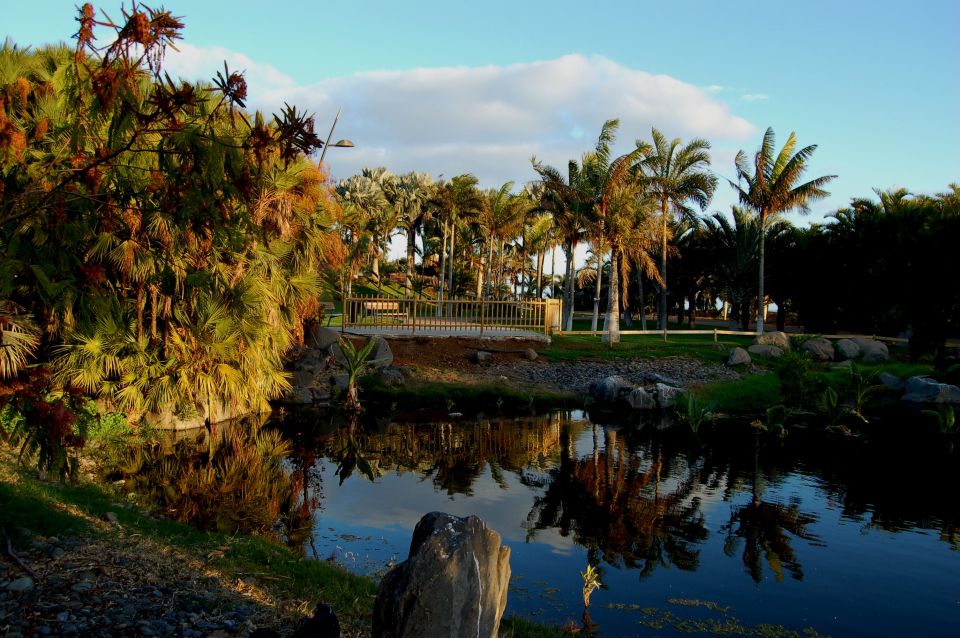
There isn’t a single “must-see stop” you’re forced through. The experience is designed like a self-guided circuit, and the best approach is to start at the entrance and gradually let the park unfold.
Entrance area: get your bearings fast
Your meeting point is simply the entrance of the Palmetum park. From there, you’ll quickly feel the park’s structure: a mix of open garden areas, denser planting, and spots where the terrain rises enough for long views.
If you’re the type who likes a plan, you can treat your visit like four phases:
- palms first (because it’s the star)
- water features next (because they change the mood)
- island sections throughout (because they add meaning)
- viewpoints last (because they reward your effort)
The palm focus: where the collection impresses
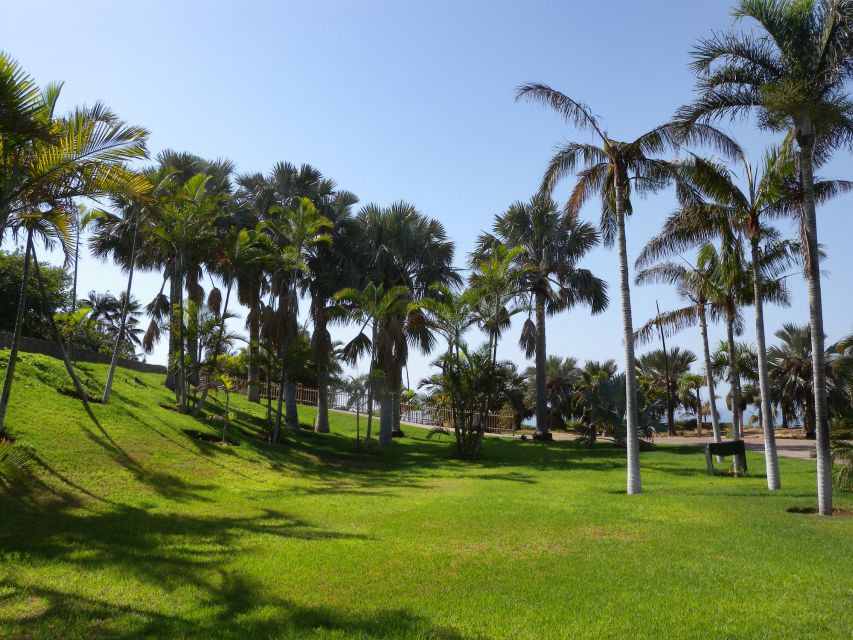
The headline is still the palms. The park includes over 600 palm species distributed based on geographical origin. That means you’re not just seeing a lot of palms—you’re seeing palms grouped in a way that helps you understand the theme.
One of the smartest parts is the island territory dedication across the park. Instead of random scattering, you’ll encounter sections where palms from island regions like Madagascar, the Caribbean, and Polynesia are well represented. Even if you don’t know every palm name, the idea clicks: island climates shape how these plants grow, and the collection is organized to mirror those origins.
The result feels more like an educational walk than a quick photo stop. You can skim signs, then return later and look with new context.




Lakes, stream, and waterfalls: the garden’s calmer moments
About the mid-to-later parts of the park, you’ll run into the water features: 2 lakes, a stream, and 3 waterfalls. They add sound, moisture-loving scenery, and little breaks from the bright sun.
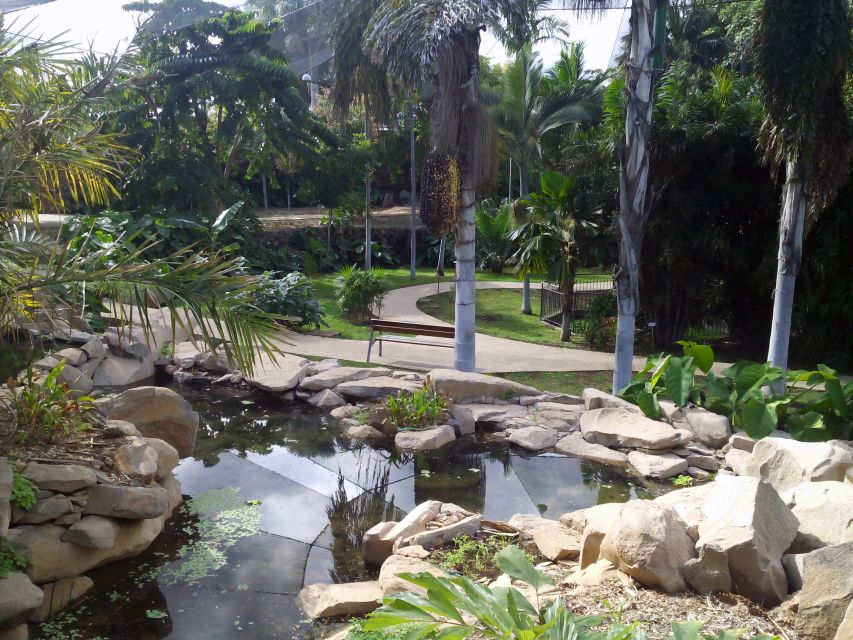
The garden is also described as having corners decorated with immense volcanic rocks, which helps give texture and drama. You get that sense that this wasn’t just planted—it was engineered as a landscape, with water flow and rockwork shaping how you experience the space.
One honest note: a few people have commented that some ponds can look very dirty. So if pristine-looking water is a must for your photos, aim to check the areas yourself first and focus on the viewpoints and planting beds if a water feature isn’t at its best that day.
The mountain views over sea and city
Near the higher parts, the park becomes a lookout. Get ready for views over the ocean and Santa Cruz—the kind of scenery that’s worth lingering in.
This is where I’d slow down. Find a bench, take a break, and let your brain switch from “walking for sightseeing” to “sitting and observing.” You’ll often notice how the palms frame the coastline and how city blocks sit under your line of sight.
It’s also one of the best spots to photograph the park without making it look like a generic botanical garden. The combination of palms + Atlantic light + city layout is what makes the images feel like Tenerife.
Plants aren’t the only show: birds, butterflies, and shady corners
Even though palms drive the story, the park has enough variety to keep wildlife sightings on the table.
From what you’ll likely notice during your walk, keep your eyes open for butterflies and birds. One review mentioned close bird spotting, including a kestrel hunting and hoopoes seen up close. Even if you don’t get that exact sighting, the garden’s mix of trees and water areas makes wildlife watching realistic.
Also, because it’s a botanical garden built on a designed landscape, you’ll find shaded pockets where you can escape sun and reset. Those “pause spots” matter. On an island, heat and glare are part of the day, and a garden that offers frequent places to cool off makes the visit more comfortable and less rushed.
What to bring, and how to pace your day
This is a one-day entry, and you’ll control the pace. Still, a few practical tips make the experience smoother.
Wear shoes for mixed terrain
The park is accessible and wheelchair-friendly, but that doesn’t mean every path feels identical. Plan for garden walking that can include uneven ground. If you’re using walking sticks, be extra careful where the terrain shifts, especially around slopes.
Bring water and plan for breaks
Food and drinks aren’t included, so bring a bottle if you like. If you prefer to buy something on site, you might find a mobile snack bar or small coffee-style area in the center near a pond, but don’t rely on a full café experience.
Photography tips
You’ll want your camera for two reasons:
1) the palm collection, where leaf shapes and spacing can make great close-ups
2) the viewpoints, where you can frame the ocean and city with palms in the foreground
If you’re serious about photos, go earlier in the day for better light and less crowding, then return to viewpoint spots later for a different angle.
Rules to know before you go
The park has a clear set of visitor rules. Plan around the basics:
- No drones
- No pets, though assistance dogs are allowed
- No smoking
- No alcohol or drugs
- Keep it clean: no littering, no feeding animals, and no fires
Also, bicycles and skateboards are not allowed.
If you’re traveling with kids, it’s still a pleasant walk, but expect a nature-focused environment, not a party zone.
Who this suits best (and who might want to skip)
This ticket is ideal if you like:
- plants and palms, especially if you enjoy reading what you’re looking at
- outdoor walking with scenery and frequent photo stops
- a calm day that doesn’t require a strict itinerary
It’s also a good fit when you’re on a cruise or short on time, since you can usually treat it like a simple outing: enter, walk, and return to your next plan.
Who might hesitate:
- If you need perfectly even surfaces and worry about uneven garden paths, do a quick check of the areas before committing to long stretches.
- If you’re very sensitive to the look of water features (ponds), focus more on dry garden areas and viewpoints when needed.
Quick comparison: Palmetum vs. other Tenerife nature stops
The Palmetum isn’t trying to be a wilderness hike. It’s a designed botanical garden with a palm specialty and built-in viewpoints. That makes it more forgiving than a full-day trail—while still rewarding if you enjoy plants.
If you want a quick, affordable “nature + culture of plants” day in Santa Cruz, this beats many generic sightseeing stops because you leave with stronger memories of what you actually saw: the scale of palm variety, the island-based organization, and the ocean-city horizon.
Should you book the Santa Cruz de Tenerife Palmetum ticket?
Yes, if you want a value-rich half-day to full-day wander focused on palm species and planted landscapes. The pricing is low for what you get: a big garden, strong plant themes, water features, and views that feel worth the walk.
Book it especially if:
- you like gardens and want something calmer than city-only sightseeing
- you want a palm-centered experience with global island themes
- you’re traveling with mixed ages and want an outing that’s easy to pace
Skip or adjust your expectations if:
- you’re expecting food to be part of the experience (it isn’t included)
- you’re very picky about the look of ponds
- you need fully smooth paths everywhere
If your idea of a great day is slow walking, leaf spotting, and a good seat with a view, this one delivers.
FAQ
How long is the Palmetum entry ticket valid for?
The ticket is valid for 1 day.
Where do I meet for the Palmetum visit?
You enter at the entrance of the Palmetum park.
What is included with the ticket?
The ticket includes entry to the Palmetum.
Is food or drinks included?
No. Food and drinks are not included.
Is the Palmetum wheelchair accessible?
Yes, it is wheelchair accessible.
Are pets allowed?
Pets are not allowed, but assistance dogs are allowed.
What’s the cancellation policy?
Free cancellation is available up to 24 hours in advance for a full refund.