REVIEW · TENERIFE
Sunset and Stars at Teide National Park
Book on Viator →Operated by Stargazing Tenerife · Bookable on Viator
One evening, two skies to fall for. I like the way this tour mixes sunset drinks with real telescope time in Teide National Park, all in one smooth night plan. You’re riding out from the south coast, watching the sun fade toward La Palma, La Gomera, and El Hierro, and then switching gears to spot Moon phases and deep-sky targets.
What I really liked most is the private transport (no taxi hunting) and the included glass of cava at sunset. The main thing to plan around is the cold: even in Tenerife’s mild reputation, the viewpoints can be windy and chilly once the sun drops.
In This Review
- Key highlights worth marking on your Tenerife map
- Coast-to-Teide Sunset Cava, Then Star Hunting
- Pickup and Timing: The South-Coast Stretch You Should Expect
- Stop 1: Teide Park Viewpoint for Sunset and Cava
- Teide National Park After Dark: How the Telescope Experience Really Works
- What You Might See: Moon Focus, Planets, and Winter Targets
- Seeing It With a Real Guide: Polaris, Andromeda, and the Myth Connection
- Photos Under the Stars: A Great Souvenir With One Catch
- Cold Weather, Altitude, and What to Bring (Even If You Packed Light)
- Price and Value: When $72.59 Feels Worth It
- Who This Tour Suits (and Who Might Want a Different Night)
- Should You Book Sunset and Stars at Teide National Park?
- FAQ
- How long is the Sunset and Stars at Teide National Park tour?
- Is pickup included, and where does it operate from?
- What does the tour include?
- Is dinner included?
- What can I see during stargazing?
- Does everyone get access to the telescope?
- Do I need warm clothing?
- Are children allowed?
- What happens if weather is bad?
Key highlights worth marking on your Tenerife map
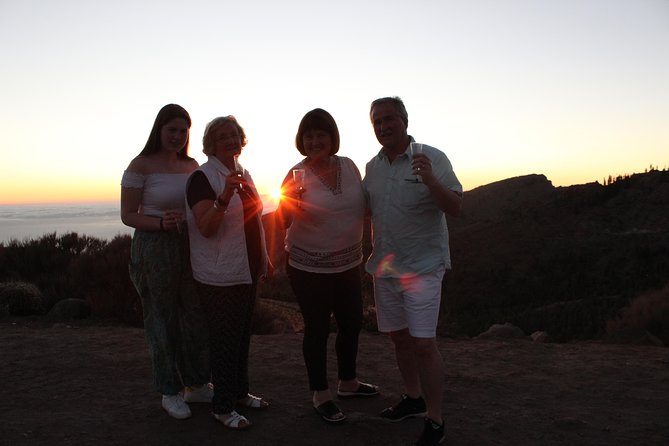
- Cava at sunset (and a non-alcoholic drink option if you prefer)
- Private, air-conditioned pickup and drop-off from the south-coast hotel zone
- A 12-inch Dobsonian telescope plus tripods you can use
- Laser pointer stargazing with help finding Polaris and the Andromeda galaxy
- Individual photo taken under the stars (downloadable, but high-resolution isn’t included)
- Cold-weather reality check: bring warm layers; extra coats may help
Coast-to-Teide Sunset Cava, Then Star Hunting
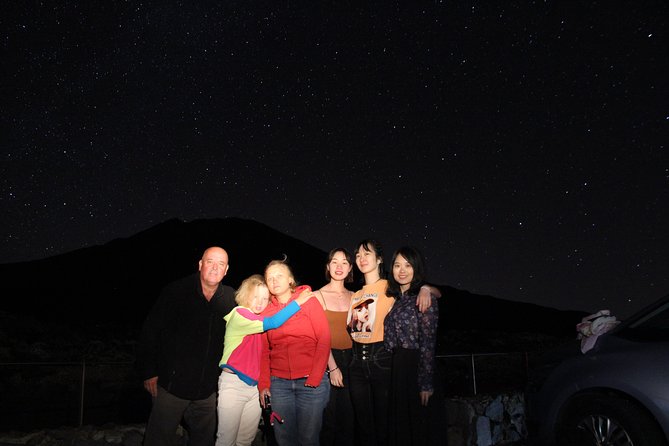
This is the kind of tour that makes sense if you only have a few evenings in Tenerife. You’re not just watching a sunset and calling it done. You’re moving into darker skies after sunset so the sky actually shows you something, not just pretty silhouettes.
The route is built around two different viewpoints. First you watch the day end, with a glass in hand. Then you head up into Teide National Park for stargazing with a 12-inch Dobsonian and guide-led pointing.
You can also read our reviews of more tours and experiences in Tenerife.
Pickup and Timing: The South-Coast Stretch You Should Expect
The tour runs about 4 hours 30 minutes. The time you leave matters, because you’re collecting people along a long strip of hotels on the south coast.
Pickup is included, and it’s limited to areas on or near the coast between El Médano to Los Gigantes. You won’t be picked up from inland towns away from the main TF1 highway, and there’s no pickup in Costa del Silencio, Las Galletas, or Palm-Mar (Arona municipality).
One practical note: you must provide a WhatsApp number. The operator sends the exact pickup time and place on the morning of your tour. If you’re the type who forgets to check messages while on holiday, set a reminder now.
Stop 1: Teide Park Viewpoint for Sunset and Cava
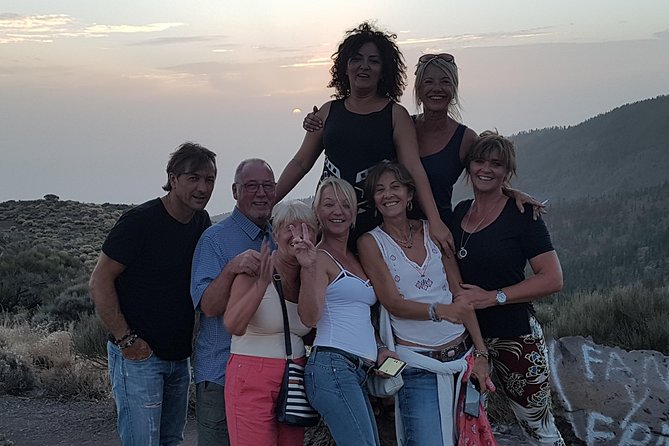
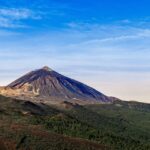
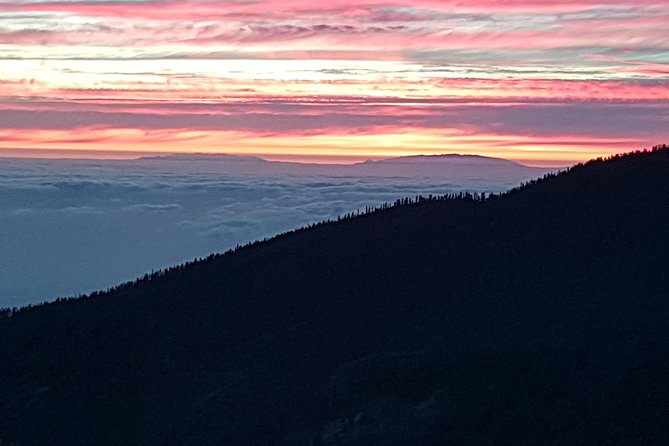
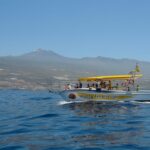
The first stop is about views and atmosphere. You’re taken to a viewpoint where the sunset spreads out over the islands of La Palma, La Gomera, and El Hierro. It’s the classic Tenerife payoff: sea air, high sky, and that moment when the colors start changing fast.
And yes, there’s a glass of cava (Spanish sparkling wine) for the sunset. You also get a non-alcoholic drink option. This is one of the reasons the tour feels more fun than a pure logistics-and-telescope excursion.
Here’s the tradeoff: sunset viewpoints can get busy. Some nights you’ll share the space with other groups, so the vibe can feel less intimate, especially when everyone is trying to take photos at the same time. Also, cloud cover can affect how dramatic the sunset looks, since you’re dependent on weather.
Teide National Park After Dark: How the Telescope Experience Really Works
Once it’s dark enough, you transfer to a second Teide National Park viewpoint for stargazing. This is where the tour shifts from scenery to science.
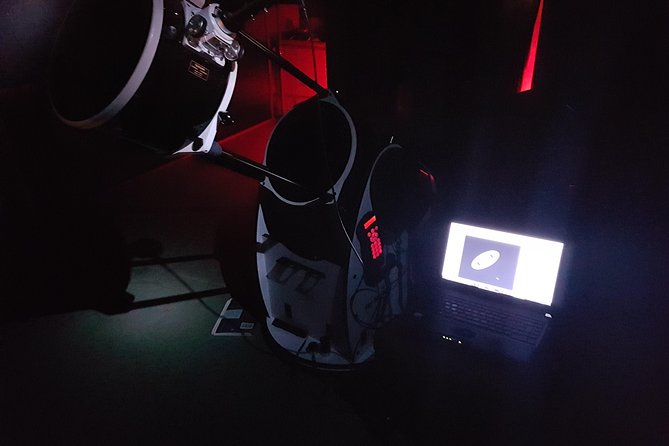
The standout tool is the 12-inch Dobsonian telescope. You’re not just looking through once and done. They supply telescopes and tripods so people can use them. The night sky isn’t one-size-fits-all, though, so the targets are chosen based on what’s visible (and what looks clear enough to show detail).
Your guide uses laser pointers to point out constellations and objects, including help finding Polaris (the North Star) and the Andromeda galaxy. You’ll also get mythology tie-ins around the stories behind what you’re seeing.
The practical drawback is that your telescope time can feel shared. On busy nights, you might not get as many long looks through the eyepiece as you hoped, even though the guides keep the whole session moving. One review even described fewer telescope uses than expected for the time and price—so I’d set your expectations as hands-on, but not guaranteed one-on-one staring time for every minute.
What You Might See: Moon Focus, Planets, and Winter Targets
What you see depends on the calendar and the night sky. The tour’s plan is flexible, and you’ll get targets that match conditions.
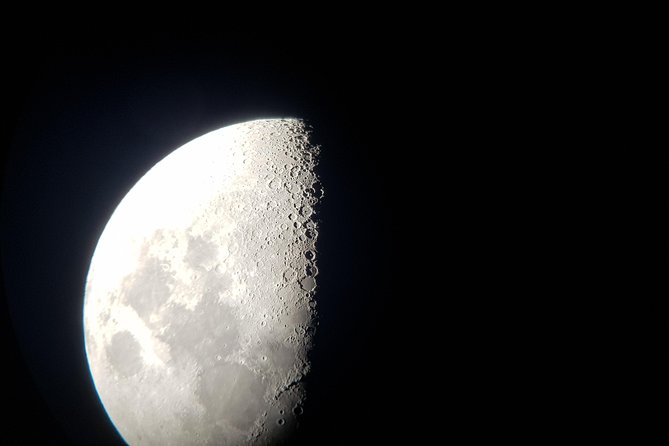
A key pattern is the Moon. In the days leading up to a full moon, the Moon is the main focus. That’s not random—it’s when the Moon’s features are often easier to track and it’s bright enough to observe clearly.
You may also see planets and star detail. Reviews mention Saturn (including its rings), Jupiter, and the brighter planets like Mercury and Venus. Some nights include highlights like the Milky Way visible to the naked eye.
If you’re visiting in winter, keep an eye out for the Pleiades (often called the Seven Sisters) in the constellation of Taurus. They also point out galaxies, nebulae, and star clusters such as those that show as small, sharp smudges and clusters through the telescope.
Seeing It With a Real Guide: Polaris, Andromeda, and the Myth Connection
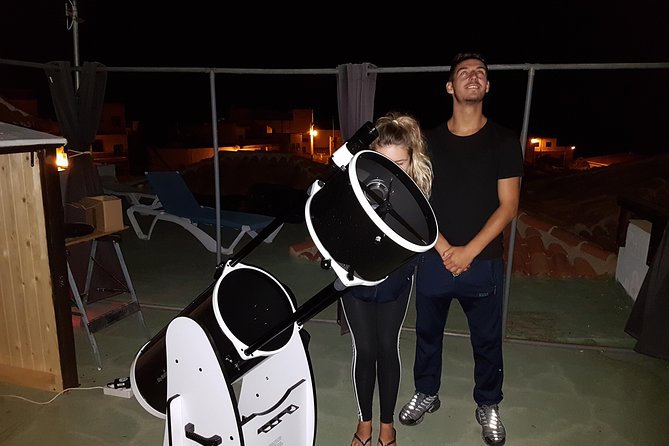
This tour works best if you like learning as you look. The guides don’t just say what you’re seeing—they help you find it.
You’ll get a guided approach to the sky with laser pointers, using common reference points like Polaris. Then it’s about jumping from what’s obvious (bright stars and planets) to what takes practice (galaxies and fainter clusters). The Andromeda galaxy is a big one they explain, including how to locate it.
The myth angle is actually useful, not just entertainment. When you connect a constellation name to a story, your brain keeps the pattern better. You also get a steady commentary flow rather than a “stand here, look, next” script.
From the reviews and guide credits, you’ll likely hear from guides such as Jaime, Filipe, Phil, Stephen, Alessandro, Daniele, Marco, Steven, Alex, Mike, and Danny. The names change, but the common thread is clear explanations and active helping during the pointing.
Photos Under the Stars: A Great Souvenir With One Catch
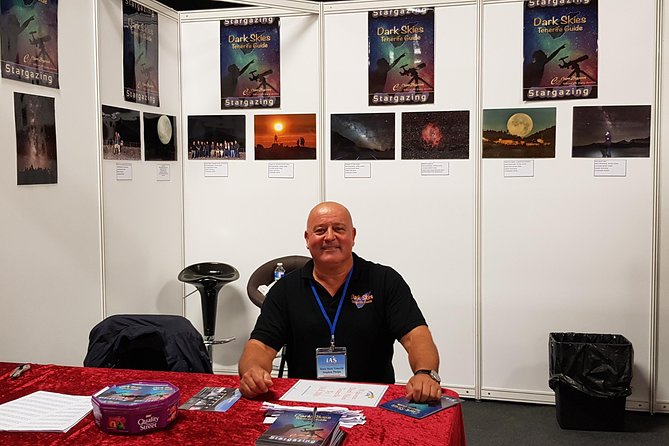
At the end, they take individual photos using astrophotography-style techniques designed to capture the starry background above you. The photos are meant to be a memorable takeaway—something you can keep long after the session ends.
You can download the pictures from Facebook. One important detail: the high-resolution version isn’t included. So if you’re hoping for a print-ready file with zero restrictions, double-check what format you’ll actually receive.
Also, expect the photo part to take time. One review criticized how long it stretched the end of the tour. If you’re sensitive to schedule padding, just mentally budget for the final group photo workflow.
Cold Weather, Altitude, and What to Bring (Even If You Packed Light)
Bring a real jacket. Reviews repeatedly call out that you need very warm clothes, and they may hand out extra warm layers if you’re short.
You should also be ready for wind. Higher viewpoints can feel colder than you expect, and once you’re standing outside for a while, your comfort matters. One review even mentioned needing coats even though they arrived with warm clothing already.
Altitude can also sneak up on you. One person reported altitude sickness and heavy ear pressure on the way down, so if you’re prone to motion or altitude discomfort, consider that seriously and plan to move slowly when you’re getting in and out.
What about food and comfort? Dinner isn’t included. You can bring snacks to eat during the tour, but no eating is allowed in buses. If you snack, do it outside and keep it quick.
Toilets aren’t something the tour highlights in the provided details. One review complained about the lack of toilet facilities for a 4.5-hour stretch. My advice: use facilities before you meet, and treat this as a “prepare like a hike” situation.
Price and Value: When $72.59 Feels Worth It
At about $72.59 per person, this isn’t the cheapest thing you can do in Tenerife. But the value comes from what’s included and what’s hard to replicate on your own.
You get:
- Private transport in an air-conditioned vehicle
- A sunset stop with included drinks
- A hands-on telescope setup
- Guided stargazing with laser pointing
- Individual starry photo as a souvenir
The reviews are split on whether it feels expensive, but the stronger pattern is: people who arrive expecting a true astronomy session with transportation and guided explanations often call it worth it. People who expected a quieter, more private telescope spot—or longer uninterrupted telescope time—felt it fell short.
So here’s my practical way to judge value before you book: if you want an easy night out with transport, a sunset moment, and guided sky pointing, you’ll likely feel it was money well used. If you’re mainly chasing solitude and lots of “stay at one eyepiece” time, you might feel the group dynamics.
Who This Tour Suits (and Who Might Want a Different Night)
This tour is a great match for:
- Couples, solo travelers, and small groups who want a structured night plan
- First-timers who want help finding things like Polaris and Andromeda
- People who enjoy astronomy explanations, not just pretty night photos
It’s also been done with families. Kids under 5 years aren’t allowed, and booster seats are the plan for young kids (seats only for children older than about 6–7 years, based on the tour rules). If you’re traveling with little kids, you’ll want to factor in cold, standing time, and the dark outdoor setting.
If you have limited mobility, consider the reality that you may be standing for long stretches at viewpoints. The tour uses outdoor miradors and protected areas, and there aren’t facilities described in the basic info. In other words: it’s not designed like a sit-down theater show.
Should You Book Sunset and Stars at Teide National Park?
I’d book it if you want an evening that feels complete: sunset + cava, then a real stargazing session with a large telescope and guided pointing. It’s also a smart choice if you don’t want to deal with transport planning from the south coast.
Book with confidence, but also book with the right expectations:
- Pack for cold and wind. Even if you think you’re dressed for Tenerife weather, you might still feel it once you’re up in the dark.
- Know that cloudy skies can reduce the sunset or the clarity of the sky. The tour depends on weather to work its magic.
- Expect the group to move. Telescope time is part of a shared experience, not a private “you only” stargazing lab.
If that sounds like your kind of night, this is one of the easiest ways to see Teide’s sky do what it does best.
FAQ
How long is the Sunset and Stars at Teide National Park tour?
It runs for about 4 hours 30 minutes (approx.).
Is pickup included, and where does it operate from?
Yes, pickup is offered with private transportation. Collection is from hotels or near the coast between El Médano and Los Gigantes, and not from towns inland from the main TF1 highway. There’s no pickup in Costa del Silencio, Las Galletas, or Palm-Mar.
What does the tour include?
The tour includes telescopes and tripods, a glass of cava (or a non-alcoholic drink), private transport, and an air-conditioned vehicle. You also get a mobile ticket.
Is dinner included?
No, dinner is not included. You can bring snacks to eat during the tour, but no eating is allowed in buses.
What can I see during stargazing?
Depending on the time of year, you may see the Moon, plus galaxies, nebulae, and star clusters like the Pleiades in winter. Planets are also described as part of what you can observe through the telescope on suitable nights.
Does everyone get access to the telescope?
The tour supplies telescopes and tripods for people to use, so you should have access during the session. How much time you spend at the eyepiece can vary with night conditions and group flow.
Do I need warm clothing?
Yes. It can be very cold after sunset at the viewpoints. The tour details recommend being prepared, and extra warm jackets/coats may be available.
Are children allowed?
Children under 5 years are not allowed. Booster seats are used for children older than about 6–7 years.
What happens if weather is bad?
The experience requires good weather. If it’s canceled due to poor weather, you’ll be offered a different date or a full refund.