REVIEW · TENERIFE
Rock climbing in natural space.
Book on Viator →Operated by Adrenaline adventure Tenerfie · Bookable on Viator
Volcanic walls, real climbing, zero guesswork. This trip puts you on Tenerife’s volcanic rock inside the dramatic barranco del Rey, with a calm, hands-on instructor and multiple walls to try. I love how reassuring the safety system is, because you’re always tied in with rope, harness, and helmet. I also love the small-group setup, where instruction doesn’t get drowned out by noise. One thing to consider: this experience needs good weather, so you may need to reschedule if conditions aren’t right.
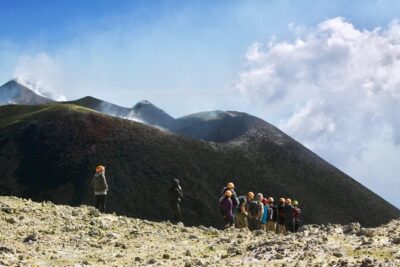
You start with a short walk along an old path (about 20 minutes) before you reach the climbing area. The setting is famous for more than scenery—this ravine is over 200 meters deep and includes caves tied to the ancient Guanche people.
For me, the real win is what you practice: you’ll climb routes at different levels of difficulty, up to a maximum height of 20 meters. If you’re expecting a long all-day workout, the 3-hour format is tight. But if you want a smart, confidence-building introduction to climbing here, it hits the sweet spot.
In This Review
- Key things I’d bet on before you book
- Volcanic Barranco del Rey: The setting for confident climbing
- Price at $156: why this one feels worth it
- 9:00 meeting point and getting to the old trail
- The 20-minute sendero walk and the Guanche caves
- Helmets, harnesses, ropes, and carabiners: what you use
- Climb up to 20 meters on multiple difficulty walls
- Small group coaching with Igor (max 4 people)
- What to bring, water, and weather reality
- Should you book this Tenerife rock climbing trip?
- FAQ
- How much does the rock climbing experience cost?
- How long is the experience?
- Is the tour offered in English?
- How many people are in the group?
- What is the maximum height you can climb?
- What safety equipment is included?
- Is bottled water included?
- Where do we meet, and when does it start?
- What happens if the weather is bad?
Key things I’d bet on before you book
- Max 4 travelers means you get real attention, not just a quick safety talk
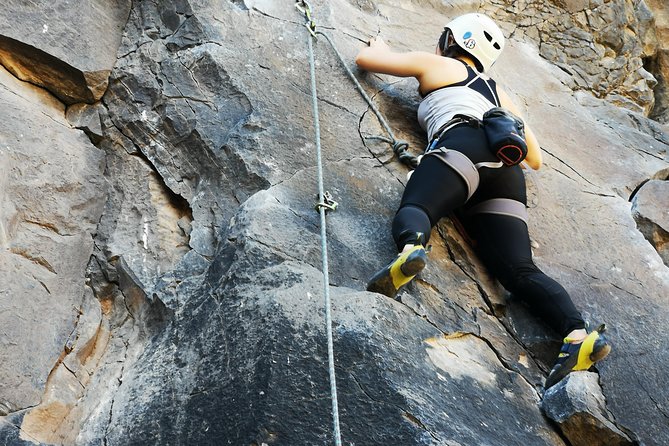
- Tied into a rope system with helmet, harness, and carabiners for a secure feel
- Volcanic walls up to 20 meters and multiple difficulty levels to match your ability
- Barranco del Rey’s Guanche caves give the climbing area a sense of place beyond the activity
- English guide plus transport helps you spend time climbing instead of figuring logistics
- 3 hours total keeps it doable even on a packed Tenerife trip
Volcanic Barranco del Rey: The setting for confident climbing
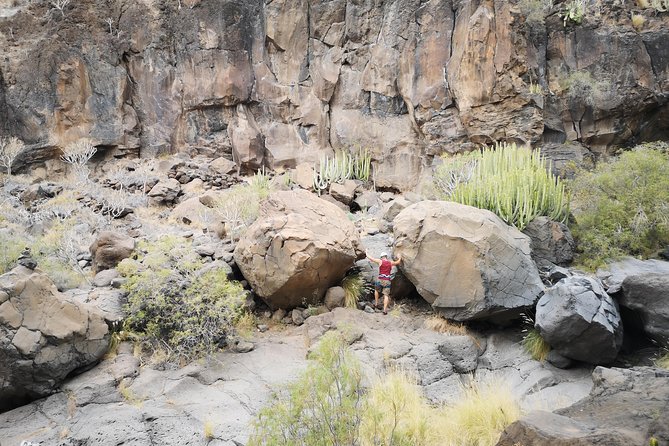
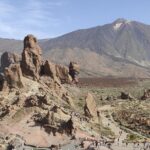
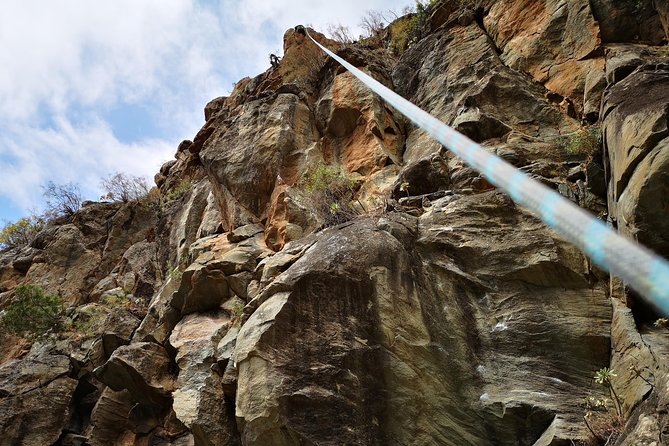
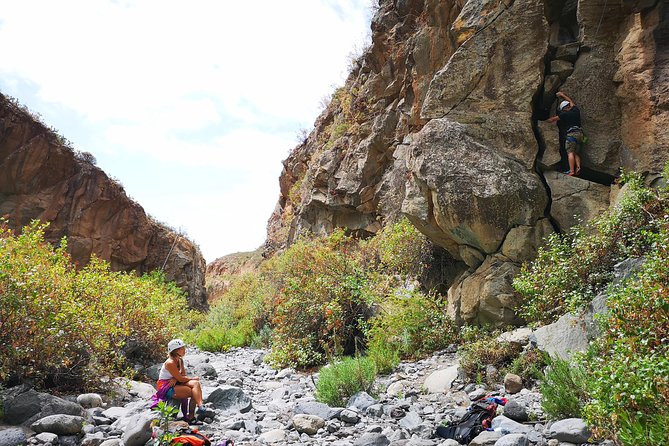
This climb happens in the barranco del Rey area in the Arona municipality, where the rock is volcanic and the gorge setting is dramatic. You don’t just arrive at a random wall and start climbing—you first move through a historic-feeling ravine that’s over 200 meters deep, with caves linked to the ancient Guanche aboriginal people.
That context matters. When you’re learning the body skills of climbing—balance, positioning, and how to move from hold to hold—it helps to feel like you’re in a real environment, not in a workshop. The view quality is also a big part of why people enjoy this outing, especially because Tenerife’s terrain looks unlike anywhere else in Spain.
You’ll typically climb several rock walls, and they’re set for different levels of difficulty. That means you can try a “warm-up” wall before you commit to something more challenging.
You can also read our reviews of more tours and experiences in Tenerife.

Price at $156: why this one feels worth it
At about $156.03 per person for roughly 3 hours, the value comes from what’s included—not just the coaching. You get the core safety gear (helmet, harness, rope) plus carabiners, a guide, and transport. You also get pickup and drop-off at the meeting point, so you’re not juggling taxi math or parking stress.
That package is especially important for a climbing activity. Good safety systems are not the place to cut corners. Here, the structure is built around you staying attached to a rope while you climb, which is exactly what you want when you’re new—or when you want to build skills without constantly second-guessing your setup.
What’s not included is bottled water. It’s a small thing, but it’s the kind of detail that affects comfort. Bring your own water so you’re not thinking about hydration while you’re learning to climb.
9:00 meeting point and getting to the old trail
The day is built around a clear starting rhythm: start time is 9:00 am, and the tour ends back at the same meeting point. The listed meeting location is Diseminado Pinque, 3A, 38678, Santa Cruz de Tenerife, Spain.
You’ll want to plan to arrive a few minutes early, because the experience runs on a tight 3-hour window. There’s also the practical benefit that it’s near public transportation, so you’re not stuck needing a private car.
Transport is included as part of the experience, and in practice that means you’re transferred to the climbing area and then brought back. One guide detail that sticks with me from the way this is run: Igor meets people on time at the meeting area, and he’s easy to spot in a Volkswagen van.
The 20-minute sendero walk and the Guanche caves
Before you touch the rock, you head into the barranco del Rey via an old path for about 20 minutes. This is the part that most people underestimate. It’s not a long hike, but it sets your body up for the climbing and gets you into the right headspace.
The ravine is more than dramatic walls—it’s tied to the Guanche story, with caves in the area that connect to ancient aboriginal life. Even if you don’t know the history before you arrive, the guide can put it into context as you walk. That turns the transition from “getting there” into part of the experience.
A quick reality check: because the activity is weather-dependent, you may find the walking conditions affect comfort. If the ground is slippery, take your time and don’t rush the climb warm-up. The goal is to arrive at the rock feeling steady, not tired.
Helmets, harnesses, ropes, and carabiners: what you use
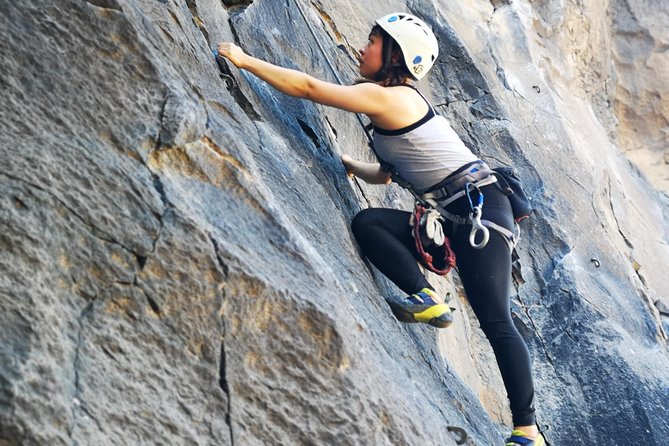
The safety gear is a big reason this works for beginners and intermediate climbers alike. You’ll be equipped with a helmet, harness, and rope, and you’ll use carabiners as part of the secure system.
The key point is how you climb: you’re always kept in a high-safety setup, tied to a rope. That changes the whole feel of learning. Instead of worrying about whether you’re clipped in correctly for every movement, you can focus on technique—hand placement, foot positioning, and how to read the rock.
Before you start, you’ll go through setup and guidance so you understand how the gear works with the climb. After that, you’ll move between different walls, trying routes that match your abilities. The guides aim for progress, not chaos.
One more detail: helmets, harnesses, and ropes are included, but bottled water isn’t. Plan for that so you stay comfortable during the walk and between climbs.
Climb up to 20 meters on multiple difficulty walls
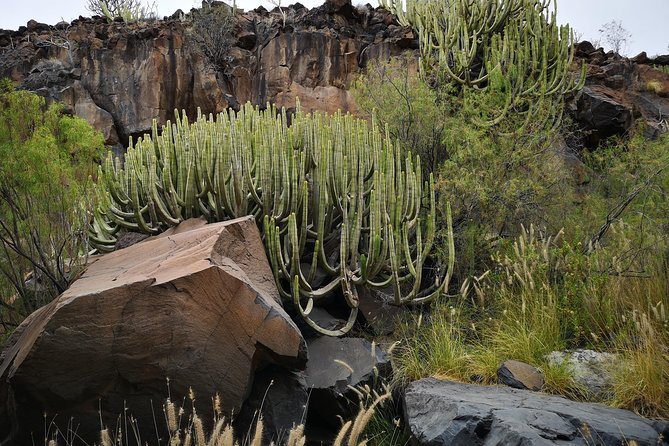
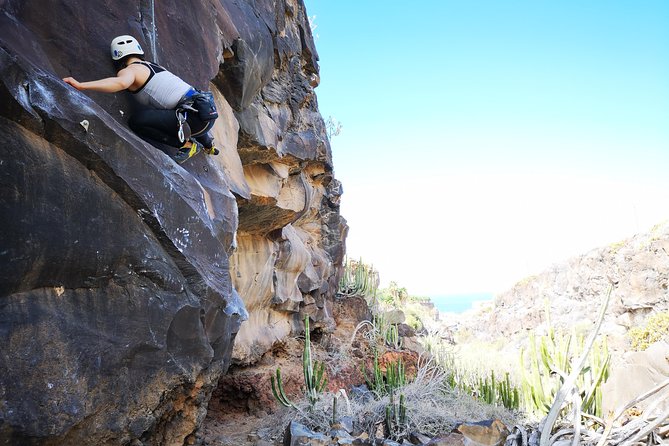
You’ll climb volcanic rock walls of different heights and difficulties, with a maximum climbing height of up to 20 meters. That cap is useful. It’s tall enough to feel like real rock climbing, but not so tall that the experience turns into an endurance test.
A helpful part of the format is that you’ll try several walls rather than just one route. That keeps your confidence building. You can test how your body handles holds on one section, then adjust your approach on the next wall.
Difficulty varies, and you’re guided based on your abilities. If you already have climbing experience, you’ll still benefit because you’re discovering local spots and useful technique tips specific to this kind of volcanic rock. If you’re brand new, the structure helps because you’re practicing with built-in safety support and clear guidance.
The pace is also important. The best version of this experience doesn’t feel rushed; it feels like you’re learning while still having enough time to enjoy the views and reset between climbs.
Small group coaching with Igor (max 4 people)
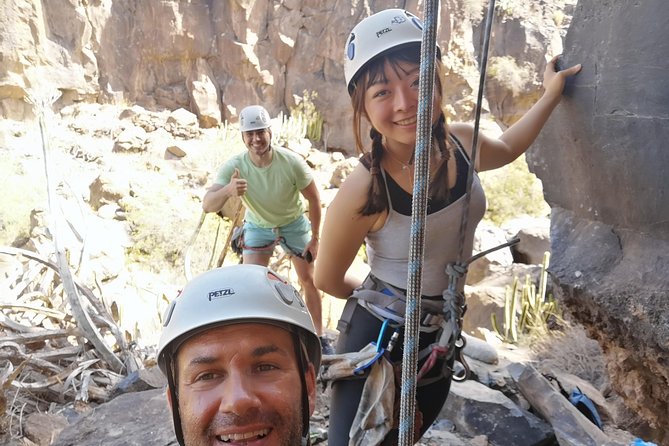
This tour limits group size to four travelers, and that’s where the coaching quality really comes from. When the group stays small, the guide can watch your body position, correct small issues fast, and keep the whole rhythm of the day smooth.
Igor is one of the standout details here. He’s described as professional and calm, and he has 30 years of experience climbing in the mountains of Tenerife. That matters because climbing isn’t just strength. It’s timing, movement, and reading what the rock is doing. A guide who’s done it for decades can usually spot what to fix in a moment.
You’ll likely also hear practical advice beyond climbing. This is a common pattern with guides who love the island: they don’t just run the activity and leave you with nothing. Expect guidance that can help you plan the rest of your Tenerife day.
If you’re the type who likes learning in a structured way—rather than just “trying and hoping”—this small group dynamic is a real benefit.
What to bring, water, and weather reality
The experience is weather-dependent and requires good weather. That’s not a minor note. Rock climbing outdoors depends on conditions for grip, safety, and overall comfort. If the experience is canceled due to poor weather, you’ll be offered a different date or a full refund.
So plan around the day itself. Build some flexibility into your itinerary if you can. If your schedule is rigid, at least be ready to pivot.
What to bring is straightforward, but think like a climber, not like a tourist:
- Comfortable clothing you can move in
- Closed-toe shoes or footwear suitable for rough ground
- Your own water, since bottled water is not included
- A light layer for early morning, depending on how the day feels
Also, keep an eye on the meeting point timing. A calm start is a happy climb.
Should you book this Tenerife rock climbing trip?
Book it if you want a real outdoor climbing experience without the complexity of organizing everything yourself. The combination of full safety gear, rope-based security, a small group (max 4), and English-speaking instruction makes it a strong value for the price.
Skip it or think twice if you don’t have flexibility for weather. Since this depends on conditions, it’s not the best choice for a day where you absolutely can’t reschedule.
If your goal is to feel confident on volcanic rock, try multiple routes, and learn local climbing technique with Igor’s guidance, this is a smart pick for Tenerife. It’s active, scenic, and well-structured—exactly the kind of experience that helps you see the island beyond the obvious stops.
FAQ
How much does the rock climbing experience cost?
It costs about $156.03 per person.
How long is the experience?
It lasts about 3 hours.
Is the tour offered in English?
Yes, the experience is offered in English.
How many people are in the group?
The experience has a maximum of 4 travelers.
What is the maximum height you can climb?
The climbing goes up to a maximum of 20 meters.
What safety equipment is included?
You’ll receive a helmet, harness, rope, carabiners, plus a guide and transport.
Is bottled water included?
No, bottled water is not included.
Where do we meet, and when does it start?
You meet at Diseminado Pinque, 3A, 38678, Santa Cruz de Tenerife, Spain, and the start time is 9:00 am. The activity ends back at the meeting point.
What happens if the weather is bad?
The experience requires good weather. If it’s canceled due to poor weather, you’ll be offered a different date or a full refund.