REVIEW · LA FORTUNA
Private cooking class in organic farm at La Fortuna
Book on Viator →Operated by Finca Paraiso Organico · Bookable on Viator
Dinner begins in the garden. This private cooking class at Finca Paraiso Orgánico in La Fortuna is interesting because you start by picking organic ingredients from the orchard, then you make a pre-dinner sugarcane juice using plants and roots from their medicinal garden before cooking together. I especially like the hands-on focus (you’ll even make tortillas) and the farm-to-table rhythm that turns dinner into a lesson. One possible drawback: it’s on a real working farm, so plan for uneven ground and a schedule that can feel slower than a restaurant meal if you’re short on time.
The vibe here is more family home than showy cooking demo. You’ll end back at the meeting point, and because this is private, your group stays together with the hosts in their kitchen.
In This Review
- Key things you’ll remember from this La Fortuna farm cooking class
- Where the experience starts: Paraiso Orgánico and a guided farm walk
- The peasant pharmacy tour: medicinal plants, not just pretty gardens
- Sugarcane juice with roots and garden herbs: the pre-dinner “aha”
- Hands-on Costa Rican cooking in the family kitchen
- Tortillas you make with your own hands
- A quick word on dietary needs
- Timing, duration, and what to do with the rest of your day
- Price and value: why $75 can feel like more than a meal
- Who this experience is best for (and who might want something else)
- Quick practical checklist before you go
- Should you book it? My take on when it’s a yes
- FAQ
- How long is the private cooking class at the organic farm in La Fortuna?
- Is this a private tour or shared with other people?
- What does the price include?
- What’s not included?
- What should I do about getting to the farm?
- Are service animals allowed?
- What is the cancellation policy?
Key things you’ll remember from this La Fortuna farm cooking class
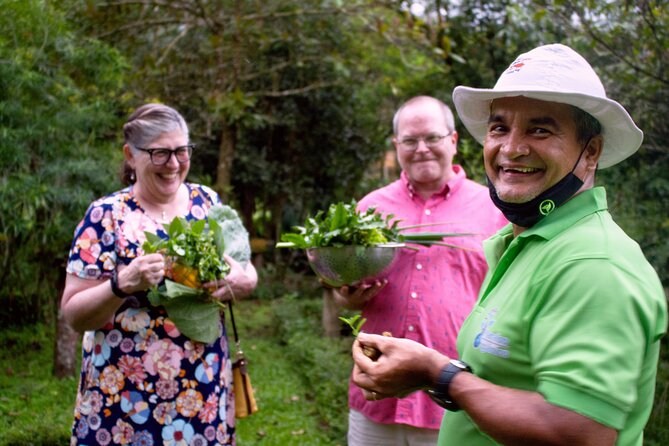
- Orchard picking before cooking so your ingredients feel like part of the meal, not a surprise at the table.
- Medicinal plants lesson (the peasant pharmacy) where you learn what grows for different ailments and how the garden is used.
- Sugarcane juice workshop mixing in roots and plants you collected along the way.
- Hands-on tortilla making with guidance so you’re not just watching from the sidelines.
- Dinner cooked on-site with the family in a casual, welcoming setting where conversation is part of the experience.
- Dietary flexibility in practice when you share your preferences ahead of time with the hosts.
Where the experience starts: Paraiso Orgánico and a guided farm walk
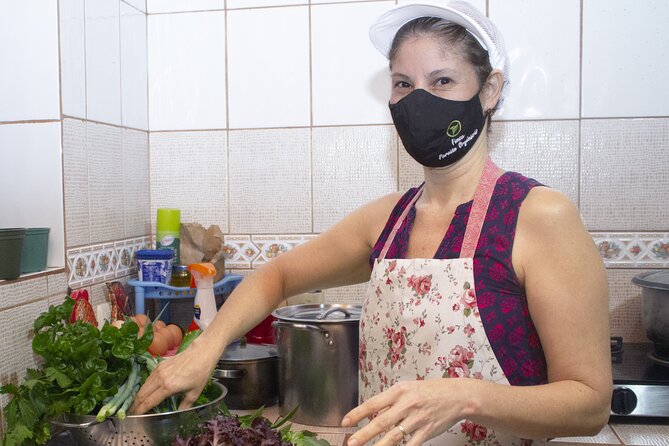
Your experience begins at Paraiso Orgánico in the La Fortuna area (Alajuela Province), and it ends back at the same meeting point. Since private transportation isn’t included, you’ll want to arrange your own taxi, rental car, or driver for the farm.
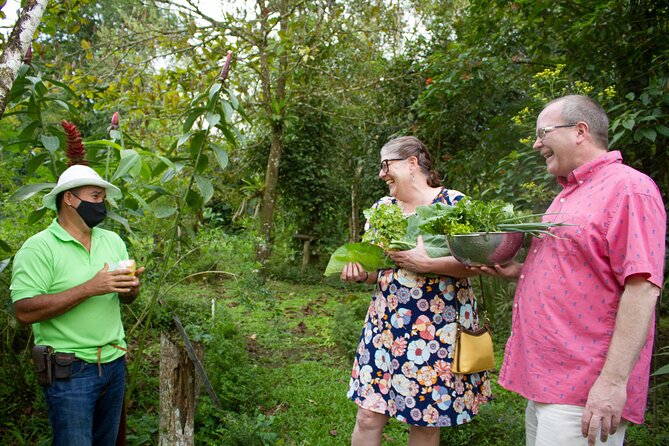
Once you arrive, the day flows in a natural way: you’re not dropped into a kitchen right away. Instead, you walk the orchard together and collect the fresh organic ingredients needed for dinner. This first leg matters because it sets the tone. You’re already tasting, smelling, and choosing before you cook, and that makes every step feel practical instead of theoretical.
A couple of small realities help you plan well. This is a farm path, not a boardwalk. Expect uneven ground, and if La Fortuna weather turns (it sometimes does), you’ll want a rain layer or poncho. Some visitors have been offered rain gear when weather shifted, but don’t count on it every time—bring your own just in case.
You can also read our reviews of more tours and experiences in La Fortuna.

The peasant pharmacy tour: medicinal plants, not just pretty gardens
After the orchard walk, the experience moves into their medicinal garden, often described as a peasant pharmacy. This is where the farm becomes more than produce. You’ll see plants used for different diseases, and you’ll hear how they’re grown and used.
What I like about this part is how it stays grounded. It’s not a lecture that floats above the dirt. You’re walking through living plants and learning what people do with them. That kind of context helps you connect the garden to everyday life, not just to food.
You may also get a chance to taste or sample some plants used in the garden. If you’re sensitive to strong flavors or unfamiliar herbs, this is the moment to mention it early to your host.
In terms of guides, you may meet hosts like Hubert/Huberth (often Hubert Sr and Hubert Jr), and some groups are guided by someone called Nano as well. Either way, the common thread is a personal, family-run approach where questions feel welcome rather than rushed.
Sugarcane juice with roots and garden herbs: the pre-dinner “aha”
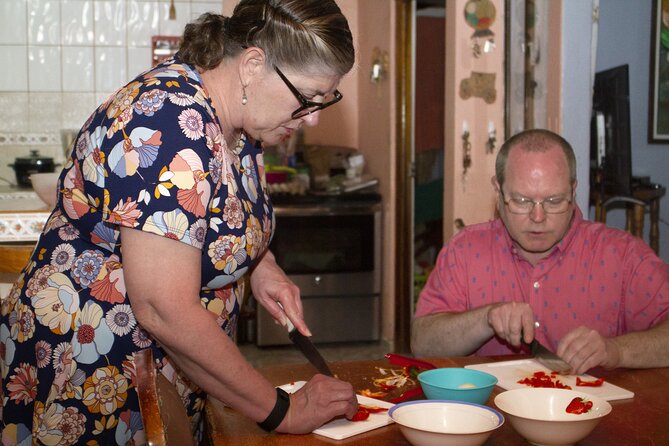
Next comes one of the most memorable steps: making sugarcane juice together. The experience includes a guided session where you collect and use some of the roots and plants from the garden tour, then blend or add them into the juice.
This is where you’ll understand why they spend time on medicinal plants. The flavors aren’t random. They’re tied to plants you just saw in the garden, and that link makes the drink feel like it belongs to the meal you’ll cook next.
In practice, you’ll likely see the hosts use herbs collected during the walk to flavor the juice. Some visitors also mention tasting sugarcane drinks mixed with herbs like ginger, lemongrass, turmeric, mint, and similar garden finds. Exact ingredients can vary based on what’s ready in the orchard and garden, but the format stays the same: collect, make the juice, and learn what goes into it.
If you’re thinking about alcohol, note that alcoholic beverages aren’t included. Also, if you’re driving or prefer to keep things light, you’ll still get plenty of flavor without needing anything else.
Hands-on Costa Rican cooking in the family kitchen
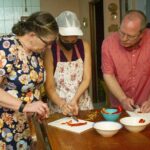
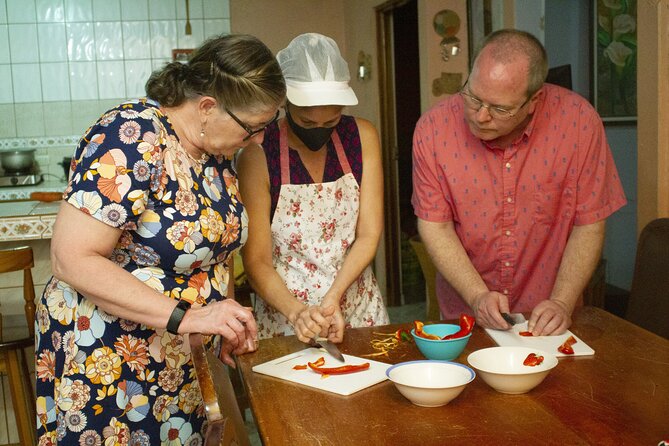
Once you have your ingredients ready, you go to the kitchen to prepare a typical Costa Rican dinner together. This part is truly hands-on. The experience is designed so you’re not only tasting while someone else cooks. You’ll learn how to cook alongside the family and participate in the preparation steps.
Many groups end up making a classic plate that can include items like chicken, rice, beans, a garden salad, and sides such as plantains. Desserts may appear too, depending on the day, and some visitors mention tasting homemade chocolate as part of the experience.
The best value of this section isn’t just that the food is good. It’s that you’re learning the flow: how ingredients are selected, how seasoning works, how tortillas fit into the meal, and how the components come together on a real schedule.
Tortillas you make with your own hands
Tortillas are a big deal here, and it’s one of the reasons this class feels different from a basic “cook with us” workshop. You’ll learn tortilla-making and have a chance to practice, with help from the host in the kitchen.
This isn’t about achieving restaurant-perfect rounds. It’s about learning the technique and gaining confidence. Once you’ve done it at least once, you’ll look at tortillas back home differently. They stop being a packaged item and start being something you can actually make.
If you’ve never cooked tortillas before, don’t worry. This experience is set up for beginners. The kitchen team helps you move from raw dough to cooked tortillas without leaving you flailing.



A quick word on dietary needs
This farm-and-family setup tends to work well for visitors with dietary preferences. Some guests report that the hosts made adjustments when they didn’t eat meat. Still, because the menu is based on what’s grown and prepared that day, you should communicate your needs early so your group isn’t forced into a mismatch.
Timing, duration, and what to do with the rest of your day
The class runs about 2 hours 30 minutes. That’s long enough to feel like an experience, not just a quick activity. You’ll have the farm walk, the medicinal garden segment, the sugarcane juice part, then cooking and sitting down to eat together.
Because you’re on-farm and active, plan the rest of your day with a bit of cushion. Afterward, you’ll likely want to relax. You’ll be eating a full typical Costa Rican meal (the listing wording includes lunch or dinner, depending on what you book), and you’ll probably leave with new ideas you’ll want time to process.
Also, this is popular. On average, it’s booked about 30 days in advance, so if your trip dates are firm, don’t wait until the last week to check availability.
Price and value: why $75 can feel like more than a meal
At $75 per person, this private experience sits in the “premium but practical” category for Costa Rica. What makes it worth it isn’t only the food. You’re paying for four things that usually cost more separately:
- A guided farm orchard walk with ingredient picking
- A guided medicinal plant garden with explanations
- A hands-on sugarcane juice session
- A real cooking workshop with tortilla making
You’re also eating dinner that your group helps prepare. The cost feels more justified when you compare it to tours that show you plants for 20 minutes, feed you something basic, and send you back on your own.
That said, this isn’t for people who want a rigid, high-tech class. If you prefer polished studio experiences, you might find this more rustic and family-driven. It’s also private, so you’re not sharing the work with strangers. That’s part of the value, but it can feel like a bigger commitment compared to a group cooking class.
Who this experience is best for (and who might want something else)
This is a strong match if you like:
- Food that comes with a story, starting in the garden
- Practical skills you can repeat later (tortillas, seasoning, simple cooking flow)
- Travel days that feel local and personal, not staged
- Families with kids who enjoy hands-on tasks and open conversation
It can also be a great choice for couples. The experience is intimate, and the table time tends to include conversation. Some visitors even mention special birthday moments and being treated warmly, including with young children, as long as the family is comfortable in a working-farm setting.
Who might look elsewhere? If you want a quick stop and a short meal, this may feel like more time than you planned. Also, if you’re very time-sensitive, remember it’s a schedule built around harvesting, walking, and cooking steps.
Quick practical checklist before you go
Here are the things that make your day go smoother, based on how this farm experience plays out:
- Wear shoes with grip for garden paths
- Pack a light rain layer or poncho for La Fortuna weather
- Bring a water bottle if you’re easily thirsty while walking
- Share dietary preferences ahead of time so your meal matches your needs
- Decide in advance if you want to drink or keep it fully non-alcoholic (alcohol isn’t included)
Should you book it? My take on when it’s a yes
If you’re in La Fortuna and you want something that feels truly Costa Rican beyond the usual sightseeing, I’d book this. The reason is simple: it turns dinner into a full circle. You pick food, learn about plants, make a pre-dinner drink, cook together, then sit down and eat what you made.
I’d especially say yes if tortillas are on your list of skills to learn, or if you enjoy food experiences where you’re part of the work. The medicinal plant tour adds a layer many cooking classes skip, and it helps you understand why the farm grows the way it does.
If you hate walking or you only want a short activity, consider your time. Otherwise, this one is the kind of experience that leaves you talking about more than the taste of the meal.
FAQ
How long is the private cooking class at the organic farm in La Fortuna?
It lasts about 2 hours 30 minutes.
Is this a private tour or shared with other people?
This is a private tour/activity. Only your group participates.
What does the price include?
The experience includes a guided farm tour, the cooking class, and the meal. Dinner is prepared by participants, and the tour includes a typical Costa Rican lunch or dinner depending on your booking.
What’s not included?
Private transportation and alcoholic beverages are not included.
What should I do about getting to the farm?
You’ll need to arrange your own transportation because private transport isn’t included. The meeting point is Paraiso Orgánico in Alajuela Province, La Fortuna, and the activity ends back there.
Are service animals allowed?
Yes, service animals are allowed.
What is the cancellation policy?
You can cancel for a full refund if you cancel at least 24 hours before the start time. Free cancellation applies up to 24 hours in advance, and changes inside that window aren’t accepted.