REVIEW · LA FORTUNA
Chocolate and Farm Tour with local Tico family
Book on Viator →Operated by Chocolate and Farm Tour · Bookable on Viator
Life is sweeter when cacao is farmed by locals.
In La Fortuna, this small chocolate and farm tour is personal and hands-on, not a rushed factory stop. I especially like that you walk a real cacao plantation with a Tico family and taste cacao fruit fresh from the farm; I also love the mix of traditional and modern cacao drinks, including a more ancient-style preparation you can actually compare with hot chocolate. One possible drawback: if your top goal is making chocolate bars, keep expectations flexible, because the experience is participative and may vary a bit.
You’ll get an easy, low-stress start—meet your guide about 25 minutes outside La Fortuna—and the whole tour runs about 2 hours, leaving your afternoon free. The price is $45, and for what you get (farm walk, raw cacao tasting, multiple cacao drinks, and chocolate making), it feels like solid value for a guided, family-run experience. The only thing to consider is that it is not a quick snack tour; it’s a walk-and-learn format, so comfortable shoes help.
In This Review
- Key Takeaways Before You Go
- What This Cacao and Farm Tour Is Really About
- Meeting Up Near La Fortuna Without the Headache
- The 2-Hour Plantation Walk: From Flower to Fruit
- Learning the Farm Logic (Not Just the Chocolate)
- Local Fruit, Real Tasting, and What to Expect From It
- Two Styles of Cacao Drinks: Traditional vs Hot Chocolate
- Hands-On Chocolate: Molding Bars and Picking Toppings
- Price and Value: Is $45 a Smart Spend?
- Who This Tour Fits Best
- Practical Tips So You Enjoy Every Minute
- Should You Book the Chocolate and Farm Tour?
- FAQ
- How long is the Chocolate and Farm Tour?
- Where do I meet for the tour?
- Is the tour small-group?
- What do we do during the cacao plantation portion?
- What food and drinks are included?
- Is there a chance to make chocolate bars?
- What is the price?
- How do I get the ticket?
- What is the cancellation policy?
- Is the tour accessible by public transportation, and are service animals allowed?
Key Takeaways Before You Go
- Small group (max 12) keeps the experience more personal and interactive.
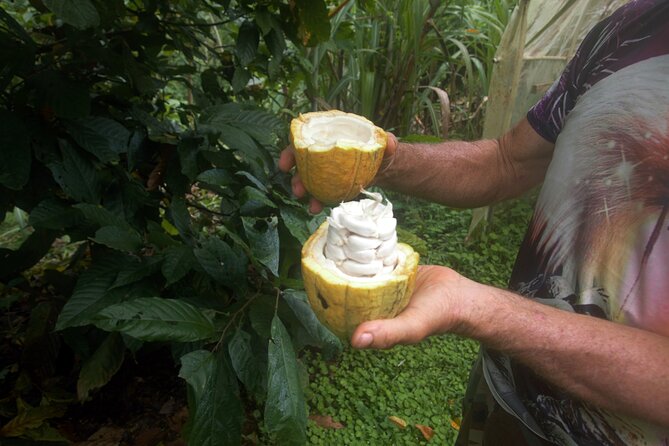
- Harvest-and-taste cacao fruit gives you a direct look at how cacao grows, not just how it’s packaged.
- Traditional vs modern cacao drinks lets you compare methods and flavors.
- Chocolate bar molding with toppings gives you something tangible to take home.
- Organic farming focus includes practical notes on how they manage fungus without harsh chemicals.
What This Cacao and Farm Tour Is Really About
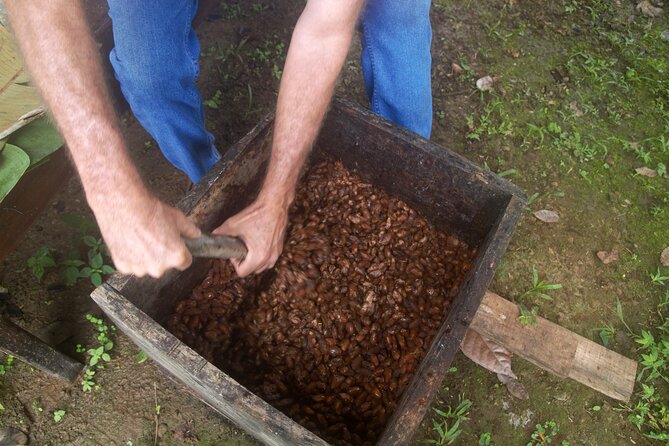
This isn’t just a chocolate tasting. It’s a way to understand cacao as a plant, a food, and a farm practice in Costa Rica—shared through a local family’s day-to-day work. You start on the plantation, move into tasting and drinking, then end by making your own chocolate in a hands-on style.
The best part is the pacing and tone. You’re not treated like a ticket number. You’re walking among what’s growing right now, and you’re learning why people here care about cacao—from the medicinal ideas you’ll hear to the way the fruit turns into drinks and sweets.
You’ll also enjoy that the tour format gives you a clean half-day plan. It’s about 2 hours, and after that, you’re free to do the rest of La Fortuna your way.
You can also read our reviews of more tours and experiences in La Fortuna.

Meeting Up Near La Fortuna Without the Headache
The tour start point is Finca La Esperanza: Coffee and Chocolate Tour, Cabaña Blue Jeans, San Juan, Provincia de Alajuela, San Isidro, Costa Rica. Practically, it’s set up so you can meet the guide at a spot about 25 minutes outside La Fortuna, which helps if you want to avoid complicated local navigation.
You’ll get confirmation at booking time, and the ticket is mobile. That’s useful in Costa Rica where you may not always want to juggle printed papers while you’re out exploring.
Timing matters here because cacao fruit and preparation steps are part of the experience. Wear shoes you’re happy to get a little dusty, and plan to arrive a bit early so you can settle in before the walk begins.
The 2-Hour Plantation Walk: From Flower to Fruit
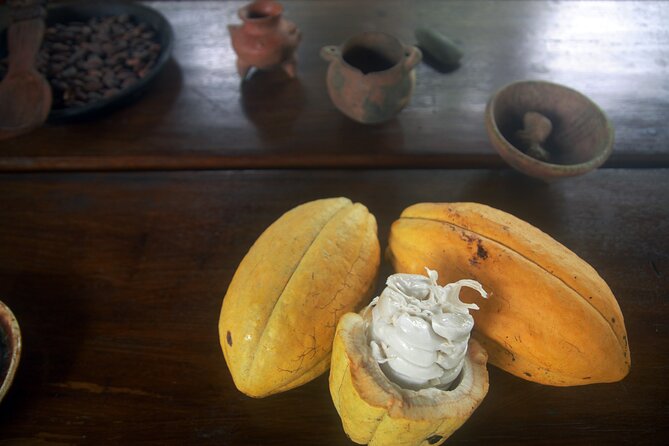
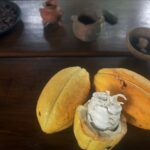
The walk through the cacao plantation is the heart of the experience. You’ll harvest and taste fresh cacao fruit as you go, with the guide explaining what you’re seeing and why it matters. One of the most interesting concepts you’ll hear is how cacao looks simple at first—tiny flowers turning into fruit—yet the plant has a complex role in the farm ecosystem.
This is also where you’ll get the “why cacao” story. The guide talks about cacao’s sacred place in local culture and includes medicinal properties. Even if you’re not buying into every health claim, you’ll still come away with a better understanding of how locals think about food as something that supports balance.
And tasting raw cacao fruit isn’t like tasting a candy bar. Expect it to be more like a fresh fruit experience—something you taste with curiosity rather than expecting sweetness the way you would from chocolate.
Learning the Farm Logic (Not Just the Chocolate)
What makes a family-run cacao tour worth your time is the farm logic. You’re not only learning how cacao is used; you’re learning how it’s grown and protected day to day.
In particular, you might notice the tour includes discussion of organic methods, including how they manage fungus. That kind of detail is practical. It helps you understand why cacao farms don’t operate like factories. They respond to living conditions—humidity, shade, soil health—and that affects what you taste.
I like tours like this because they explain the difference between chocolate as a product and cacao as an agricultural reality. You’ll leave knowing what questions to ask when you see cacao on menus later.
Local Fruit, Real Tasting, and What to Expect From It
Along with cacao fruit, you’ll have chances to taste local fruit during the farm portion. This is a nice balance: cacao is the star, but fruit tasting helps you get the wider picture of how a farm supports multiple crops.
Keep your expectations flexible. Farm fruit tasting is seasonal by nature. What you get will depend on what’s ripe and what the family is growing at that moment.
The snack portion is part of the learning, too. It reinforces that cacao isn’t happening in isolation. It’s part of a broader farming rhythm—food on the tree, food in the hands, food shared at the right time.



Two Styles of Cacao Drinks: Traditional vs Hot Chocolate
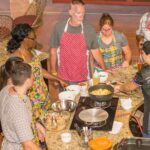
After the plantation walk, the tour shifts to drinks. You’ll prepare and drink cacao beverages using both more traditional and more modern approaches.
The tour description emphasizes something you’ll appreciate as a food nerd: cacao drinks were made differently long ago and even today for indigenous groups. Instead of the familiar hot chocolate style many people expect, you’ll try a preparation that’s closer to how cacao can be blended and served in a more ceremonial or traditional way.
Then you’ll make the sweeter hot chocolate style that many people in Costa Rica recognize. This is a great comparison format. You taste, you hear what’s different in the preparation, and you can decide which style you prefer.
If you’re sensitive to strong flavors, keep in mind that traditional cacao drinks can be more intense and less sugar-forward than commercial hot chocolate. I’d rather you go in curious than expecting dessert.
Hands-On Chocolate: Molding Bars and Picking Toppings
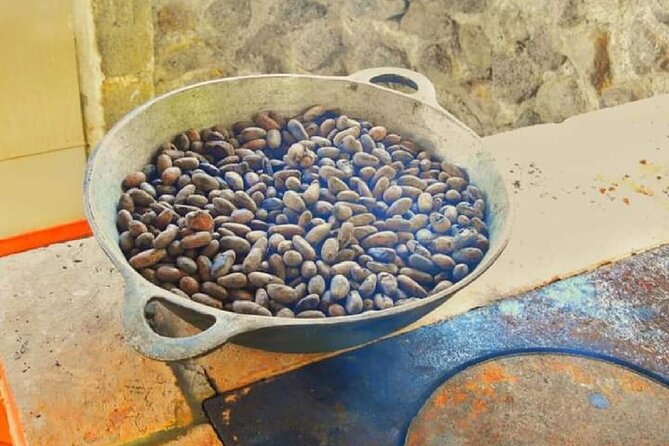
The finale is one of the most fun parts. Using cacao from their own production, you’ll mold chocolate bars so you can take them home. Toppings are available, and you can customize your bars in a simple chocolatier-style way.
This ending turns the tour from learning into memory. When you make something yourself, it’s easier to remember the taste and the story that went with it. It also gives you a practical souvenir that doesn’t just sit in a bag.
One note to consider: the experience is described as participative, and one account mentioned not getting to make chocolate bars. If that’s a deal-breaker for you, ask about how the bar-molding step is handled for your specific group when you book.
Either way, even if your bar-making moment is brief, the tasting and drink preparation will still anchor the experience.
Price and Value: Is $45 a Smart Spend?
At $45 for about 2 hours, this tour lands in a reasonable range for a guided, small-group, family-run cacao experience. What makes it feel like good value is the number of components included: plantation walk, fresh cacao fruit tasting, local fruit, cacao drinks in more than one style, and chocolate making.
You’re also buying access to something many bigger tours skip: the farm context and the comparison between preparation styles. That’s the “value” part. You’re not just buying chocolate. You’re buying understanding.
And since the tour ends back at the meeting point and the rest of your day is free, you can pair it with other La Fortuna activities without feeling like you lost an entire day.
Who This Tour Fits Best
This is a great match if you want a less crowded experience and you like hands-on learning. With a maximum group size of 12, you’ll have a better chance of asking questions and getting real answers.
It’s also a strong fit for food lovers who like context. If you’re the type who notices ingredients and wants to understand how something transforms from plant to drink to chocolate, you’ll get a lot out of the cacao fruit and the two drink styles.
If you’re traveling with kids, this could work well if they enjoy tasting and walking—just keep the raw tasting expectations in mind. For anyone who dislikes walks, you might find the plantation part a bit more active than expected, even though the overall duration is short.
Practical Tips So You Enjoy Every Minute
Bring closed-toe shoes. You’ll walk on a farm, and comfort matters more than style.
Wear light layers. Plantation temperatures can shift, and you may spend time outdoors.
If you’re aiming for the chocolate bar-making step, arrive ready and pay attention at the start so you’re ready when they move into that part of the experience.
And don’t treat the cacao tasting like a race. Taste slowly. Ask questions about what you’re seeing in the farm. The guide’s explanations about medicinal properties and the plant’s role are part of the payoff.
Should You Book the Chocolate and Farm Tour?
I’d book it if you want a real family cacao experience with a smart mix of farm learning and food you can taste and take home. The small-group size, the plantation walk, the chance to compare traditional and modern cacao drinks, and the interactive chocolate molding make it more than a standard chocolate tour.
Skip it only if you’re looking for a polished, highly scripted show or you’re mainly interested in packaged chocolate shopping. This is about cacao as a living farm product, and the walk-and-taste format is central.
If you want an afternoon plan that feels local and leaves you with both knowledge and chocolate, this one is an easy yes.
FAQ
How long is the Chocolate and Farm Tour?
It runs for about 2 hours (approximately).
Where do I meet for the tour?
You meet at Finca La Esperanza: Coffee and Chocolate Tour, Cabaña Blue Jeans, San Juan, Provincia de Alajuela, San Isidro, Costa Rica, and you’ll meet your guide about 25 minutes outside La Fortuna.
Is the tour small-group?
Yes. It has a maximum of 12 travelers.
What do we do during the cacao plantation portion?
You walk through the cacao plantation to harvest and taste fresh cacao fruit, and you also see how cacao develops from flowers to fruit.
What food and drinks are included?
You taste local fruit, prepare and drink cacao drinks (including a traditional-style cacao drink and a sweet hot chocolate), and you get to make and take home chocolate bars.
Is there a chance to make chocolate bars?
The experience includes molding chocolate bars with toppings, but it’s participative, so you may want to confirm the exact flow when you book.
What is the price?
The price is $45.
How do I get the ticket?
You receive a mobile ticket.
What is the cancellation policy?
You can cancel for free up to 24 hours in advance of the experience start time for a full refund.
Is the tour accessible by public transportation, and are service animals allowed?
Yes. It’s near public transportation, and service animals are allowed.