REVIEW · TENERIFE
Playa de las Américas: Private or Small-Group Surf Lesson
Book on GetYourGuide →Operated by KONTRAOLA SURF SCHOOL · Bookable on GetYourGuide
First-time surfing clicks fast here. In Playa de las Américas, Tenerife, a 2-hour session with Kontraola Surf School gives you full gear and hands-on coaching so you can focus on catching waves instead of figuring out equipment. The main catch is logistics: there’s no hotel pickup, so you’ll need to get to the Kontraola office on your own.
What I really like is the lesson flow. You start with fundamentals on shore, then head straight into the water at low tide, when conditions are safer and there’s more space to practice standing up. Expect a workout, but the instruction is built for first-timers, and many students mention getting their first real wave within the lesson window.
In This Review
- Key things that make this surf lesson work
- Playa de las Américas: A real beginner beach for Tenerife surfing
- Kontraola check-in and tide-based timing
- 20 minutes of theory that saves you stress in the water
- Sand basics first: learning to stand before you even get cold
- In the water: what a 2-hour beginner session feels like
- Instructors and safety: why patience is the real skill here
- Gear and amenities: what’s included and why it matters
- Private vs small group: how to choose your coaching style
- Who should book this lesson (and who should skip it)
- Price and value: what $41 buys you in Tenerife
- What to bring so your lesson runs smoothly
- Should you book this surf lesson in Playa de las Américas?
- FAQ
- Where do I check in for the surf lesson?
- How long is the lesson?
- What’s included in the price?
- Do I need to bring a towel or swimwear?
- When do you surf during the day?
- Can kids join a group lesson with adults?
- Who is this lesson not suitable for?
- Is there free cancellation and can I pay later?
Key things that make this surf lesson work
- Low-tide sessions for safer conditions and more room to practice
- 20 minutes of theory that helps you understand paddling and wave choice fast
- Sand-to-water coaching so you’re not guessing once you’re in the sea
- Named-instructor energy matters here, with instructors like Alejandro, Victoria, Pablo, Nigel, and Sebastián often credited for patient, motivating teaching
- Clean facilities on-site: lockers plus showers with shampoo or gel
- Private or small groups available if you want extra attention
Playa de las Américas: A real beginner beach for Tenerife surfing
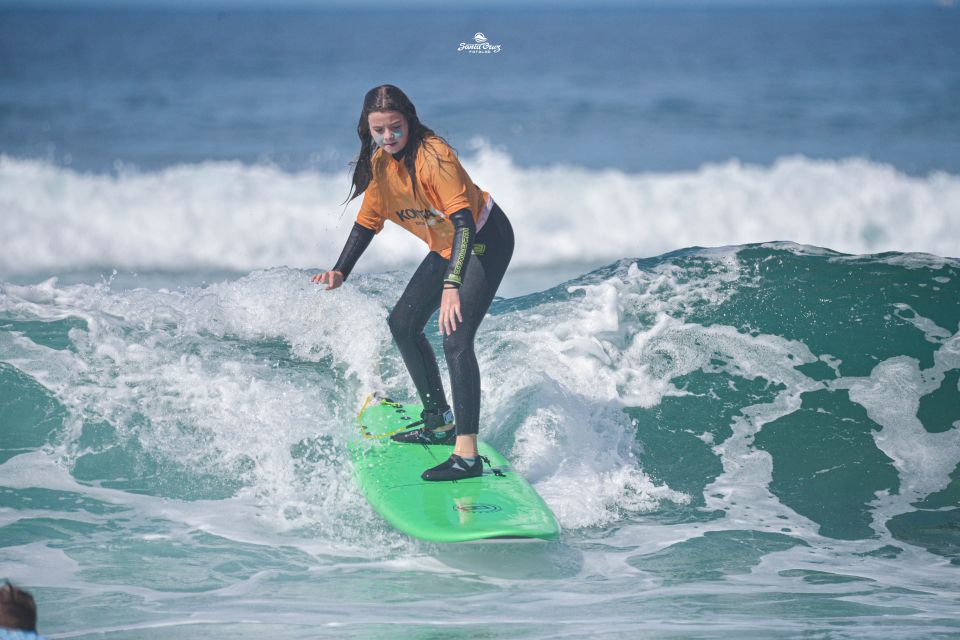
Playa de las Américas is busy, yes. But that’s exactly why it works for a first surf lesson: you’re in a practiced surfing zone where schools know the rhythms of the water and can match you with conditions that suit beginners.
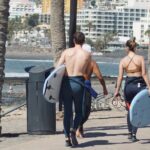
This lesson is also positioned for convenience. You’re taught at the beach in front of Kontraola, meaning you’re only a short walk from your gear and ready to get moving quickly. For me, that matters because surf days can eat time when you’re constantly relocating.
The biggest practical upside is that the surf school aims you at workable conditions. Low tide is part of the plan, which typically means less chaos and fewer moments where you’re fighting for control before you even start.
You can also read our reviews of more tours and experiences in Tenerife.


Kontraola check-in and tide-based timing
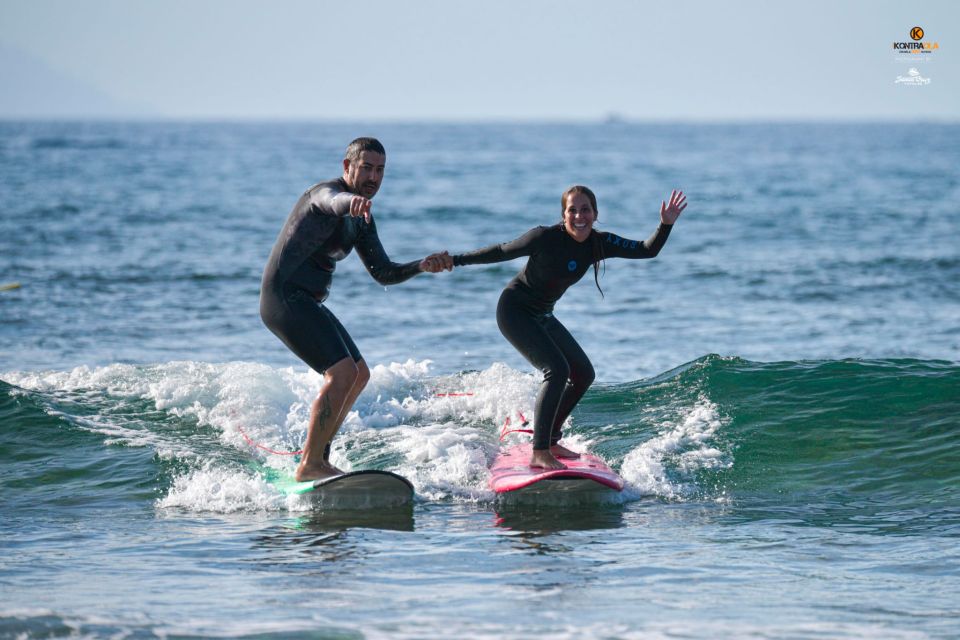
You check in at Kontraola Surf School in Playa de las Américas. Staff will guide you from the office to the beach right in front of the school, where your equipment is waiting.
One detail to take seriously: the start time depends on the tide. The provider reconfirms the timing before your lesson so you hit conditions that are safer for learning. Translation: don’t plan a tight schedule right after your session unless you like running.
Also, there’s no hotel pickup or drop-off included. If you’re staying outside easy walking distance, you’ll want to sort transport ahead of time so the lesson doesn’t become a scramble.
20 minutes of theory that saves you stress in the water
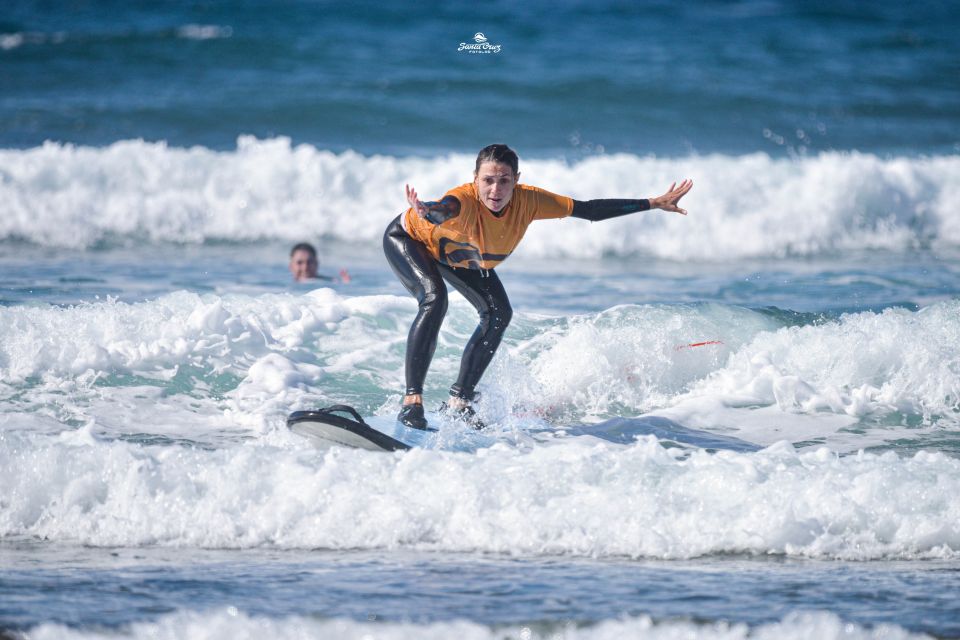
You get a theoretical lesson that lasts about 20 minutes. This isn’t just “facts and vibes.” The goal is to set you up with the basics you need to make progress before you waste energy in the wrong direction.
From the way instructors are described, the best lessons start with the same core ideas: paddling timing, how to position yourself, and what to do when you’re not catching the wave. You’ll also get direction on wave selection, which is huge for beginners. Picking the wrong wave is how you turn a fun first attempt into a frustrating one.
For many first-timers, the theory portion feels short. That’s by design. You’re learning just enough to act on it immediately, then you move to the sand basics and into the sea.
Sand basics first: learning to stand before you even get cold
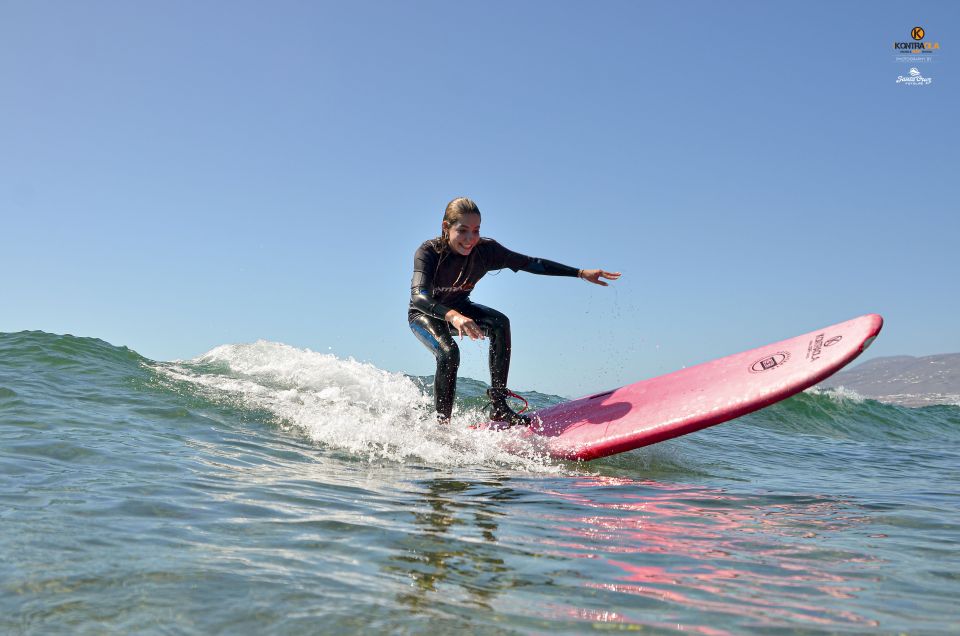
The lesson usually begins on shore. You’ll learn the mechanics of popping up and balancing on the board, plus how to read what’s happening around you.
This is where instructors like Alejandro, Victoria, and Nigel show up repeatedly in student stories: they’re not just pointing. They’re correcting. Students describe being shown which waves to take and getting a push when needed to gain speed, then getting tips on mistakes right away.
That “sand first” approach is the practical difference between trying and learning. If you have a clean stance and a workable paddle rhythm, you spend less time falling in the same exact way and more time actually standing.
In the water: what a 2-hour beginner session feels like
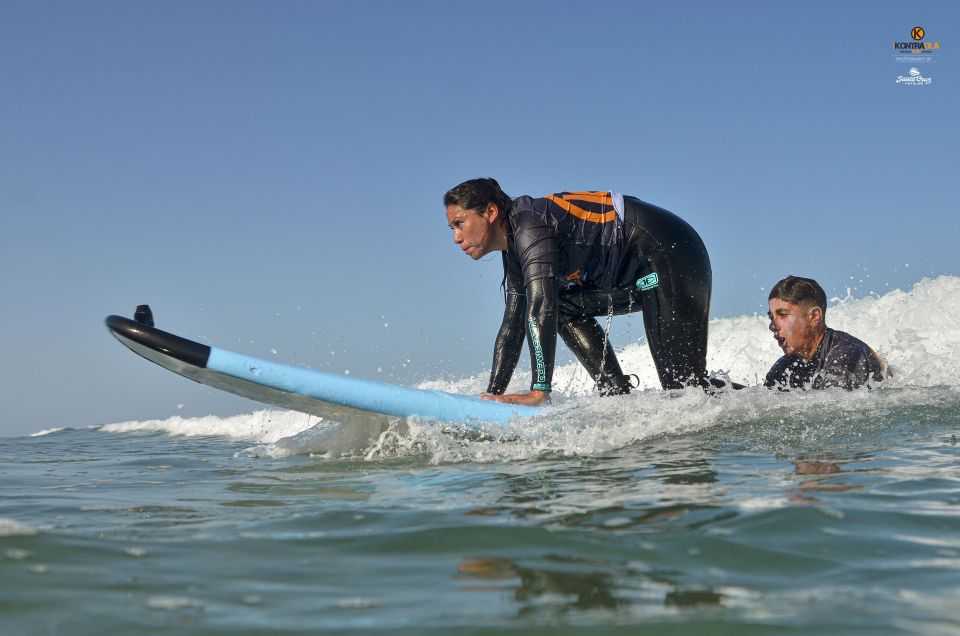
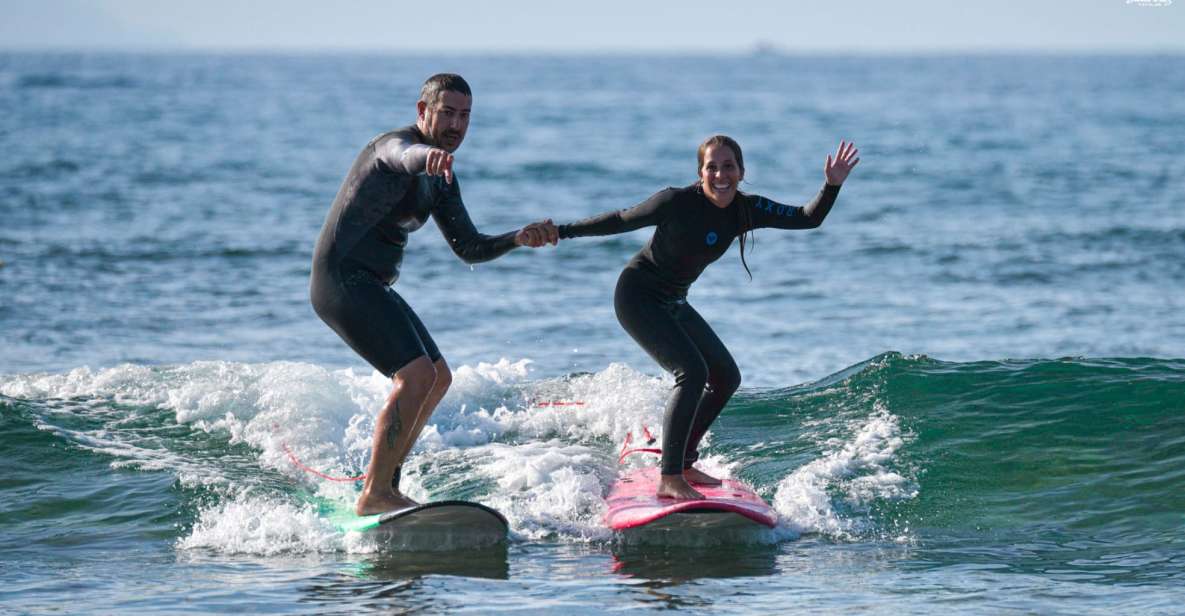
Once you’re in the water, the lesson becomes a rhythm of try, feedback, adjust. Low tide is part of the reason the school uses this timing: it’s meant to give beginners more room and safer practice conditions.
You won’t be sprinting for every minute, because the coaching takes time. You also do technique work while others wait for their turn. That’s normal. If you’re hoping for a nonstop water sesh, adjust expectations: some first-timers note the session feels shorter in the water than they assumed, largely because teaching takes time.
The upside is that you’re not doing it alone. Coaches are positioned to guide you on when to paddle, which waves make sense, and how to gain speed. One-on-one attention matters, especially if you’re anxious about getting out there.
And yes, you’ll work. Surfing is physically demanding even when you’re learning basics. Plan for sore legs and arms, and for the kind of tired that makes a shower feel like a reward.



Instructors and safety: why patience is the real skill here
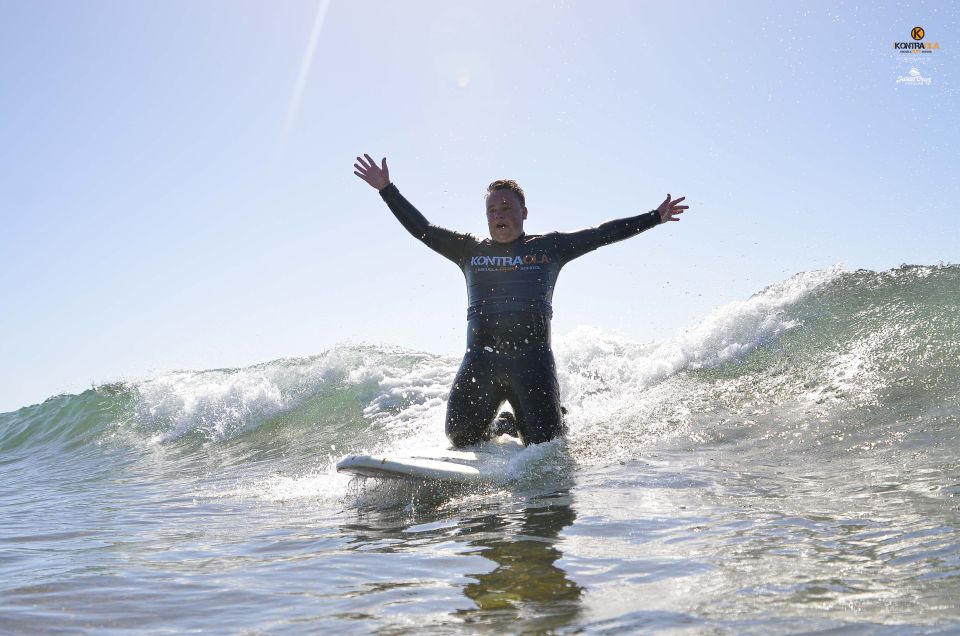
The surf school’s reputation centers on instruction style. In student accounts, instructors are repeatedly described as friendly, encouraging, and focused on getting each person up rather than rushing the group.
You’ll hear names like Alejandro, Victoria (Vicky), Pablo, Nigel, Sebastián, and Jose tied to clear guidance and constant correction. The consistent theme is support: instructors watch what you’re doing, then help you fix what’s stopping you from standing.
Safety is also built into how the lesson is run. The activity happens at low tide for better learning conditions, and the gear setup is designed to help you move confidently.
One more real-world caution: the coastline can be tricky underfoot. One student specifically flagged slippery stones underwater and recommended being careful when stepping. Reef boots help, but you still need to watch your footing during entry and exit.
Gear and amenities: what’s included and why it matters
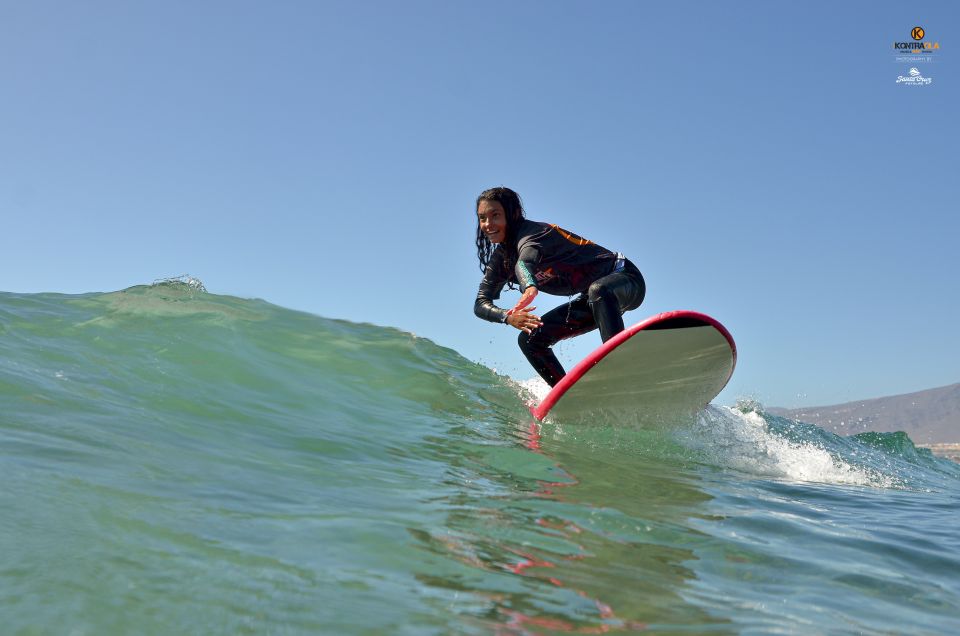
This lesson includes the key surf essentials:
- surfboard
- wetsuit
- reef boots
- lycra
Getting the full kit matters more than it sounds. Reef boots protect your feet on entry and exit, especially if there are rocks or uneven ground near the waterline. A wetsuit helps you stay comfortable long enough to learn without your attention shutting down from cold.
You also get accident insurance. That’s not something you’ll think about during your first pop-up moment, but it’s part of why a certified, official instructor setup is reassuring.
On land, you get the amenities that turn “sport day” into a smooth day:
- lockers
- toilets
- showers with shampoo or gel
If you’ve ever tried to wash salt off with a paper towel and hope, you’ll appreciate the showers. It keeps the whole experience from ending with that crunchy, sticky feeling.
Private vs small group: how to choose your coaching style
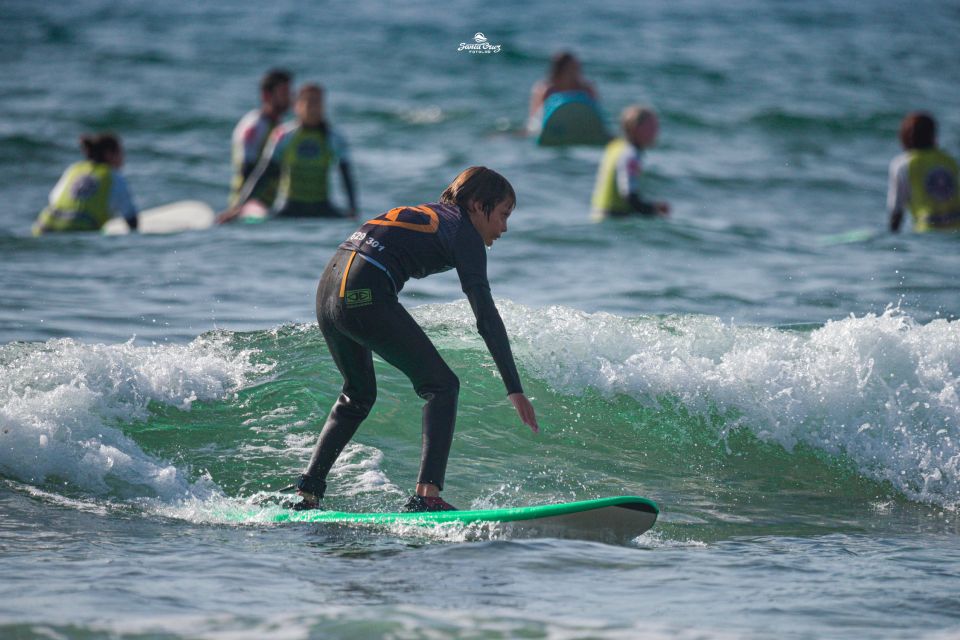
This is offered as private or small-group surfing. If you’re the type who learns better with direct cues, private lessons are usually the faster path to confidence. In student stories, private instruction is often praised for making a real difference for first-timers.
Small groups can still be great. You’re not stuck watching other people all session; it’s still coached. But your attention is naturally shared a bit, so you’ll want to be comfortable taking instruction in bursts.
Also, keep the child policy in mind. Children under 13 must book private lessons and can’t share a group lesson with other adults. That’s an important factor if you’re traveling as a mixed-age group.
Who should book this lesson (and who should skip it)
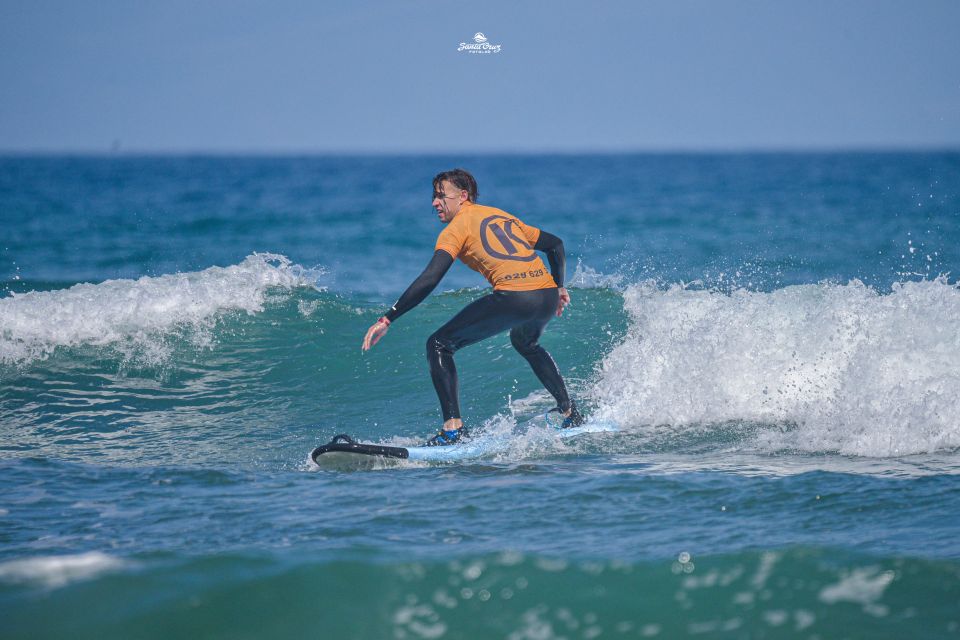
This surf lesson is aimed at beginners. The overall lesson design and the low-tide approach fit people who want a first wave experience without guessing everything on their own.
It’s not suitable for:
- pregnant women
- non-swimmers
- people over 75
If you’re anxious about the ocean, that’s common. What helps is structured instruction, clear wave selection, and coaches who correct you quickly. Many learners describe leaving happier and more confident specifically because the coaching keeps them from spiraling.
Also, surf is physically demanding. You don’t need to be an athlete, but you do need to be ready for effort. If you’re coming off a long flight and you’re not feeling steady on your body, consider that you’ll use your arms and core a lot.
Price and value: what $41 buys you in Tenerife
At about $41 per person for a 2-hour lesson, this is priced in a way that feels realistic for Tenerife. The value comes from what’s included, not just the word “lesson.”
You’re getting:
- a certified and official instructor
- accident insurance
- full gear (board, wetsuit, reef boots, lycra)
- lockers, toilets, and showers with shampoo/gel
- a 20-minute theoretical lesson
What you’re not getting is the easiest-to-skip part: hotel pickup. That doesn’t make the price worse, but it does mean you should budget for transport time and cost to reach the Kontraola office.
For first-timers, value usually equals progress per hour. This format is built for that. You’re taught fundamentals, you practice standing, and you get feedback while you’re still in “learn mode.”
What to bring so your lesson runs smoothly
Bring:
- passport or ID card
- swimwear
- towel
That’s it for the essentials. The school provides the rest of the surf gear. Still, don’t underestimate the towel. After a saltwater session, a towel can save you from a soggy, cold walk back to your day.
If you’re prone to forgetting things, double-check your ID before leaving. It’s one of the few items the checklist specifically calls out.
Should you book this surf lesson in Playa de las Américas?
I’d book it if you want a structured first surfing experience in Tenerife with gear handled for you and coaching that focuses on getting you standing. The low-tide plan, the sand-to-water teaching flow, and the strong pattern of supportive instructors make it a solid choice for beginners.
Skip it if you’re traveling only for a casual splash and you’re not ready for a real physical workout. Also skip if any of the listed non-suitability factors apply.
Finally, if you’re deciding between private and small group, choose private when you want maximum attention and fastest confidence-building. Choose small group when you’re comfortable learning with others nearby and you just want the basics done right.
FAQ
Where do I check in for the surf lesson?
Check in with staff at the Kontraola – Tenerife Surf School office in Playa de las Américas. They will show you to the beach in front of the school where your equipment is waiting.
How long is the lesson?
The lesson duration is 2 hours.
What’s included in the price?
It includes a certified surfing instructor, surf gear (surfboard, wetsuit, reef boots, lycra), accident insurance, lockers/toilets/showers with shampoo or gel, and a theoretical lesson of about 20 minutes.
Do I need to bring a towel or swimwear?
Yes. You should bring swimwear and a towel, plus a passport or ID card.
When do you surf during the day?
Surfing happens at low tide when conditions are safer for learning. The supplier reconfirms the starting time depending on the tide.
Can kids join a group lesson with adults?
If your child is under 13, they must book a private lesson. They cannot share a group lesson with other adults.
Who is this lesson not suitable for?
It’s not suitable for pregnant women, non-swimmers, and people over 75.
Is there free cancellation and can I pay later?
Free cancellation is available up to 24 hours in advance for a full refund. You can also reserve now and pay later, meaning you pay nothing today.