REVIEW · TENERIFE
Mojo Workshop Cooking Class in Ancient Canarian Village
Book on GetYourGuide →Operated by Casa Carmen · Bookable on GetYourGuide
Mojo is more than sauce.
In Chirche, a historical village in South Tenerife, you’ll learn to make traditional mojos with Chef Ave and taste them right where local rural life still feels real. What makes this workshop fun is that it’s not just chopping and mixing: you get entertaining story time about where the flavors come from, along with a practical, step-by-step approach using a mortar and pestle.
I also love the setup for real conversation. With a small group (max 8) and English instruction, you can ask questions and actually follow along. One drawback to consider: transport isn’t included, and Chirche isn’t the easiest place to drive through, so plan your timing (or use the optional pick-up from the South-Tenerife area).
In This Review
- Key takeaways before you go
- Chirche’s old village kitchen: where this mojo class feels different
- Meet Chef Ave and Erik: the duo behind your red-and-green mojo
- Making mojo the classic way: mortar-and-pestle skills you’ll use again
- The tasting lineup and the food pairing that makes it a meal
- Why the stories are part of the flavor (not extra filler)
- Price and value: how $34 works for what you get
- Logistics that actually affect your day
- Who this mojo workshop fits best (and who should skip it)
- Should you book the Mojo Workshop at Casa Carmen?
- FAQ
- Where is the meeting point?
- How long is the cooking class?
- What’s the price per person?
- Does the class include tasting and food?
- Is transport included?
- Who teaches the workshop, and is it in English?
- What group size should I expect?
- Is there a cancellation policy?
- Is it suitable for wheelchair users or babies?
Key takeaways before you go
- Chirche’s old terrace fields and threshing grounds give the class a real sense of place
- Chef Ave + Erik combine cooking instruction with story-driven food origins
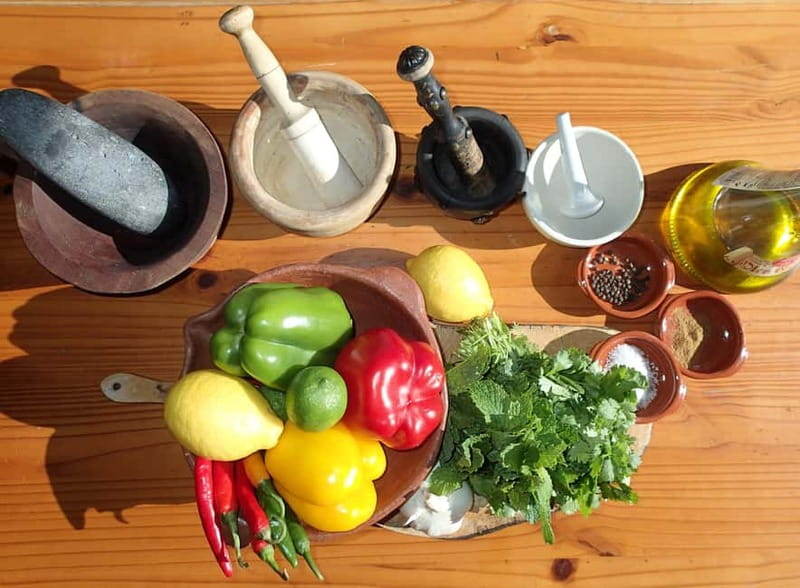
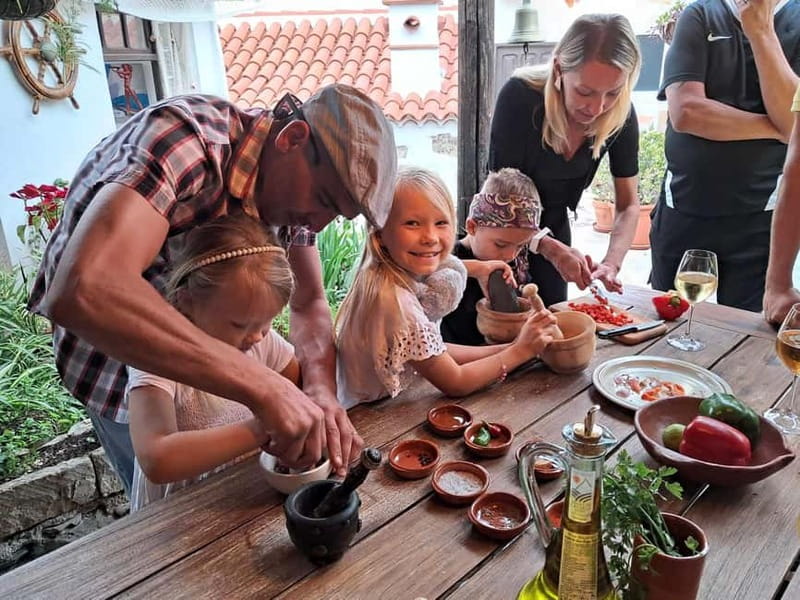
- Hands-on mojo making with a mortar and pestle keeps it active, not watch-and-wait
- Food pairing that goes beyond bread: local potatoes, tapas-style snacks, and drinks
- Small group pace means you get personal attention in a 2-hour window
Chirche’s old village kitchen: where this mojo class feels different
Casa Carmen is the kind of meeting point you’ll remember. The address is Casa Carmen, C/ San Felipe, Nº 18, 38688 Chirche, and once you arrive, the setting does a lot of the work for you. Chirche is a historical Canarian village, with visible ancient terrace fields and threshing grounds, so the workshop doesn’t feel like a staged “tour kitchen.” It feels like a home base for local food culture.
This matters because mojos are part of daily eating here, not just a souvenir flavor. When you’re in a village that looks like it’s been farming the same way for ages, the sauce story becomes easier to believe. You’ll understand why these sauces are built for real meals: sturdy, shareable, and meant to go with what’s grown nearby.
Also, the tone is relaxed. People show up, roll up sleeves, and the hosts guide you through the process without rushing. It’s the opposite of a factory-tour cooking class.
You can also read our reviews of more tours and experiences in Tenerife.



Meet Chef Ave and Erik: the duo behind your red-and-green mojo
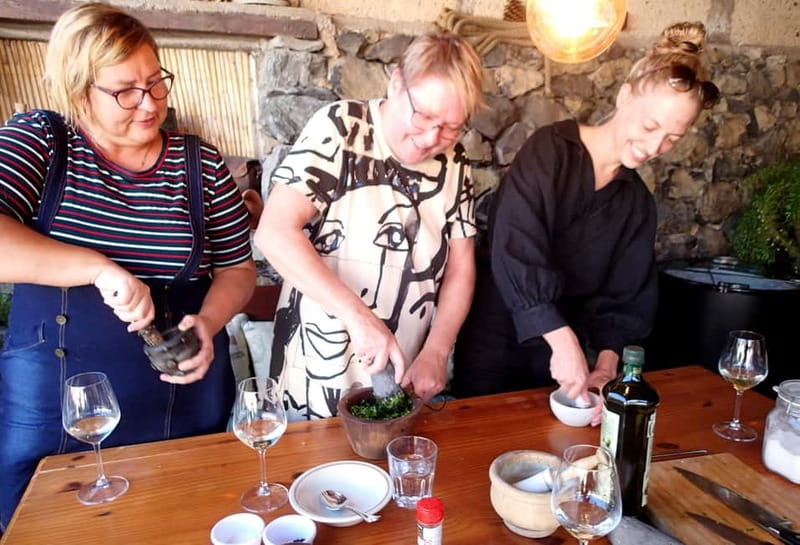
The class instructor is Chef Ave, described as an experienced chef de cuisine with cruise-line background. In plain terms: she knows how to teach people who don’t cook for a living. You’re not dropped into chaos. You get clear direction, hands-on instruction, and the chance to build your mojo step by step.
Then there’s Erik, who handles a lot of the entertaining storytelling. Expect food origins and Canarian context alongside the cooking. This isn’t dry history. It’s the kind of explanation that helps you connect taste to place—why certain flavors show up, how local traditions shaped what ends up in a sauce, and how people actually eat in Tenerife.
The workshop runs in English, and the group is limited to 8 participants. That small size changes everything. You can keep up without feeling like you’re being timed, and you’ll have more chances to ask questions than you would in a big class.
One extra detail that adds warmth: multiple people note the hosts’ cat named Morris. If he wanders near, treat it like a tiny bonus greeter.
Making mojo the classic way: mortar-and-pestle skills you’ll use again
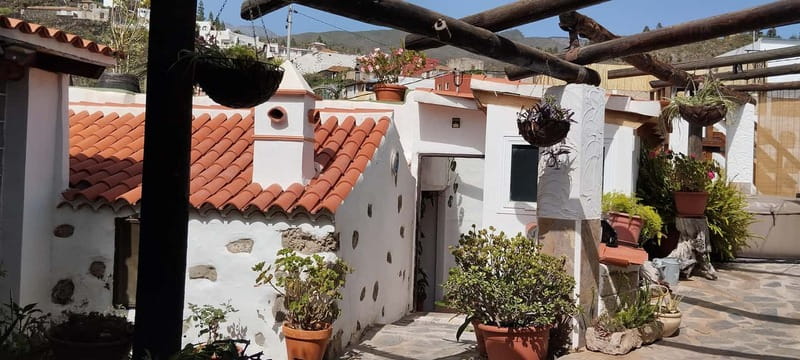
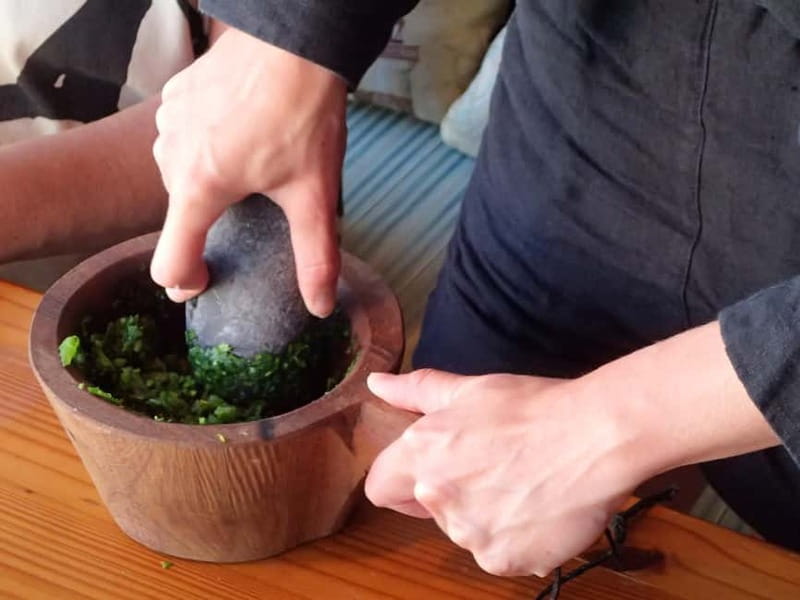
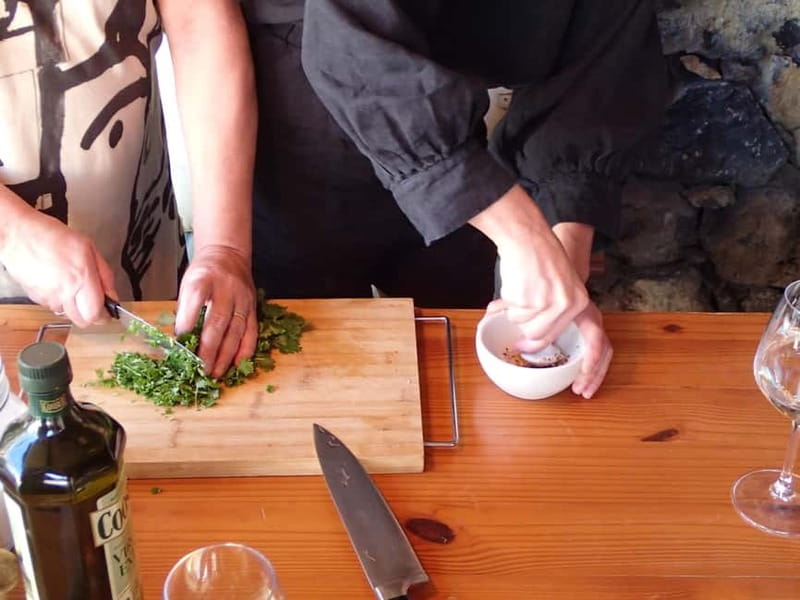
You’ll spend the workshop creating traditional mojos using local, fresh ingredients. The key method here is manual: you’ll use a mortar and pestle. That may sound old-school (it is), but it’s also why the class works. Grinding and mixing by hand helps you feel texture changes as they happen.
A lot of guests come expecting to learn the basics and leave with a usable recipe. You do leave with that sense of how mojo is made, because you’re not just tasting; you’re doing. Some groups specifically mention preparing both red and green mojo, and either way the focus stays consistent: learn the sauce, understand the role it plays, then taste it with what the island brings to the table.
What I like about the hands-on approach is that it makes you pay attention. Instead of asking what to order later, you’re learning how to build flavor. That’s the kind of skill you can repeat at home when you want a quick sauce that tastes like you paid attention to ingredients.
The tasting lineup and the food pairing that makes it a meal
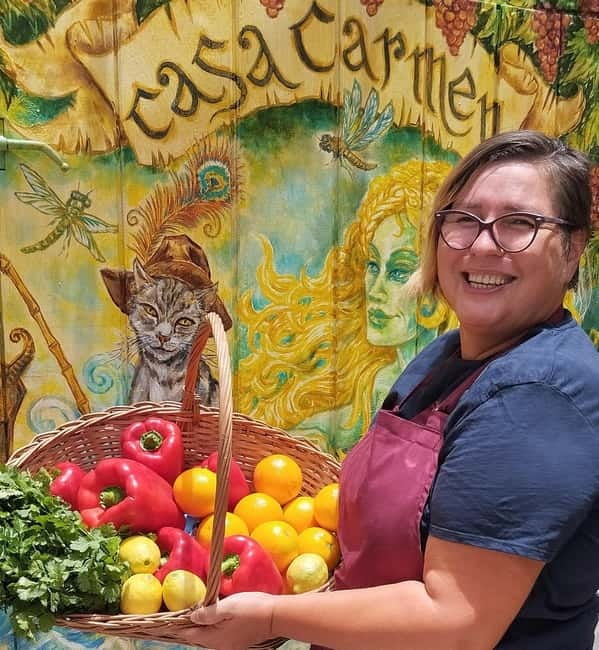
The event includes a tasting experience plus food pairing, and you don’t just get a couple bites. People describe getting a meal-like spread that goes beyond the sauce.
Here’s what you can reasonably expect based on what’s described:
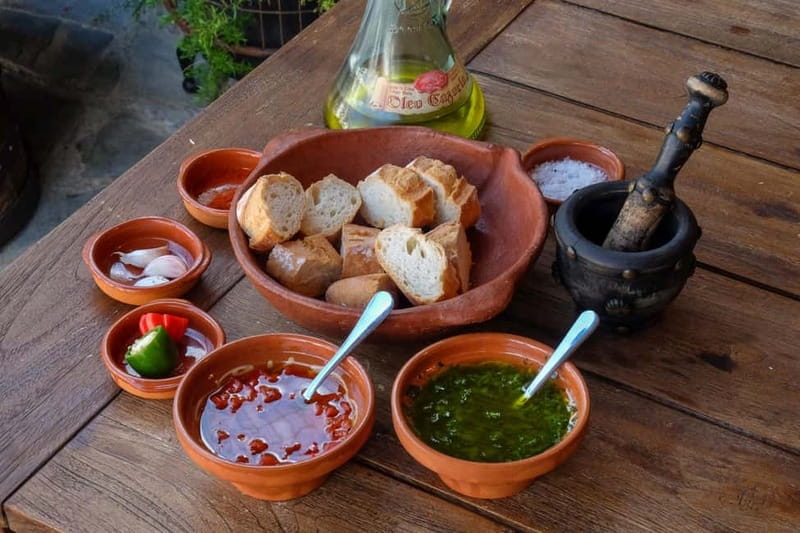
- Your mojos paired with bread
- Real Canarian potatoes (not generic fries energy)
- Tapas-style snacks alongside the sauces
- Drinks such as wine, beer, and lemongrass lemonade
- Refreshments during the workshop
One review-style point that’s especially useful for planning: several people mention it can feel like a full lunch experience by the end. In other words, don’t schedule something heavy right after expecting to find your energy bar in your hotel.
This is where the pairing part shines. Mojos are bold and specific, and tasting them with the right side makes the sauce logic click. Potatoes act like a neutral base, so you notice the sauce’s character fast. Then the tapas snacks add variety, so you can understand how mojos show up across a meal, not just as a single dip.
Why the stories are part of the flavor (not extra filler)
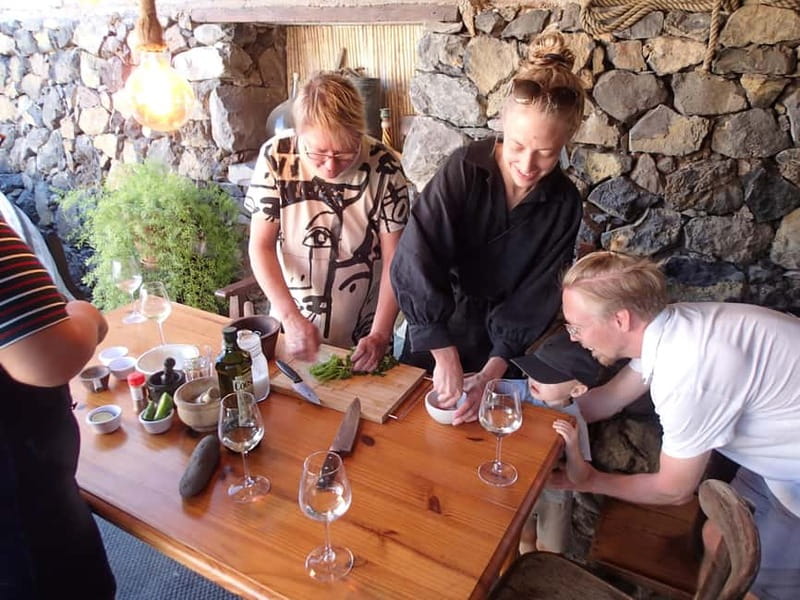
This is one of those rare food experiences where the talk actually helps your eating. The hosts share entertaining stories about the origin of the foods, and you’ll also hear about island traditions and rural life.
When you’re making a sauce, it’s easy to treat it like a recipe math problem. Stories flip that. They explain why certain methods and ingredients show up in Canarian cooking and how local food habits connect to the island’s farming and daily routines.
You’ll feel that most in the contrast: you’re in a village with old terrace fields, then you’re learning about how the foods you taste became part of normal life. That link turns a 2-hour class into a memory with meaning.
And yes, it’s fun. People consistently mention Erik as an engaging story teller, and the vibe stays friendly rather than formal. The goal seems to be: make you leave with both a sauce and an understanding of how it fits into Tenerife.




Price and value: how $34 works for what you get
At $34 per person for a 2-hour experience, this workshop isn’t priced like a souvenir meal. You’re paying for three real things:
1) Guided cooking with hands-on participation
2) A tasting that feels like an actual food plan, not sample-size bites
3) English storytelling tied to ingredients and local culture
Also, the small group size matters for value. Max 8 means more attention, more pacing that fits normal humans, and less “stand in a corner watching someone else work.”
The main cost trade-off is time and logistics. Transport isn’t included, and getting to Chirche may take extra thought if you’re driving. If you’re basing yourself in South Tenerife, the optional pick-up can reduce stress. If you’re staying elsewhere, it may be smart to plan your day around this as the anchor activity.
Logistics that actually affect your day
Duration: 2 hours.
Language: English.
Group size: up to 8.
Not included: transport.
You’ll meet at Casa Carmen in Chirche. The operator says they’ll email detailed driving instructions and (optionally) coordinate transport from the South-Tenerife area. So if you’re unsure about the route, ask early and give yourself buffer time. One thing to know: Chirche is described as not the easiest place to drive through. That doesn’t make it a problem. It just means you’ll want a calm schedule.
Food-wise, you’ll be covered. The workshop includes refreshments, tasting, and pairing, so you don’t need to hunt for lunch right afterward.
Who this mojo workshop fits best (and who should skip it)
This is a great choice if you want a local-food experience that isn’t locked behind a restaurant menu. It fits especially well for:
- First-time cooking class people who still want hands-on instruction
- Families with kids who can sit and participate (some families mention children around school age having a great time)
- Food lovers who care about why flavors exist, not just how to order them
- Anyone who likes authentic village settings over big tourist stops
It’s not a great fit if you have mobility limitations. It’s listed as not suitable for people with mobility impairments or wheelchair users. Also, it’s not suitable for babies under 1 year.
If you fall into either of those groups, it’s worth looking for another Tenerife activity with easier access.
Should you book the Mojo Workshop at Casa Carmen?
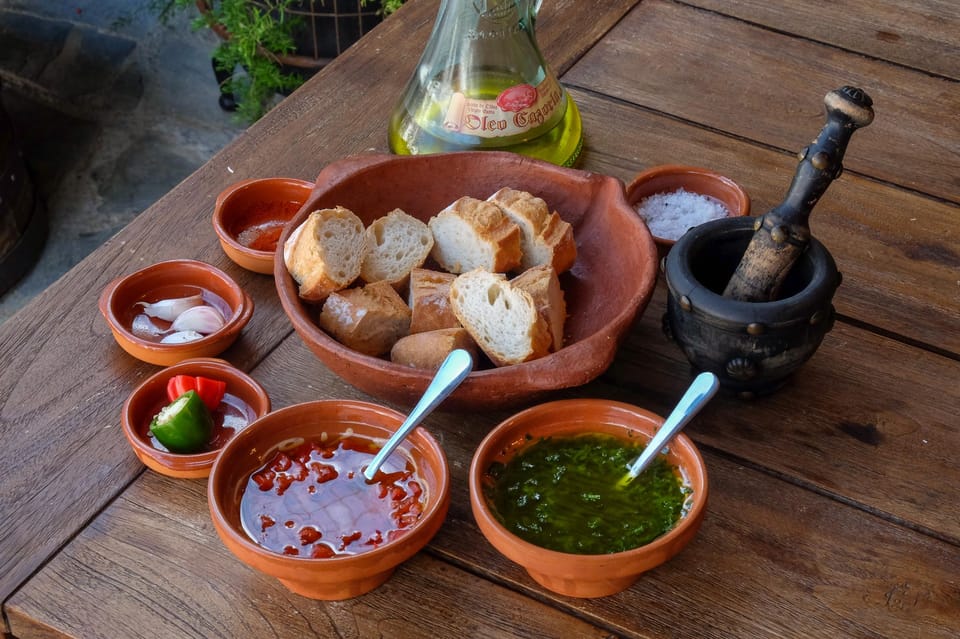
I’d book it if you want a Tenerife experience that’s small, real, and practical. For the price, you’re getting more than a cooking demonstration: you’re making mojo with your own hands, then eating it as part of a true Canarian-style spread. Add Erik’s story approach and Chef Ave’s guided cooking, and you get a mix that’s hard to find in a 2-hour slot.
Skip it only if you’re expecting the workshop to include transport or if Chirche driving would stress you out. Otherwise, this is exactly the kind of local food activity that improves how you taste the rest of the island.
If I were planning a short stay in South Tenerife, I’d schedule this as one of the main events—then build the rest of the day around it.
FAQ
Where is the meeting point?
The meeting point is Casa Carmen, C/ San Felipe, Nº 18, 38688 Chirche, South Tenerife.
How long is the cooking class?
The experience runs for 2 hours.
What’s the price per person?
It’s $34 per person.
Does the class include tasting and food?
Yes. The experience includes tasting, food pairing, storytelling, and refreshments along with the cooking class.
Is transport included?
No, transport isn’t included. There is optional pick-up service available from the South-Tenerife area.
Who teaches the workshop, and is it in English?
The instructor is Chef Ave, and the workshop is in English.
What group size should I expect?
It’s a small group, limited to 8 participants.
Is there a cancellation policy?
Yes. You can cancel up to 24 hours in advance for a full refund.
Is it suitable for wheelchair users or babies?
No. It’s not suitable for people with mobility impairments or wheelchair users, and it’s not suitable for babies under 1 year.