REVIEW · MALLORCA
Mallorca: Discover Scuba Diving from the boat
Book on Viator →Operated by Avispa Labs S.L. · Bookable on Viator
You’re one step from breathing underwater in Mallorca. This Discover Scuba experience from a boat turns first-timers into confident beginners with two structured sessions and all gear provided. I like the small-group setup and how you get hands-on theory plus technique tips before you ever head in.
The one thing to weigh is equipment risk. One past participant raised concerns about gear not feeling reliable for the price during a first attempt, so you’ll want to do a quick personal check and speak up right away if anything feels off.
In This Review
- Key takeaways before you book
- Why this Mallorca boat-based try-scuba is such a good first step
- The 2:00 pm start at Big Blue (Palmanova)
- What you learn on land before you ever go underwater
- Boat time: heading out for the underwater session
- Water Session 1: shallow water for real confidence
- Water Session 2: up to 12 meters, based on comfort and conditions
- Gear, insurance, and what you’re really paying for
- Who this experience fits best (and who should reconsider)
- Key timing and aftercare: why the flight rule matters
- Weather dependence: what happens if conditions aren’t right
- Should you book Big Blue’s Discover Scuba try-out?
- FAQ
- How long is the Discover Scuba experience from the boat?
- What time does it start and where do I meet?
- Is prior scuba experience required?
- What is the maximum depth for the second underwater session?
- What are the age and ability requirements?
- What’s included in the price?
- Are there snacks included?
- When can I fly after the experience?
- How many people are in the group?
Key takeaways before you book
- Two coached underwater sessions: start shallow, then go deeper only if you’re comfortable and conditions allow.
- All scuba gear included: you don’t have to buy anything just to try it.
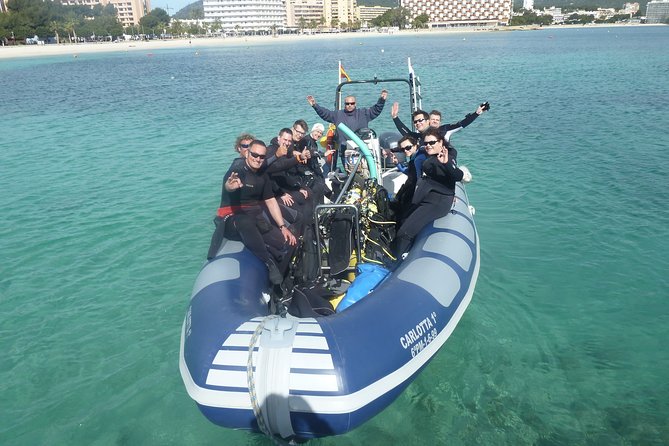
- Limited group size: maximum 6 travelers, so you’re not lost in a crowd.
- No certification outcome: it’s a try-it experience, not a training course that grants qualifications.
- Boat-based launch from Palmanova: you meet near public transportation and start at 2:00 pm.
Why this Mallorca boat-based try-scuba is such a good first step
Mallorca can be a great place to try scuba because the experience is guided and practical, not theoretical theater. This program is designed specifically for people with no prior certification, but it still takes safety and technique seriously from the start.
What I like most is the two-stage format. You don’t jump straight into the hard part. You learn the basics first, then you build comfort in shallow water before anything deeper is even on the table. That structure is the difference between a fun novelty and an experience where you can actually control what’s happening.
The other big win is value. For about $290.25, you’re getting gear, instruction, two underwater sessions, and insurance—so you’re not paying extra for equipment rental or “maybe someone will help you” coaching. That matters when you’re trying something new and don’t yet know what you’ll need.
You can also read our reviews of more tours and experiences in Mallorca.



The 2:00 pm start at Big Blue (Palmanova)
Your afternoon starts at the meeting point in Palmanova at 2:00 pm. It’s on Carrer Martín Ros García, 6, and it’s described as near public transportation, which is handy if you’re staying in the area without a car.
Expect the day to move at a friendly but efficient pace. You’ll get your briefing, then you’ll head to the dive area by boat. Because the full program is about 4 hours, you don’t have to plan an entire day around it like you would for multi-day training.
One small tip: go into this with a “listen first” mindset. The better you absorb the instructions before you get suited up, the easier it becomes to relax once you’re on the boat and then in the water.
What you learn on land before you ever go underwater
Before you board the boat, you’ll receive basic theory and technique coaching. The program calls it “simple basic theoretical training,” and in practice that usually means you’ll cover the core ideas you need to breathe comfortably and stay in control.
Even if you’ve never used scuba gear, the briefing is the moment to ask questions. This is where you’ll learn the purpose of the main parts of the system, how to think about breathing while using equipment, and how to move safely in the water.
I also like that this is not a long course. It’s focused on readiness. You’re not paying for hours of classroom learning that you’ll forget on day one. You get enough theory to help you have a smooth first experience, then you immediately apply it.
Boat time: heading out for the underwater session
After the land briefing, you travel by boat to your underwater site. This is part of what makes the experience feel special—going out from shore changes the whole feel of the water, and it’s a big part of why Mallorca is popular for scuba try-outs.
Because the schedule is about 4 hours total, you’re not spending half the day just traveling. The boat ride is there to get you to good conditions and a suitable area for beginners, then you get on with the sessions.
What to do on the boat? Bring that calm “ready but not tense” energy. If you’re prone to motion sickness, that’s your cue to plan accordingly, because you’ll be on water before you gear up.
Water Session 1: shallow water for real confidence
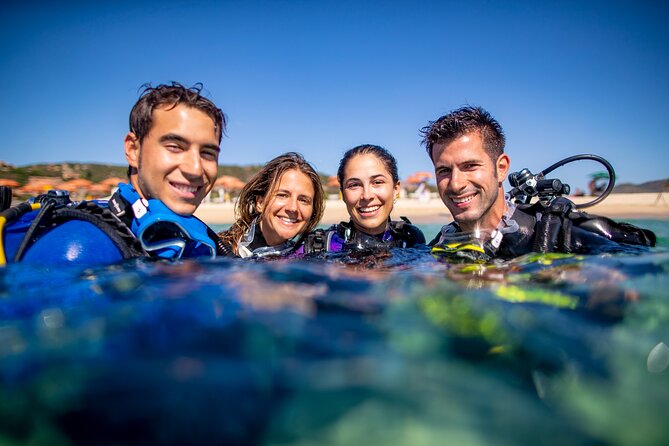
Your first underwater session takes place in shallow water. That’s exactly what you want for a first attempt. Shallow means you can focus on equipment behavior and basic skills without feeling like you’re far from the surface.
This is where you familiarize yourself with the scuba equipment and do basic exercises. The value here is huge: you’re learning the feel of the gear, how it changes your buoyancy, and how your breathing rhythm works with the regulator.
This is also where instructors can correct small things fast. If your mask position feels wrong or your equipment setup needs tiny adjustments, shallow water is the best place for that kind of fixing. The whole point is to make the second session safer and less stressful.
If you’re the nervous type, Session 1 is your win. It gives your brain proof that you can do it without panic.



Water Session 2: up to 12 meters, based on comfort and conditions
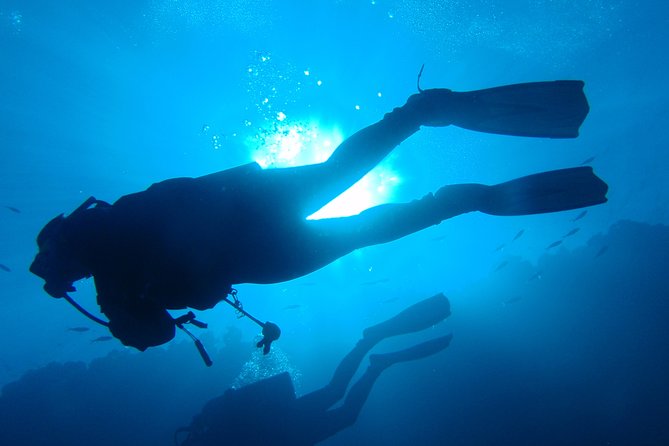
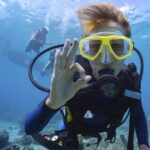
After the first session, you may do a second underwater session. It depends on your comfort and the day’s conditions, and the maximum depth is stated as 12 meters.
That “based on comfort” detail is worth appreciating. It means the experience isn’t just a one-size-fits-all checklist. If you take your time in Session 1, you improve your chances of enjoying Session 2 in a relaxed way.
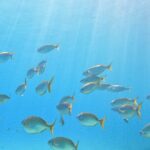
Also, 12 meters is deep enough to feel like you’re truly underwater, but it’s still within the beginner-friendly range for this kind of program. You get the payoff—more space, more sensation, and more of the underwater world—without turning the day into a technical challenge.
A practical note from a caution in previous feedback: one participant had concerns about equipment reliability for the price, especially during a first attempt. That doesn’t mean you should assume the gear will fail. It does mean you should treat the gear check as part of your responsibility.
When you’re handed equipment, take a minute to confirm it feels right. If anything doesn’t fit well or seems off, say so immediately before you commit to the first entry.
Gear, insurance, and what you’re really paying for
The price covers the essentials: scuba equipment, diving insurance, and basic theory before the sessions. That’s not just convenient. It’s cost-smart.
Trying scuba can get expensive when you have to add rentals, instruction, and insurance separately. Here, those pieces are bundled. For $290.25, you’re paying for a guided, safe try-out with the gear handling already sorted for you.
The insurance piece matters for first-timers. Accidents are rare, but they’re not impossible. Having the included coverage gives you peace of mind when you’re doing something new and physical.
Snacks are not included, so plan to eat before you go. If you skip food and you’re excited (or nervous), you’ll feel it more once you’re on a boat and in gear.
Who this experience fits best (and who should reconsider)
This is designed for non-certified participants and it includes people with no prior experience. The only requirements listed are minimum age 10 years, good health, adequate swimming skills, and moderate physical fitness level.
So who should book it?
- You want a guided scuba try-out with structured teaching rather than a loose “good luck” approach.
- You’re comfortable in water and can swim at a basic level for some time.
- You don’t want to buy equipment yet and just want to see if scuba is your thing.
Who should reconsider?
- If you have health concerns that affect breathing, equalization, or general fitness, ask a medical professional first. The program does require good health.
- If you’re extremely prone to motion sickness, plan carefully since you’ll travel by boat before entering the water.
- If you’re expecting a certification course, temper expectations. This experience does not lead to certification.
Key timing and aftercare: why the flight rule matters
This program is about 4 hours total, starting at 2:00 pm. After you participate, you should not fly for at least 24 hours. That rule is part of the safety logic around scuba exposure and pressure changes.
Don’t treat that as “just a policy.” If you’re planning travel later the same day, build in a buffer. The easiest win is scheduling something low-stress after your session—think local food and a slow evening, not airports.
Weather dependence: what happens if conditions aren’t right
This experience requires good weather. If it’s canceled due to poor weather, you’ll be offered another date or receive a full refund. That’s a practical sign the operator is prioritizing safe conditions rather than forcing the plan.
In real life, weather in Mallorca can change quickly. So if you book during a period when storms are more likely, keep your expectations flexible.
Should you book Big Blue’s Discover Scuba try-out?
If you want the easiest, most coached introduction to scuba in Mallorca, I’d say it’s a strong bet. The format is beginner-friendly: theory on land, then shallow water first, then a second session only if you’re comfortable, with a maximum depth of 12 meters.
I’d book it if you like structure, want all gear provided, and prefer a small group (maximum 6). It’s also a good choice if you’re curious but not ready to commit to your own equipment.
I’d pause or double-check your expectations if the idea of gear reliability makes you uneasy. One past participant flagged equipment concerns for the cost. That doesn’t automatically mean you’ll have problems, but it does mean you should take the gear fitting seriously on the day. Confirm everything feels right before entry.
If you’re on the fence, choose this kind of experience when you have time for a calm afternoon, a willingness to listen, and a bit of swimming confidence. You’ll likely leave with the big question answered: can you handle scuba comfortably? And if the answer is yes, you’ll be in a great position to decide on real training next.
FAQ
How long is the Discover Scuba experience from the boat?
The total duration is approximately 4 hours.
What time does it start and where do I meet?
It starts at 2:00 pm at Big Blue (Carrer Martín Ros García, 6, 07181 Palmanova, Illes Balears, Spain). The activity ends back at the meeting point.
Is prior scuba experience required?
No prior experience is necessary.
What is the maximum depth for the second underwater session?
The second underwater session can reach a maximum depth of 12 meters, depending on your comfort and the conditions.
What are the age and ability requirements?
Minimum age is 10 years. You need good health and adequate swimming skills, and travelers should have a moderate physical fitness level.
What’s included in the price?
Included: scuba equipment, diving insurance, and simple basic theoretical training before the sessions.
Are there snacks included?
No, snacks are not included.
When can I fly after the experience?
After participation, you should not fly for at least 24 hours.
How many people are in the group?
The activity will have a maximum of 6 travelers.