REVIEW · MALLORCA
Mallorca: Discover Scuba Diving from the beach
Book on Viator →Operated by Avispa Labs S.L. · Bookable on Viator
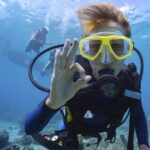
Your first underwater breath starts on a beach. In Mallorca’s Palmanova, this intro program turns sandy steps into a controlled change of pace: a short theory bit, shallow-water skills, then an instructor-led swim down to about 2–3 meters. I love the patient, hands-on instruction (I’ve heard it delivered by guides like Tony, Raul, Tim, Mateus, and Liliane), and I also love how it’s set up for comfort, with full gear and calm safety coaching from start to finish.
One thing to keep in mind: this is a beginner try, not a certification course, and the shallow depth means the sea life you see may be simple and close-up rather than a big reef show.
In This Review
- Key highlights before you go
- From Palmanova beach to 2–3 meters: the real flow of the session
- The training part: how shallow water makes first-timers feel safe
- Your instructor at arm’s length (and why group size matters)
- The underwater part: what you’ll realistically see at 2–3 meters
- Gear, insurance, and the practical stuff that makes or breaks it
- About “no certification”: good for trying, not for credentials
- Language: mostly English, but names you may hear on the day
- Accessibility and who this is best for
- Price and value: does $120.68 make sense?
- Weather, timing, and the one rule that affects your whole day
- The best way to get a great experience
- Should you book this Mallorca beach first try?
- FAQ
- How long is the Mallorca beach scuba experience?
- Where does the activity start?
- How deep will I go?
- Is this a certification course?
- What’s included in the price?
- Is there food included?
- What language is the experience offered in?
- Do I need to avoid flying after the activity?
Key highlights before you go
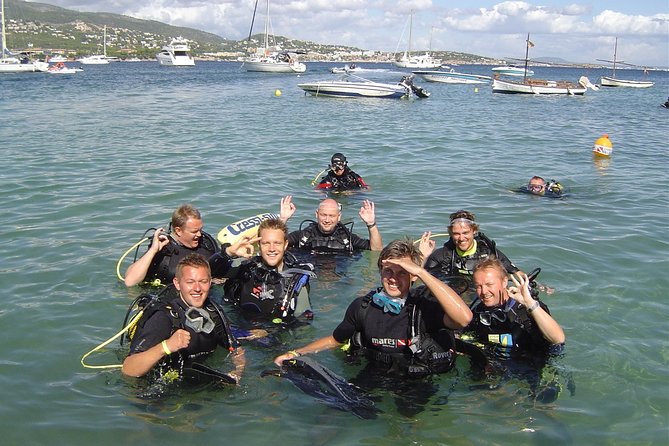
- Max 8 people keeps this feeling personal instead of crowded.
- Beach start in Palmanova means you’re not hunting for a boat or a long transfer.
- 2–3 meters only makes the experience manageable for first-timers.
- Short theory + shallow-water training helps you build confidence before you go down.
- Gear + diving insurance included reduces the guesswork (and the extra costs).
- Beginner photo limits: instructors can’t take underwater photos for beginners for safety reasons.
From Palmanova beach to 2–3 meters: the real flow of the session
This is a roughly 2-hour, from-the-beach first scuba try in Mallorca, based out of Big Blue Diving in Palmanova (Carrer Martín Ros García, 6). The meeting point is easy to find and it’s near public transportation, which matters if you’re building your day around other things on the island.
The day’s structure is straightforward and that’s good. You start with a short introduction—enough to understand how the gear works and what to expect. Then you move straight into shallow water training, where you practice the basic motions and breathing while you’re still close to the surface. Only after that do you head to the bottom of the setup area at around 2 to 3 meters, staying in the zone that’s meant for first-timers.
Why I like this pacing: it avoids the classic first-time problem—fear that comes from being rushed. Here, you get time to learn, then you get time to do it again with an instructor right there.
You can also read our reviews of more tours and experiences in Mallorca.



The training part: how shallow water makes first-timers feel safe
The heart of this experience is the shallow-water training (listed as “XL – Shallow water training”). That wording isn’t marketing fluff. It points to the actual goal: help you get comfortable with scuba basics before you commit to being fully underwater.
In plain terms, you’ll do the practical setup steps and drills right at the beach. If you’ve never worn scuba gear, the biggest hurdle is usually not the water—it’s the gear itself. You need to understand what it feels like, how breathing should sound and feel, and what to do if something feels off.
The vibe from guides like Tony and Raul is often described as thorough and step-by-step. Tim gets praised for being attentive and helpful, and Mateus is noted for being patient when first-timers found the experience challenging. Liliane also comes up for keeping close presence both on land and in the water if you need help.
A likely outcome: once you’ve practiced in shallow water, the deeper part feels less like a jump and more like a continuation.
Your instructor at arm’s length (and why group size matters)
You’ll be with a certified instructor the whole time, and the group is capped at 8 travelers. That small number is a big deal in a hands-on activity like this, because it keeps attention from getting spread too thin.
You’re told what to do, you try it, and you’re corrected in the moment. Several reviews highlight instructors checking in regularly and taking their time when someone is having trouble. That matters because scuba isn’t about bravery; it’s about doing the right steps at the right time.
There’s also a real-world expectation to set: you shouldn’t expect to be left alone with your thoughts. This is supervised for safety, and that supervision is also why some extras—like underwater photos for beginners—aren’t part of the deal.
The underwater part: what you’ll realistically see at 2–3 meters
Let’s talk expectations honestly, because this is where people either love it or feel let down.
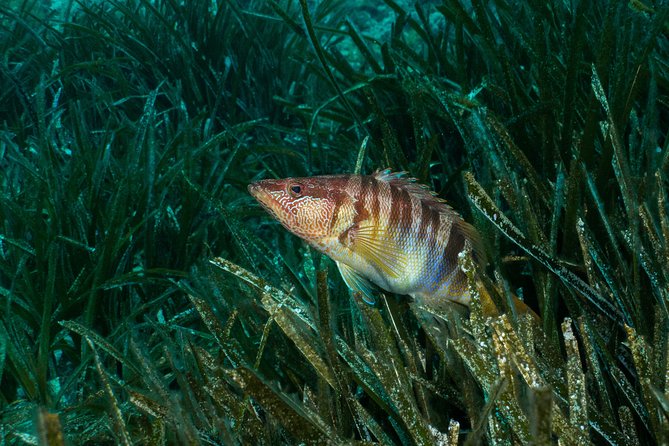
At 2–3 meters, you’re close to the surface. That means conditions are often calmer and easier to manage for first-timers. It also means your “tourist highlight” is usually sea life that’s common near the shallows, not far-off, dramatic reef scenery.
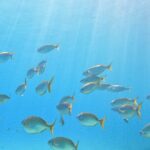
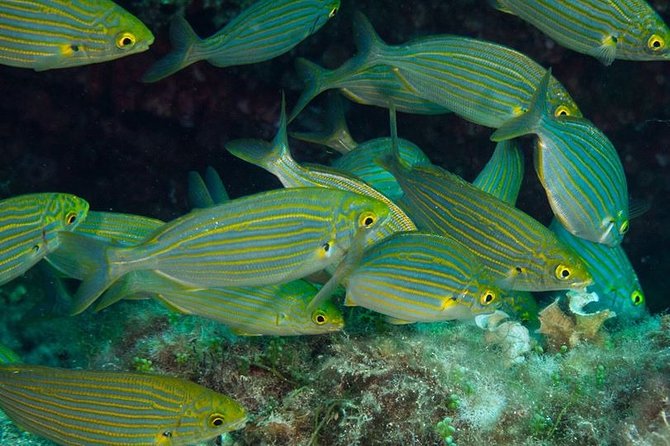
From the experience details and feedback, you should anticipate things like fish, and in some cases you might spot creatures such as sea cucumbers, starfish, sea urchins, crabs, or even a tiny octopus if conditions and timing line up. One comment even notes you may see a limited set of creatures—things like fish and sea life close by—rather than a full-on underwater show.
So if your goal is to check the scuba box safely and see real marine life up close, this works well. If your dream is hours of spectacular deep-water biodiversity, you’ll likely want a different kind of scuba outing later.
Gear, insurance, and the practical stuff that makes or breaks it
The listing includes scuba equipment, plus diving insurance. That’s real value for a first try because it removes a bunch of annoying logistics. You don’t have to rent the right items, guess sizes, or wonder whether you’re missing a piece.
Reviews also mention a good setup experience—people felt the equipment was safe and that they were guided on how to use it. There’s also mention of lockers provided, which you’ll appreciate because you don’t want to juggle your phone and wallet while you’re in and out of the water.
One small but important consideration: snacks aren’t included. Two hours is usually manageable without food, but if you’re prone to hangry, bring a quick bite before you go. (If you’re doing this before lunch in Palma or in town, it’s worth planning.)





About “no certification”: good for trying, not for credentials
This program is not a certification course. You’re not finishing with a formal diving credential. That’s explicitly stated, and it’s the right way to think about it.
Instead, treat it like a structured, supervised taste of scuba. You’ll learn enough to understand what it feels like and how the basics work under guidance. If you decide you want to keep going after this, this experience can be your confidence-builder—then you can choose a training path that’s designed for earning credentials.
Language: mostly English, but names you may hear on the day
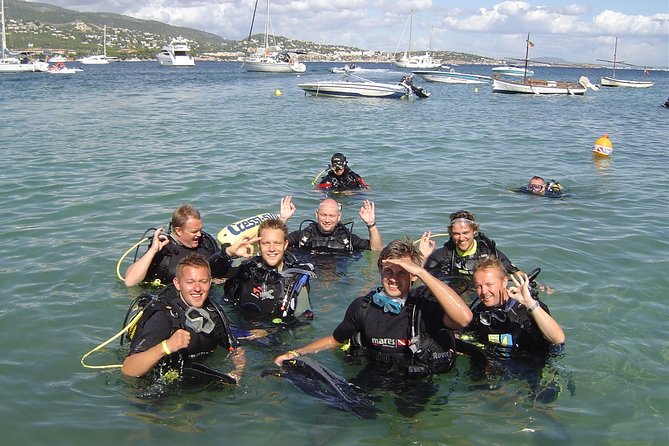
The experience is offered in English, and the group is small. That’s great if you speak English well enough to follow instructions and ask quick questions.
Even so, the instructor names that show up in feedback (Tony, Raul, Tim, Mateus, Liliane) suggest the team can be international and supportive. If you’re not fully fluent, you’ll still likely be okay because scuba instruction relies heavily on hand signals and direct demonstration—but clear understanding is always your friend for safety.
Accessibility and who this is best for
The activity says most travelers can participate, and it’s designed for first-timers. In other words: if your plan is to try scuba without committing to a bigger course, this fits.
It also seems to work for family groups, including kids in one review (age 10–11) with an instructor described as patient and pedagogic. If you’re traveling with younger teens, this kind of shallow, coached format is often the right “first contact” kind of activity.
That said, always be honest with yourself about comfort in water. This isn’t a swimming test. It’s an equipment + breathing + basic control practice in open water. If you panic easily, you may want to discuss that before you start so the instructor can pace you.
Price and value: does $120.68 make sense?
At $120.68 per person for about 2 hours, the price looks steep until you compare what’s included.
What you get:
- Full scuba gear
- Diving insurance
- Shallow-water training
- Certified instructor supervision
- A beach-based experience (less logistics than boat-based options)
What you don’t get:
- Snacks
- A certification outcome
For many people, the value comes from reducing risk and guesswork. First-time scuba is expensive in time and anxiety if you have to piece it together yourself. Here, you buy a structured intro with equipment sorted and safety managed.
If you’re the kind of traveler who likes short, well-led activities that give you a clear yes/no on whether you want to do more, this is a fair deal.
Weather, timing, and the one rule that affects your whole day
Scuba from the beach is weather-dependent. If conditions are poor, the activity may be canceled and you’ll be offered another date or a refund. That’s normal for this type of water work, and it’s why you should plan this early enough that a reschedule won’t ruin your itinerary.
Also, plan your calendar: after the experience, you should not fly for at least 24 hours. This matters if you’re hopping islands or connecting flights the same day.
The best way to get a great experience
Here are my practical tips to get the most out of it:
- Arrive a bit early so you’re not rushing the gear and briefing.
- Tell the instructor immediately if you feel nervous. The coaching style is built for that.
- Focus on technique, not performance. Your job is to stay calm, breathe steadily, and follow instructions.
- Set expectations on what you’ll see: at 2–3 meters, it’s mostly small, nearby marine life, not big deep scenery.
- Skip the photo expectations. For beginners, underwater photos by instructors aren’t provided for safety—so if you want souvenirs, think about land photos and your own photos if allowed by the team.
Should you book this Mallorca beach first try?
I’d book it if you want:
- a safe, structured introduction to scuba with close instructor attention,
- a short activity that fits into a day in Palmanova,
- gear and insurance handled for you,
- and realistic expectations about the shallow-water environment.
I’d pause or book something else if:
- you’re chasing an epic reef-style underwater adventure,
- you’re unhappy with beginner-level marine life chances,
- or you’re counting on lots of underwater photos as part of the payoff.
Overall, this is a strong choice when your goal is simple: get your first taste of real scuba in a controlled, well-guided way.
FAQ
How long is the Mallorca beach scuba experience?
It runs for about 2 hours (approx.).
Where does the activity start?
The meeting point is Big Blue Diving, Carrer Martín Ros García, 6, 07181 Palmanova, Illes Balears, Spain.
How deep will I go?
You’ll train and swim at about 2 to 3 meters depth.
Is this a certification course?
No. It’s an introductory scuba program and does not lead to a diving certificate.
What’s included in the price?
Included are scuba equipment, diving insurance, and shallow water training.
Is there food included?
No, snacks are not included.
What language is the experience offered in?
It’s offered in English.
Do I need to avoid flying after the activity?
Yes. After participating, you should not fly for at least 24 hours afterwards.