REVIEW · MADEIRA
Madeira: Surf Lessons for All Levels
Book on GetYourGuide →Operated by Madeira Calhau Surf School · Bookable on GetYourGuide
If you want to learn fast, this is the way. Madeira surf lessons in Porto da Cruz focus on Small Groups and Certified Instructors who coach beginners and improvers step by step. The main thing I’d flag is that the end-of-session board rinsing involves access to the sea that can be steep and rocky, so go carefully and wear grippy footwear.
What I like most is how the teaching is built around real conditions: weather, tides, swell forecasts, and practical safety. You’ll also notice the vibe is calm and patient, with instructors such as Jonathan, Milton, Augusto, and crews led by names like Rodolfo and Johnathan showing up in the experiences people describe. One practical drawback to plan around: lesson times are indicative and you must confirm the exact timing and spot the day before by 8:00 PM.
This is a solid fit if you want your first board moment (standing up isn’t a gimmick here) or if you’re trying to tighten technique without joining a huge group. You should bring your own towel and sunscreen, and you’ll want to be ready to be active rain or shine.
In This Review
- Key Things That Make This Madeira Surf Lesson Different
- Where You Start: Porto da Cruz Meeting Point and First Impressions
- What Your 3 Hours Actually Feel Like (2-Hour Surf Session Included)
- Small Group Coaching: Why Max 5 Students Matters
- Certified Instructors and Safety: The Stuff You Don’t Skip
- Equipment and Included Gear: You Show Up, You Surf
- Beginner to Advanced: How They Tailor the Lesson Without Making You Wait
- The Real Advantage: Tides, Swell, and Choosing the Best Surf Spots
- Photos, Photo Analysis, and the Memory Factor
- Weather-Ready: Rain or Shine
- Meeting Your Needs: Who This Lesson Suits Best
- Price and Value: Is $82 Reasonable for Madeira Surf Lessons?
- Potential Drawbacks to Know Before You Go
- Should You Book Madeira Calhau Surf School for Surf Lessons?
Key Things That Make This Madeira Surf Lesson Different
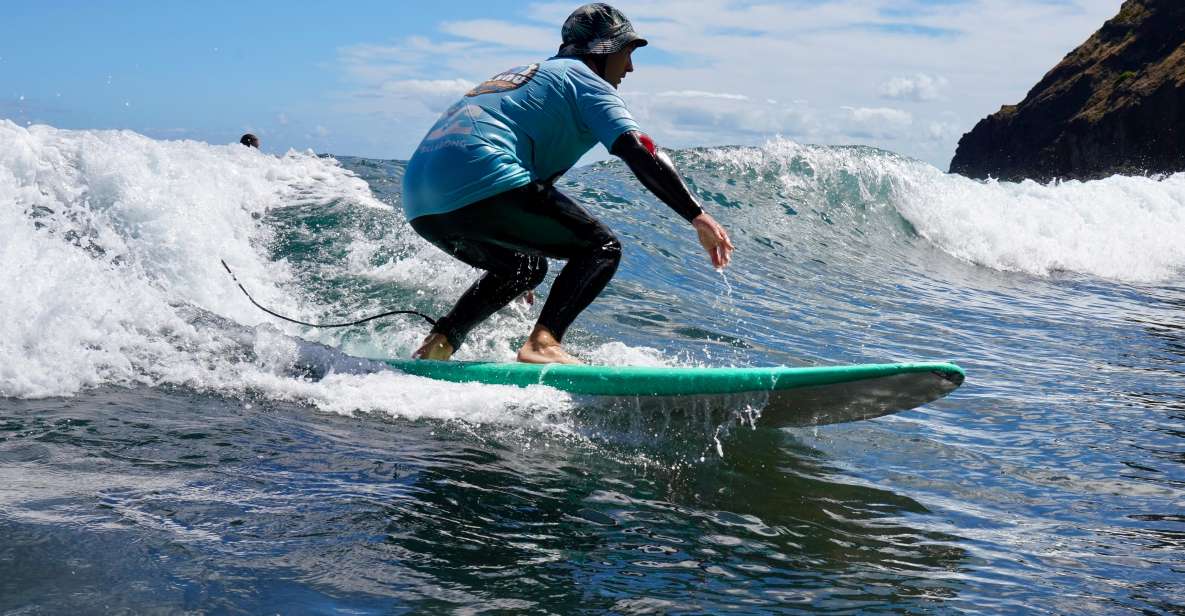
- Max 5 participants per instructor keeps the coaching personal, not crowded.
- 2 hours in the water inside a total ~3-hour experience with warm-up and technical explanations.
- Tides and swell drive the schedule, so you’re not just going when it’s convenient.
- Equipment is included: surfboard, wetsuit, leash, plus insurance coverage.
- Photos are part of the deal, and some sessions include optional photo analysis when student numbers allow.
- Coaching covers all levels from first-timer to advanced, with level-based programs.
Where You Start: Porto da Cruz Meeting Point and First Impressions
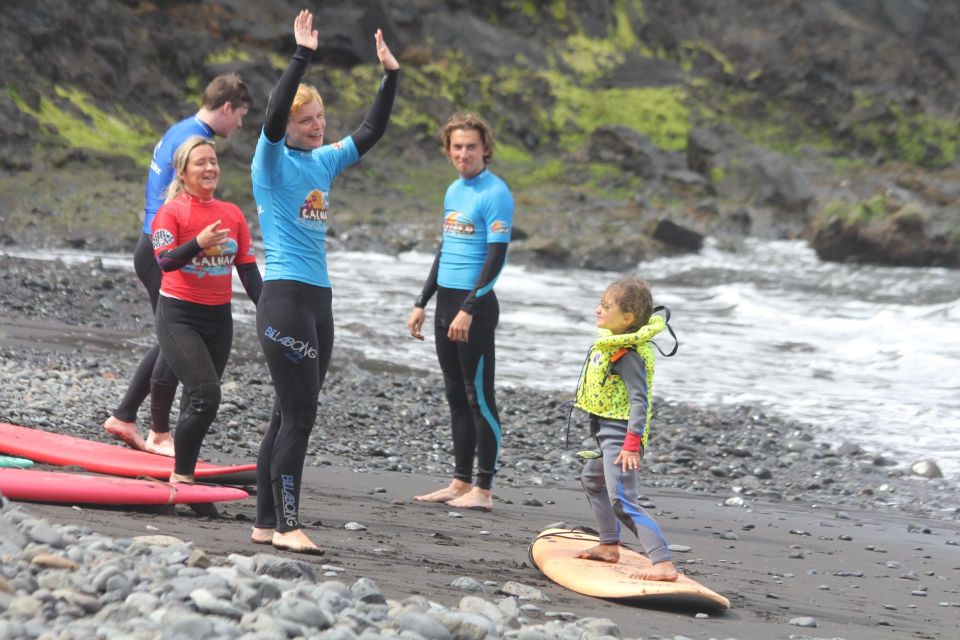
The lesson kicks off at the front of Hotel Vila Bela reception in Porto da Cruz. That’s useful because it gives you a clear anchor point on Madeira—no long mystery walk, no guessing where the school is set up.
Once you arrive, you’ll get the session rhythm: quick admin, gear set-up, then the important stuff—safety briefing and warm-up. This isn’t “show up, wait, then get thrown into waves.” The structure matters because surfing is equal parts technique and risk management.
One detail that can help you mentally prepare: the timing you see at booking is only indicative. The school schedules based on sea conditions and tides, and you’re asked to confirm the exact time/location by WhatsApp by 8:00 PM the day before.
You can also read our reviews of more tours and experiences in Madeira.


What Your 3 Hours Actually Feel Like (2-Hour Surf Session Included)
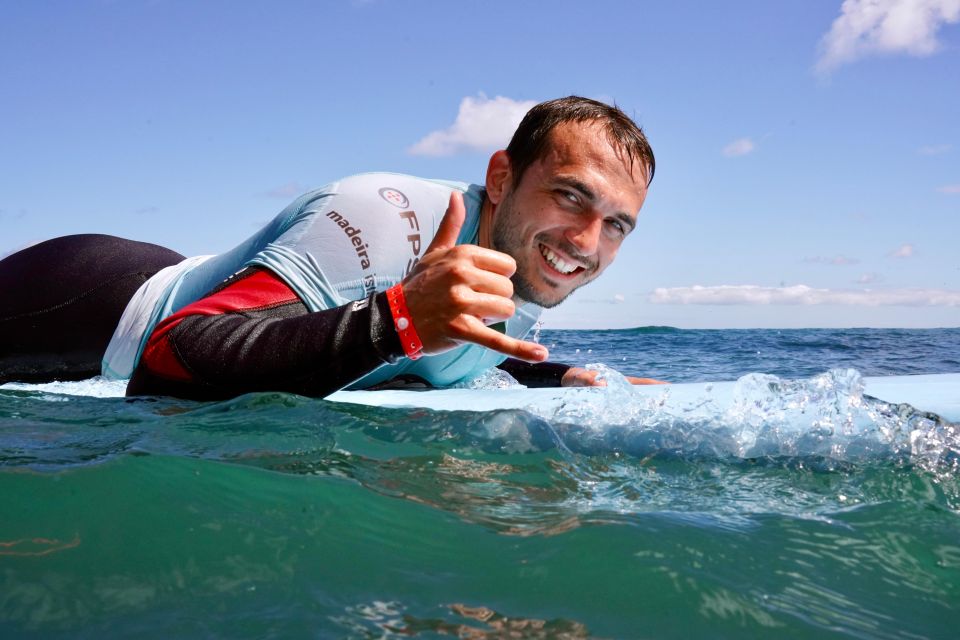
From start to finish, the whole experience is about 3 hours total. The core surfing part is a 2-hour lesson, but those extra minutes are not filler—they’re the difference between learning safely and learning fast.
Here’s how the flow typically works in this kind of setup, and what you can expect here based on the information you’re given:
1) Prep and gear (before you hit the water)
You’ll get your board and wetsuit, then go through security briefing and warm-up. They also provide technical explanations, usually aimed at helping you understand what your body needs to do when you’re actually on the water.
2) Practice time with level-based coaching
The school’s format is built around a pedagogical model that includes involvement with the environment, different weather conditions, tide knowledge, safety measures, technical equipment knowledge, and—most importantly—surfing technique. In plain terms: you’re not only learning how to stand; you’re learning how to read conditions and make better choices.
3) Return, rinse, and wrap-up
You’ll come back for return time, freshwater shower access, and final handling of the gear. One small-but-real consideration: there’s an end step described as rinsing the boards in sea water before fresh water. In one experience, the steep and rocky access to the sea made this part feel risky for someone who ended up hurting themselves. If you have any balance issues, take that seriously and move slowly.
The good news: many people walk away “the best kind of tired,” meaning the session packs real effort without dragging on.
Small Group Coaching: Why Max 5 Students Matters
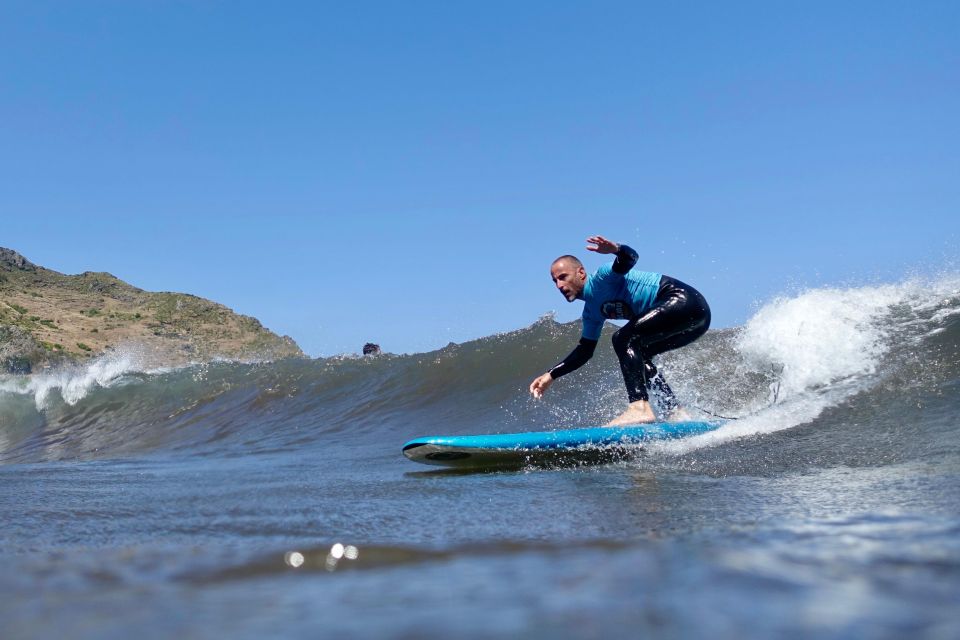
A lot of surf classes say small group. This one is explicit: limited to 5 participants per instructor. That matters because surfing coaching can get lost fast when you’re one of twelve people trying to hear directions from shore.
With the group size capped, instructors can:
- watch your timing and body position closely
- give quick fixes you can actually apply immediately
- help you catch waves and try again without feeling rushed
This is where the names people associate with great instruction come up. People describe Jonathan and Milton as patient in the water, and Augusto as supportive enough that a first-timer could stand on their board on the first attempts.
If you’re the kind of person who freezes when a wave is coming, smaller groups help. You get repeated guidance instead of one big speech.
Certified Instructors and Safety: The Stuff You Don’t Skip
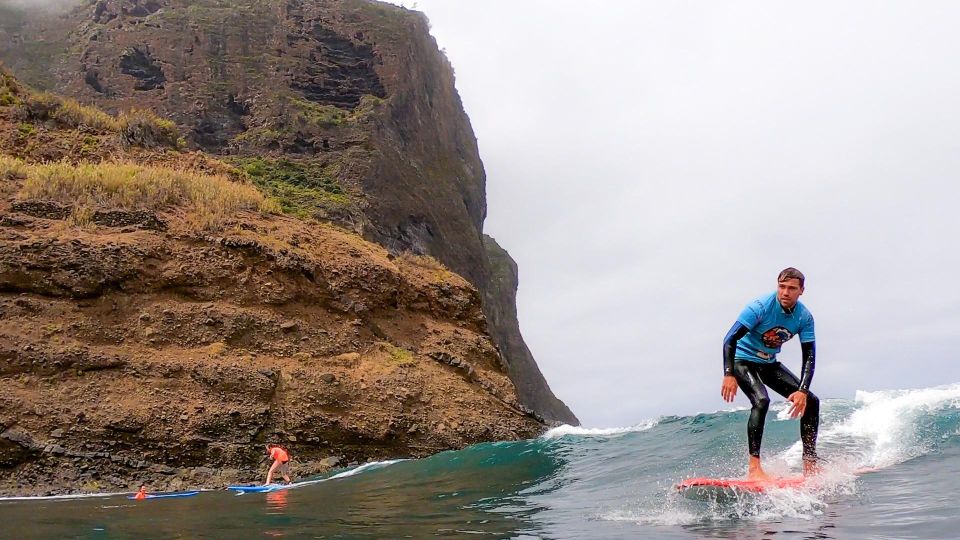
You’ll be working with instructors certified through the Portuguese Surfing Federation, and the program also involves recognition with Portuguese Tourism and local Port Authority. The practical effect is what you want on your first day in the ocean: proper briefing, clear rules, and a team that understands risk.
Before you paddle out, you’ll do the security briefing. The school also includes insurance, so you’re not paying extra to cover that important baseline.
And the coaching doesn’t treat safety like a separate topic. The pedagogical model includes tides and safety measures as part of technique. That’s a good sign, because tides change how your session moves, where you can practice, and how the water behaves.
Equipment and Included Gear: You Show Up, You Surf
The lesson includes:
- surfboard
- wetsuit
- leash
- insurance
- surf instructor certified by the Portuguese Surfing Federation
- security briefing
You also get free photos from the school (with exceptions in cases of technical issues or severe weather), plus possible optional photo analysis when minimum student numbers are reached.
The value here is bigger than convenience. Rental gear quality affects learning because the board and wetsuit fit influence how easy it is to balance, paddle, and feel comfortable in the water. The school also mentions using best quality surf equipment, and multiple people describe the equipment as in good condition.
What you must bring:
- swimwear
- towel
- sunscreen
- beachwear
No towel in the included list means you’ll want to pack one or plan to buy one locally.



Beginner to Advanced: How They Tailor the Lesson Without Making You Wait
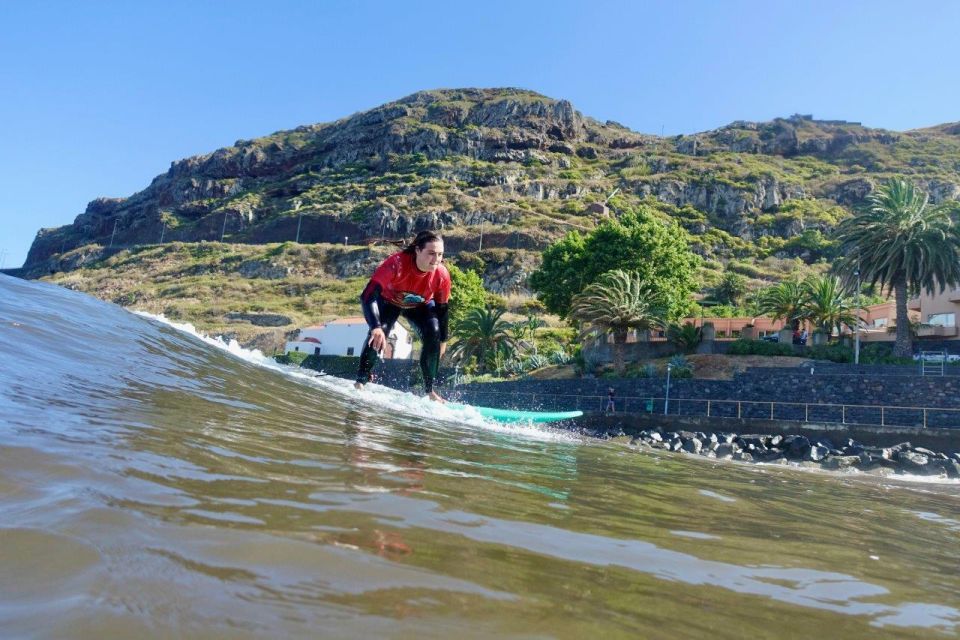
What I find smart about this school’s approach is how they don’t treat first-timers like separate tourists. The program is designed for beginners, intermediates, and advanced surfers, and they adjust what you do during the lesson based on your level.
For first-timers, the big promise is learning to stand up on a board in a safe and fun way. That’s what you should look for in a class: not just “ride a wave if you’re lucky,” but structured steps that lead to standing attempts.
For beginners and intermediates, the focus shifts to improving technique—help you catch waves and know when to stand. People specifically describe guidance on when to stand on the board and helpful advice during the session.
If you’re more advanced, the same lesson structure can still work because it’s driven by improving skills with programs matched to your level, not by a one-size demo.
The Real Advantage: Tides, Swell, and Choosing the Best Surf Spots
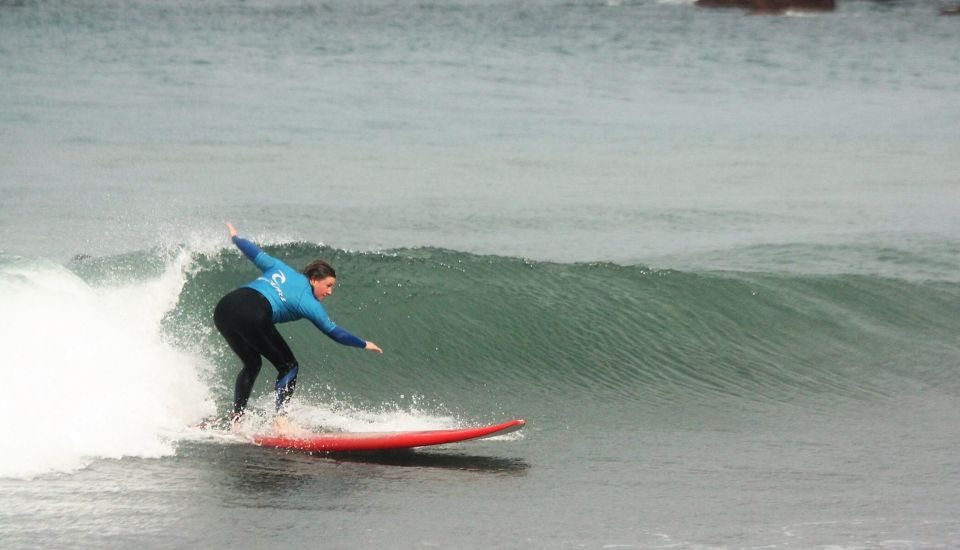
This school schedules sessions based on tides and swell forecasts. That sounds like “bureaucracy” until you’ve tried to surf when the water is wrong. Then you understand why it matters.
When the timing matches conditions, you’re more likely to:
- get more consistent wave interaction
- spend less time paddling aimlessly
- practice standing and riding instead of only struggling to catch the energy
It also explains why the lesson start time might shift. The school notes that the surf lesson time you see (example 9h) is indicative and may vary. Plan to confirm the day before by 8:00 PM so you’re not standing around wondering where to be.
A practical tip: build your day around that confirmation window. If you’re trying to squeeze other tours into the same morning, you’ll want flexibility.
Photos, Photo Analysis, and the Memory Factor
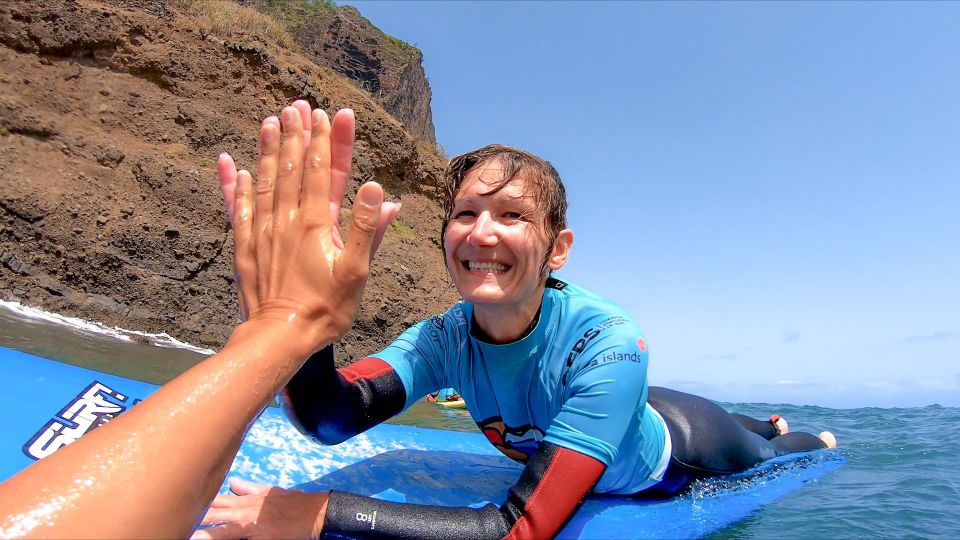
Surfing moves fast, and it’s hard to remember what you did right when you’re still in the water. The included photo set is a big part of the value because it gives you a visual reference you can look at afterward.
Many people highlight that there are lots of photos shared at the end of the session. Some mention that instructors even work to get you a cool shot while making sure you surf at least one wave. If your goal is to return home with proof that you actually did it, this school helps.
Optional photo analysis can also be a useful coaching tool when enough students are in the group. Even if you don’t get that feature every time, the photos still make the lesson feel like an experience, not just a workout.
Weather-Ready: Rain or Shine
You should know the lesson happens in all weather conditions—rain or shine. That’s not a threat; it’s a surf reality. Madeira’s ocean doesn’t pause for your itinerary.
For you, that means pack with the assumption you’ll be wet. You’ll be in a wetsuit, but you’re still moving through spray and salt. Bring sunscreen because you might see sun breaks. And if you’re prone to cold, consider how quickly you’ll warm up after the water session.
Meeting Your Needs: Who This Lesson Suits Best
This one is especially good for:
- first-timers who want a real shot at standing
- beginners who need patient, repeated guidance
- intermediate surfers who want technique coaching in a safe, coached format
- groups of friends who want small-group attention
In one example, parents booked for teenagers (ages 11, 14, and 16) and the kids had a great first surf day. That said, the school notes it is not suitable for children under 5, and it’s not suitable for pregnant women.
Also, if you’re traveling with limited time, the format is tidy: ~3 hours total with a focused 2-hour lesson. It’s easy to plan around compared with multi-day surf camps.
Price and Value: Is $82 Reasonable for Madeira Surf Lessons?
At about $82 per person for a total ~3-hour experience (including a 2-hour lesson), this is priced like a real guided activity, not a barebones rental.
You’re paying for:
- certified instruction
- small group size (max 5)
- included equipment (board, wetsuit, leash)
- insurance
- a safety briefing
- photos included
If you’ve ever priced out surf lessons at home or in other coastal destinations, the combination of instructor + gear + insurance + photos is what makes the value click. The small-group cap also helps justify the cost; you’re getting time and attention, which is the limiting factor in surfing lessons.
My only money-related caution: because lesson times are tide/swell-driven and must be confirmed the day before, you’ll want to avoid booking tight connections right afterward.
Potential Drawbacks to Know Before You Go
Everything here is designed for fun and learning. Still, two considerations come up clearly:
1) You must confirm the exact meeting time and location the day before by 8:00 PM.
If your schedule is locked tight and you forget the message, you could lose time—or worse, show up at the wrong moment.
2) End-of-lesson board rinsing can be awkward.
One reported experience described the access to the sea as steep and rocky when they had to rinse boards before fresh-water rinsing. If you’re worried about balance, wear grippy footwear and take your time on that part.
Neither issue is a dealbreaker, but they’re real enough to plan for.
Should You Book Madeira Calhau Surf School for Surf Lessons?
If your goal is to learn surfing with attention and structure—especially if you’re a beginner—this is a strong choice. The small group size, level-based coaching, and the emphasis on safety and tides are exactly what you want when your body is new to paddling and standing on a moving board.
I’d book it if you:
- want the best chance of standing early
- appreciate coaching that explains timing and technique
- like that photos are included
- can adjust your morning based on tide and swell confirmation
I’d hesitate if you:
- hate schedule changes the day before
- have mobility or balance concerns, particularly for steep/rocky access areas during rinsing
If you can handle one logistics check-in the night before and move carefully at the end, you’ll get a satisfying mix of instruction, ocean time, and that great “I actually did it” feeling.