REVIEW · LANZAROTE
Lanzarote: Scuba Diving for Beginners with 2 Dives
Book on GetYourGuide →Operated by Aquatis Diving Lanzarote · Bookable on GetYourGuide
That first moment underwater can feel like a superpower. This beginner course turns scuba basics into two guided ocean sessions, from calm 5 meters to a confident run at 12 meters.
I really like the small-group setup (limited to 2 participants), because you get real attention while you learn. I also like that no certification is required, so you can focus on skills and comfort instead of homework.
One thing to consider: this is a water activity, and if you’re prone to motion sickness, you might struggle on the second session. Also, the medical limits are strict (things like epilepsy, heart/respiratory issues, pregnancy, and recent surgeries), so check them before you book.
In This Review
- Key Points Worth Knowing Before You Go
- Two Underwater Sessions, Built Like a Training Ladder
- Getting Picked Up and Ready: The 5-Hour Flow
- The 5-Meter Skills Session: Calm Water and Real Confidence
- The 12-Meter Second Session: More Space, More Sea Life
- Instructors That Keep It Calm: Multilingual, Attentive Teaching
- What’s Included in the $165 Price, and Why It Adds Up
- Small Groups, Personal Attention, and What That Means for You
- Safety Reality Check: What You Must Know Before You Gear Up
- Underwater Communication and Equipment: The Basics You Actually Use
- What You’ll See Around Lanzarote (Based on Real Sightings)
- Who Should Book This, and Who Should Skip It
- Should You Book Aquatis Diving Lanzarote’s 2-Session Beginner Course?
- FAQ
- Is certification required for this beginner scuba experience?
- How deep is the first underwater session?
- How deep is the second underwater session?
- Where can I get picked up?
- How long does the activity last?
- How big is the group?
- What languages are the instructors?
- What’s included in the price?
- What should I bring?
- Is anything not included?
Key Points Worth Knowing Before You Go
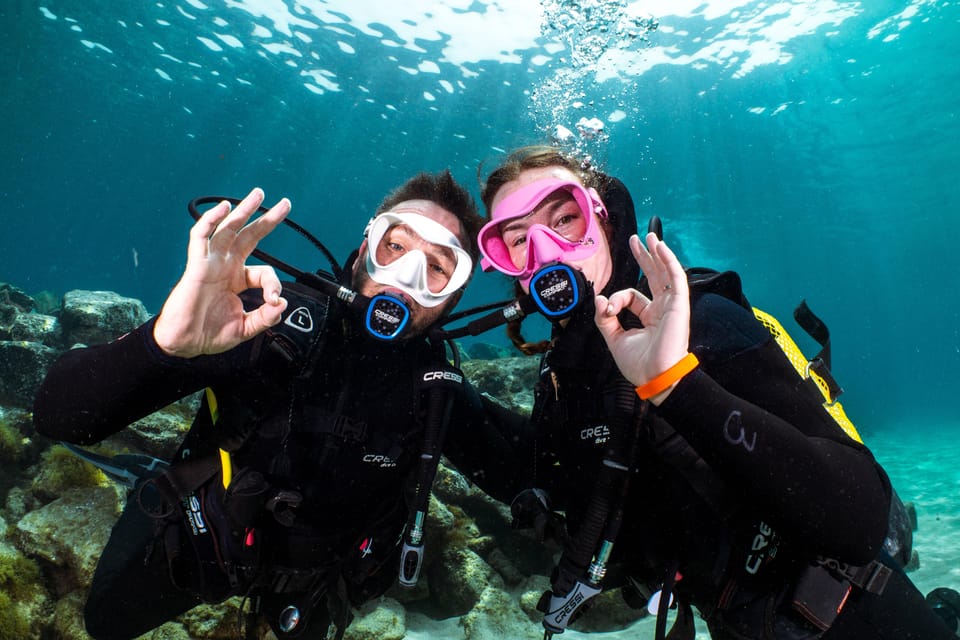
- Two planned sessions: start at 5 meters, then go up to 12 meters for a bigger taste of the underwater world
- No prior certification needed, taught by multilingual instructors
- Small group focus, with close supervision while you learn equipment and safety basics
- Island-wide pickup from Costa Teguise, Puerto del Carmen, and Arrecife
- Transportation, gear, insurance, and refreshments included in the $165 price
- Photos not included, so plan to bring your own camera only if your operator allows it
Two Underwater Sessions, Built Like a Training Ladder
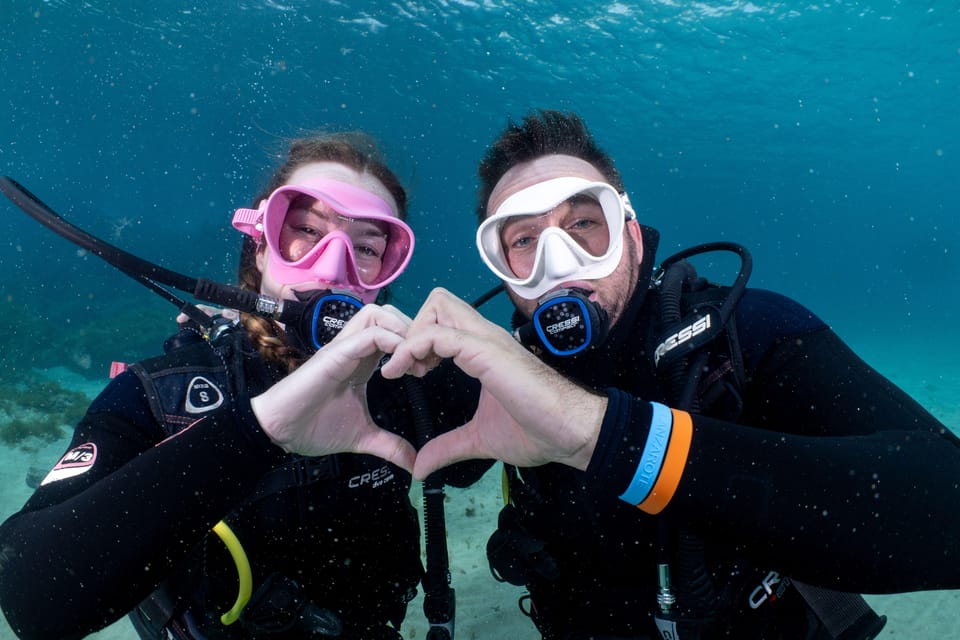
This experience is designed for absolute first-timers who want more than a short taste. You get a structured start, then a second chance to use what you learned without rushing. It’s the kind of course that helps your brain catch up while your body gets used to the feeling of breathing underwater.
The pacing matters. Your first session stays shallow and controlled, so you can learn how the equipment behaves and how you’ll move in water. Then, when you’re comfortable, you go deeper for a longer look at marine life and the real joy of seeing animals close up.
A helpful detail is that instructors adjust things to the group. In guides’ feedback from real bookings, you can see how they change tempo and depth based on comfort levels. That’s the difference between simply being taken underwater and actually getting taught.
You can also read our reviews of more tours and experiences in Lanzarote.



Getting Picked Up and Ready: The 5-Hour Flow
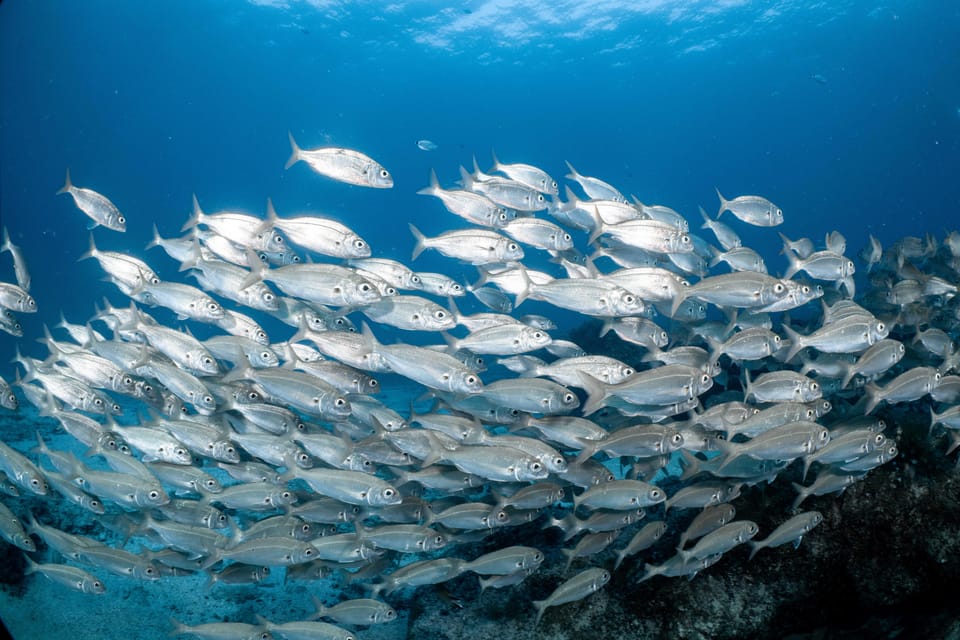
You’re looking at about 5 hours total, and the schedule is built for learning without feeling like a cattle run. Pickup is available from Costa Teguise, Puerto del Carmen, or Arrecife, and then you travel by van to the briefing and water location.
The typical flow goes like this:
- Van transfer (about 20 minutes)
- Safety briefing (about 30 minutes)
- First ocean session (about 1 hour)
- Break time (about 30 minutes) to reset and chat
- Second ocean session (about 45 minutes)
- Van back to your drop-off area (about 20 minutes)
That break isn’t just time on land. It’s where you can catch your breath, drink something, and talk through how the first session felt. If you’re nervous at the start, that in-between pause helps a lot.
One practical note: since this is scheduled, you’ll want to build a little buffer into your day. You’re not just showing up for one quick activity; you’re doing two planned learning blocks with time for gear checks and guidance.
The 5-Meter Skills Session: Calm Water and Real Confidence
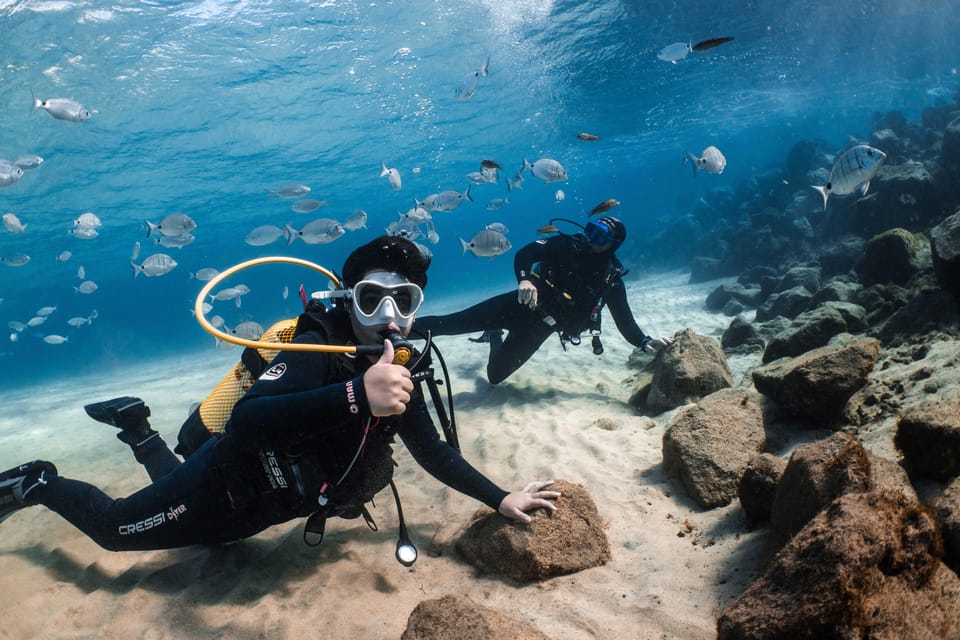
The first ocean session tops out at 5 meters, which is a smart depth for beginners. It’s deep enough to feel like scuba, but shallow enough to keep things calm and manageable.
Before you go in, you’ll receive a detailed briefing on basics like:
- how your scuba equipment works
- safety procedures
- how underwater communication works
This is where the operator’s small-group style pays off. When you’re learning, it helps if you can actually ask questions and get answers that click. Several bookings mention instructors who explained everything clearly and took time to build understanding.
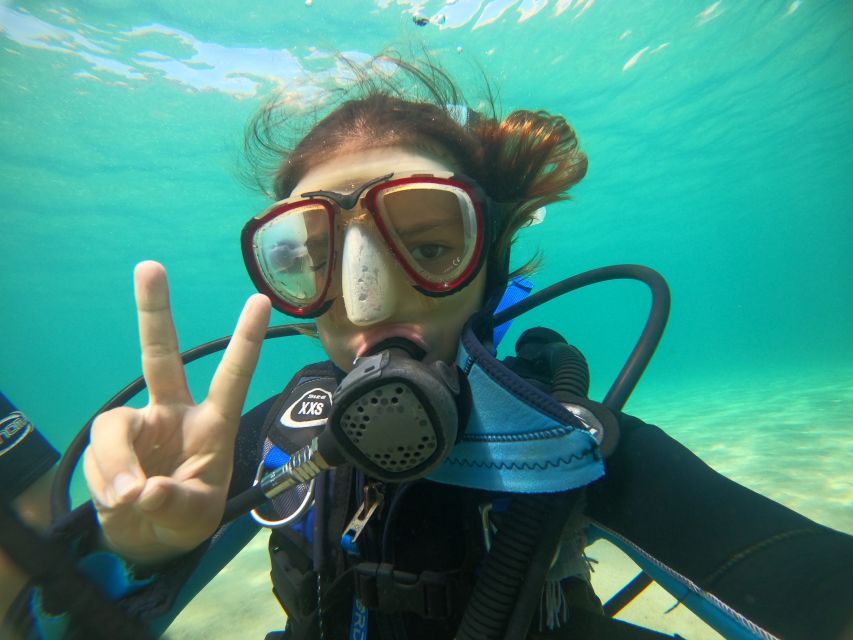
Once you’re geared up, you’ll practice core skills under close supervision. The goal is not to “perform.” The goal is to get comfortable breathing underwater and to get your body used to buoyancy and slow movement. Think of it like learning to ride a bike with training wheels, then eventually taking your hands off the imaginary handlebars.
The 12-Meter Second Session: More Space, More Sea Life
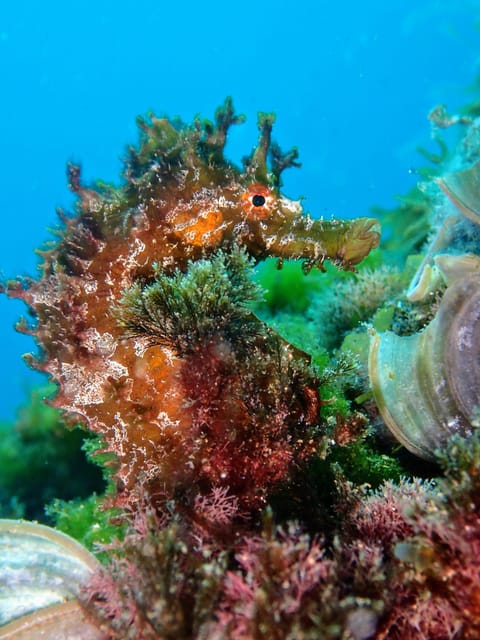
After a short surface break, you head back for the second session, which goes down to up to 12 meters. This is where the course shifts from fundamentals to experience.
At this stage, you’re not starting from zero. You’re trying the skills you practiced first time, but now with a slightly bigger view and more time to explore. That change can make a big difference in how you feel about scuba—especially if your first session left you thinking, I can do this.
This is also where wildlife sightings often happen. In real bookings, people reported seeing seahorses, cuttlefish, crabs, and plenty of different fish. You should treat sightings as a bonus rather than a guarantee, but it’s a strong sign that the sites used for the experience can produce memorable encounters.
If you feel seasick or unusually anxious, this is the moment to be honest with your instructor. One booking notes that a participant skipped the second session due to motion sickness. The bigger lesson for you: don’t push through discomfort just to “complete the plan.” It’s better to tell your guide and stay safe.
Instructors That Keep It Calm: Multilingual, Attentive Teaching
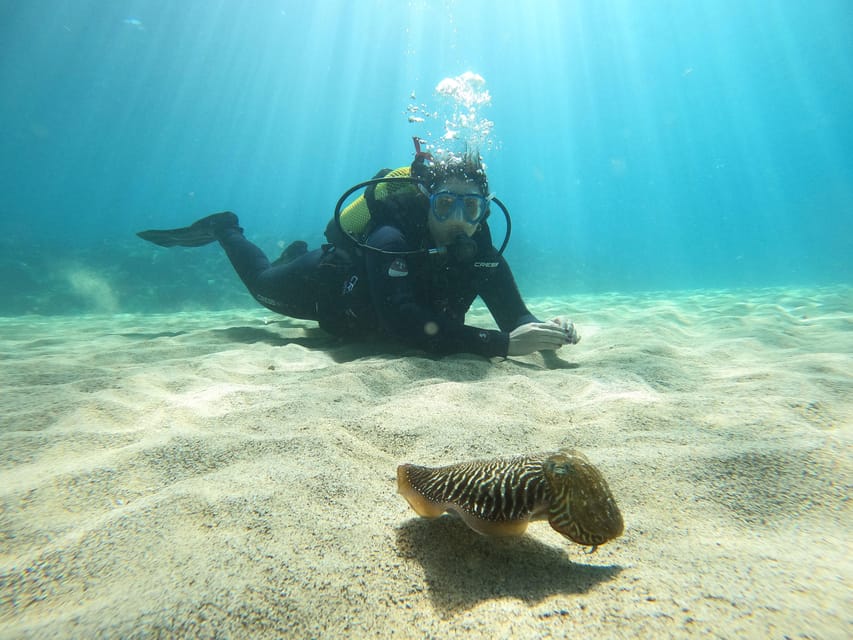
The biggest “wow” factor here is how instructors teach. Real feedback includes names like Dany, Danny, Dani, Clint, Rémy, and an Italian instructor. The pattern is consistent: patient instruction, clear explanations, and guidance that adapts to your comfort.
Multilingual instruction is included—English, German, Spanish, and French—which is great if you want to understand safety info without guesswork. And since the group is small, you’re more likely to get direct coaching instead of hearing generic instructions for someone else’s pace.
One detail I appreciate is the way instructors focus on equipment familiarity. If you know what your gear is doing and why, you stop wasting mental energy. That makes it easier to enjoy the underwater world instead of feeling stuck in survival mode.




What’s Included in the $165 Price, and Why It Adds Up
At $165 per person, you’re paying for more than just the water time. Included in the price are:
- island-wide transportation/pickup
- scuba equipment
- insurance
- refreshments
- the instruction and guided structure
And here’s the key value point for beginners: you don’t have to arrange gear rentals, figure out insurance, or chase down a course that matches your comfort level. Everything is bundled into one guided session.
Photos are not included, so if you want underwater photos, you’ll need to plan for that separately (or accept that your memory is the souvenir).
If you’re comparing options, look past the headline price. A course with equipment, insurance, and pickup included can be cheaper in real terms than a lower-cost tour that makes you handle the logistics yourself.
Small Groups, Personal Attention, and What That Means for You
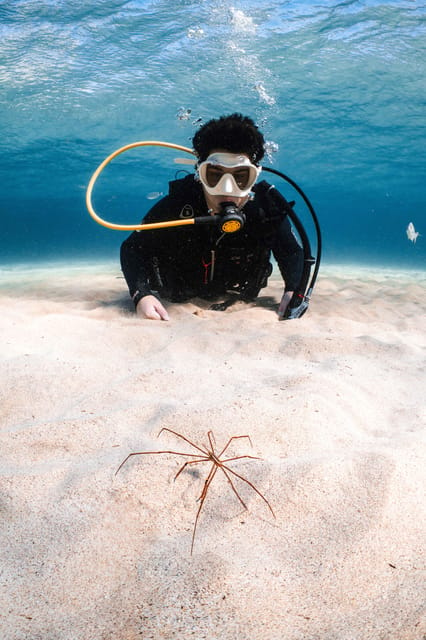
The operator limits the group to 2 participants, which is excellent for first-time scuba. Smaller groups usually mean:
- quicker help during skill practice
- fewer distractions while you learn buoyancy and breathing
- more time for questions in the briefing
Even where group size can vary in practice, the theme stays the same: keep it intimate and focused. One booking described a small group of three, and the teaching described was still very hands-on and reassuring.
For you, this matters because beginners don’t need lectures. You need feedback that’s immediate. When your body feels strange underwater, you need a calm voice telling you exactly what to adjust.
Safety Reality Check: What You Must Know Before You Gear Up
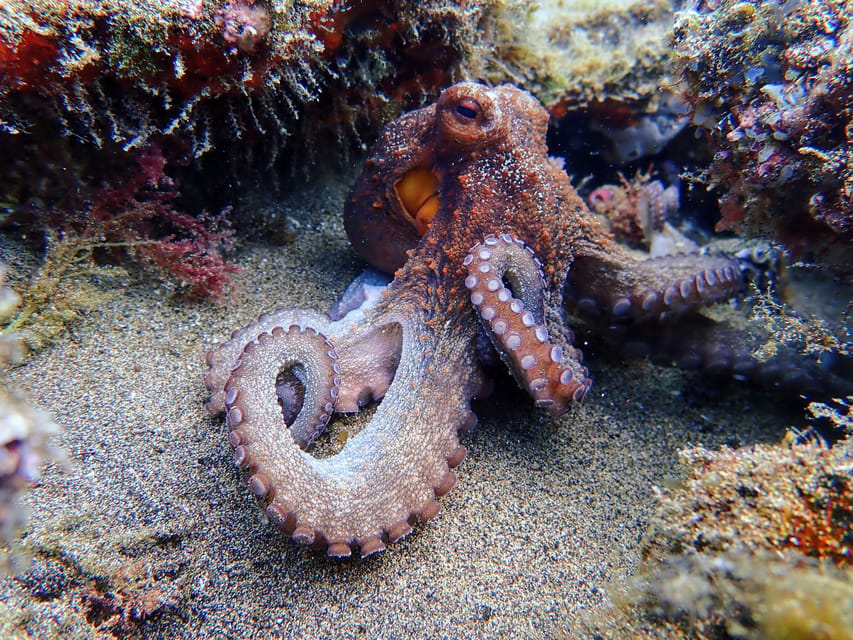
This experience includes a structured safety briefing and close supervision, but you still need to do your part. If you’re dealing with any of the conditions listed as not suitable, don’t try to wing it.
It’s not suitable for:
- children under 12
- pregnant women
- people with back problems
- people with claustrophobia
- people with heart problems
- people with respiratory issues
- people with epilepsy
- people with a cold
- people with high blood pressure
- people with recent surgeries
- people with low level of fitness
Also bring the basics:
- swimwear
- a towel
If you’re unsure about whether your health is compatible, treat this as a serious medical check. Scuba is safe for many people, but it’s not a “try it and see” activity.
Underwater Communication and Equipment: The Basics You Actually Use
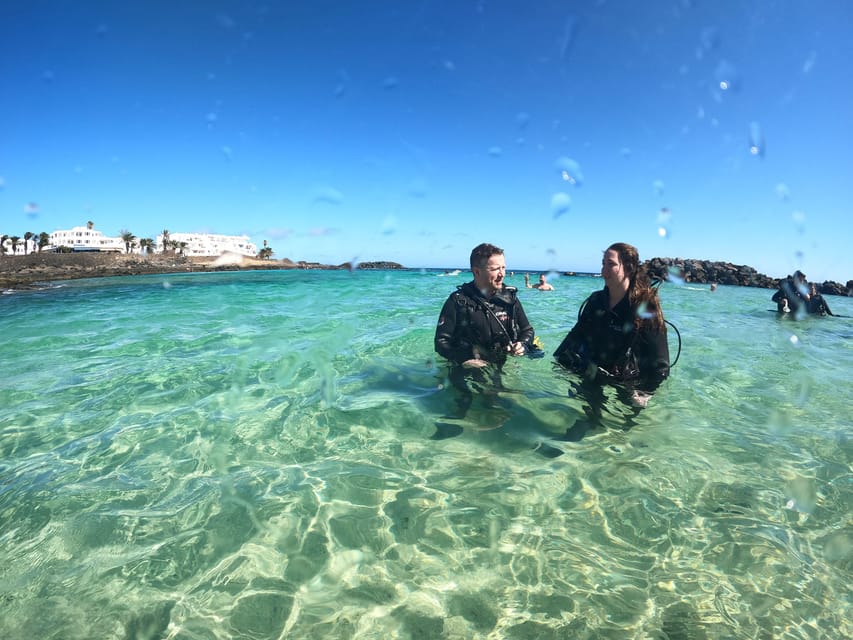
The briefing isn’t just filler. You learn how to communicate underwater and how your gear works. That’s what keeps the experience smooth, and it reduces that panicky feeling that can happen when you don’t know what’s happening.
The course emphasis is on breathing and comfort first. That means the instructor’s job isn’t to rush you to deep water. Their job is to help you stay calm while you get used to the mechanics of scuba.
If you’re the kind of person who overthinks, you’ll probably appreciate this approach. You focus on a few skills at a time, get corrected, then move on.
What You’ll See Around Lanzarote (Based on Real Sightings)
Lanzarote is known for great opportunities to meet sea life, and the course timing helps because you’re in the water for two different planned blocks. In the feedback you can find specific sightings like seahorses, cuttlefish, crabs, and lots of fish.
Don’t assume you’ll see every animal on the list. Water conditions and animal movement vary. But if you like the idea of learning scuba while also collecting real wildlife moments, this two-session structure gives you enough time to make that happen.
Who Should Book This, and Who Should Skip It
This is a strong fit if you:
- want a first scuba experience without certification
- like learning in a small group with coaching
- want two underwater sessions in one outing (not just one quick try)
- want a gradual path: 5 meters first, then up to 12
You should skip it or rethink if you fall into the listed medical categories or if you know you struggle with motion sickness. If you tend to get queasy on boats, consider talking with the operator beforehand and bringing whatever support you’d normally use.
And if your goal is purely to check the box, keep your expectations practical. You’re learning. The real win is the confidence you build and the ability to enjoy the underwater world without constant worry.
Should You Book Aquatis Diving Lanzarote’s 2-Session Beginner Course?
If you want your first scuba experience to feel guided, safe, and genuinely beginner-friendly, I think this is a smart booking. Two underwater sessions mean you get both the practice you need and the payoff you came for—more time to see sea life and feel good about what you’re doing.
Book it if you can meet the safety requirements and you’re comfortable being in the water for about an hour plus a second session. If you’re unsure about fitness or health, double-check eligibility first.
One last practical plus: the setup includes pickup, gear, insurance, and refreshments. For a beginner, that’s a big deal. Less hassle on the surface means more energy for what matters—your first calm breaths underwater and your second moment where you realize, oh, this is actually fun.
FAQ
Is certification required for this beginner scuba experience?
No certification is required. The experience is described as a beginner introduction with instruction and supervision.
How deep is the first underwater session?
The first session is in shallow, calm waters with a maximum depth of 5 meters.
How deep is the second underwater session?
The second session goes deeper, reaching up to 12 meters.
Where can I get picked up?
Pickup options include Costa Teguise, Puerto del Carmen, and Arrecife.
How long does the activity last?
The total duration is about 5 hours.
How big is the group?
It’s listed as a small group limited to 2 participants.
What languages are the instructors?
Instructors are available in English, German, Spanish, and French.
What’s included in the price?
Transportation (including island-wide pickup), scuba equipment, insurance, and refreshments are included.
What should I bring?
Bring swimwear and a towel.
Is anything not included?
Photos are not included.