REVIEW · TENERIFE
Icod de los Vinos: Dragon Tree & Botanical Garden Ticket
Book on GetYourGuide →Operated by PARQUE DEL DRAGO · Bookable on GetYourGuide
A dragon tree you can actually stand beside. The Drago Milenario in Icod de los Vinos is a national monument tied to Canarian aborigines, with thick branching and leaves that look sword-like, plus famous blood-colored resin. I especially like the moment you see the tree up close, and I also like that the ticket includes a botanical garden walk with different zones. The main drawback: it’s best as a short, focused outing rather than a long, all-day adventure.
For value, this ticket is hard to beat: around $5 per person gets you admission to the dragon tree and full access to the park’s zones. I like that it’s self-paced, so you can go at your own speed and linger where the views and plants feel most interesting. Just note that it’s not suitable for wheelchair users, so plan around the walking surfaces.
In This Review
- Key points to know before you go
- The Millennial Dragon Tree: why the Drago milenario matters
- Your walk after the dragon: what the botanical garden is really like
- Laurel forest zone: the cooler, shadier change of pace
- Orchard zone: where the garden turns practical and human
- Viewpoint + snack break: a small amenity that helps your pacing
- What to wear and how to pace your visit (so it feels easy)
- Price and value: why this ticket makes sense
- Who should book this Drago milenario and garden ticket
- Should you book this ticket?
- FAQ
- How much does the Icod de los Vinos Dragon Tree and Botanical Garden ticket cost?
- How long should I plan for this experience?
- Where do I meet for the visit?
- What’s included with the ticket?
- Is it wheelchair accessible?
- What should I bring?
- Are drones allowed?
Key points to know before you go

- Drago milenario looks unreal in person, with sword-like leaves and dense, blood-colored resin tied to ancient beliefs
- 3-hectare botanical garden with endemic plant species, so you’re not just looking at one tree
- Laurel forest area adds a cooler, shadier change of pace compared with open orchard zones
- Orchard zone lets you see how cultivated and wild plant areas differ in the same park
- Viewpoint break + vending snack area gives you an easy reset without needing a separate plan
- Skip-the-line via a separate entrance, so you can spend more time in the park
The Millennial Dragon Tree: why the Drago milenario matters

If you like plants, you’ll feel it fast. The star here is the Millennial Dragon Tree, also called the drago milenario, sacred to the Canarian aborigines and protected as a national monument. The tree is famous for its dense resin, described as blood-colored, and for how its branches form a dense, sculptural canopy.
Up close, the details are the whole point. The thick branches and leaves that mimic sharp swords make the tree feel less like a normal tree and more like a living piece of geology. It’s the kind of object where you naturally slow down, because your eyes keep finding new shapes in the trunk and canopy.
There’s also a strong cultural thread. The resin was worshiped and used as a health benefactor in Roman times, which helps explain why this tree has drawn attention for centuries. You don’t need to be a history nerd to appreciate that idea, either. It adds meaning to what you’re looking at, turning a beautiful tree into something people once treated with real reverence.
You can also read our reviews of more tours and experiences in Tenerife.



Your walk after the dragon: what the botanical garden is really like

Once you’ve seen the tree, the ticket keeps paying off. The botanical garden covers about 3 hectares and is designed for easy wandering at your own pace. You’ll encounter endemic plant species, plus displays that connect the plants to local customs.
I like gardens where you can win through repetition. In this one, you’re not rushing from one highlight to the next; you’re moving slowly enough to notice how the vegetation changes. Some areas feel more forest-like, while others feel more open and orchard-like. That shift matters because it helps you understand the park as a system, not just a path to a photo.
You’ll also get little cues to slow down. The displays on local customs turn the garden into a place for context, not only scenery. Even if you skim, those hints keep the experience grounded: plants here aren’t just decorative; they’re part of how people understood and used nature.
And because everything is included—dragon tree admission plus full botanical garden access—you don’t need to make decisions once you’re inside. That’s a real advantage when you have limited time and want a smooth experience.
Laurel forest zone: the cooler, shadier change of pace
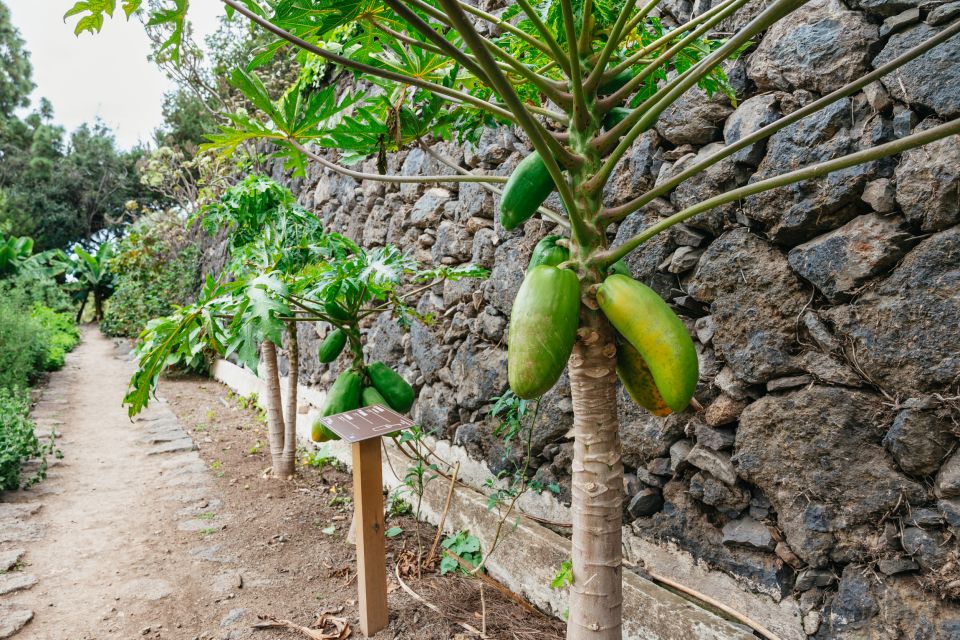
One of the best parts of the park is that it doesn’t feel the same everywhere. The garden includes laurel forests, which give you a noticeable shift from the more open areas.
In practical terms, laurel forest zones usually mean more shade and a different feel underfoot and overhead. You’re often under thicker cover, so the air and light don’t behave the same way as in open orchard areas. I like that contrast because it turns the walk into something with small chapters instead of one long plain section.
If you’re the type who likes to take photos, this zone is where you’ll keep lifting your camera. The canopy structure and plant textures tend to create natural frames. And if you’re more focused on just enjoying the plants, the shade makes it easier to spend time lingering without feeling rushed by heat.
Orchard zone: where the garden turns practical and human

After the forest-like feel, the orchard zone adds a grounded, cultivated side to the experience. This area helps you see how the park holds multiple plant environments, not just one “wild” setting.
I find orchard zones helpful for two reasons. First, they make it easier to compare how trees and plants behave in different conditions. Second, they break up the experience visually, so you don’t walk the whole time in one style of scenery.
There’s also a calming effect. Orchard areas often feel more open, with less overhead weight than the forest zones. That’s when you can simply walk, breathe, and let the park do its job as a relaxing pause during a travel day.
Viewpoint + snack break: a small amenity that helps your pacing

There’s a relaxed moment built in: you can take a break at a viewpoint and enjoy a snack from the vending area. This is one of those “small details” that changes your day more than you’d expect.
I like to plan breaks that don’t require extra logistics. Here, you can stop when you feel like it—no hunting for a café outside the park, no guessing whether a restaurant will fit your schedule. If you’re walking in warmer weather, this also gives you a simple way to cool down and reset before you finish exploring the remaining zones.
The viewpoint also acts like a natural checkpoint. Even if you don’t spend long there, it helps you structure your visit: see the tree, wander through the garden, then pause for the view and snack, and head out when you’re ready.






What to wear and how to pace your visit (so it feels easy)
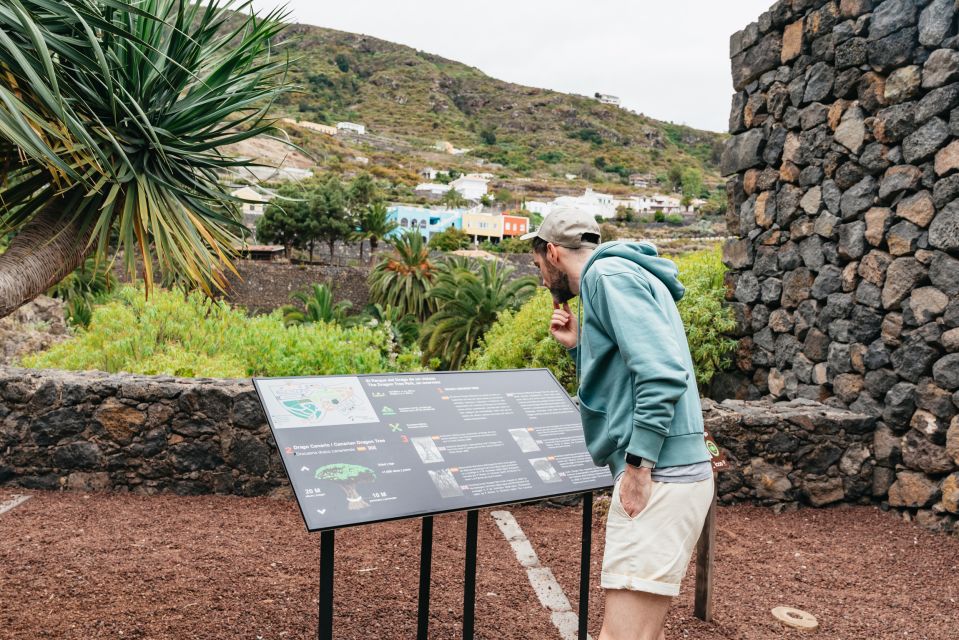
This is a walk-and-stroll style experience. You’ll want comfortable shoes, because you’re spending time moving through the garden zones rather than sitting in a theater with fixed viewing points. Sunscreen also matters; the park is active enough that you’ll likely feel direct sun if you visit in bright conditions.
To make it feel smooth, I suggest a simple pacing idea:
- Start with the dragon tree first, while the visual impact is fresh.
- Then move into the botanical garden zones and let changes in light and shade guide your route.
- End with the zones that make you want to slow down the most, using the viewpoint break as your marker.
Also, plan for a walking experience rather than a fully seated one. And remember: it’s not suitable for wheelchair users, so if you need an accessible route, you’ll want to reconsider or ask at the site for the closest alternative information available.
Price and value: why this ticket makes sense

At about $5 per person, this ticket is a bargain for what you get. You’re paying for two things that usually require separate decisions in other destinations: an attention-grabbing national monument and an easy, included botanical garden circuit.
The value is especially good if you like experiences that don’t bully your time. You’re not forced into an elaborate multi-stop plan with constant transitions. Instead, you’re given access to the dragon tree and full access to the garden zones like laurel forests and an orchard, plus a viewpoint break.
It’s also a strong value if you’re traveling with limited time. Even though it’s labeled as lasting 1 day, the format suits quick visits. You can get the main payoff without needing to keep an entire day booked around it.
One consideration: because it’s a smaller, focused outing, it won’t replace a long tour day. If you’re expecting a full-day program with lots of staged activities, you might find the experience more like a short, meaningful garden walk with one unforgettable centerpiece.
Who should book this Drago milenario and garden ticket

This works best for you if you want:
- a nature-and-culture stop tied to a protected monument
- a short, self-paced walk through different plant zones
- an experience where the highlight is visual and immediate—the dragon tree
- a low-cost ticket that doesn’t complicate your schedule
It’s also a good fit if you like contrast. Seeing the dragon tree, then moving into laurel forest shade, then into orchard space, gives the visit enough variety to feel complete without being exhausting.
It may not be the best choice if you need wheelchair access, or if you prefer attractions with long guided narration and lots of structured stops.
Should you book this ticket?
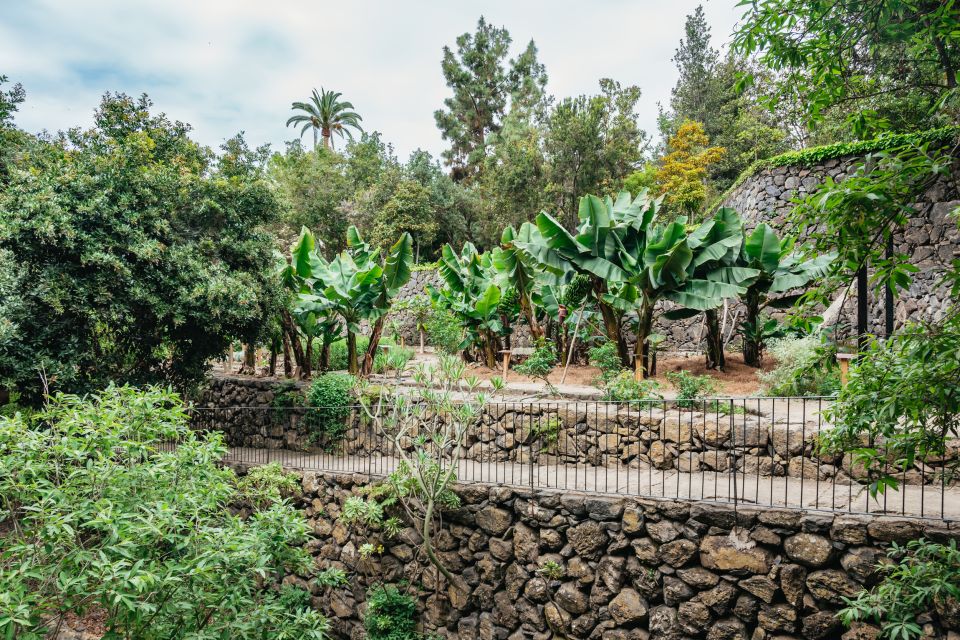
Yes, if you want a calm, well-priced visit centered on a single major landmark—the Drago milenario—and a garden walk that’s included for free once you’re in. The $5 value is strong, and the combination of the tree’s dramatic resin story plus the laurel forest and orchard zones makes it feel more than just a photo stop.
I’d skip booking only if you’re looking for a long, multi-hour guided itinerary with lots of extra programming. This one shines as a focused outing: see the dragon tree, walk the botanical zones, take a break at the viewpoint, and head on with your day.
FAQ
How much does the Icod de los Vinos Dragon Tree and Botanical Garden ticket cost?
The ticket is listed at about $5 per person.
How long should I plan for this experience?
It’s valid for 1 day, and you can check availability to see starting times.
Where do I meet for the visit?
Come to the main entrance with your voucher to enjoy your visit.
What’s included with the ticket?
Admission to the Drago Milenario, full access to the Botanical Garden, and entry to all park zones including laurel forests and the orchard.
Is it wheelchair accessible?
No. It’s not suitable for wheelchair users.
What should I bring?
Bring comfortable shoes and sunscreen.
Are drones allowed?
No. Drones are not allowed. Smoking is also not allowed.