Funchal has a second personality. This Hidden Funchal walking tour mixes noble-era stories, English connections, and quiet backstreets into a 2-hour stroll that’s easy to follow and hard to forget. I really like two things: the way the route keeps you moving through the city’s less-frequented corners, and the strong story focus at every stop—from the 1566 French attack to the nuns’ queijadas legends. One thing to plan for: the walk includes cobbled streets and slight inclines, so it can be tough if mobility is limited.
It also has a social mission baked in. The tour is delivered through the University of Madeira’s Madeiran Heritage programme by students and volunteers, and your ticket helps fund free educational visits for schools and support social programmes for needy university students. And if you’ve been to Funchal’s main lanes already, this is a good way to get your bearings fast with a local guide—without feeling like you’re stuck in a museum.
In This Review
- Key Highlights You’ll Feel During the Walk
- Entering The Jesuits’ College: Where The Tour Actually Begins
- The English Connection: English Church Area And British Families
- Noble Homes, The 1566 French Attack, And The Street-Level Drama
- Quinta Das Cruzes Viewpoint: Panoramas With A Zarco Thread
- Santa Clara Monastery: Nuns, Royal Visitors, And Queijadas
- How The University-Led Programme Changes The Tour
- Price, Value, And Whether $17 Makes Sense
- What To Expect On The Ground: Timing, Stops, And Walking Comfort
- Guides You Might Meet: Names That Show Up In The Experience
- Should You Book Hidden Funchal: Stories & Secrets Tour?
- FAQ
- Where do I meet for the tour?
- How long is the Hidden Funchal: Stories & Secrets Tour?
- How much does it cost?
- What language is the tour in?
- Is the tour wheelchair accessible?
- What is included in the price?
- Are food and drinks included?
- What should I bring?
- Are pets allowed?
- Is it suitable for children?
Key Highlights You’ll Feel During the Walk
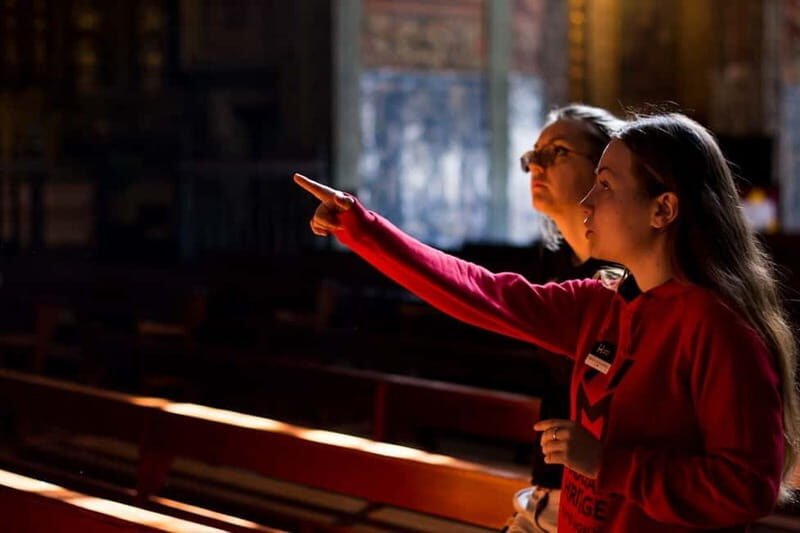
- Start at the Jesuits’ College of Funchal (University of Madeira), next to D’Oliveiras Madeira Wine on Rua dos Ferreiros
- English quarter stories, including the English Church area and the role of British families over centuries
- Noble and religious architecture on real streets, with stops tied to elites, cloistered nuns, and foreign settlers
- Panoramic viewpoint time at Quinta das Cruzes, near the historic Zarco connection
- Santa Clara Monastery with queijadas tales, plus surprising royal-visitor details
- Small groups with guides from a university-led programme, often praised for pacing and Q&A time
Entering The Jesuits’ College: Where The Tour Actually Begins
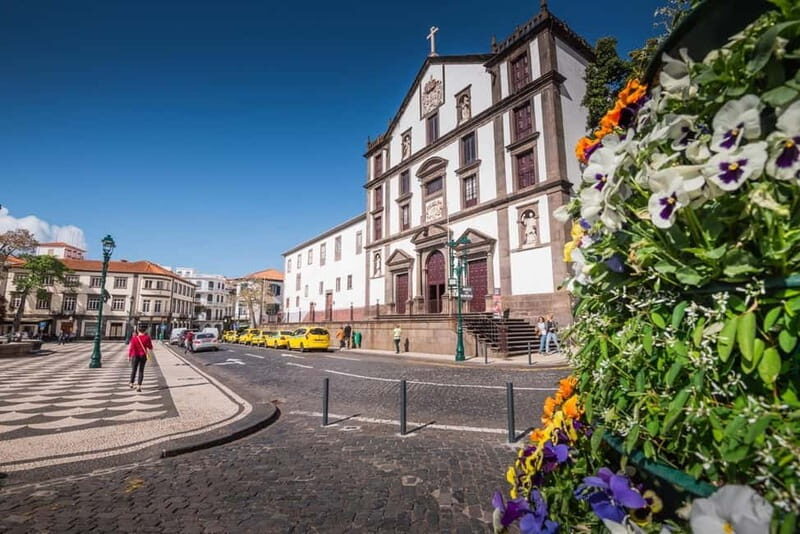
The tour’s meeting point is at the Jesuits’ College of Funchal, part of the University of Madeira, on Rua dos Ferreiros in the city centre—right next to D’Oliveiras Madeira Wine. This matters more than it sounds, because the start is not inside the church building itself. You’re looking for the University entrance on the street, specifically the glass doors and the University of Madeira signage.
I like that the tour begins in a place that already has long Madeira roots. This is a building with over four centuries of history, and starting here gives you an immediate sense of scale: Funchal didn’t become a “tourist city” in one jump. It grew through political power, trade links, and outsiders who ended up staying.
Expect the guide to set the tone quickly with the big historical threads—then the walk starts connecting them to specific corners of town. If you’re the type who enjoys learning a city through people (nobles, nuns, sailors, visiting elites), you’ll feel at home here.
You can also read our reviews of more tours and experiences in Madeira.


The English Connection: English Church Area And British Families
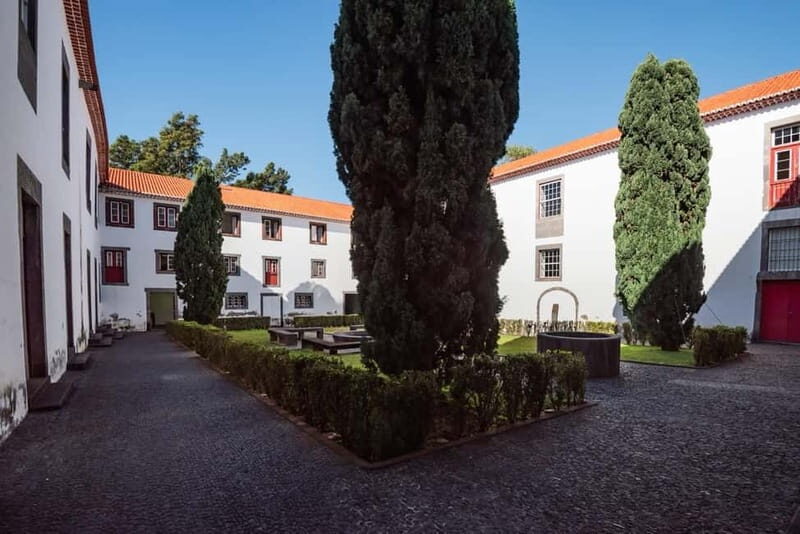
One of the most distinctive parts of this Funchal walking tour is the time spent in the city’s English neighbourhood vibe. You’ll hear stories about how British families helped shape Madeira’s identity over the centuries, and the walk is designed so you don’t just look at buildings—you understand why they exist.
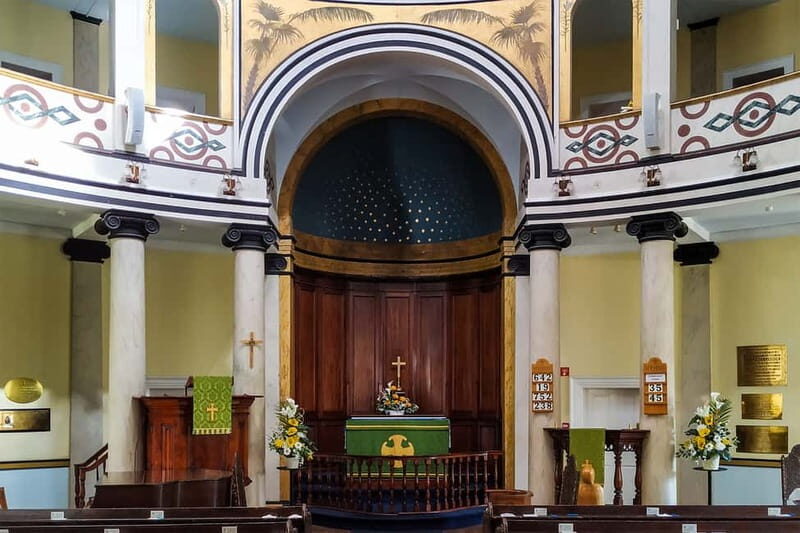
The highlight is the English Church area. You’ll pass by and learn what makes it unique and how it fits into the broader story of foreign communities on the island. Do note one practical thing: not every group may spend time inside the church. Some participants have said they were hoping to go in, so if interior access is important to you, don’t assume it’s guaranteed—show up with curiosity either way.
This section of the tour is also where the guiding style really shows. Many reviews praise guides for not rushing and for answering follow-up questions, including guides named Len, Sabrin, Daniel, Laura, Hannah, Louise, and Julia. If you ask something during the English quarter stops, you’re more likely to get an explanation that connects back to Madeira’s wider story, not just a quick fact and move on.
Noble Homes, The 1566 French Attack, And The Street-Level Drama
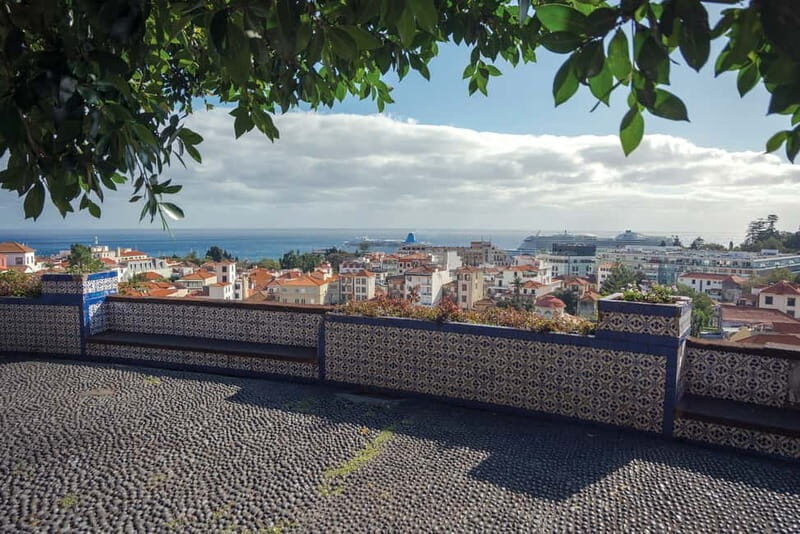
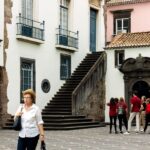
After the English ties, the route shifts into the “who lived here and why” zone. You’ll admire manor houses built by Madeiran elites and hear the kind of dramatic details that make the city feel alive rather than labeled.
A major story moment is the French attack of 1566. Even if you’ve read a bit about European naval conflicts before, the tour’s approach is different because it links the event to how people in Funchal would have experienced risk, politics, and aftermath. You’re not just learning that conflict happened—you’re walking through the city that grew around the consequences.
This is also where the tour leans into smaller-scale history: cloister walls, leafy squares, and neighbourhood streets that most visitors skip when they’re only following the main sights. I like these sections because they teach you a useful skill for independent travel: you start to recognize what’s meaningful in a city at walking pace, not at postcard pace.
Quinta Das Cruzes Viewpoint: Panoramas With A Zarco Thread
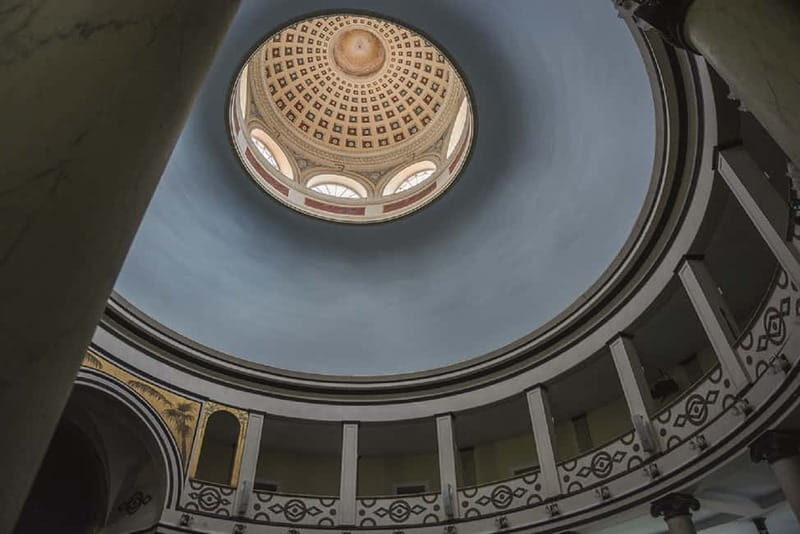
If you’ve ever looked out over Funchal and wondered what the “point” is—why people settled where they did—this stop answers part of it.
You’ll head to the Quinta das Cruzes viewpoint, near the former home of João Gonçalves Zarco, the naval captain associated with the early settlement of Madeira in the 15th century under the Portuguese king’s name. That link turns a standard-looking hillside view into something more specific: the overlook becomes part of a settlement story, not just a photo moment.
Even better, this stop helps you understand the island’s geography. Madeira is famous for its dramatic terrain, but during a short walking tour you need a few anchor points. The viewpoint does that. It gives you a mental map you’ll carry while you explore the rest of the city later.
This is also where the tour’s pacing matters. Several people noted the experience felt unhurried. In a 2-hour tour, that’s not just comfort—it’s how you actually absorb the stories.
Santa Clara Monastery: Nuns, Royal Visitors, And Queijadas
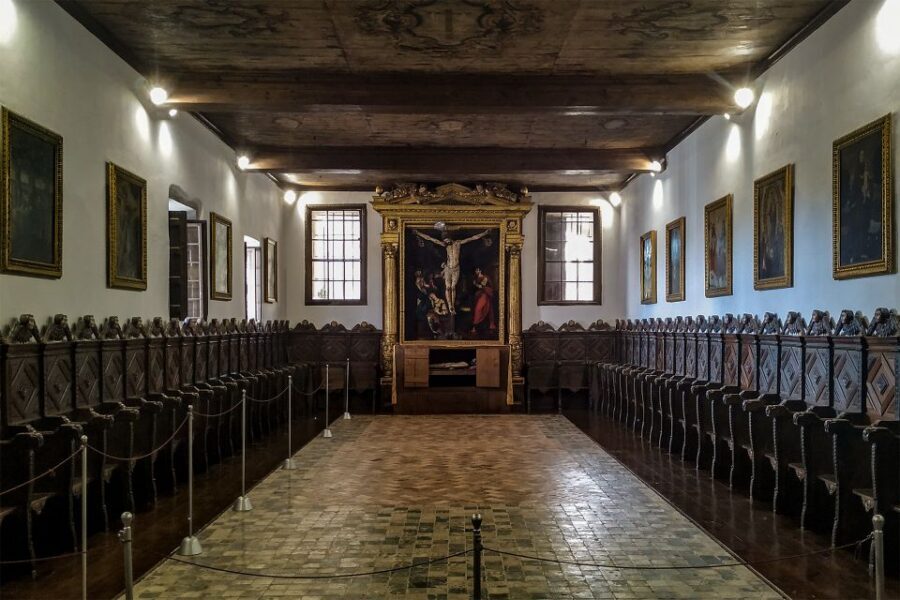
Then comes one of the most memorable cultural contrasts in the tour: religion and everyday sweetness.
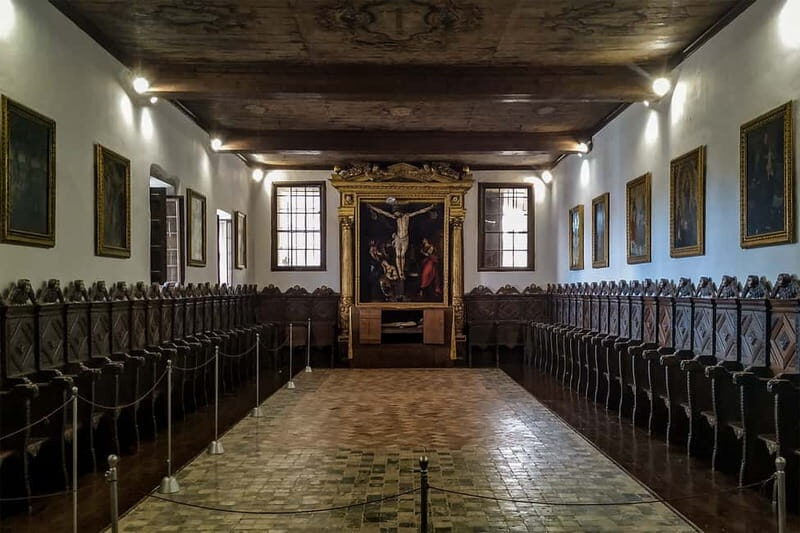
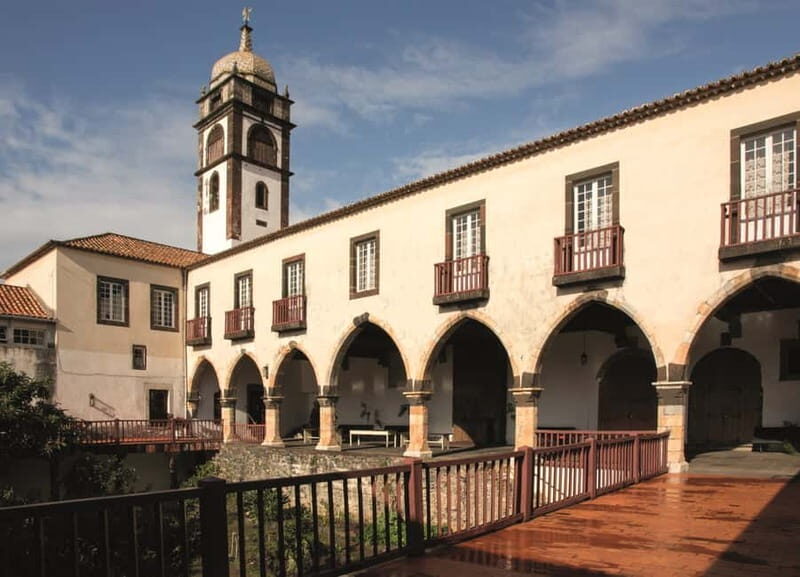
You’ll pass the Santa Clara Monastery, and the guide brings up surprising stories about the cloistered nuns who became part of the island’s tourist attraction narrative. The tour also covers why royal visitors would come to taste queijadas—Madeira’s famous cheese-based cakes.
That combination—strict religious life and then, in the real world, a connection to popular food culture—is exactly why this kind of guided walk beats reading a guidebook alone. It gives you an angle on the monastery that doesn’t feel like a wall of dates. It feels like people.
And because this is still Funchal, you don’t just stand and listen. You’re walking between stops through the older districts, past walls and churches connected to noble families’ legacies, and the story keeps adjusting to what’s around you.
One practical consideration: the walking route includes cobbled streets and slight inclines, so plan for uneven ground. You’ll still likely be fine if you’re in normal walking shape, but it’s not a “flat and easy” stroll.


How The University-Led Programme Changes The Tour
This tour isn’t just a private guide tour. It’s part of a Madeiran Heritage programme developed at the University of Madeira, and it’s delivered by students and volunteers. That difference shows up in the tone of the experience.
The guides tend to focus on clear, accessible narration and are trained through the university-led programme. In reviews, people consistently highlight how guides didn’t rush them and how they were able to answer questions. I’d treat that as a promise of a good back-and-forth, not just a scripted route.
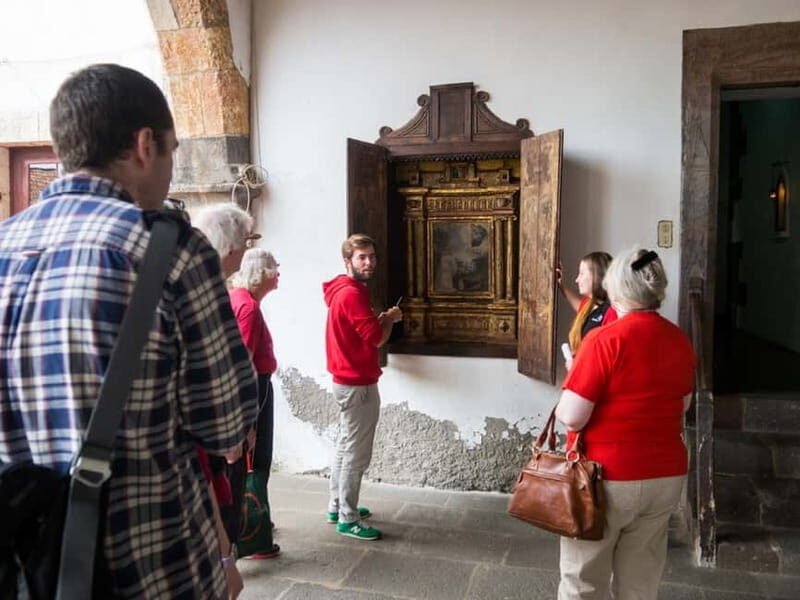
Also, small group size is built in. The experience is conducted in small groups to keep it personal and engaging. In the best cases, the group can be so small that the guide has more freedom to stop for extra explanation or adjust to your pace—one review described a group of two and a guide who had time to chat and take the route more slowly.
If you like your tours “live,” with room for questions and small detours, this format is a good match.
Price, Value, And Whether $17 Makes Sense
At $17 per person for about 2 hours, this tour is priced like something you can justify even on a tight Madeira budget. But value isn’t only about cost—it’s about what you get packed into those two hours.
You’re paying for:
- A guided walking route that links multiple neighbourhood stories (English quarter, noble homes, monastery)
- A university-led mission component that supports student education and social programmes
- An experience that’s specifically built to go beyond the most obvious main-route sights
So yes, it’s “cheap” in the good way. You get a meaningful context layer for Funchal’s architecture and culture, and you also help fund educational outreach. If you’re the kind of traveller who dislikes feeling like a cash machine for standard attraction tickets, this structure is a solid fit.
And because it runs in English, it’s straightforward if you’re travelling from the UK, Ireland, the US, Australia, or anywhere English-speaking.
What To Expect On The Ground: Timing, Stops, And Walking Comfort
The tour lasts 2 hours. Starting times vary, so check availability for the schedule you want. You’ll also want to arrive 10 minutes early at the Jesuits’ College entrance, because the meeting point is at street level next to the University signage—not inside the church.
The tour runs in most weather conditions, so bring sun protection or rain gear based on the day. The route includes cobbled streets and slight inclines. It’s listed as wheelchair accessible, but that’s paired with an important reality check: it may be unsuitable for guests with limited mobility due to the ground surface and grades. In practice, if you use a chair, I’d plan for the possibility that you might need assistance on uneven sections.
If you’re travelling with kids, the tour is suitable for children aged 10+ (younger children are welcome with supervision). And keep your hands free: no luggage or large bags, and pets aren’t allowed.
Comfort tip: wear shoes with real grip. Funchal cobbles can be pretty, but they don’t care about your fashion choices.
Guides You Might Meet: Names That Show Up In The Experience
One fun thing about this programme is that guides are often actual students and volunteers, so you can encounter different teaching styles while staying within the same story framework.
Names that appear in participant feedback include Sabrin, Daniel, Laura, Hannah, Louise, Julia, Len, and Carlos. The common thread across names is that people felt the guides explained things clearly, kept a good pace, and made time for questions.
If you’re picky about tour style, that’s useful information. You’re more likely to get a guide who pauses, answers, and adapts than someone who treats you like a queue number.
Should You Book Hidden Funchal: Stories & Secrets Tour?
I’d book this if you want Funchal that feels human. This tour works best when you like city history tied to places you can still walk past later—English Church references, noble-era corners, Santa Clara Monastery stories, and the viewpoint connection to early settlement.
Skip it only if your walking tolerance is very limited, or if you’re strictly hunting for “big-ticket” sights with lots of interior time. The route is real streets, not a bus-and-bundle approach. Also, if you’re set on going inside the English Church, be aware that access time may vary.
Overall, for $17 and a 2-hour commitment, it’s a smart add-on on a Madeira trip: you’ll leave with a better mental map of Funchal and a story framework you can use the rest of your day.
FAQ
Where do I meet for the tour?
Meet at the Jesuits’ College of Funchal, University of Madeira, next to D’Oliveiras Madeira Wine on Rua dos Ferreiros in the city centre. Look for the glass doors and University of Madeira signage at the University entrance.
How long is the Hidden Funchal: Stories & Secrets Tour?
It lasts about 2 hours. Starting times depend on availability.
How much does it cost?
The price is $17 per person.
What language is the tour in?
The live tour guide speaks English.
Is the tour wheelchair accessible?
The activity is listed as wheelchair accessible, but the route includes cobbled streets and slight inclines, which may make it unsuitable for guests with limited mobility.
What is included in the price?
You get a guided walking tour.
Are food and drinks included?
No. Food and drinks are not included.
What should I bring?
Wear comfortable shoes, and consider packing sun protection or rain gear depending on the weather.
Are pets allowed?
No, pets are not allowed.
Is it suitable for children?
It’s suitable for children aged 10+ (younger children are welcome with supervision).