REVIEW · FUNCHAL
Funchal Agriculture Green Tour
Book on GetYourGuide →Operated by Secret Madeira Lda · Bookable on GetYourGuide
Bananas here start in working fields. This 6-hour Funchal green tour strings together real agriculture stops, from a private banana plot to the government-linked banana business run on the island’s terms. I especially like the grafting-focused Agriculture School with greenhouse time, plus the old-school rum stop at Porto da Cruz.
One thing to plan for: in winter, you might not get perfectly ripe bananas for tasting.
Private access to a working banana field (not a staged photo stop)
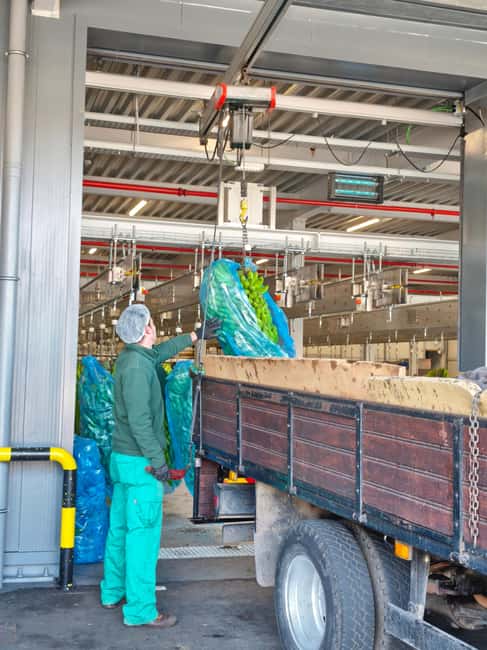
GESBA banana business visit with a clear look at what happens after cutting
Agriculture School greenhouse lessons on grafting and tree selection
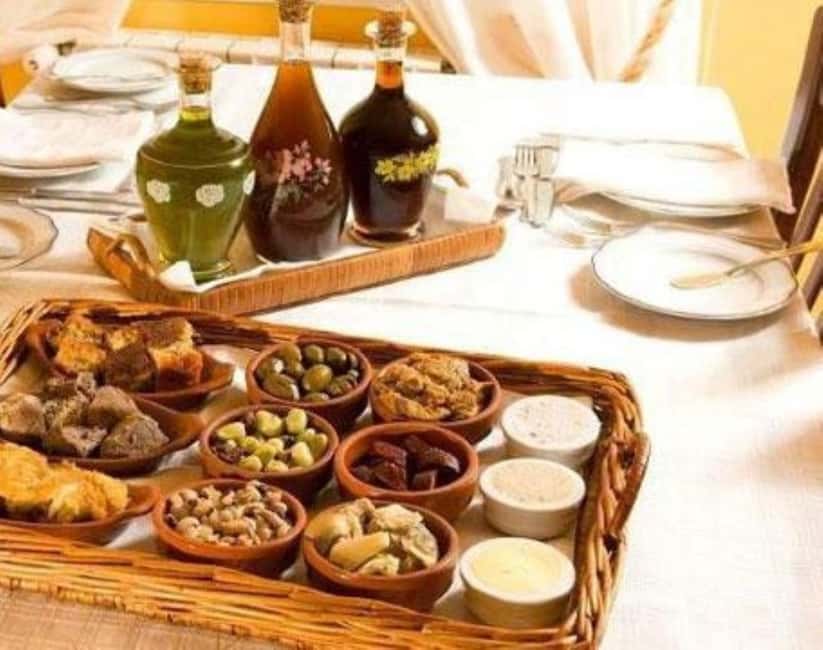
Local countryside lunch with bread, tapas, a main fish or meat choice, and desserts
Porto da Cruz rum factory where steam machines can still be running in peak season
In This Review
- Hotel pickups, small groups, and why the timing matters in Funchal
- Private banana field in Madeira: see the crop before it gets packed
- GESBA banana business: how bananas go from selection to packing
- Agriculture School and greenhouse grafting lessons: trees, not just fruit
- Lunch in rural Madeira: a cozy house meal with drinks and dessert
- Northern farms and a cattle stop tied to requeijão
- Porto da Cruz rum factory: steam machines and sugarcane season timing
- What to wear, how much walking to expect, and who this fits
- Price and value: does $100 make sense for a 6-hour agriculture day?
- Should you book the Funchal Agriculture Green Tour?
- FAQ
- How long is the Funchal Agriculture Green Tour?
- What’s included in the price?
- Do I get banana tasting too?
- Where does pickup happen?
- What languages is the guide available in?
- Is the tour wheelchair accessible?
- What’s the minimum age for children?
- What should I bring with me?
- Is the rum factory steam-machine experience seasonal?
- What’s the cancellation and payment flexibility?
Hotel pickups, small groups, and why the timing matters in Funchal
This is set up as a short day with a tight route. You’ll leave the Funchal area and head out into farms and the northern side of Madeira, then return to drop-off points. The tour runs about 6 hours, which is long enough to learn a lot, but not so long that you feel cooked by the end.
The group is limited to 8 participants, so you don’t get lost in the crowd. A live guide runs the show in English, Spanish, French, or German, and the tone is meant to feel friendly and practical—not classroom-y. There’s also a guided stretch early on, so you’re not just stuck watching from the bus.
Logistics are straightforward, but worth paying attention to:
- The tour includes pickup and drop-off around Caniço and Funchal.
- Your exact pickup details can shift a bit because of traffic or road works, and you should confirm by email or WhatsApp.
- You’ll want comfortable shoes and a jacket/warm layer, even if the day starts mild. Madeira weather has a talent for changing its mind.
If you hate surprises, this isn’t a dealbreaker—just plan to be a little flexible when the driver says delays happen.
Private banana field in Madeira: see the crop before it gets packed
The day starts with you being driven out from Funchal into farmland. The tour’s banana component isn’t just a viewing platform. You visit a private banana field, which is the real point of this excursion. You get to see how farmers look after the land and how the banana operation actually works when it’s in motion.
Then you connect that “in the ground” view with what happens after the bunches are cut. That second step matters because bananas don’t end at harvest. Timing, handling, and packing are part of the trade, and that’s where the tour shifts from scenery to systems.
In addition, you get banana tasting at the end of the banana section. One honest heads-up from the tour details: in winter you may not always have ripe bananas, so don’t build your day around expecting peak sweetness every season.
You can also read our reviews of more tours and experiences in Funchal.
GESBA banana business: how bananas go from selection to packing
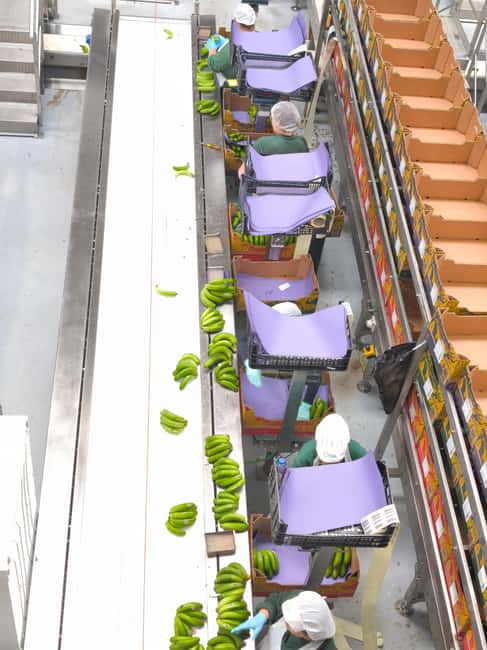
After the private field, you’ll visit the GESBA – Empresa de Gestão do Sector da Banana, Lda., a banana business linked to the island’s structure. This is the “how the whole chain works” stop.
What I like about this part is that it answers a question most people never ask: once farmers cut bananas, what’s next? You’re shown the process from selection to packing, which gives you a more complete picture of why Madeira agriculture looks the way it does.
Even if you’re not a banana superfan, this stop is useful. It helps you see the gap between a farm you can picture and the production steps that keep fruit moving reliably. And because the group is small, you can actually ask questions instead of shouting over a bus engine.
Agriculture School and greenhouse grafting lessons: trees, not just fruit
The tour’s standout learning moment for many people is the private Agriculture School. This is where the focus moves from banana growing to how growers prepare the next generation.
At the school, farmers come to buy trees to plant. That alone tells you this isn’t just sightseeing. You’re seeing how cultivation continues year to year. There’s also a tour around the school grounds, where you can see international trees planted years ago, alongside local fruit trees such as avocados and lemon trees.
When fruit is in season, you may get tasting as part of this stop. And the greenhouse component is centered on grafting methods used on the island.
Why grafting matters (in plain terms): it’s a way to combine traits—helping growers manage disease resistance and productivity based on what works best for Madeira’s conditions. You’re not just watching plant life. You’re getting the logic behind why farmers choose certain combinations of rootstocks and scions. That’s the kind of knowledge that makes the rest of the tour feel more meaningful.
Lunch in rural Madeira: a cozy house meal with drinks and dessert
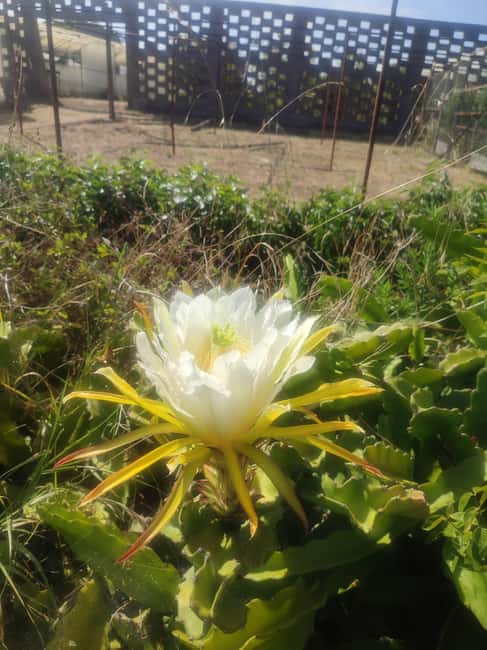
After farm stops, the day turns calmer with lunch served in a countryside setting. It’s not a fancy tourist restaurant theme. The meal is described as being prepared like locals do at home.
You can expect:
- Fresh baked home bread
- Tapas with local food
- A main meal choice of fish or meat
- Fresh vegetables
- Homemade desserts
- Drinks included, plus coffee
This is the part of the day that makes the tour feel like a full experience, not just a checklist of attractions. Also, the timing is smart. You’ve spent hours outside and you’re probably ready for food that feels real.
If you’re traveling with kids, this lunch stop tends to land well because it’s straightforward, not fussy. Just bring the usual hunger expectations: six hours is a long time to be out, and lunch is a proper meal, not a snack.
Northern farms and a cattle stop tied to requeijão
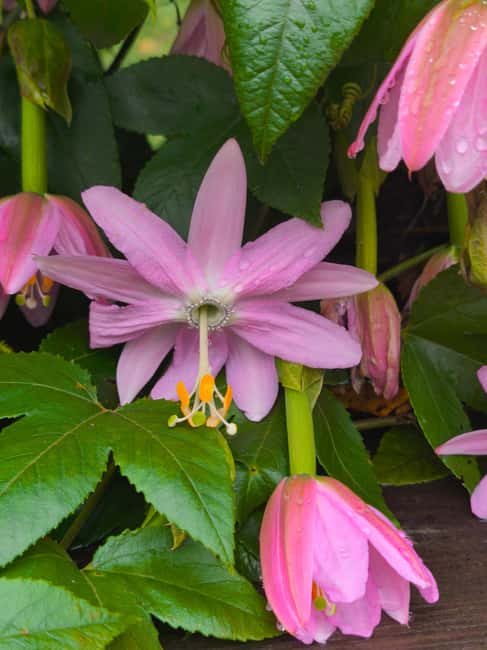
Once lunch clears, you drive toward the northern part of Madeira where you see farms and farmers working. The scenery helps, but the point is the human part: agriculture here is hands-on and ongoing.
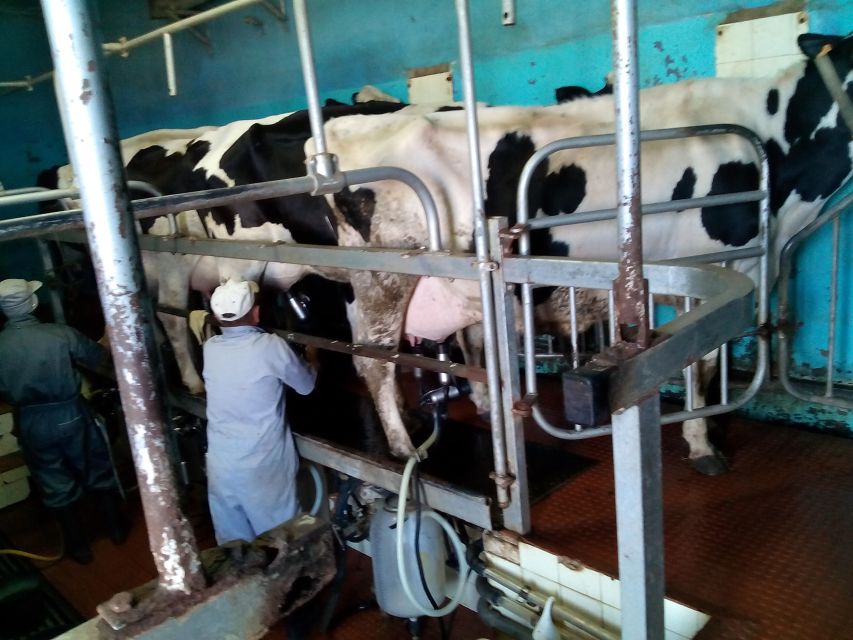
Then you head to a private cattle farm with a long family history on the dairy trade. This is where the tour connects the dots between milk and the island’s famous cheese culture. The farm provides much of its milk used for requeijão—and you’ll learn about that process and see old milking techniques.
This stop is memorable because it’s not only about animals. You’re learning how tradition and production methods fit together. You also get those views from the countryside, with the farm setting giving you a sense of why families keep these operations going.
One practical note: this part of the day involves farm-style conditions, so keep your shoes tied well. It’s a countryside experience, not a museum floor.
Porto da Cruz rum factory: steam machines and sugarcane season timing
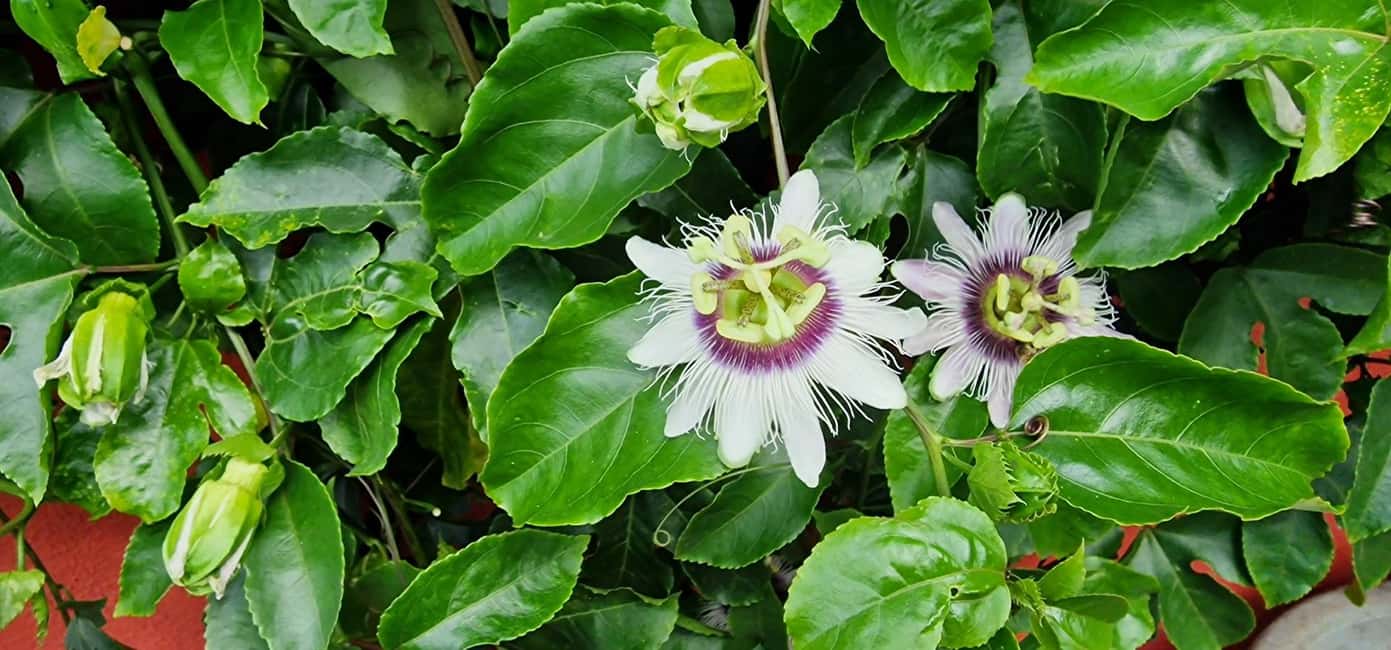
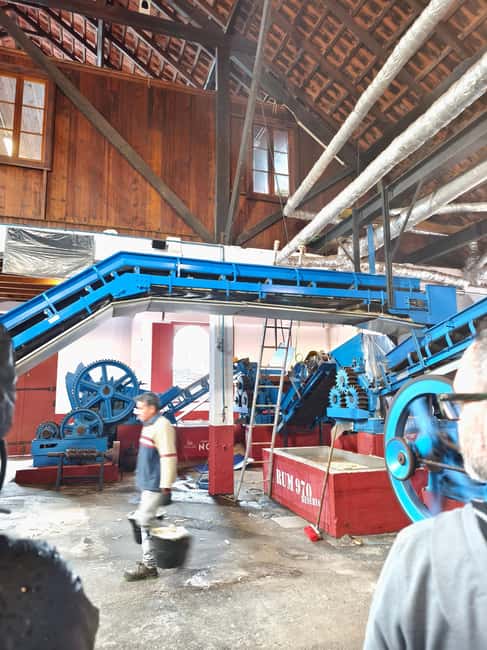
Toward the end of the tour, you stop in Porto da Cruz, in the sugarcane region. This is where you visit one of Madeira’s oldest rum factories.
The detail that makes this stop special is the mention of steam machines that can still be used. The tour notes that during April to May, in the sugarcane season, the machines are operating. Even if you’re there outside that window, the visit is still about how the production has been done over time.
You also get rum tasting here. That makes the visit feel like you’re not just watching history—you’re experiencing it with your senses.
This is also the stop that often surprises people. A rum factory sounds like a quick look, but the steam-machine angle turns it into a more hands-on, story-forward kind of visit. And because Porto da Cruz is known for sugarcane, it fits neatly with everything you saw earlier in the day—crops, processing, and the people behind it.
What to wear, how much walking to expect, and who this fits
This tour mixes bus time with farm-time. You’ll need to be comfortable moving around at each stop, including outdoors. For footwear, go with something you can trust if the ground is uneven or damp. Think practical, not cute sandals.
Bring:
- Comfortable shoes
- Warm clothing
- A jacket, especially since morning and late afternoon can feel cooler
In terms of who it suits:
- It’s a strong match for people who like agriculture, animals, and how food systems work.
- It’s also a good option for families, since the day includes farm animals and a mix of educational stops.
- It is not suitable for children under 6.
- It is not wheelchair accessible.
If you’re traveling with mobility challenges, this is one you should skip or ask the provider about alternatives, because the farm stops and general setup aren’t built for wheelchairs.
Price and value: does $100 make sense for a 6-hour agriculture day?
At about $100 per person for a 6-hour small-group tour, the value depends on what you care about.
Here’s why the math can work:
- You’re paying for access: private banana fields, a private cattle farm, and an Agriculture School visit.
- You get multiple guided stops, including GESBA and greenhouse grafting education.
- Lunch is included with drinks and coffee, plus dessert—so you’re not buying meals separately.
- Rum tasting is included.
- Hotel pickup and drop-off are included for areas like Caniço and Funchal, which cuts out taxi hassle.
If you want Madeira agriculture in one day without stitching together separate tours, $100 can feel fair. If you mainly want scenic viewpoints, you might find the day more “learn and watch” than “photo and relax.”
I’d book it if you’re the type of traveler who enjoys understanding how things are made—bananas, fruit trees, dairy, and rum—using real places instead of staged demonstrations.
Should you book the Funchal Agriculture Green Tour?
Book this tour if you want a hands-on look at Madeira’s food chain, not just a drive past farms. The private field access, the grafting education at the Agriculture School, the working cattle farm history, and the Porto da Cruz rum component create a full day with strong variety.
Skip it if:
- You need wheelchair accessibility.
- You’re traveling with very young kids (under 6).
- You’re visiting in winter and banana tasting is a must-have (you might not get ripe bananas).
My practical advice: wear sturdy shoes and bring a jacket. Then go in with a curious mindset. This day works best when you treat farms like a living system—because that’s exactly what you’re seeing.
FAQ
How long is the Funchal Agriculture Green Tour?
The tour lasts 6 hours.
What’s included in the price?
The tour includes hotel pickup and drop-off (for Caniço and Funchal), entrances to the banana farm, Agriculture School, and cow farm, local lunch with tapas, dessert, drinks and coffee, and rum tasting.
Do I get banana tasting too?
Yes. The tour includes banana tasting at the end of the banana part of the day. In winter, ripe bananas are not always available.
Where does pickup happen?
Pickup and drop-off are included for Caniço and Funchal. The tour also mentions other pickup/drop-off areas, and for some nearby areas you may be asked to meet at a main road location. Check your email/WhatsApp message for the exact details.
What languages is the guide available in?
The live guide can speak Spanish, English, French, and German.
Is the tour wheelchair accessible?
No. The tour is not suitable for wheelchair users.
What’s the minimum age for children?
The tour is not suitable for children under 6.
What should I bring with me?
Bring comfortable shoes and warm clothing (a jacket is recommended).
Is the rum factory steam-machine experience seasonal?
The tour notes that the steam machines are operating during sugarcane season, April to May.
What’s the cancellation and payment flexibility?
The tour offers free cancellation up to 24 hours in advance for a full refund, and it also has reserve now & pay later.