REVIEW · TENERIFE
Entrance Ticket at La Casa de Los Balcones House-Museum
Book on Viator →Operated by La Casa de Los Balcones · Bookable on Viator
One winding staircase, a quiet courtyard, and you’re done. Casa de los Balcones is a small house-museum in La Orotava, and the advance ticket helps you get in smoothly without babysitting a strict schedule. The visit runs roughly 15 minutes to 1 hour, and you can move through the rooms at your own pace while picking up the Canarian details that make this place feel real.
What I like most is the flexibility—you choose your time within opening hours—and the fact that you don’t arrive empty-handed. You get a free audioguide, plus the house is paired with typical Canarian crafts so it feels more like local heritage than a drive-by photo stop. The main thing to consider: the interior experience involves steep, narrow spiral stairs, and the second floor isn’t accessible.
In This Review
- Key highlights that matter on the ground
- Casa de los Balcones in La Orotava: a small stop that saves time
- Entering with your mobile ticket: what to do at the ticket point
- Inside the house-museum: rooms on one level plus the courtyard mood
- The “first impression” climb
- Period rooms and preserved details
- The courtyard below
- The audioguide and QR-style support: how to get more out of 1 hour
- Language notes
- The photo and Canarian-clothes moment
- Crafts shop and souvenirs: what’s included and what to watch for
- Price and value: why $7.23 can be a smart buy
- Accessibility and comfort: plan for stairs, plan for yourself
- Timing that works: opening hours and last entry window
- If you want the bigger experience: add-on options with official guides
- Practical tips I’d use before you go
- Should you book La Casa de Los Balcones House-Museum?
- FAQ
- How long is the Casa de los Balcones visit?
- What language is the admission experience available in?
- Do I need to print anything for entry?
- What time is the house open?
- Is the audioguide included?
- Is there free parking?
- Can children visit?
- Can I cancel for a refund?
Key highlights that matter on the ground
- Phone-friendly entry: show your mobile ticket or printed voucher at the ticket point
- Free audioguide: you’re not stuck reading labels only
- Historic house layout: period rooms on the upper level plus a calm courtyard below
- Canarian photo moment: you can try on typical Canarian clothes for a souvenir photo
- Free parking: a real bonus in La Orotava
- Limited scope: expect a focused visit, not a huge museum
Casa de los Balcones in La Orotava: a small stop that saves time
Casa de los Balcones is the kind of attraction that’s easy to underestimate. From the outside it looks like a historic house you’d wander through, but what makes it especially practical is how compact the visit is once you’re inside. Your ticket is timed in the sense that you enter during opening hours, but the vibe is flexible: you don’t need to be locked to a minute-by-minute schedule.
That flexibility is a big deal if you’re touring Tenerife at a relaxed pace. La Orotava is full of things that take longer than you expect—pretty streets, viewpoints, small shops, coffee breaks. A house-museum you can fit in without stress is good planning.
Also, this is a small-group experience (maximum 15 travelers). That matters here because the house is not designed for crowds. It’s more like stepping into a preserved home than moving through a warehouse museum. The flow tends to feel more manageable, especially if you arrive earlier in the day.
You can also read our reviews of more tours and experiences in Tenerife.



Entering with your mobile ticket: what to do at the ticket point
This is set up to be easy on the logistics side. You’ll use an entrance ticket you can access on your phone (mobile ticket), and the official note is clear: you’ll need to show your smartphone with the reservation or bring a printed voucher to access the museum house.
Your meeting point is right by the attraction: Casa de los Balcones, C. San Francisco, 3, 38300 La Orotava, Santa Cruz de Tenerife, Spain. The activity ends back at that same meeting point, so you’re not signing up for a complicated route through town.
Two practical wins:
- Free parking is included. If you’re driving in Tenerife, this can easily turn a “maybe later” stop into a “yes, today.”
- It’s near public transportation, so you can still make it work even if you don’t have a car.
One small heads-up based on how these houses operate: the entry is in a tight space, and it can be tempting to rush. Don’t. Get your ticket ready before you reach the ticket point so your arrival is smooth.
Inside the house-museum: rooms on one level plus the courtyard mood
The experience is built around the house’s architecture: you start the visit at the house museum, and you’ll spend about 30 minutes for admission included in your ticket (with many visits running up to around an hour depending on how slowly you move).
Expect a compact route that still feels interesting because the house itself is the exhibit. Here’s what you should be ready for:
The “first impression” climb
Several visitors highlight the same detail: you’ll go up a steep, narrow spiral staircase to reach rooms dressed for the period. In practical terms, that means:
- Wear shoes with real grip.
- Take your time.
- If you have knee or back issues, plan carefully because there may not be an easy handrail situation throughout the climb.
If stairs are a challenge for you, the visit may still be doable, but it’s not the kind of attraction that’s automatically comfortable for limited mobility.
Period rooms and preserved details
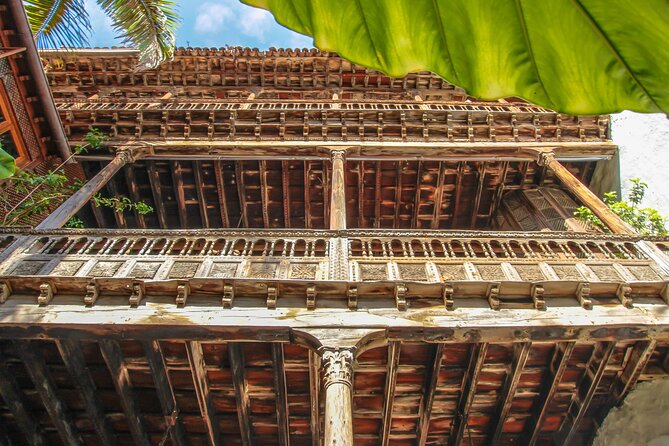
Once you’re up, the rooms give you that “lived-in but preserved” feeling. Some spaces are preserved with glass, and the layout emphasizes woodwork, period furnishings, and views out to balconies or openings.
This part is where the house earns its reputation. It’s not just empty rooms—it’s the craft and the design choices that help you picture what daily life might have looked like.






The courtyard below
Downstairs, you’ll be in the calmer zone: a courtyard with plants, including avocado trees, plus outdoor views and photo opportunities. Courtyards like this are one reason these old houses survive as cultural sites—you get a little break from indoor viewing and you can slow down.
One more practical note: based on how the visit is described, you may feel the route ends fairly soon once you’ve seen the main upper rooms and the courtyard. That’s not a bad thing, but it’s good to set expectations.
The audioguide and QR-style support: how to get more out of 1 hour
Your ticket includes a free audioguide, and that’s a key reason I think this is good value. A historic house can turn into a “look and guess” experience fast. With audio, you get context without having to stand still reading every label.
Some visitors also describe a QR code on arrival that provides a guided tour. In other words, you might see more than one way to access information—audio on your own device, plus a QR-triggered guide.
Language notes
The tour offering is listed as available in English, so you won’t have to rely on translations on the spot.
That said, one review detail is useful for your expectations: some people found the English delivery style hard to listen to for long. My advice is simple: if audio storytelling isn’t your thing, don’t feel trapped. Use it for the sections that matter most to you—woodwork, family background, and what you’re looking at—then switch to your own pace.
The photo and Canarian-clothes moment
One of the fun bits built into the experience is the chance to try on typical Canarian clothes and take home a souvenir photo of the moment. That’s not only for families. If you like souvenirs that feel connected to place, this is a better approach than buying a generic keychain.
Just remember it’s still a house-museum. Keep it light, keep it respectful, and treat it like part of the experience, not the whole experience.
Crafts shop and souvenirs: what’s included and what to watch for
This visit comes with a typical Canarian crafts shop as part of the experience. In plain terms, you’re going to see a shop right in the flow of your museum visit, and that means it’s easy to overspend if you’re tired or in “vacation shopping mode.”
Here’s how I’d approach it:
- Look for handcrafted items that match the local craft focus you notice in the museum area (embroidery is one example people have called out as genuinely worthwhile).
- Spend intentionally. If something doesn’t feel like it’s tied to the house or the Canarian story, you don’t owe it your money.
One review includes a frustrating moment in the shop: a shopper felt watched while browsing and left upset. Whether that’s your experience or not, it’s a helpful reminder to plan your shopping mindset. If you’d rather browse in peace, you can keep your souvenir budget small and decide on purchases only once you’ve found something that clearly feels handmade and local.
Also, if you’re traveling with kids, you can mix the “try-on clothes” fun with a small, controlled shopping stop. That tends to keep the experience from turning into a shopping detour.
Price and value: why $7.23 can be a smart buy
At $7.23 per person, Casa de los Balcones sits in the “quick win” category. For that price, you’re not paying for a giant museum—you’re paying for:
- Admission to a preserved historic house
- A free audioguide
- Access to the courtyard and period-room focus
- A crafts stop experience
In my view, the value works best when you treat it as a short, high-impact cultural break rather than expecting a full-day attraction. This is especially true if your Tenerife itinerary already includes other big hits like viewpoints, botanical stops, and churches. Casa de los Balcones then becomes the “local life, right now” piece.
Where value can feel weaker is when you want lots of rooms and lots of time. The visit is compact, and access is limited: you can access all houses except the second floor of La Casa de Los Balcones, and visitors with reduced mobility can access the interior patio and the first floor. If you’re hoping for expansive stair-to-roof exploration, you may feel the time runs quickly.
Accessibility and comfort: plan for stairs, plan for yourself
The house-museum is charming, but it’s also physical.
What’s explicitly supported:
- All houses are accessible except the second floor of La Casa de Los Balcones.
- People with reduced mobility can access the interior patio and the first floor.
What you should still consider:
- The visit route involves a steep, windy spiral staircase to reach some viewing areas.
- There’s no guarantee this will be comfortable if you have knee, back, or balance concerns.
So I’d frame it like this: if stairs are a deal-breaker for you, check your comfort level before booking. If stairs are manageable but tiring, wear supportive shoes and go early, when your energy is highest.
Also remember the simple house rules: smoking isn’t allowed inside (except on the terrace of the Gastrolercaro restaurant). That’s normal for historic interiors and helps keep the experience pleasant.
Timing that works: opening hours and last entry window
The house is open 10:00 am to 6:00 pm. The last visit starts half an hour before closing, so plan to arrive in time rather than treating it like a “whenever” stop.
If you’re touring earlier in the day, you’ll likely enjoy it more. Small museum spaces feel better when you’re not arriving at the absolute peak of foot traffic.
Also, keep in mind: food and drinks aren’t included. That matters because you might be tempted to treat the stop as part of a long lunch. I’d treat it as a stand-alone cultural break, then grab something to eat nearby after.
If you want the bigger experience: add-on options with official guides
Your standard ticket is focused on Casa de Los Balcones. But there’s also the option to visit all three houses with an official guide if you book in advance through the official website contact form.
This is worth knowing because it changes the whole day plan. If you’re the type who wants more context and a longer story arc, the guided multi-house option can fit better than a short self-paced visit.
If you’re just trying to check out one house well and keep moving, the ticket here is still a good fit.
Practical tips I’d use before you go
- Bring your ticket access ready: have your phone reservation up, or print the voucher if you prefer.
- Wear grippy shoes for the spiral stair areas.
- Go in expecting a short route: you’re touring a preserved house, not a sprawling museum campus.
- Use the audioguide in the rooms where you’re looking at period details. Save the courtyard time for a slower pace.
- Plan for photos: balconies/windows and the courtyard are photo-friendly moments.
- Budget for souvenirs carefully: the shop is part of the experience, but you can choose only what feels truly Canarian.
Should you book La Casa de Los Balcones House-Museum?
I’d book it if you want an efficient, low-pressure introduction to Canarian domestic life in La Orotava. The mix of historic period rooms, a free audioguide, and that courtyard pause makes it feel like you used your time well—even if the overall visit is short.
Skip it (or at least think twice) if you strongly dislike steep stairs or need fully step-free access throughout. Also, if you hate shopping-in-the-flow situations, go in with a clear souvenir plan so the shop doesn’t steer your mood.
If your Tenerife day has room for one focused cultural stop, this is a solid one to slot in.
FAQ
How long is the Casa de los Balcones visit?
The experience is listed as about 15 minutes to 1 hour. Many visitors finish sooner if they move quickly, but you can go at your own pace.
What language is the admission experience available in?
The entrance ticket experience is offered in English.
Do I need to print anything for entry?
You must either take a printed voucher or show your smartphone with the reservation to access the museum house.
What time is the house open?
The House-Museum is open 10:00 am to 6:00 pm, and the last visit starts half an hour before closing.
Is the audioguide included?
Yes. A free audioguide is included with admission.
Is there free parking?
Yes, parking is free.
Can children visit?
Children must be accompanied by an adult.
Can I cancel for a refund?
Yes. You can cancel for a full refund if you cancel at least 24 hours in advance of the experience’s start time. Free cancellation is offered up to that cutoff.