REVIEW · RETHYMNO
From Rethymno: Samaria Gorge Full-Day Trek, Pickup & Guide
Book on GetYourGuide →Operated by PLATANOS TOURS · Bookable on GetYourGuide
Crete crams a lot into one gorge day. You get picked up in Rethymno area, driven into the White Mountains for breakfast, then hike through Samaria Gorge National Park down to the sea at Agia Roumeli.
I especially love having a tri-lingual English/German/French escort who keeps the day moving and answers questions. I also love the pay-off: a real swim time in Agia Roumeli, followed by an easy ferry and bus ride back.
The big catch is simple: this trek is rocky and demanding. Plan for sore legs and take care of your feet and knees, especially on the slippery descent sections.
In This Review
- Key Highlights Worth Marking in Your Head
- Why Samaria Gorge From Rethymno Feels Like a Real Adventure
- The Drive to Omalos: Breakfast and Mountain Road Reality
- Entering Samaria Gorge: Terrain, Timing, and Water Stops
- Flora, Birds, and the Guide You’ll Actually Remember
- Agia Roumeli: Beach Time, Taverns, and Leg Reset
- The Ferry Back to Sfakia: Your Scheduled Scenic Break
- Price and Value: What You Pay for the Whole Day
- Who This Gorge Trek Really Suits (And Who Should Pass)
- Practical Packing: Small Choices That Prevent Big Problems
- Should You Book This Samaria Gorge Day Trip From Rethymno?
- FAQ
- What’s the total time for this trip from Rethymno?
- How long is the hike inside Samaria Gorge?
- What are the main costs besides the $37 price?
- Do I need hiking shoes or will trainers work?
- Is the hike guided as a group?
- Will I get time to swim in Agia Roumeli?
- Are there bathrooms during the day?
- Who shouldn’t take this trek?
Key Highlights Worth Marking in Your Head
- A guide who works in English, German, and French so you get real explanations, not just directions
- Hike at your own pace with the guide trailing to help if you need a hand
- Steady water access inside the gorge from springs and fountains, so you can refill
- Agia Roumeli downtime with taverns and beach time after the hard walking
- Ferry back to Sfakia gives you a calm reset after all that descending
- Naturalist-style stops for indigenous rare plants, flowers, and bird species sightings
Why Samaria Gorge From Rethymno Feels Like a Real Adventure
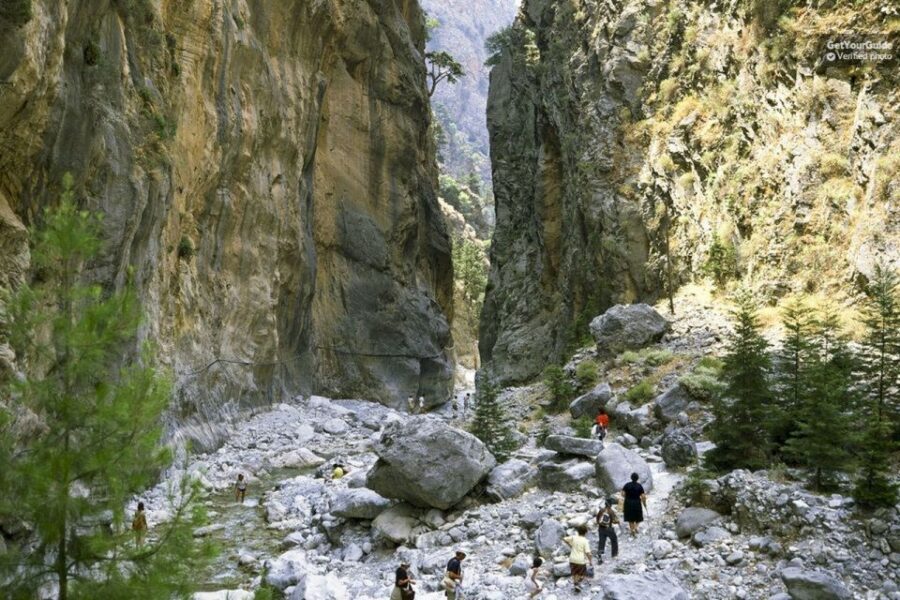
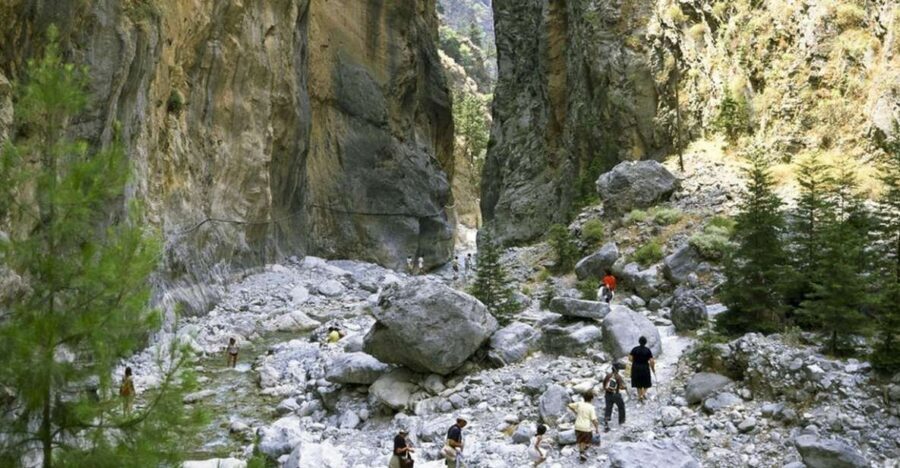
Samaria Gorge is one of Crete’s few full-day outdoor “main events” that feels wild even when you’re doing it with transportation and a guide. The day starts with the mountain drive into the White Mountains, then turns into a long downhill trek through old forest, river edges, and fresh-water springs—exactly the kind of scenery that makes you walk slower just to look around.
What makes this outing work for me is the balance. You’re not stuck shuffling with the group in lockstep the whole time. You hike at your own pace, while your escort stays at the end of the line so you can slow down (or regroup) when the terrain gets tricky.
And you’ll get more than the usual point-and-shoot tour. The guide talks about rare indigenous plants, flowers, and bird species, plus you keep an eye out for mountain goats roaming in the wild. That turns the gorge from a checklist hike into a nature-focused day.
The Drive to Omalos: Breakfast and Mountain Road Reality
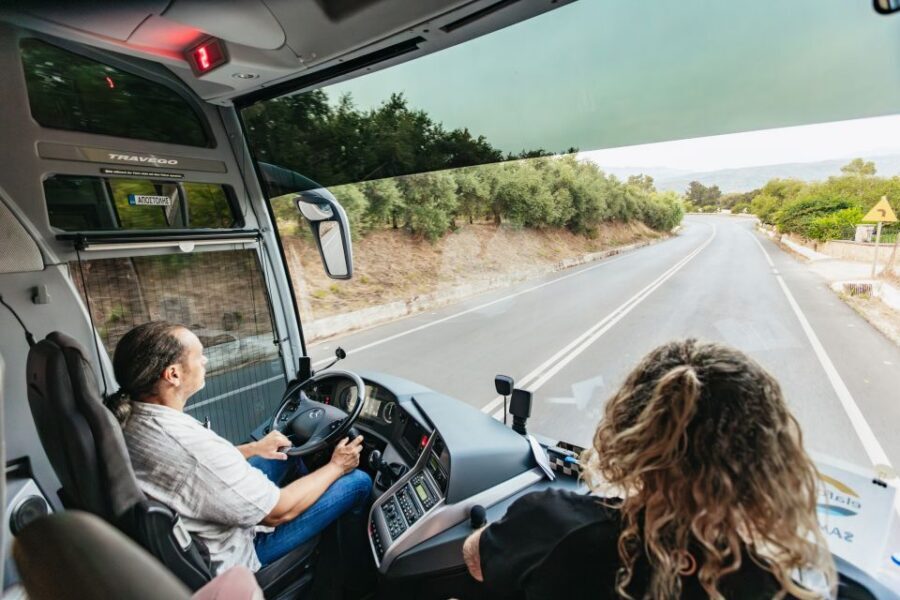
This trip is long by design, so it’s smart to treat it like a full travel day, not a quick outing. You’ll be picked up from a broad set of Rethymno-area points, then ride by air-conditioned coach up to Omalos in the heart of the White Mountains.
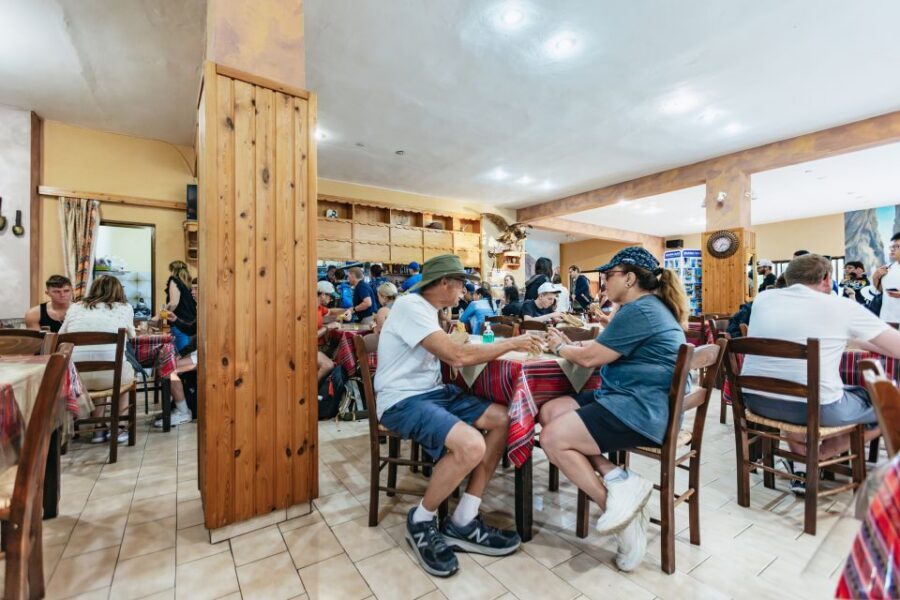
Before you start hiking, you’ll get a short break—plus breakfast. It’s the practical kind of prep that matters on days like this: you’ll be walking for hours, mostly downhill and rocky, so your stomach and energy need a head start.
On the drive, expect the roads to be mountain-curvy. One thing I’d keep in mind: pickup timing depends on which hotel area you’re in, and some pickup instructions can be vague. A guest noted an email that suggested a different meeting point, but the bus stopped right outside their hotel instead. So when you get your pickup info, double-check it and be ready at the curb when the driver arrives.
Entering Samaria Gorge: Terrain, Timing, and Water Stops
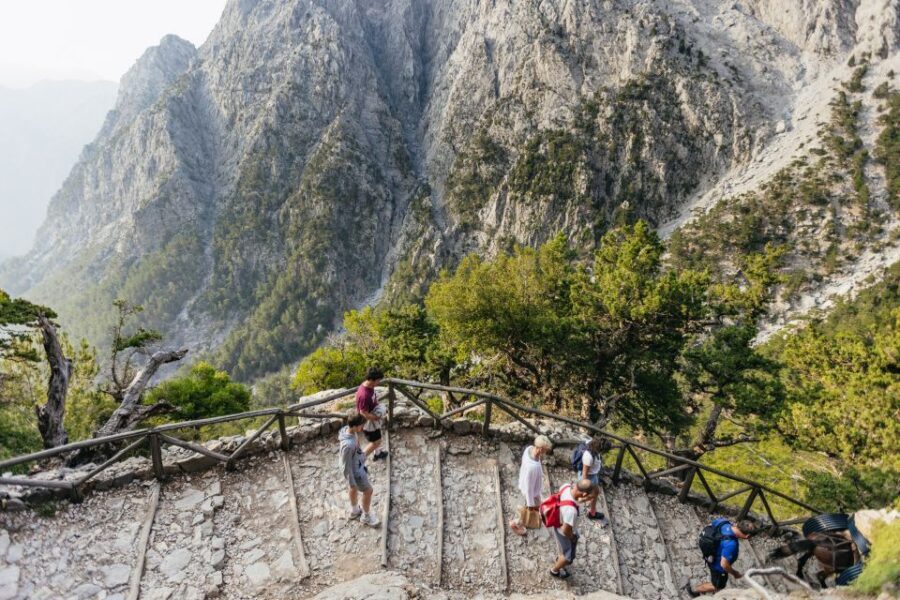
Now for the part that decides everything: the walk itself. Your hike covers about 18 kilometers of challenging terrain. The walking time is often described around 4.5 hours through the gorge, but your total day is longer because of breakfast, transfers, ferry time, and the village break.
The footing is the real story. This is not a smooth trail. It’s a mix of rocks, loose stones, and sections that can feel slippery—especially earlier on when you’re getting your legs under you. One traveler even mentioned the start as a steep drop (about 1200 meters down toward 400 meters), which explains why people feel it immediately in their knees and calves.
A few practical truths that help a lot:
- Good hiking shoes are not optional. If you have ankle support and grip, you’ll enjoy the day more.
- Take trekking poles if you use them. They can reduce stress on downhill sections.
- You’ll want a hat and sunscreen. Even with shaded stretches, sun exposure is real on rocky paths.
Inside the gorge, water is a big advantage. There are springs and refill points, plus rest areas where you can top up. One useful tip from past hikers: don’t overpack heavy water. Refill when you can, but keep enough with you to avoid long gaps.
Also plan for low phone reliability. A guest specifically said there’s no mobile reception in the gorge, so don’t count on your screen as a safety net.
And yes, there are waysides and support areas. If you need help, there are attendants at various locations. But the best strategy is prevention: slow down on tricky sections, and keep your balance.
Flora, Birds, and the Guide You’ll Actually Remember
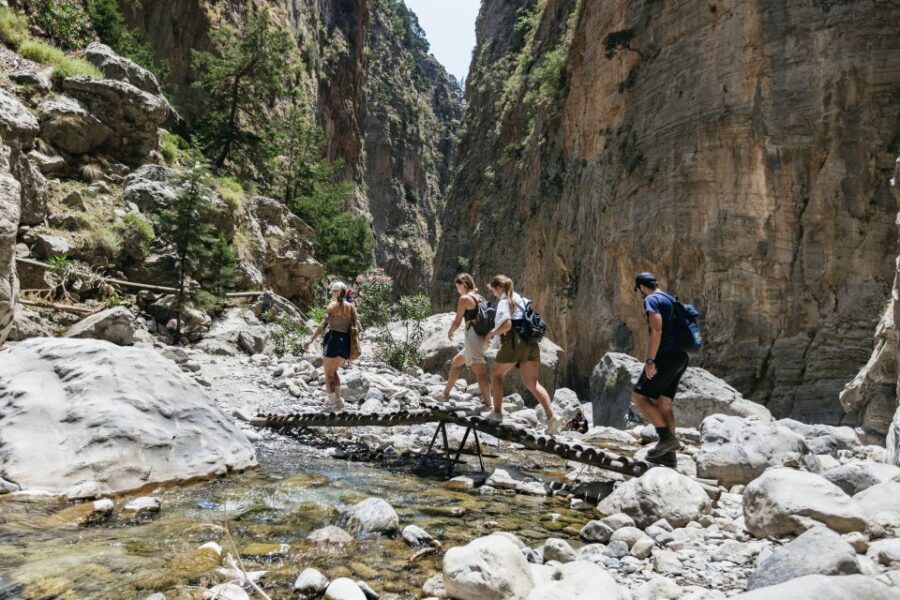
One reason I like this kind of gorge tour with an escort is that the guide turns “walking” into “noticing.” You’re heading through thousand-year-old trees and forested segments, then into river-adjacent scenery with freshwater sources. The guide explains indigenous rare plants and flowers, plus what bird species you should keep an eye out for.
Names from past days stuck out for a reason. Hikers have praised guides like Pia, Alexandra, and George for being caring, attentive, and good at communicating in multiple languages. Several people specifically noted that the guide checks on hikers during the walk, which is reassuring when the terrain is rough and your pace varies from the next person’s.
If you care about animals, keep your eyes open for mountain goats. The gorge isn’t a petting zoo. It’s the real wild side of Crete, so spotting wildlife is about observation, not chasing.
And here’s the mindset that improves the experience: follow the path rules and stop where it’s safe if you want to photograph plants or birds. It’s common to see well-meaning people stepping off-trail for a better view. Don’t do it. The gorge is rugged enough without adding preventable risks.
Agia Roumeli: Beach Time, Taverns, and Leg Reset
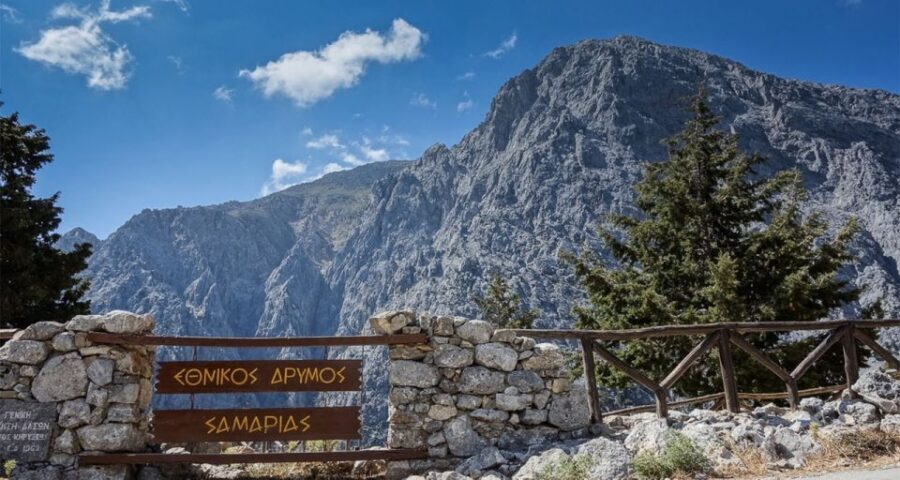
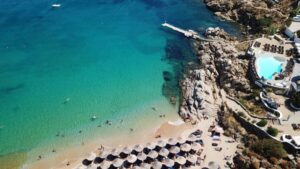
When you exit the gorge, the energy shift is almost instant. You reach Agia Roumeli, a small village with taverns, bars, and shops—exactly where you want to land after hours of rocky downhill walking.
You’ll have a couple hours of free time. This is your chance to do three high-value things:
- Eat something that isn’t a sandwich-by-hunger
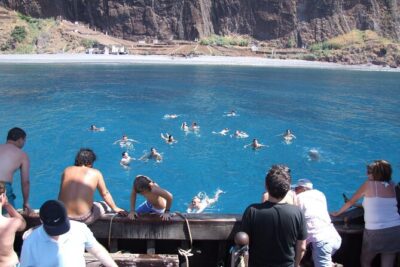
- Cool down with a swim
- Let your legs recover before the ferry and bus
The water here is frequently described as crystal clear. In practice, it’s the best reward because the gorge is exhausting on your body and your mind. After a swim, your stride usually feels better within minutes.
Two practical notes from real walkers:
- Hot sand is a thing. If you’re barefoot or in thin flip-flops, you’ll notice it quickly.
- The village area is where you can shift to casual mode—then re-group for the meeting point to pick up ferry tickets.
Also, plan for the final stretch to the port. One traveler mentioned that even after exiting, there’s about two more kilometers to reach the harbor. Another said there’s often a small shuttle option around €2 each. If you’re unsure, ask on arrival—because you’ll feel it in your calves either way.
The Ferry Back to Sfakia: Your Scheduled Scenic Break
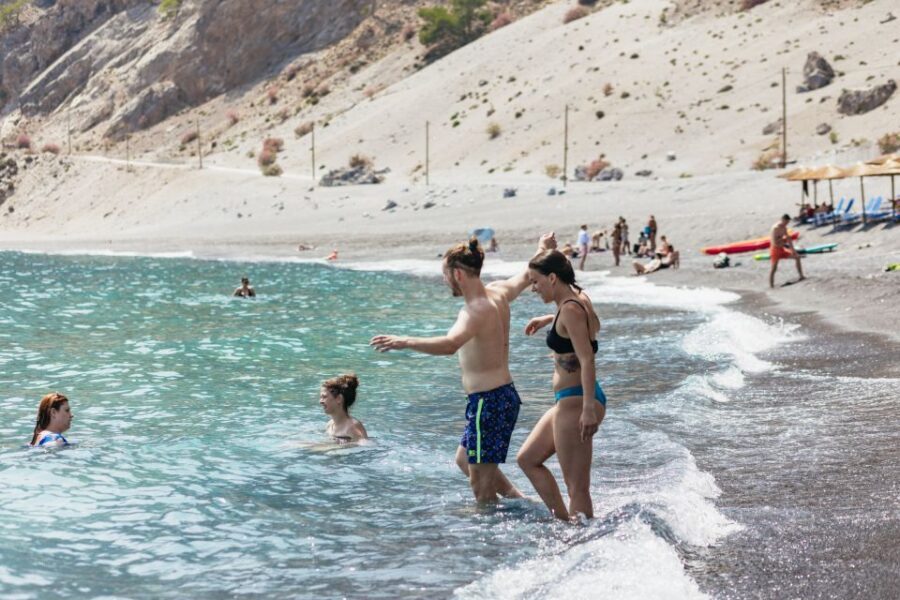
The ride from Agia Roumeli to Sfakia is by ferry, around one hour. This part works well because it’s calmer than the gorge. You can sit, breathe, and enjoy the water and views without thinking about foot placement.
The ferry connection is paired with a coach ride back to the pickup areas—another about 1.5 hours. One important detail: it’s a scheduled ferry. You’re expected to be ready to board promptly when you disembark, since the bus is waiting and the timing is tight.
If you time it right, you may catch a soft “end of the day” moment on the water. Several people described a beautiful sunset feel from the ferry. Even if the sky is cloudier, the ride is still a welcome transition from hiking mode to travel mode.
Price and Value: What You Pay for the Whole Day
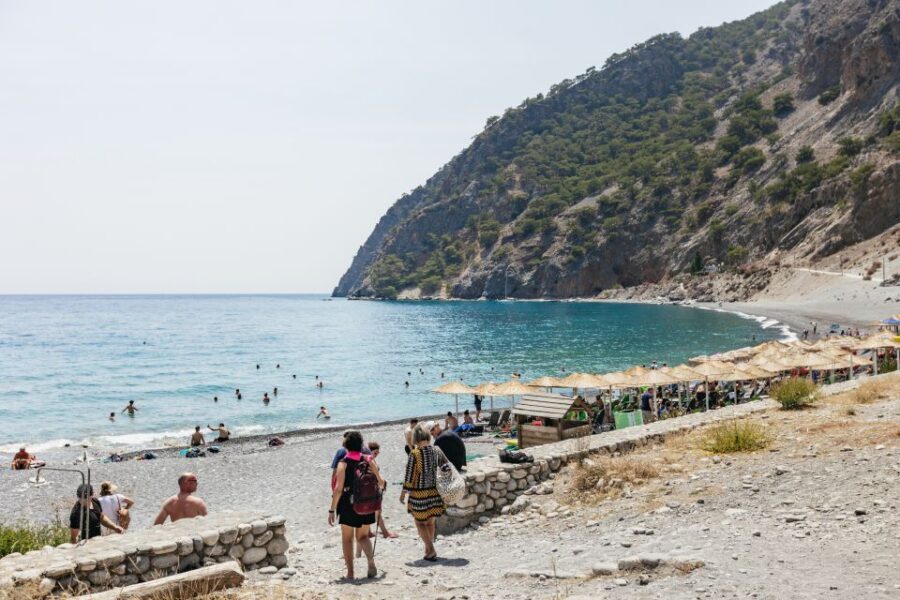
This experience runs around $37 per person for the day trip, with a 9–12 hour window depending on pickups and timing. The headline value is that you’re not handling the hardest logistics yourself: you get coach transportation, guide support, and the gorge-to-sea connection.
But the tour isn’t a single all-in button. You’ll also pay for key entry components on the ground:
- Samaria Gorge entrance ticket: about €10 (paid onsite)
- Boat ticket: about €14 for most adults (kids 7.00 € up to age 12 mentioned)
So your real budget needs to include those. Still, it tends to be good value for most people because it bundles the expensive part of planning—getting to Omalos, starting at the right time, and returning by ferry and bus.
There are also some reduced/free rules mentioned for certain ages and EU status:
- EU citizens get free entrance for ages 0–17 and free for 65+
- Other nationalities have different age ranges listed in the details
One more value point: the trip includes being directed for tickets and skip-the-ticket-line style handling (even though you pay the fees onsite or through the escort process). The goal is less waiting, more hiking.
If you were thinking of renting a car, remember you’d still need to solve the same end-of-day ferry and timing puzzle. This tour does that for you, with minimal stress.
Who This Gorge Trek Really Suits (And Who Should Pass)
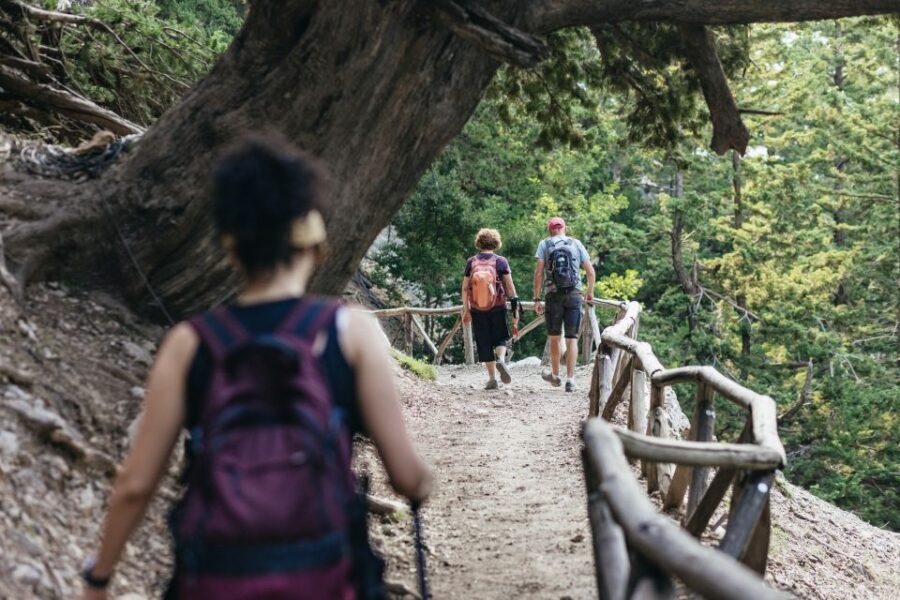
This is a hike for people who can handle uneven, rocky terrain for most of the day. The distance is around 18 km, but the challenge comes from footwork, steep sections, and the risk of slips.
Based on the provided restrictions, this tour is not suitable for:
- children under 6
- pregnant women
- people with back problems
- people with heart problems
- people with mobility impairments
- wheelchair users
Even if you’re not in those categories, take your body seriously. Past hikers have said this trip is tough on knees and ankles, and that you should avoid it if you have those issues. Expect soreness afterward, especially if you’re not used to long downhill days on rocky ground.
Who will love it most?
- fit walkers who wear proper footwear
- people who enjoy nature education (plants, birds, habitat)
- travelers who want a guided day with independence (you can hike at your pace)
If you want a gentle stroll and zero risk of rough footing, this isn’t your day.
Practical Packing: Small Choices That Prevent Big Problems
You’ll feel the hike most in your feet, hydration, and sun protection. The basics are listed, and I agree with all of them:
- hat
- hiking shoes
- sunscreen
- water
- trekking gear if you use it
Then add the “from-the-field” upgrades that keep showing up in real experiences:
- Bring a little food. One guide-style tip: inside the gorge there are no shops, so plan snacks or sandwiches.
- Don’t overpack with a huge backpack. Refill points help, so carry what you truly need.
- Consider a change of socks and something simple for after.
- Pack tissues or a bit of sanitizer. Toilets exist, but you might find limited supplies like toilet roll and limited handwashing at some points.
- If you’re prone to calf tightness, start stretching soon after the swim and don’t rush the ferry-to-bus transition.
Heat matters too. In summer, the gorge can be very hot, and shade can feel less consistent later in the walk. Build your pacing around that. Start early feeling strong, and slow down before you’re forced to.
Should You Book This Samaria Gorge Day Trip From Rethymno?
Book it if you want an iconic Crete nature day with real structure: coach pickup, an escort guide, gorge hiking, and a ferry return—plus the best kind of reward at the end, a swim and village break in Agia Roumeli.
Skip it if you:
- have knee/ankle/back or heart concerns
- aren’t comfortable on slippery, rocky terrain
- want an easy hike or short day
If you’re a capable walker with the right shoes, this is one of the most satisfying ways to do Samaria Gorge without turning the logistics into your vacation.
FAQ
What’s the total time for this trip from Rethymno?
The full day runs about 9 to 12 hours, depending on your pickup time and the schedule for ferry and return coaching.
How long is the hike inside Samaria Gorge?
You’ll walk the gorge for about 4.5 hours, covering around 18 kilometers of challenging terrain.
What are the main costs besides the $37 price?
You’ll need to pay onsite for the Samaria entrance ticket (about €10) and the boat ticket (about €14; 7.00 € mentioned for children up to age 12). Food and drinks are not included.
Do I need hiking shoes or will trainers work?
Hiking shoes are strongly advised. The walk is rocky and sometimes slippery, so sturdy footwear with good grip and ankle support is the safer choice.
Is the hike guided as a group?
You hike at your own pace. Your guide stays at the end of the group to assist if you need help.
Will I get time to swim in Agia Roumeli?
Yes. Agia Roumeli includes free time for swimming, and it’s also a good moment to have lunch and recover.
Are there bathrooms during the day?
There are bathrooms at rest areas along the route, though queues and limited supplies can happen. In the end village area you’ll also have facilities.
Who shouldn’t take this trek?
It’s not suitable for children under 6, pregnant women, people with back problems, people with mobility impairments, wheelchair users, or anyone with heart problems.