REVIEW · SANTORINI
Discover Scuba Diving in Santorini
Book on Viator →Operated by Navys Waterworld Dive Center · Bookable on Viator
Going underwater in Santorini is the easy dream; this makes it real. You’ll get a short PADI-led intro, learn the basics, and then spend time practicing before you head into open-water style experience from the shore. It’s built for first-timers who want the thrill fast, without feeling thrown in at the deep end.
What I like most is the structure: equipment fitting, basics, safety coaching, then hands-on time. I also like that it’s a small-group setup, capped at 6 people, so attention doesn’t get swallowed by a crowd.
One possible drawback: you enter from shore, so if the sea is choppy, it can make breathing and buoyancy feel harder. If you’re prone to seasickness or you hate unstable footing, go in with that in mind.
In This Review
- Key Highlights You’ll Feel Right Away
- Shore Entry in Kamari Changes the Whole Experience
- The 3-Hour Flow: Video, Gear Fitting, Skills, Then Water Time
- 1) Start at 9:00 am with a clear intro
- 2) Gear fitting and setup
- 3) Basic skills practice underwater
- 4) Free time, plus optional guided open-water style experience
- Meeting at Navy’s Waterworld in Kamari: How to Show Up Ready
- What to wear and bring (practical, not fancy)
- Coaching Style Matters: Robert and Lucas, Safety First and Fun Too
- Why the coaching style is worth paying for
- Underwater Time: Skills Practice, Then Optional Guided Experience
- Skills practice: where you get your confidence
- Optional guided open-water style session: what it means
- Photos and the Little Details That Affect Your Day
- Price and Value: Is $118.58 Worth It?
- Who This Intro Scuba Try-Out Is Best For
- Who should think twice
- Timing, Weather, and Flight Plans: The Real Scheduling Rules
- Should You Book This Shore-Based Scuba Try-Out in Santorini?
- FAQ
- What time does the experience start?
- How long is the experience?
- Where do I meet, and where does it end?
- Do I need to bring or rent scuba equipment?
- Is a boat used for this experience?
- Is it safe to fly soon after?
Key Highlights You’ll Feel Right Away
- Shore entry only, no boat ride, so you’re focused on the water time—not logistics
- A PADI Professional guides you through gear setup and core skills
- Small group size (max 6) for calmer coaching and more personal feedback
- Video-based intro at the start, so you’re not guessing what to do
- Time to practice underwater and then choose a guided open-water style session
- Strong instruction reputation, with instructors like Robert and Lucas mentioned for safety-first coaching
Shore Entry in Kamari Changes the Whole Experience
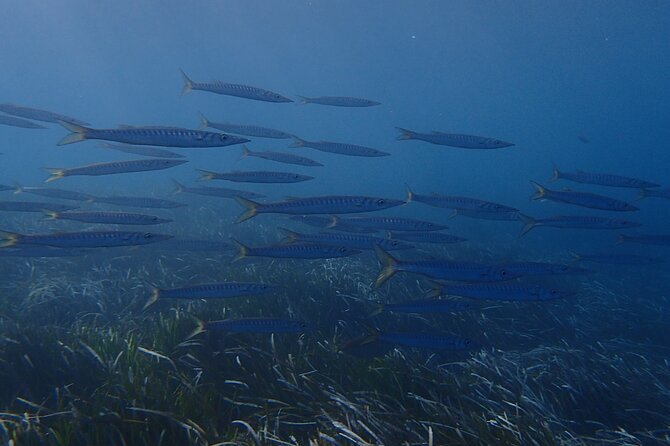
Santorini’s sea looks postcard-perfect from the cliffs, but your actual experience depends on how you enter the water. Here, you go straight in from shore. That matters more than you might think.
A boat trip can be fun, but for an intro scuba try-out, it also adds motion, time, and variables before you even start breathing underwater. With shore entry, your headspace stays simpler: gear on, briefing done, then you get to work on buoyancy, breathing, and basic movements right away.
In Kamari, the meeting spot puts you near the water scene you came for. You’re not racing across the island or hunting down a distant dock. It’s also close to public transportation, which helps if your Santorini plan runs on buses.
One more real-world benefit: you can usually read the sea conditions faster. If the water looks rough or the entry feels unstable, you’ll know right then and can talk with your instructor about what you should expect from your session.
You can also read our reviews of more tours and experiences in Santorini.



The 3-Hour Flow: Video, Gear Fitting, Skills, Then Water Time
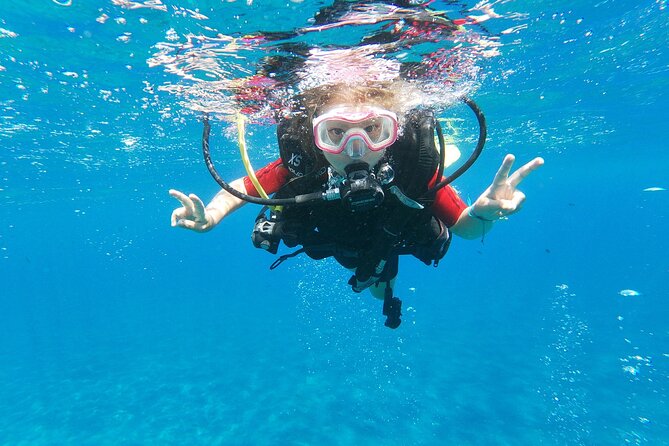
This experience runs about 3 hours total, and the pacing is the point. You’re not doing a long training program. You’re doing a first contact with scuba equipment and the underwater skills that make it safe and comfortable.
1) Start at 9:00 am with a clear intro
You meet at 9:00 am at Navy’s Waterworld in Kamari. Expect a “start here” moment where everything clicks into place. The beginning includes a training video, which helps you understand what you’re about to do before you’re wearing the kit and floating around.
If you’re the kind of person who needs to know the whys—not just the do’s—this format is a relief. The video plus verbal coaching cuts down on that awkward feeling of not knowing what a regulator is supposed to do (or how your body should respond).
2) Gear fitting and setup
After the intro, a PADI Professional fits your scuba gear and explains how to use it. This is where the experience earns trust. Proper fitting is not just comfort—it’s safety. When straps sit right and the kit is set correctly, you’re less likely to fight the equipment while you’re learning.
Also, equipment is included, so you’re not hunting rentals or showing up with random odds and ends.
3) Basic skills practice underwater
Then comes the part you’ll remember: hands-on practice. You’ll learn basic scuba skills and rehearse them underwater. This is typically the difference between a fun first taste and a frustrating one—because you’re practicing under real conditions, with a professional right there to correct your technique.
You’ll work at a pace that matches first-timers. The whole point is control: breathing calmly, staying steady, and following safety rules without panic.






4) Free time, plus optional guided open-water style experience
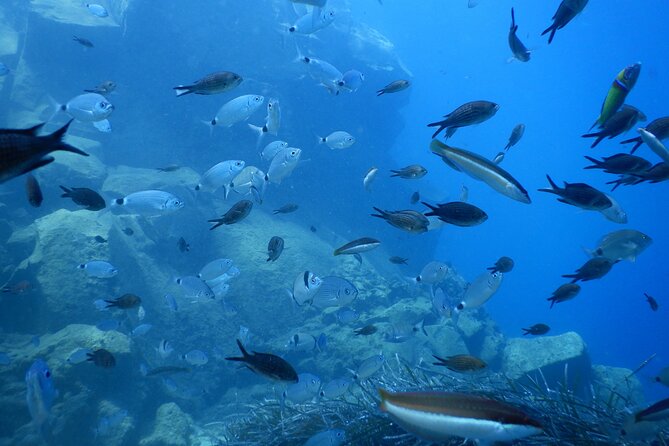
After the skills practice, you get time to enjoy the underwater experience. Depending on conditions and your comfort level, you can also take part in a guided open-water style session.
The phrasing on the experience is clear: you’ll have guided options, but it’s not all forced. That flexibility can be a big deal for couples, nervous first-timers, or people who are there for the feeling of being underwater more than for pushing limits.
Meeting at Navy’s Waterworld in Kamari: How to Show Up Ready
The meeting point is Navy’s Waterworld at Panagias Myrtidiotisas, Kamari 847 00, Greece. The activity ends back at the meeting point.
That “back to start” structure is practical. You don’t have to solve what to do with your wet gear or your time afterward. It’s also useful if you plan to keep your day simple after the course.
Since it’s near public transportation, you can avoid the hassle of arranging a taxi if you’re basing your Santorini trip in Fira or another nearby area. Still, check your route the morning of—Santorini roads can be a bit of a maze.
What to wear and bring (practical, not fancy)
The info you were given doesn’t spell out a detailed packing list, but for shore-entry water activities, I’d treat this like a wet day plan:
- Bring a swimsuit and something you’re comfortable getting wet in
- Pack a dry layer for afterward, because post-water chill can sneak up on you
- Bring a towel if you have one available through your lodging
- If you’re sensitive to sun, plan for it—your time before entry is still in bright coastal light
Coaching Style Matters: Robert and Lucas, Safety First and Fun Too
The standout theme in the instruction approach is how seriously they take comfort and safety. In particular, Robert is mentioned for taking time with each person so everyone feels safe and still has fun. That balance is the whole game in an intro scuba try-out.
A first-time underwater experience can go sideways when instructions are rushed or when the instructor can’t tell whether you’re comfortable. Here, the small group size helps: max 6 people means you’re not competing for attention.
Also, Lucas is mentioned for giving lots of help to make success happen—so you’re not left flailing with equipment. That matters because the goal isn’t to look cool. The goal is to breathe calmly, move smoothly, and get a feel for buoyancy.
Why the coaching style is worth paying for
You might wonder if an intro try-out is basically the same everywhere. It isn’t.
When you’re practicing new equipment and breathing mechanics at once, clarity prevents stress. Stress makes people hold their breath or fight the gear. Clear coaching keeps you relaxed, which improves everything: comfort, control, and enjoyment.
In other words, the coaching style is the product, not just the water.
Underwater Time: Skills Practice, Then Optional Guided Experience
The program is designed around a simple sequence: learn basic skills, then apply them. That’s why the structure feels good even for first-timers.
Skills practice: where you get your confidence
Skills practice is not just “check the box.” It’s how your body learns the new pattern:
- how breathing changes when you’re underwater
- how your gear behaves when you’re not standing on land
- how movements feel when you’re buoyant instead of grounded
If the sea is even a little rough, skills practice can feel harder. One person noted that the water was chopping enough that they didn’t feel comfortable continuing at the end. That’s a good reminder: you’re always allowed to prioritize comfort.
Optional guided open-water style session: what it means
The experience offers a guided option after practice time. Think of that as stepping from controlled practice into a more open setting with guidance.
Not everyone will want the full guided portion, and not every day will feel the same. But the offer is there, which means you’re not stuck doing only one type of underwater time.
Photos and the Little Details That Affect Your Day
You might not plan your whole vacation around it, but your post-trip memories matter. One note from an excellent rating: instructors promised photos, and the person felt the activity was worth it partly for that difference versus other options that charge separately.
So here’s my practical advice: if photos matter to you, ask what’s included and when they’ll be delivered. The experience states there are photos promised, but it doesn’t give a delivery timeline in the details you shared.
Even if you don’t care about photos, consider bringing something to document your experience on your own. Underwater photos can be tricky, but you’ll likely want at least a few land-based shots before you head in.
Price and Value: Is $118.58 Worth It?
At $118.58 per person, this is priced like a serious intro program rather than a “tacky gimmick.” And value comes from what’s included and what’s emphasized.
Here’s how I’d judge it:
- Equipment included: that can quietly save money and stress
- PADI Professional instruction: you’re paying for safety coaching, not just access to water
- Small group max 6: fewer people means more attention during skills practice
- Short duration (about 3 hours): it fits well into a Santorini day without eating the whole schedule
There’s also a “shore entry” factor. No boat is used for this type of experience. That keeps the experience simple. And simple usually means fewer moving parts and less chance for things to feel chaotic.
Is it the cheapest way to get a taste of underwater life? Maybe not. But it doesn’t read like cheap-and-fast. It reads like a real training session that respects first-timers.
Who This Intro Scuba Try-Out Is Best For
This works best for people who:
- are curious about scuba and want a controlled first experience
- feel better with structured training and safety emphasis
- want a calmer group environment (max 6)
- prefer shore entry over boat-based activities
Most people can participate, which is great if you’re trying to fit something exciting into a trip. It also sounds ideal for couples or small groups who want a shared experience with enough guidance to keep it from becoming stressful.
Who should think twice
If you’re very sensitive to rough water, the shore entry aspect might be a concern. One account noted that chopping seas made it harder and reduced comfort in the end.
Also, if you’re flying soon, plan your schedule carefully. The experience requires a 12-hour gap between the dive and your flight, so you’ll need to build that buffer into your itinerary.
Timing, Weather, and Flight Plans: The Real Scheduling Rules
You start at 9:00 am and spend about 3 hours total. That means your day is largely structured around the morning session.
Santorini weather can change quickly, and this activity requires good weather. If it’s canceled due to poor conditions, you’ll be offered a different date or a full refund. That’s the honest way these experiences should work.
One more timing note you should treat seriously: you’ll get confirmation within 48 hours of booking, depending on availability.
Should You Book This Shore-Based Scuba Try-Out in Santorini?
I’d book it if you want a first-time scuba experience that feels organized, safety-led, and not overly complicated. The shore entry setup, small group cap, and PADI-guided format are exactly what you want when you’re learning something new.
I’d pause and ask extra questions before booking if you know you struggle with choppy water or if your schedule is tight around flights. That 12-hour gap rule is not optional.
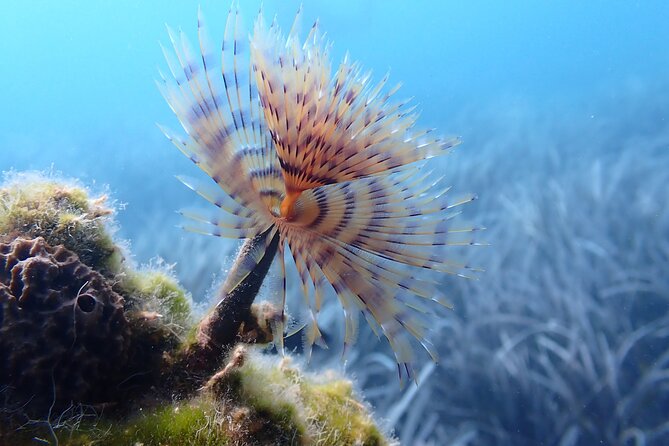
If your goal is to leave with real confidence—breathing underwater basics, feeling steady, and getting a genuine taste of Santorini’s underwater world—this is a solid choice.
FAQ
What time does the experience start?
It starts at 9:00 am.
How long is the experience?
The duration is about 3 hours.
Where do I meet, and where does it end?
You meet at Navy’s Waterworld Dive Center on Panagias Myrtidiotisas in Kamari, and the activity ends back at the same meeting point.
Do I need to bring or rent scuba equipment?
Equipment is included, and a PADI Professional will fit you with the scuba gear.
Is a boat used for this experience?
No. Boats or other water vehicles are not used for this type of dive experience because the session is done from the shore.
Is it safe to fly soon after?
You should allow a 12-hour gap between the activity and your flight.