REVIEW · CORFU
Corfu: Greek Cooking Class & Olive Oil Tasting
Book on GetYourGuide →Operated by Corfu Outdoor & Leisure Activities · Bookable on GetYourGuide
Olive oil and a home kitchen in Corfu. I love starting in the Corfu Town markets with your host and picking ingredients like locals do, and I love the wood-oven cooking in a family villa followed by an olive oil tasting. One thing to plan for: you’ll walk around old port streets and you’ll need to think through how you’ll get to the countryside property.
Because this is capped at 8 people, the day moves at a human pace. You get real time with the guide (English and Greek) and the chef, and you sit down to a full 5-course meal with local wine or beer.
In This Review
- Key moments you’ll remember
- Why the Corfu markets matter more than the menu
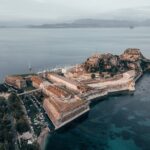
- Konstantinoupolis to the New Venetian Fortress: quick history, good photo angles
- Corfu Central Market and the Jewish Synagogue neighborhood
- The old port square stop: where the day starts to feel like a plan
- Getting out to the countryside villa: transport choices that affect your comfort
- Welcome treat and wood-oven cooking: how the class actually works
- The 5-course style lunch: Greek staples with a pork-knuckle centerpiece
- Olive grove walk and the 200-year-old olive press ruins
- Olive oil tasting: learning the liquid yellow gold
- Small group energy with Yorgos and the chef
- Price and what you actually get for $107
- Who should book, and who might want to adjust expectations
- Should you book this Corfu cooking class and olive oil tasting?
- FAQ
- How long is the Corfu Greek Cooking Class & Olive Oil Tasting?
- What does the tour cost?
- Where does the tour start and end?
- Is pickup included?
- How big is the group?
- What language is the guide?
- Is the cooking class hands-on?
- What food do you eat during the meal?
- Does the experience include olive oil tasting and olive grove time?
- What if I need dietary accommodations?
Key moments you’ll remember
- Shopping with your host in Corfu Town: you’ll pick fresh ingredients at the places locals actually use.
- Old town walking stops: fortress views, the Central Market area, and the Jewish Synagogue neighborhood.
- Wood oven cooking in a family villa: you can go hands-on or watch if you prefer.
- Olive press ruins + olive grove walk: a 200-year-old olive press makes the oil story feel real.
- Olive oil tasting, not just a sip: you’ll learn what you’re tasting and why it matters.
- A long, satisfying lunch: Greek salad, dips, cheese pie, pork knuckle, and a baked fruit-and-nut dessert.
Why the Corfu markets matter more than the menu
This tour is built on a simple idea: if you buy the right ingredients, cooking feels easier and tastes better. You meet at the old harbor in Corfu Town, outside the Konstantinoupolis hotel. From there, the day unfolds as a guided walk through Corfu’s food-and-history lanes, then turns into ingredient shopping you’ll later use in the class.
I like that you are not just watching. You’re gathering items your chef will actually base recipes on. The tour also includes tastings along the way (like trying feta at a local deli), so you understand the flavors before you cook them. You’ll also smell what you’re buying—fish, vegetables, fruit, herbs—like the market is its own warm-up act.
One small practical note: because you’re doing real walking through narrow streets, comfortable shoes help. Old town streets can be uneven, and you’ll want your legs ready before the countryside transfer.
You can also read our reviews of more tours and experiences in Corfu.


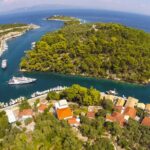
Konstantinoupolis to the New Venetian Fortress: quick history, good photo angles
The morning starts with a walk in the Konstantinoupolis area, then you move toward the New Venetian Fortress area. Expect more of a guided wander than a museum-style stop: short explanations, photo moments, and time to get your bearings in Corfu Town.
This matters because Corfu’s food culture doesn’t exist in a vacuum. The guide’s connections between city life and what ends up on the table make the day feel less like a disconnected activity and more like a coherent story. Also, the fortress viewpoints are the kind of quick win that helps the rest of your day make sense.
If you’re the type who likes learning while walking (not sitting in one place), you’ll enjoy this pace.
Corfu Central Market and the Jewish Synagogue neighborhood
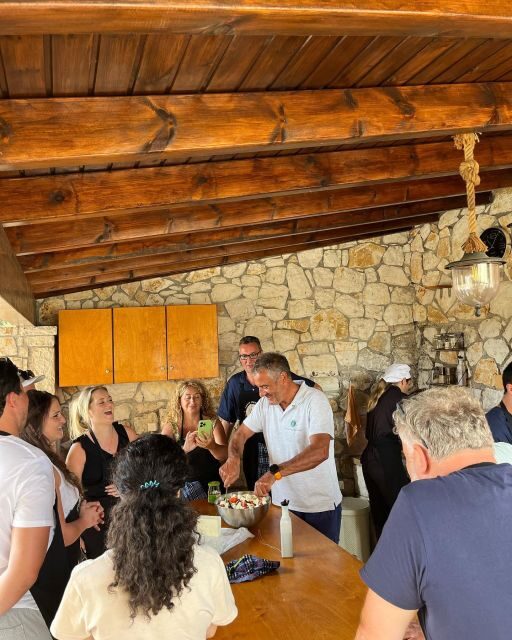
Next comes the Central Market area. You’ll have time for shopping and food-market browsing, guided by your host so you know what to look for. The tour focuses on products harvested from Corfiot fields only hours before, with organic choices where available—so the ingredients are the kind you can almost smell right through the bag.
A highlight here is also the Jewish Synagogue of Corfu neighborhood. You’ll do sightseeing and a bit of shopping. Even if you only spend a short time here, it adds a layer to the city that most food-only tours skip.
This section is especially good if you like the human side of travel: meeting stall people (through your host), learning what locals buy, and leaving with a better sense of what the island’s food really looks like at ground level.
The old port square stop: where the day starts to feel like a plan
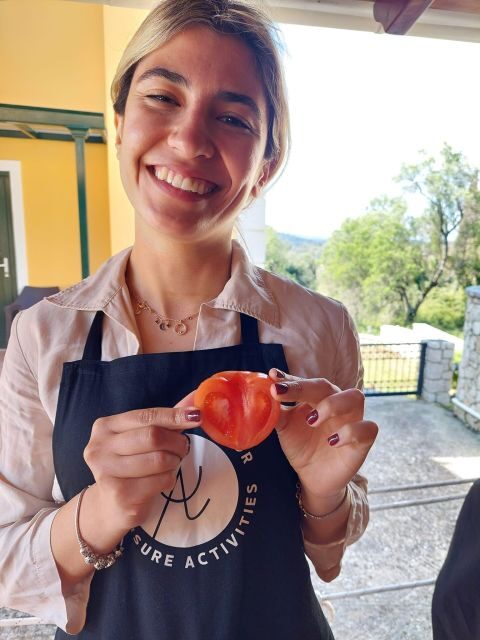
You’ll also pass through Old Port Square for more sightseeing. This isn’t just a waypoint—it’s the moment where the walk-and-shop part of the morning starts transitioning into the meal-and-olive-oil part of the day.
If you tend to get hungry fast (fair warning: I do), this is the spot where you’ll appreciate that the tour doesn’t leave you waiting too long to eat and cook. You also get a bit of downtime built in before the countryside drive.
Getting out to the countryside villa: transport choices that affect your comfort
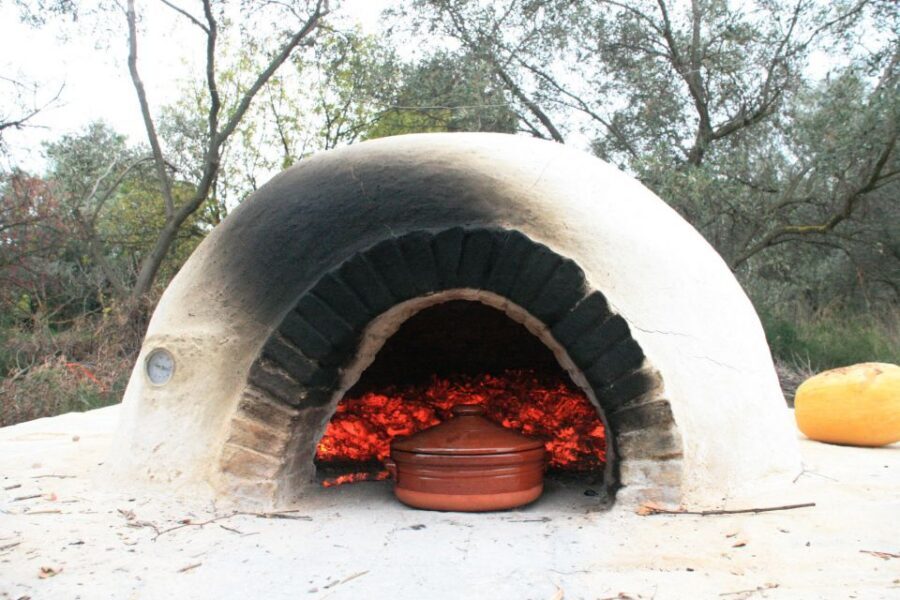
Once the town portion wraps, you head to the family property where the cooking class happens. The tour offers options:
- You can drive on your own if you prefer.
- Or you can use a minivan transfer (depending on the option you choose).
Pickup is optional, too, with hotel pickup and drop-off available in several areas including Dassia, Gouvia, Ypsos, Kontokali, Barbati, Nissaki, Alepou, Corfu Town, Paleokastritsa, and Liapades. If you’re staying outside those zones, you’ll likely need to plan your own way to the meeting point and then handle the transfer to the villa.
Why this matters: the countryside part is a big part of the value here. The olive press ruins and grove walk connect directly to the tasting and the stories behind the cooking. If your timing and ride choices are stressful, you won’t enjoy it as much.


Welcome treat and wood-oven cooking: how the class actually works
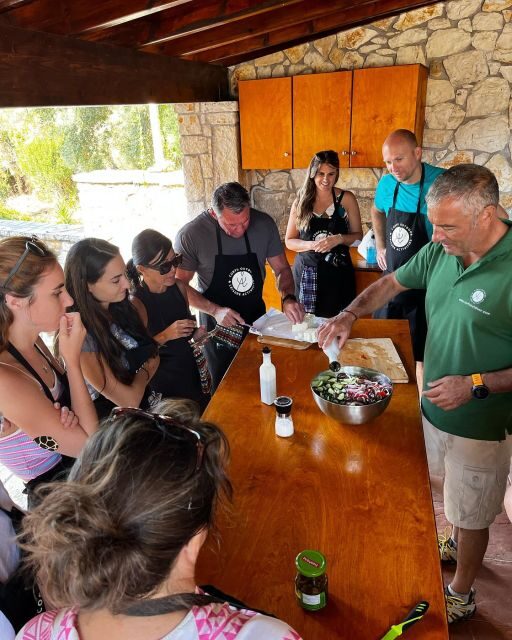
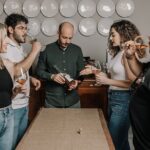
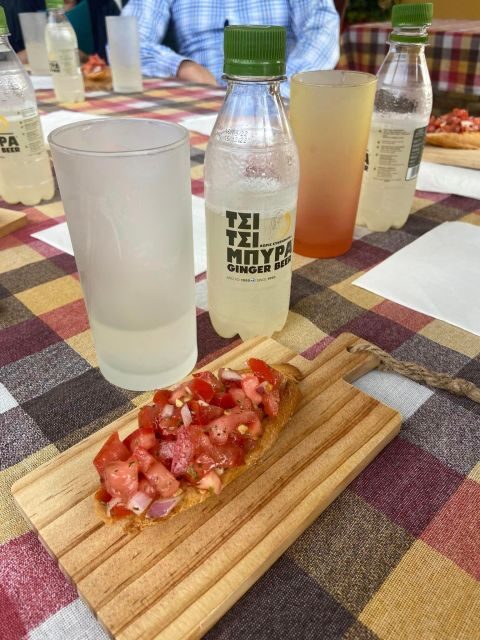
At the countryside home, the day shifts into kitchen mode. You’ll get a welcome treat that includes corfiot ginger beer and freshly baked focaccia bread with tomato, garlic, and olive oil. That’s followed by the cooking and then the big shared meal.
You’ll cook using a wood oven. That detail sounds romantic, but it’s also practical: wood-fire cooking tends to create a different kind of heat that affects texture and flavor, especially for dishes served hot and meant to hold their taste on a long table.
You can choose to participate hands-on or just watch the preparation. Either way, you’ll still eat the results together at lunch.
And yes, the recipes are traditional and family-style. The vibe is relaxed, and the chef explains what you’re doing (and why), not just the final steps.
The 5-course style lunch: Greek staples with a pork-knuckle centerpiece
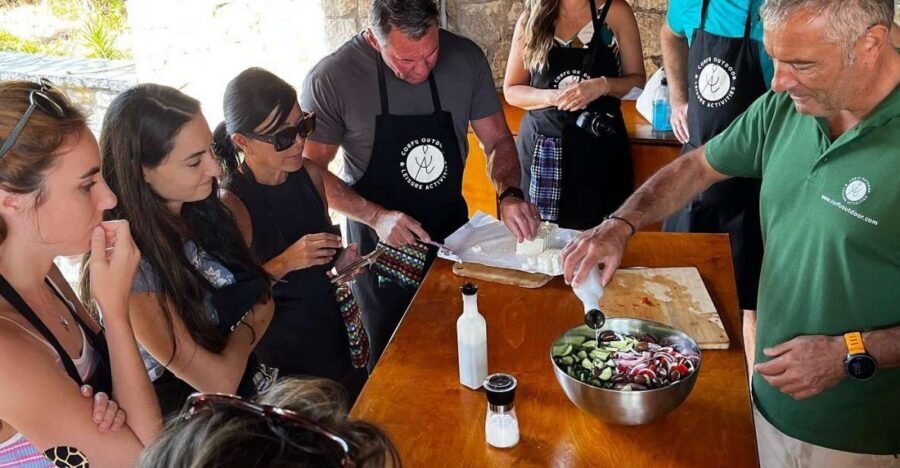
The menu is built around classic Greek favorites, then anchors the day with a slow-cooked pork dish.
Here’s what you can expect to eat during the lunch:
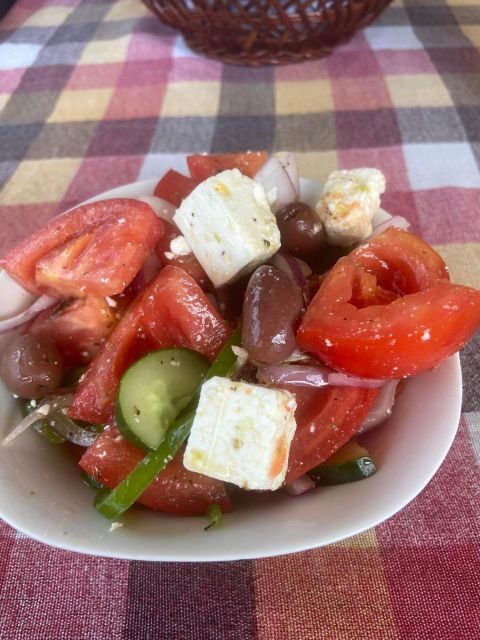
- Greek salad with fresh organic vegetables, feta, and olives.
- Tzatziki made with yogurt, garlic, and cucumber.
- Homemade cheese pie with phyllo pastry, feta, olive oil, herbs, and similar flavors.
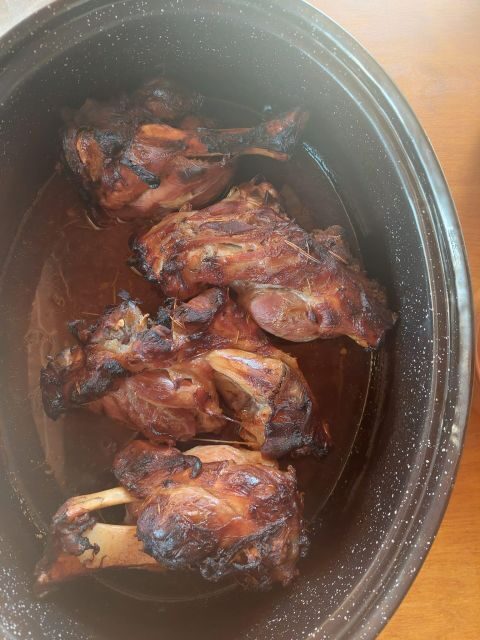
- Pork knuckle marinated in corfiot beer, honey, mustard, lemon juice, and rosemary, then slowly cooked in the wood oven. It comes with potatoes boiled in aromatic herb broth, drizzled with virgin olive oil, lemon juice, and parsley.
- Baked fruit dessert (peaches or apples depending on season), with crushed walnuts, honey, and a wine syrup, baked and served with Greek yogurt.
- Plus soft drinks, water, and local corfiot bottled wine or beer with the meal.
The hands-on value isn’t only learning recipes. It’s learning timing and how flavors are treated—like when something should be seasoned, how dips are balanced, and how the wood oven changes the feel of the final dish.
Diet note: if you have restrictions, you should tell the organizer ahead of time. The menu includes meat and dairy, so it’s worth communicating clearly so you don’t arrive expecting it to be changed on the spot.
Olive grove walk and the 200-year-old olive press ruins
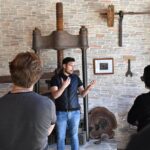
Now for the part that makes this tour more than a cooking class: the olive story. Before lunch (or right around the transition into it), you’ll walk through the olive grove and visit the ruins of a family olive press that’s about 200 years old.
This matters because you’re not tasting olive oil as an abstract product. You’re seeing the infrastructure that turned olives into oil. Standing near old press ruins gives you a sense of scale—how much work it took, and why olive oil became so central to everyday food.
The day ties that history directly into the tasting, so you get to connect story to flavor.
Olive oil tasting: learning the liquid yellow gold
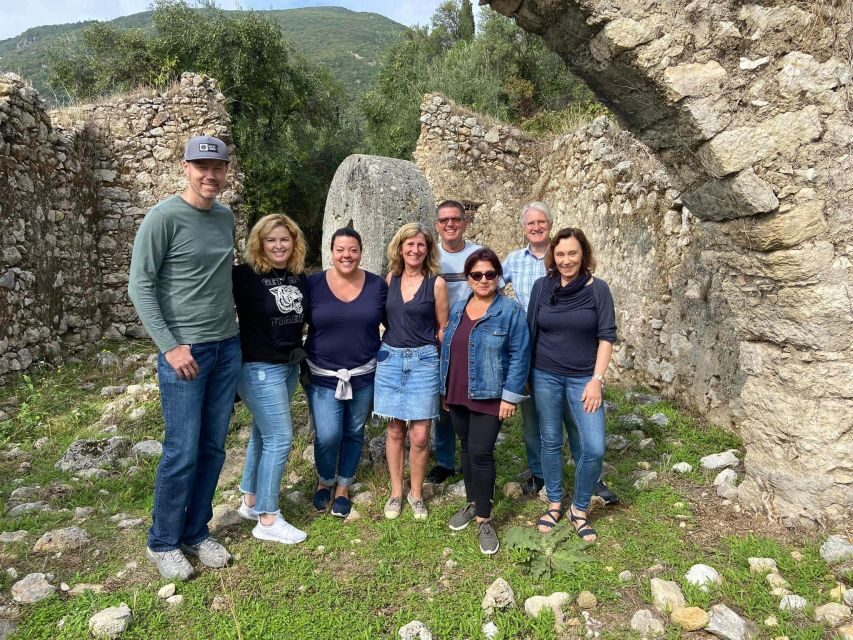
After the olive grove and press visit, you’ll do an olive oil tasting and learn about liquid yellow gold. Based on how the day is taught, you’ll focus on what makes a quality olive oil taste and feel different—not just whether you like it.
In practical terms, this is the best time to pay attention with your senses. Taste it, compare impressions, and ask questions while the guide is still talking you through it. Olive oil tasting is one of those activities where small details matter, and you’ll get more out of it when you’re not rushing.
If you buy olive oil later, this is the kind of tasting that helps you spot what you want, not just what’s cheapest.
Small group energy with Yorgos and the chef
This is limited to 8 participants, and that changes the tone. Instead of feeling like you’re watching from the edge, you’re more likely to be pulled into the cooking—stirring, assembling, tasting, and asking questions.
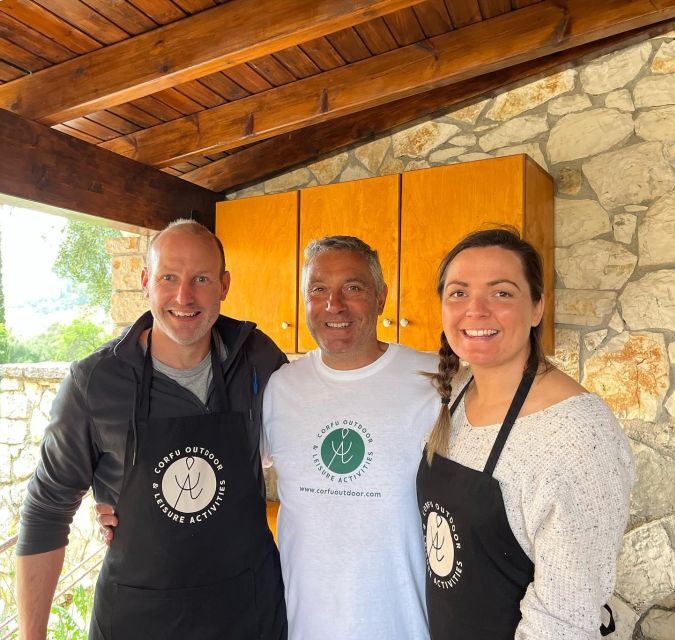
The host guiding you through Corfu Town is a key part of the experience. Many people get excited about how personal and warm it feels when you’re welcomed into a family setting, not staged for tourists. That warmth, paired with a professional chef, makes the day feel both relaxed and structured.
I also like that you get both English and Greek support. If you’re traveling as a mixed-language group, that flexibility helps the whole thing run smoothly.
Price and what you actually get for $107
At $107 per person for about 5 hours, this tour includes a lot more than a typical cooking class.
You’re paying for:
- market shopping experience with your host
- chef-led cooking class and ingredients/equipment for the recipes
- olive oil tasting
- walk through the olive grove and visit to the ruins of a 200-year-old olive press
- a 5-course style lunch with local wine or beer
- hotel pickup/drop-off if you choose that option
To me, the best value piece is the combination: Corfu Town market time + countryside olive experience + wood-oven cooking + a full meal. That’s a rare mix for one price point, and the small group size keeps it from feeling like a factory tour.
The only real “cost” is mental planning: arrange your transfer so you’re not stressed. The tour notes that transportation from the shopping area to the home for the cooking classes isn’t included, though it can be arranged—so coordinate that choice early.
Who should book, and who might want to adjust expectations
This tour is a great fit if:
- you love cooking and want to learn real recipes, not just watch
- you like market wandering and picking ingredients with guidance
- you care about olive oil culture and want the tasting to connect to history
- you want a small group day (up to 8) with a family-style meal
You might think twice if:
- you hate walking on uneven streets in old towns
- you want a mostly vegetarian menu (the center dish is pork knuckle)
- you’re very time-sensitive about transportation and don’t want to organize the ride to the countryside
Should you book this Corfu cooking class and olive oil tasting?
Yes—if your ideal day in Corfu includes more than eating. The market-to-villa flow gives you a clear reason for everything you do: you buy ingredients in town, you cook them in a wood oven, then you taste olive oil in the place that created it.
Book it early in your trip if you like to use what you learn to guide your later food choices. And if you have dietary needs, message ahead. The meal is generous and centered on the traditional menu, so the more clearly you communicate, the smoother it will be.
FAQ
How long is the Corfu Greek Cooking Class & Olive Oil Tasting?
It lasts about 5 hours.
What does the tour cost?
The price is listed at $107 per person.
Where does the tour start and end?
It starts outside the Konstantinoupolis hotel at the old harbor in Corfu Town, and it ends back at the same meeting point.
Is pickup included?
Hotel pickup is optional. Pickup and drop-off are offered in areas including Dassia, Gouvia, Ypsos, Kontokali, Barbati, Nissaki, Alepou, Corfu Town, Paleokastritsa, and Liapades.
How big is the group?
The group is limited to 8 participants.
What language is the guide?
The tour includes a live guide in English and Greek.
Is the cooking class hands-on?
You can choose to participate hands-on or just watch the cooking preparation.
What food do you eat during the meal?
The menu includes a welcome treat, Greek salad, tzatziki, homemade cheese pie, pork knuckle with potatoes, and a baked fruit dessert (peaches or apples depending on season). Wine or beer and soft drinks/water are also included.
Does the experience include olive oil tasting and olive grove time?
Yes. You’ll walk through the olive grove, visit the ruins of a family olive press (about 200 years old), and enjoy an olive oil tasting.
What if I need dietary accommodations?
You should inform the organizers about any dietary restrictions in advance so they can plan accordingly.