REVIEW · SARDINIA
Cooking Class in a Secret Courtyard – Culurgiones (Sardinian Pasta)
Book on Viator →Operated by Sardaigne en Liberté · Bookable on Viator
A courtyard cooking class in Sardinia can feel like a real family night. You’ll get hands-on help making culurgiones, then sit down for a shared dinner in a traditional house setting at La Corte del Carrubo. I like that the group is small and the evening is built around doing the work yourself, not watching from the sidelines; I also like that a vegetarian menu is available. One thing to consider: even though it’s offered in English, this is a home-run experience, so don’t count on perfect English support every moment.
The timing is practical: you meet at 6:30 pm and the whole evening is about four hours, with a final tasting of what you cooked plus local add-ons. It’s priced at $72.41 per person, and you’re not just paying for a recipe sheet—you’re paying for a full dinner setup and the chance to learn the folding by hand with the family.
If you want a polished restaurant vibe, this may not match. Think aprons, flour on your hands, and learning like the people who live there do it.
In This Review
- Key things to know before you go
- Where La Corte del Carrubo sets the tone
- The welcome: house tour and quick Sardinian food context
- Aprons on: kneading and shaping culurgiones by hand
- Aperitif and the meal: what dinner feels like
- Price and value: what $72.41 is really buying
- Language and group dynamics: how to make it work
- Who this fits best (and who might prefer something else)
- Book it now? My take on whether you should
- FAQ
- Is the class in English?
- Where does the cooking class start?
- How long is the experience?
- What’s included in the price?
- Is there a vegetarian option?
- Are kids and alcohol included?
Key things to know before you go
- Small group (max 10 travelers) means more time at the table and less waiting around.
- 6:30 pm start at La Corte del Carrubo keeps the evening flowing into aperitif and tasting.
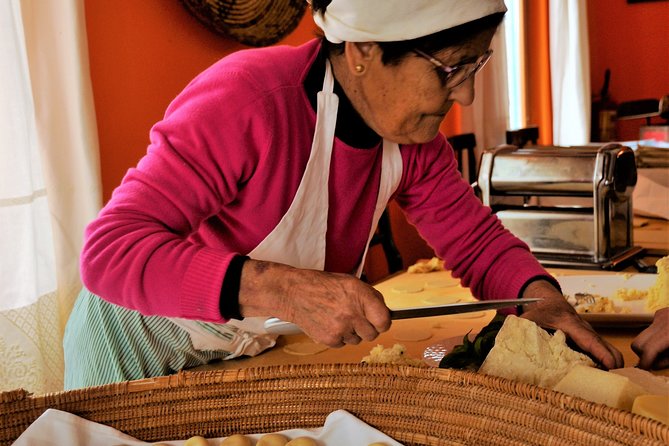
- Hands-on culurgiones lesson with the home owner and cook, plus guidance on shaping.
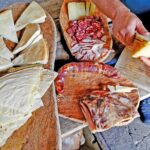
- Shared dinner included, starting with a mixed platter of cold cuts and cheeses before your pasta.
- Vegetarian menu available, so you can plan ahead.
- Language can be a wild card, so bring patience and simple Italian basics if you have them.
Where La Corte del Carrubo sets the tone
This experience is built around a real Sardinian home base at La Corte del Carrubo in Lanusei (08045), not a big cooking school. You’ll meet there at 6:30 pm, which matters because you’ll have time for an actual arrival rhythm: hello, a quick orientation, then you’re straight into the kitchen.
The setting is part of the value. Cooking classes in cities can feel staged—perfect lighting, perfect explanations, and little chance to ask follow-up questions. Here, the pace feels more like joining the family for an evening job that ends in good food. The courtyard idea is also a nice change from sterile classrooms: it helps you shift into vacation mode fast.
And because the group is capped at 10 people, you’re less likely to feel like a ticket number. That small size also helps the lesson land, especially when you’re learning a shaping technique and not just a “how to boil pasta” demo.
One practical note: the evening runs around four hours total. Wear something you don’t mind getting flour on, and plan for the fact you’ll be working before you eat.
You can also read our reviews of more tours and experiences in Sardinia.

The welcome: house tour and quick Sardinian food context
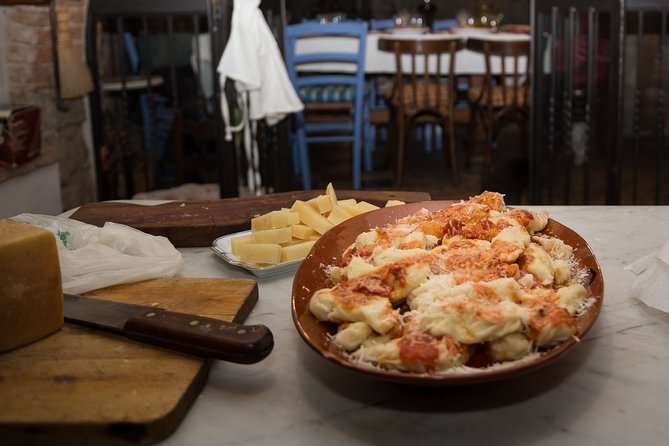
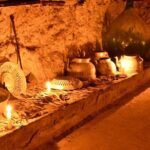
Before you put on aprons, you get a welcome plus a tour of the traditional Sardinian house. Even if you’re only there for the cooking, that tour is worth your attention. It gives you context for why certain ingredients and habits matter in Sardinia, and it helps the lesson feel less like a performance and more like a tradition you’re borrowing for a few hours.
You also get a brief introduction to Sardinian cuisine. The goal isn’t a lecture. It’s the kind of framing that makes the rest make sense—why culurgiones are important to local cooking, and how the meal fits together as a group event.
If you’re traveling with kids, this is one of the more workable options. The minimum age is 6 years, so families can participate without needing a babysitter or a separate kids program. Just know it’s still a real kitchen, so you’ll want to manage expectations about mess and pace.
Aprons on: kneading and shaping culurgiones by hand
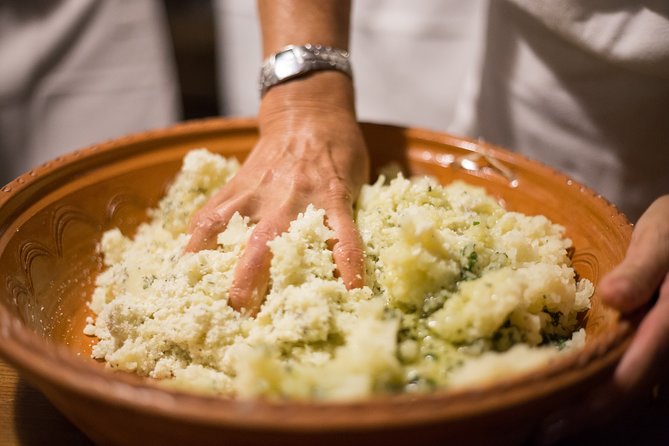
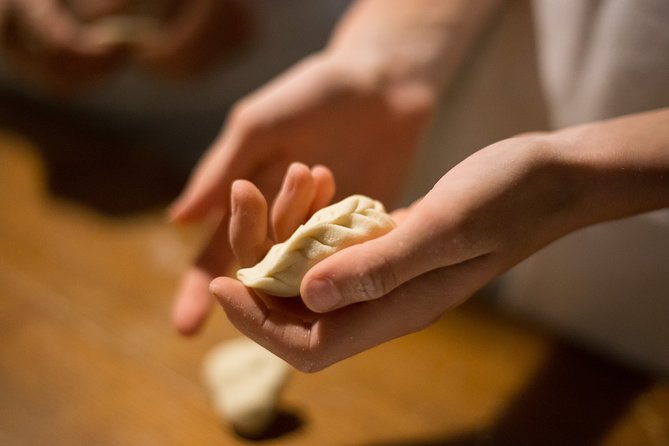
Here’s the core of the experience: you roll up your sleeves and start working with the cook and the home owner. The lesson focuses on learning culurgiones together, and the practical element is front and center—kneading, forming, and learning the right way to shape the pasta pieces.
This is also where the home setting shows up. In a professional class, you might get step-by-step instructions with perfect pacing for every student. In a family kitchen, the work can feel more collaborative and less “timed.” That can be great—because you’re learning the real way people do it—but it also means you should be ready for a bit of hands-on effort before the table.
Based on what I’ve seen described by people who went, shaping can take time. In one instance, the group worked on forming a large batch of pasta pieces, and the process stretched long enough that everyone was hungry by the time dinner started. That’s not a reason not to book. It’s a reality check: you’re signing up to participate, not to snack while someone else works.
If you want your evening to feel smooth, come on time and be ready mentally for a “work first, eat later” flow. Once you get past that, the learning part is the fun part.
Aperitif and the meal: what dinner feels like
After the cooking, you move into aperitif mode, then you all sit around the table to taste what was prepared. The meal structure matters because it confirms this isn’t just a pasta lesson that ends with a single bite.
Your sample menu includes:
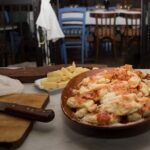
- Starter: mixed platter of cold cuts and cheeses
- Main: culurgiones
Dinner is included, and it’s also the moment you get to compare your handiwork to the final result. This is where the technique sticks. When you eat what you shaped, you start to understand why certain folds and pinches matter.
Beverages are another practical detail. Non-alcoholic drinks are available, and alcoholic drinks are available for those 18 and over. Just don’t expect a full restaurant bar service. In this format, it’s more like a simple home setup—good enough for an evening meal, but not the kind of place where you can order and customize all night.
If you’re a vegetarian, you’re not locked out. A vegetarian menu is available, which is a real advantage in small home cooking settings where choices sometimes shrink. Still, I’d confirm your dietary needs when you book or at least when you receive confirmation, since the dinner plan can depend on how the household cooks for that day.
Price and value: what $72.41 is really buying
At $72.41 per person, you’re paying for a few things at once:
- A cooking lesson that’s hands-on (not just watching).
- A dinner that includes a starter and the culurgiones main.
- Access to a private home setting and a small-group experience (max 10).
If you compare it to a typical “class only” offering, the dinner component is the difference-maker. It turns the price from a pure activity cost into a meal + experience deal. Four hours also isn’t a quick pop-in; it’s long enough to learn the steps and sit down to eat without rushing.
There’s also a value angle in the take-home side. One person described getting super recipes for home, and that kind of practical takeaway is exactly what you want from a class. Even if you never make culurgiones perfectly at home on the first try, having the method written down (and remembering what the dough should feel like) makes the class useful.
My suggestion: treat this as a food evening, not a “short activity.” If you go hungry and ready to work, you’ll feel the money better spent.




Language and group dynamics: how to make it work
The experience is offered in English, and that’s great. But in a home kitchen, communication can still be imperfect. Some people reported only Italian being spoken during parts of the evening and had trouble following instructions.
So here’s the practical move: plan to rely on more than words. Cooking is visual. You’ll see kneading, shaping, and timing, and the family members can often correct you with gestures and a few key phrases. If you can handle simple Italian or just a friendly, calm attitude, you’ll get more out of it.
Group size helps here. With only up to 10 travelers, someone can usually point you in the right direction without leaving you stranded.
If you’re traveling with friends and you’re the type who likes to ask questions, bring that energy. The best cooking classes aren’t the ones with the most vocabulary—they’re the ones where you feel comfortable saying, I don’t get this yet, can you show me again.
Who this fits best (and who might prefer something else)
This is a good match if you want:
- A hands-on Sardinian food night
- A small, family-style evening with real participation
- A meal that feels like a local event, not a restaurant stop
It’s also a solid choice for families with kids ages 6+, as long as you’re okay with a slower pace and a kitchen that’s more lived-in than polished.
You might want a different option if:
- You need guaranteed fluent English throughout every step
- You dislike waiting for dinner while the group finishes forming pasta
- You expect full beverage service like a restaurant
In other words: if your idea of a great evening is “work together, then eat together,” you’ll likely love this.
Book it now? My take on whether you should
I’d book this if your top goal is learning culurgiones in a real Sardinian home setting. The small group, the dinner included, and the fact that you actually form the pasta by hand make the experience feel like more than a checklist activity.
But I’d also go in with one mindset: this is family-cooking energy, not a scripted show. The price only feels fair if you embrace that. If you’re the kind of traveler who needs everything explained perfectly in your language, you’ll still probably eat well, but the learning experience might not feel as smooth.
If you do book, I’d arrive a few minutes early, bring a willingness to learn through hands-on cues, and come hungry—because once the shaping starts, you’re working first, eating after.
FAQ
Is the class in English?
It’s offered in English, and you should receive confirmation within 48 hours of booking, subject to availability. Since the experience is run in a home setting, it can still help to know a few simple Italian phrases or be ready to learn through demonstrations.
Where does the cooking class start?
You meet at La Corte del Carrubo, in Lanusei (08045 NU, Italy). The start time is 6:30 pm.
How long is the experience?
It lasts about 4 hours.
What’s included in the price?
Dinner is included, along with the culurgiones cooking lesson.
Is there a vegetarian option?
Yes. A vegetarian menu is available.
Are kids and alcohol included?
The minimum age to participate is 6 years. Non-alcoholic drinks are available, and alcoholic drinks are available for those 18 and over.